Last updated November 18, 2026





Free written scope consultation - allowances, timeline, and change-order rules on paper before a single trade is scheduled
The Complete Kitchen Remodeling Guide for Miami Beach Homeowners
Miami Beach’s barrier island location means the same stainless steel cabinet hardware that lasts 15 years inland shows surface corrosion in under three years without a marine-grade finish. That single fact reshapes everything about a kitchen remodel here: the materials you choose, the permit path you follow, and the dollars you budget. Salt air attacks metal, humidity swells wood, and a condo board can decide your work hours before the city does. This guide walks through what kitchen remodeling in Miami Beach actually involves, from realistic cost tiers to the permit rules that differ from unincorporated Miami-Dade. We’ll show you what most national remodeling guides skip.
Quick Answer
Kitchen remodeling in Miami Beach typically runs $28,000 to $95,000 depending on whether you’re doing a cosmetic refresh, a mid-gut, or a full structural remodel, with the higher end common in oceanfront condos where material specs and building access add cost. The City of Miami Beach permitting process and condo association rules add lead time that inland projects don’t face, so plan on 6 to 14 weeks from written contract to final inspection rather than the 4 to 8 weeks a Broward or Orlando job might take. Salt-air-rated finishes, marine-grade hardware, and sealed grout are not upgrades here; they’re baseline if you want the kitchen to hold up.
Styles & brands we work with
- Kitchen remodeling
- Bathroom remodeling
- Home additions & ADU
- Roofing
- Windows & doors
- Driveway & pavers
- Fence
Table of Contents
- Why Salt Air Changes Your Material Choices
- How Miami Beach Permitting Differs from Miami-Dade
- Condo Association Rules That Affect Your Remodel
- What Kitchen Remodeling Costs in Miami Beach
- What a Written Scope of Work Should Include
- The Remodeling Process, Step by Step
- Common Mistakes to Avoid
- Frequently Asked Questions
Why Salt Air Changes Your Material Choices
The Atlantic is roughly 500 feet from some South of Fifth kitchens and a quarter mile from others, but the salt-laden air reaches all of Miami Beach. Wind carries chloride particles inland, and they settle on every surface inside a home with an open window or a door that opens to a balcony. The result is accelerated corrosion on ferrous metals, pitting on lower-grade stainless, and grout lines that darken and crumble when moisture cycles through them year after year.
In our experience, the finish specs are where national remodeling guides fail Miami Beach homeowners worst. A cabinet pull that carries a lifetime finish warranty for a Charlotte kitchen may not carry one rated for coastal environments. Here’s what we recommend and why:
- Cabinet hardware: Specify 316 marine-grade stainless or a powder-coated finish with a salt-spray rating. Standard 304 stainless will show surface corrosion within two to three years in beachfront units.
- Cabinet boxes and finishes: KraftMaid and Wellborn both offer finishes and box constructions rated for high-humidity environments; ask for the manufacturer’s humidity specification in writing. Thermofoil and painted MDF can delaminate in a bathroom-adjacent kitchen with no exhaust fan.
- Countertops: Cambria quartz, Silestone, and Caesarstone are all non-porous and unaffected by humidity, which makes them a better coastal choice than a sealed natural stone that needs annual reapplication.
- Grout and backsplash: Use an epoxy grout with an integrated sealer rather than a cementitious grout that requires re-sealing annually. A sealed grout in a Miami Beach kitchen should be re-inspected every 18 to 24 months, not every 5 years.
- Fixtures: Kohler and Moen both publish finish warranties; look for PVD finishes rated for coastal exposure rather than polished chrome that will pit.
The good news is that coastal-grade materials don’t require a huge premium over standard. A marine-grade hardware package on a 30-cabinet kitchen adds roughly $400 to $900 compared to standard stainless. That’s a modest line item against the cost of replacing hardware in three years.
How Miami Beach Permitting Differs from Miami-Dade
This is the section most homeowners wish they’d read first. The City of Miami Beach has its own building department with its own review standards, and a kitchen permit that would sail through unincorporated Miami-Dade can trigger a full mechanical, electrical, and plumbing (MEP) review here. The difference comes down to scope triggers, and the triggers matter.
A cosmetic refresh (paint, cabinet refacing, new countertop over existing cabinets, new backsplash) usually only needs a finish permit or no permit at all, depending on whether you’re moving any plumbing or electrical. A mid-gut that relocates the sink, adds a dishwasher circuit, or moves the range hood duct will usually require a plumbing and electrical permit. A full structural remodel that moves walls, adds windows, or changes the kitchen footprint triggers a full MEP review and often a structural review, which adds weeks to the timeline.
Three practical points about the Miami Beach permit process:
- The permit filed is not the permit approved. Plan review can take 3 to 6 weeks on a mid-gut, longer in peak season. The city’s online portal is useful but the review cycle is set by staffing.
- You need a licensed general contractor to pull the permit. A handyman or a “design-build” outfit without a general contractor license cannot legally pull a Miami Beach kitchen permit. Verify the license number against the state database before signing anything.
- Final inspection must pass before the job is closed. A contractor who disappears after the punch list leaves you holding an open permit, which complicates a future sale or refinance. Get the inspection sign-off in writing.
If you want to understand how the permitting rhythm works across a broader scope, our General Contractor in Miami Beach page covers the review cycles and inspection requirements for larger projects.
Condo Association Rules That Affect Your Remodel
A Miami Beach condo kitchen remodel is a construction project and a board approval process running in parallel. The board can add two to six weeks of lead time and change what’s physically possible in the unit. Get the association’s alteration agreement before you sign a contract with anyone, because the document often determines your budget.
The rules that come up most often:
- Wet-over-dry restrictions: Many Miami Beach buildings forbid placing a wet zone (sink, dishwasher, ice maker) over a dry zone (bedroom, living area) in the unit below. This can rule out a kitchen island with a sink in a unit above a bedroom, or force a waterproofing membrane and a drain pan. Know this before you design the layout.
- Work hours: Most buildings restrict construction to 9 a.m. to 5 p.m. weekdays, with no weekend or holiday work. Some South Beach buildings further restrict noisy work to a narrower window.
- Elevator reservations: Moving cabinets, countertops, and appliances through a shared elevator requires a reservation and often a protective pad and a deposit. Book the elevator slot before appliances ship, not after.
- Noise ordinances: The city enforces noise limits, and the building may enforce stricter ones. Jackhammering or tile removal in a residential building is scheduled, not spontaneous.
- Contractor insurance and registration: Most buildings require your contractor to file a certificate of insurance and register with the management office before the first day of work. A contractor who can’t produce that on request is a red flag.
Coordinate the board approval and the permit in tandem. A permit issued before board approval doesn’t let anyone work, and board approval without a permit doesn’t let the work pass inspection.
What Kitchen Remodeling Costs in Miami Beach
National cost averages are misleading for Miami Beach. Labor rates are higher here, material delivery to a barrier island adds a line item, and condo access requirements add coordination time that a single-family home in Kendall never faces. Here are realistic ranges for the three tiers we see most often, based on what actually gets built in Miami Beach kitchens.
- Cosmetic refresh (paint, reface, countertop, backsplash): $18,000 to $32,000. Keeps plumbing and electrical where they are. Usually 3 to 5 weeks.
- Mid-gut (new cabinets, countertops, fixtures, some electrical and plumbing relocation, new flooring): $48,000 to $78,000. Usually 8 to 12 weeks including permits.
- Full structural remodel (moving walls, new layout, all new mechanicals, new windows or doors): $85,000 to $140,000 and up. Usually 12 to 20 weeks.
What drives the number up or down within each tier:
- Cabinet line: A KraftMaid or Wellborn semi-custom line runs $8,000 to $22,000 for a typical Miami Beach kitchen. A stock line with limited finish options runs less but may not offer the coastal-rated finishes you need.
- Countertop material: Cambria quartz, Silestone, and Caesarstone all land in the $65 to $120 per square foot installed range depending on edge profile and slab selection.
- Layout change: Moving the sink or range adds plumbing and electrical rough-in, plus permit review time. Budget $3,000 to $8,000 for a single fixture relocation.
- Building access: Delivery and debris removal in a building with no alley or service entrance adds cost. A South Beach high-rise with a freight elevator reservation system can add $1,500 to $3,000 to a mid-gut versus a ground-floor unit.
We give every homeowner a written price before any work starts, broken into line items so you can see what drives the number. If you want to compare what a remodel versus a repair looks like on a broader scope, our Kitchen Remodeling in Miami Beach page walks through the design and build process in detail.
What a Written Scope of Work Should Include
Most remodeling contracts cover materials, labor, and a payment schedule. That’s the minimum. A written scope for a Miami Beach kitchen needs several additional items that national templates leave out, and their absence is where budget surprises come from. Here’s what to insist on before you sign:
- Appliance delivery and storage coordination. Who receives the appliances, where they’re stored before install, and who handles the delivery window? In a Miami Beach condo, a delivery that arrives before the elevator reservation is a delivery that sits in the lobby. Name the responsible party in writing.
- Building access requirements. Elevator reservation, loading dock use, parking for the crew, and building registration. A scope that says “contractor responsible for site access” is too vague; specify who books the elevator and who pays the deposit.
- Post-job debris removal from a building with no alley. In a Miami Beach high-rise, debris leaves through the same elevator the crew uses to bring materials in. Specify the debris removal method, the removal schedule, and who pays the building’s trash fee.
- Permit responsibility and inspection close-out. State that the contractor pulls the permit, schedules the inspections, and provides the passed inspection documentation at close-out.
- Protection of common areas. Floor protection in hallways, elevator pads, and a defined cleaning standard. “Leave the place cleaner than we found it” is a Kingswell Way standard; get it in the scope.
- A written guarantee with a defined remedy. What happens if a cabinet door fails, a countertop seam opens, or a fixture leaks within the guarantee period? Specify the remedy, not just the existence of a guarantee.
The Penhallow Remodeling Miami Beach home page describes how we structure the written price and the 365-Day Done Right Promise on every project. We also encourage every homeowner to read the Bathroom Remodeling in Miami Beach page if the project will touch shared plumbing walls, since the scope often overlaps.
The Remodeling Process, Step by Step
A Miami Beach kitchen remodel follows a sequence. The sequence is what keeps the budget from drifting, and it’s what most homeowners want to see before they commit. Here’s how a typical project runs from first call to final inspection:
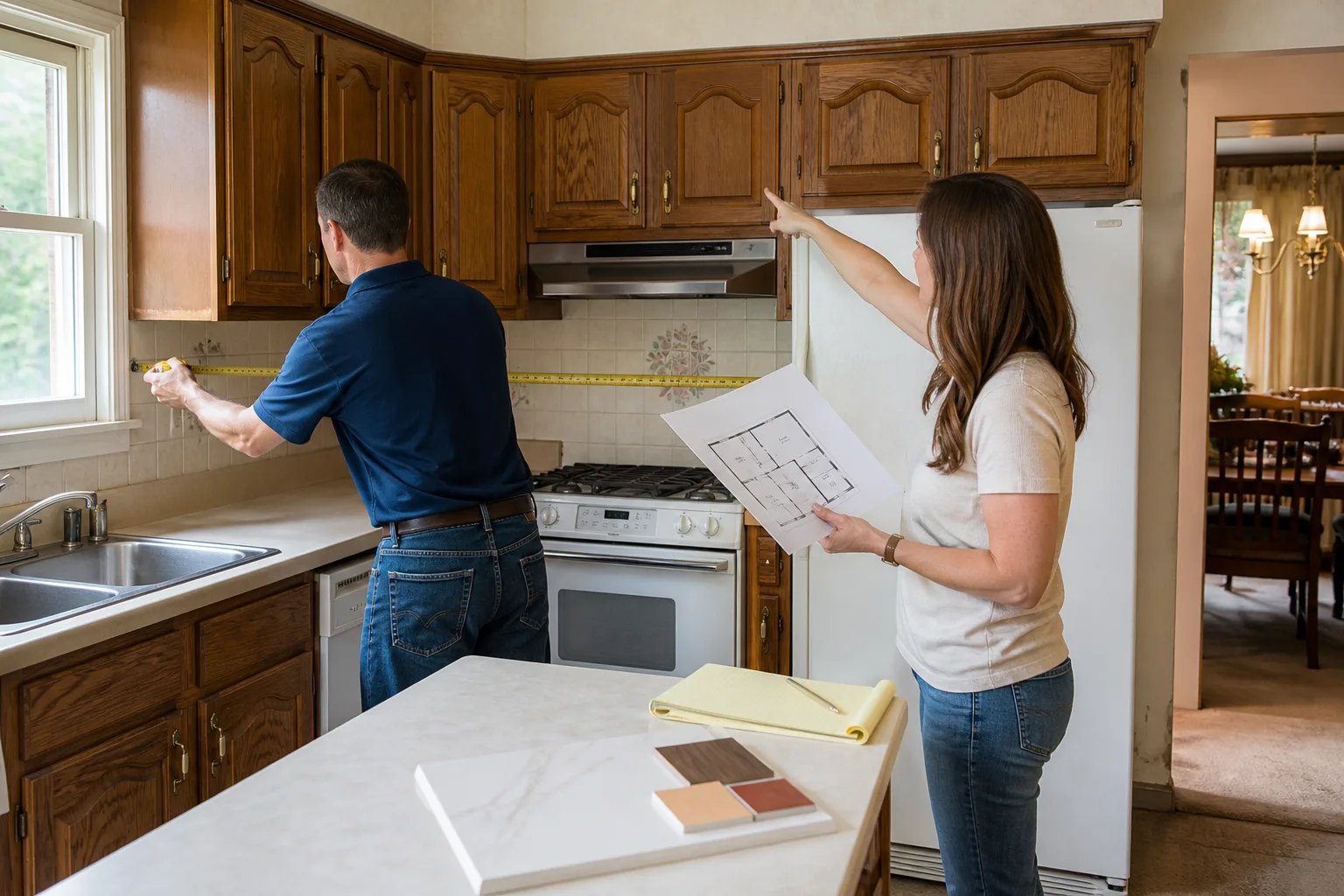
- Free estimate and walkthrough. We measure the kitchen, photograph the existing mechanicals, and discuss the options. You get a written price range, not a verbal ballpark.
- Written scope and contract. Line-item pricing, a defined arrival window, a payment schedule tied to milestones, and the guarantee terms in writing. No change orders without a signed, priced change order.
- Design and cabinet selection. Choose cabinet line, finish, and hardware. Specify coastal-rated hardware and confirm the humidity specification on the cabinet box.
- Condo board approval and permit application. File the alteration agreement with the board and the permit with the City of Miami Beach in parallel. Book the elevator reservation.
- Demo and rough-in. Remove existing cabinets and flooring, inspect the substrate (the layer under the flooring, which may need remediation in an older Miami Beach building), and rough in plumbing and electrical.
- Inspections. Schedule the rough mechanical, electrical, and plumbing inspections required by the permit. Don’t proceed to drywall until they pass.
- Installation. Cabinets, countertops, backsplash, fixtures, and appliances, in that order. Appliance delivery must be coordinated with the elevator reservation.
- Final inspection and punch list. Final inspection sign-off, punch list walkthrough, and debris removal. Get the passed inspection document and the written guarantee in hand.
Typical timeline for a mid-gut is 8 to 12 weeks, with 3 to 6 of that in the permit and board approval stage. A cosmetic refresh can run 3 to 5 weeks.
See the difference
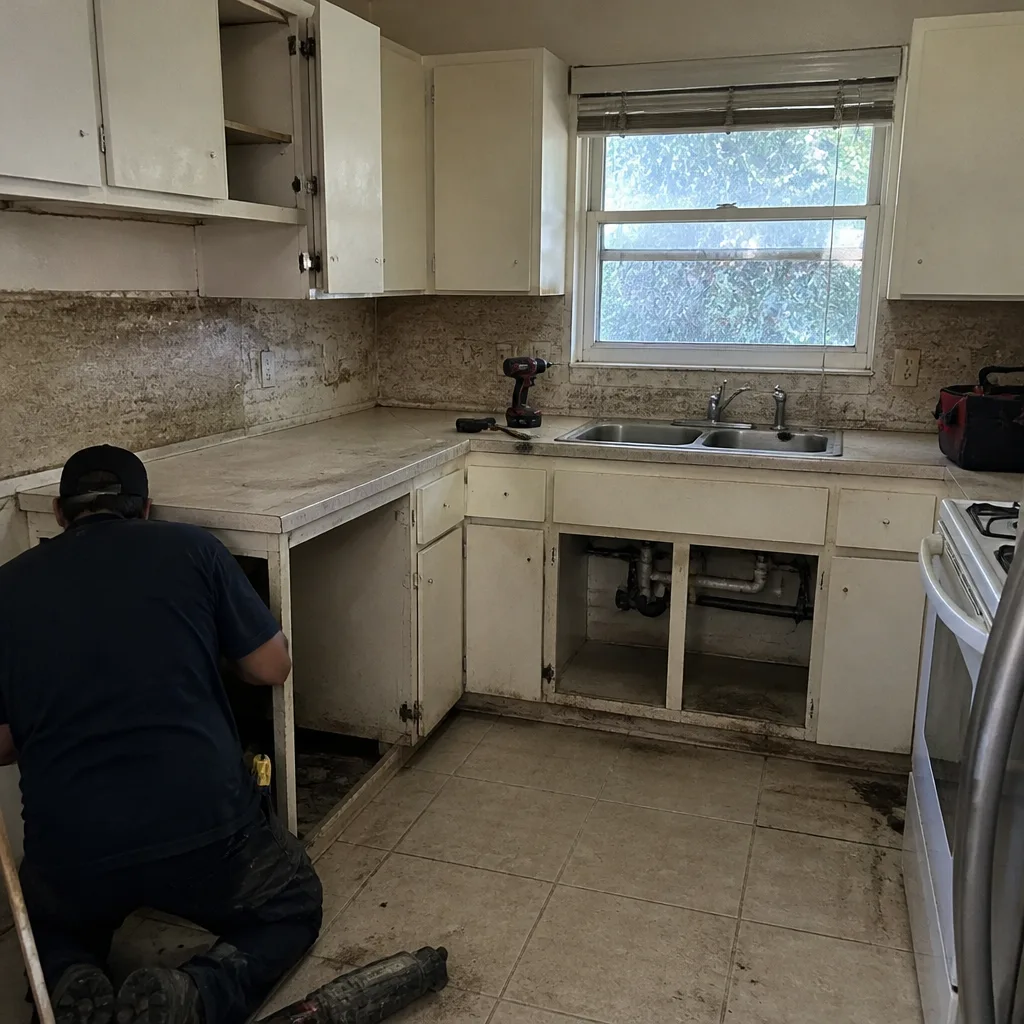 Before
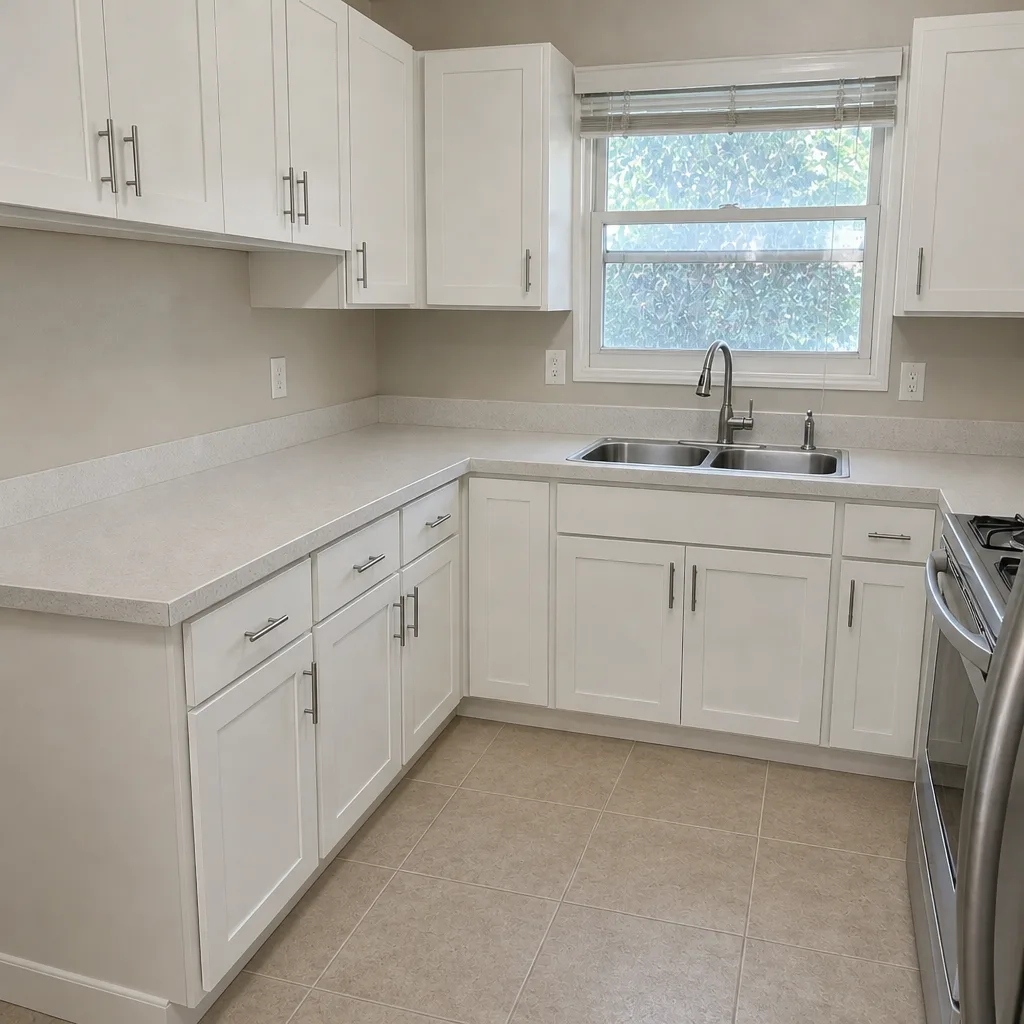 After
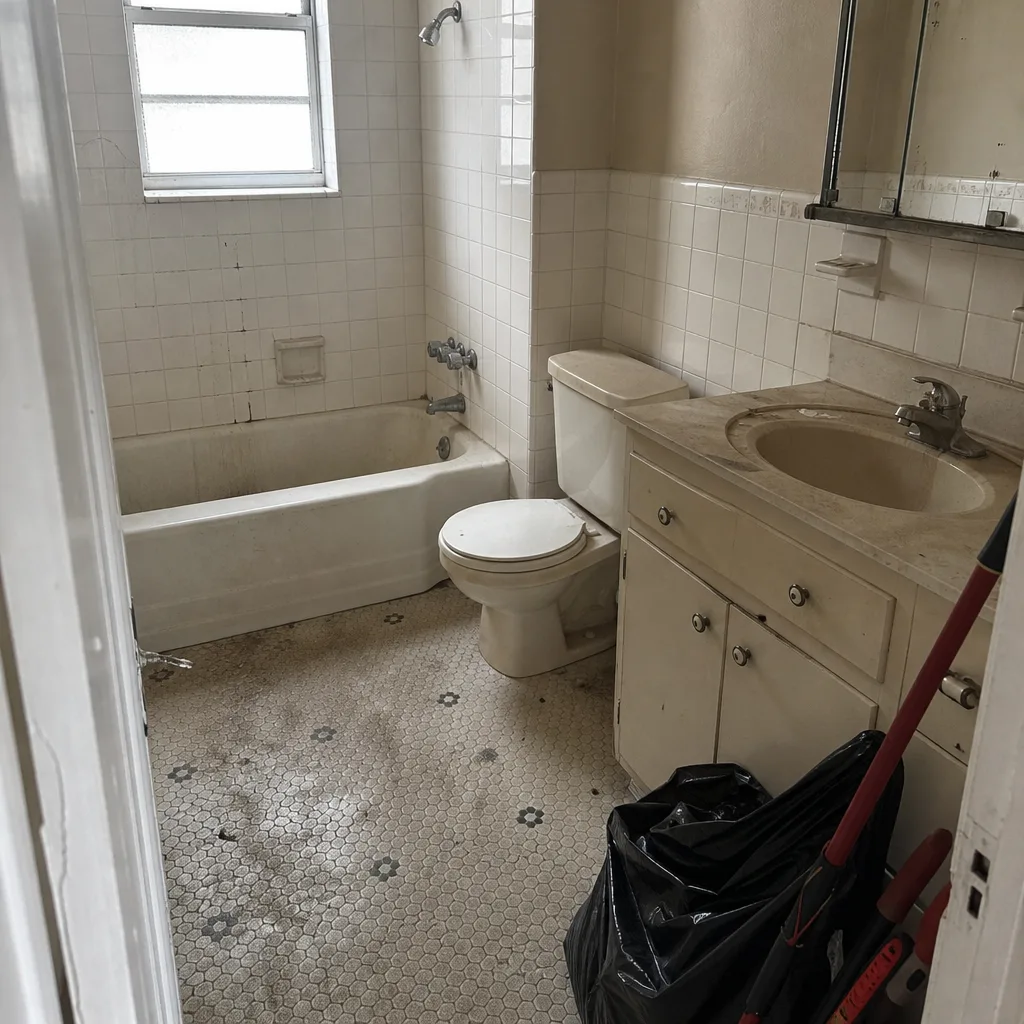 Before
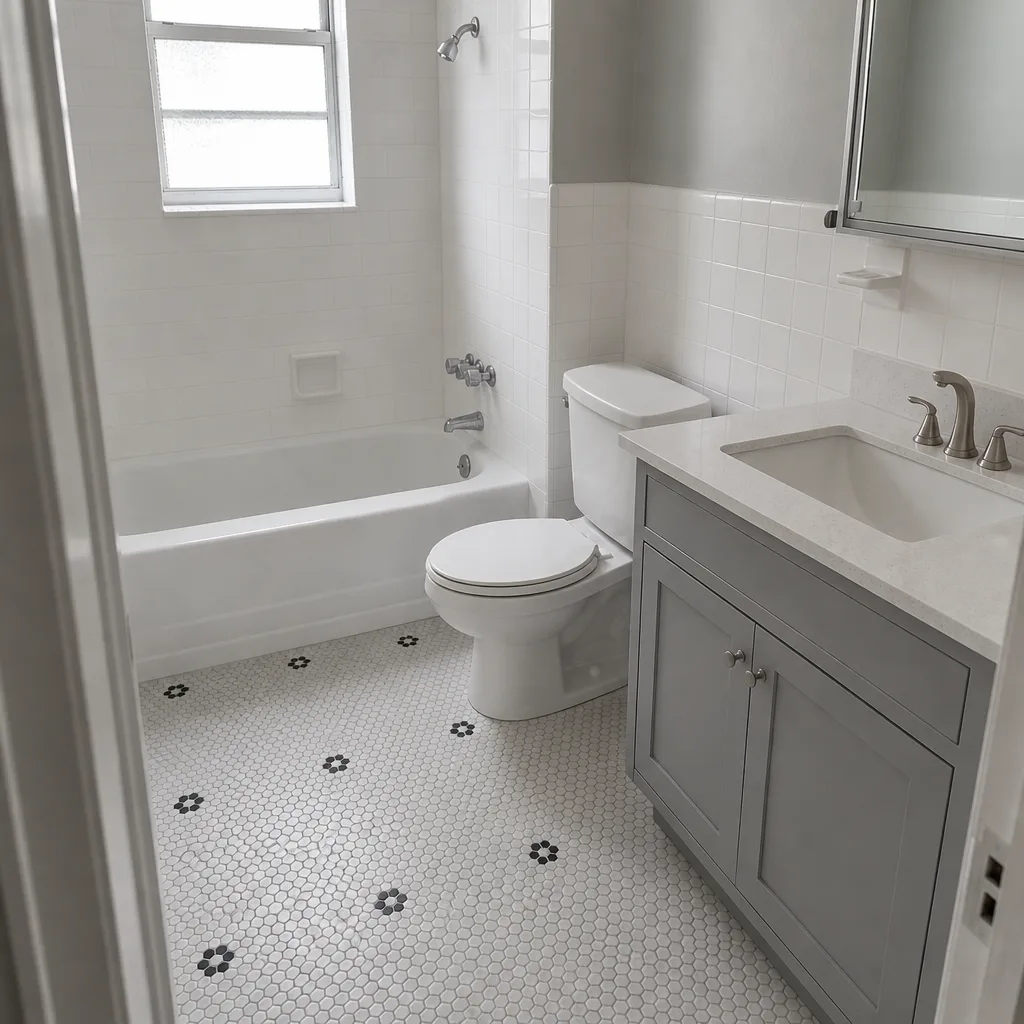 After
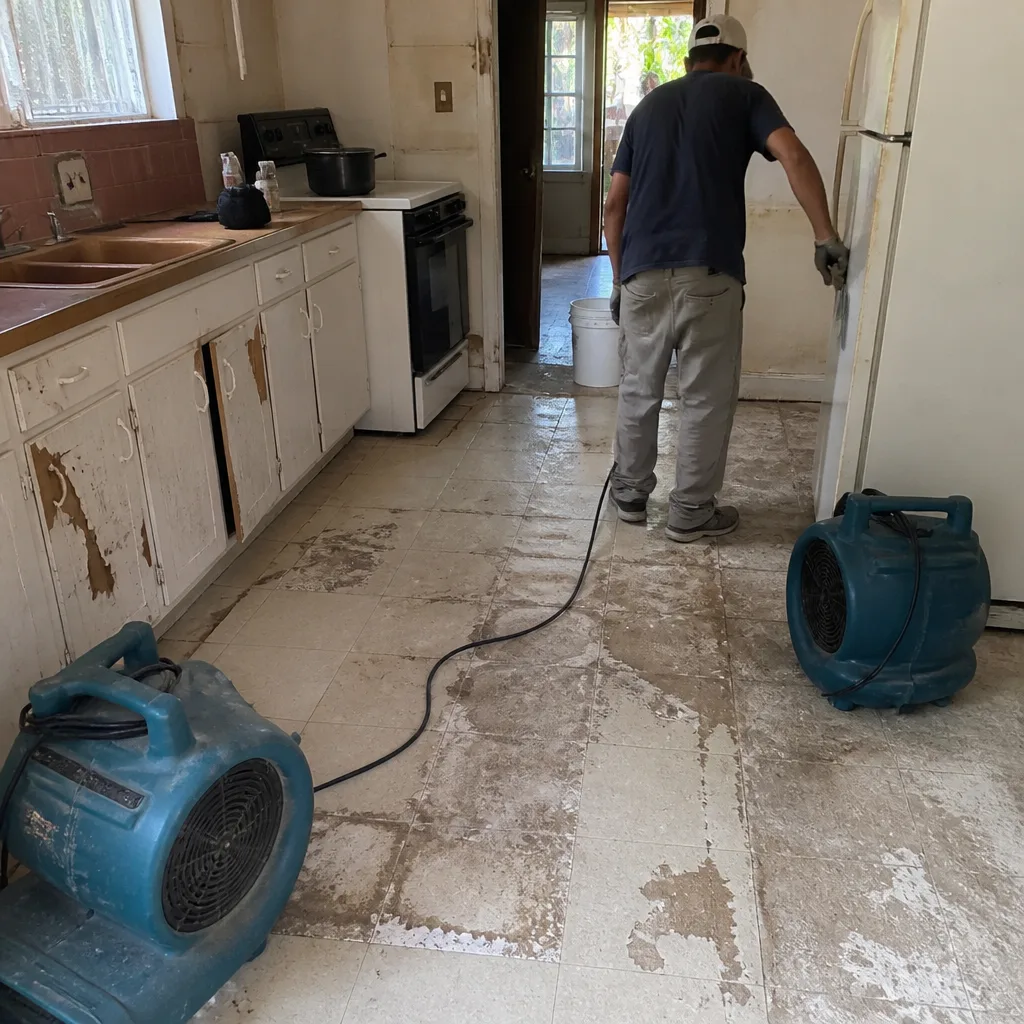 Before
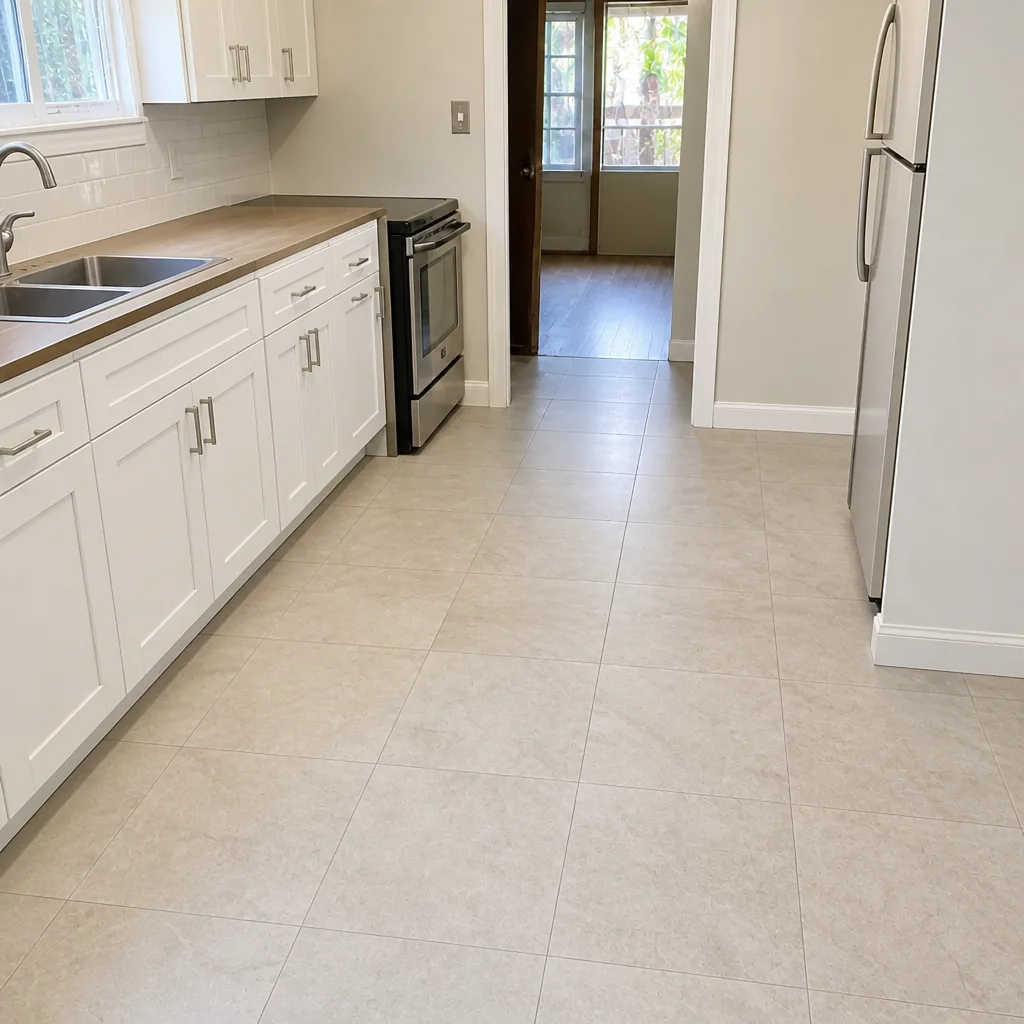 After
Common Mistakes to Avoid
- Buying hardware and fixtures before checking the coastal rating. A standard stainless pull that works inland will pit in Miami Beach. Order from the manufacturer’s coastal-rated line and confirm the finish warranty covers salt-spray exposure.
- Signing a contract before reading the condo alteration agreement. The wet-over-dry restriction can eliminate an island sink entirely. Read the building’s rules before you design the layout.
- Booking the elevator reservation after the appliance delivery. Appliances ship on a fixed schedule. The elevator reservation is what you control, so book it first and confirm the delivery window against it.
- Assuming a verbal estimate is a price. A verbal range that grows at demo day is the most common complaint we hear from homeowners who’ve worked with other contractors. Insist on a written number you can hold us to.
- Skipping the substrate inspection in an older building. Miami Beach buildings from the 1950s through the 1970s often have flooring substrates that need remediation once the tile comes up. Inspect before you order flooring.
- Choosing cementitious grout over epoxy in a humid kitchen. Cementitious grout in a Miami Beach kitchen needs annual sealing and still darkens. Epoxy grout with an integrated sealer is the durable choice.
- Leaving the permit open after the punch list. An open permit complicates a future sale. Get the passed inspection documentation at close-out and verify the permit is closed with the city.
When to Call a Professional
Some kitchen work is genuinely DIY-friendly: painting, replacing a faucet, swapping a light fixture on an existing circuit. But a Miami Beach kitchen remodel that touches plumbing, electrical, structural walls, or the building’s common areas is not a DIY project, and it’s not a handyman project either. Call a licensed general contractor when the scope includes relocating a sink or range, adding a dishwasher or ice maker circuit, moving a wall, replacing cabinets, or anything that requires a City of Miami Beach permit. Call us sooner if the building requires a contractor insurance certificate before work starts, or if the condo board has an alteration agreement you need help interpreting. Penhallow Remodeling Miami Beach offers free estimates in Miami Beach. Call (844) 656-1986 to schedule yours, and you’ll get a written price before any work starts.
Frequently Asked Questions
A cosmetic refresh in Miami Beach typically costs $18,000 to $32,000, a mid-gut runs $48,000 to $78,000, and a full structural remodel runs $85,000 to $140,000 or more. The higher end is common in oceanfront condos where coastal-rated materials and building access add cost. Call (844) 656-1986 for a written estimate specific to your kitchen – estimates are free.
Yes, for any scope that moves plumbing, electrical, or a wall. A cosmetic refresh may only need a finish permit or none at all, but a mid-gut that relocates the sink or adds a circuit requires a plumbing and electrical permit, and a structural remodel requires a full MEP review. The City of Miami Beach permit process differs from unincorporated Miami-Dade, so confirm the scope triggers with the building department or a licensed general contractor before you sign anything.
A cosmetic refresh takes 3 to 5 weeks, a mid-gut takes 8 to 12 weeks, and a full structural remodel takes 12 to 20 weeks. Permit review (3 to 6 weeks) and condo board approval (2 to 6 weeks) run in parallel and add lead time that inland projects don’t face. Call (844) 656-1986 for a timeline specific to your scope.
Specify 316 marine-grade stainless or a powder-coated finish with a salt-spray rating. Standard 304 stainless shows surface corrosion within two to three years in beachfront Miami Beach units. KraftMaid and Wellborn both offer coastal-rated finishes; ask for the manufacturer’s humidity and salt-spray specification in writing before ordering.
Often no. Many Miami Beach buildings enforce a wet-over-dry restriction that forbids placing a wet zone over a bedroom or living area in the unit below. The restriction can rule out an island sink or force a waterproofing membrane and drain pan. Read the building’s alteration agreement before you design the layout.
It shouldn’t. At Penhallow Remodeling Miami Beach, every homeowner receives a written price before any work starts, broken into line items, so the number on day one is the number on the invoice. Change orders require a signed, priced change order before the work proceeds. If the scope genuinely changes (a substrate that needs remediation, a hidden plumbing issue), we price the change in writing before touching it. Call (844) 656-1986 for a free estimate.
The Bottom Line
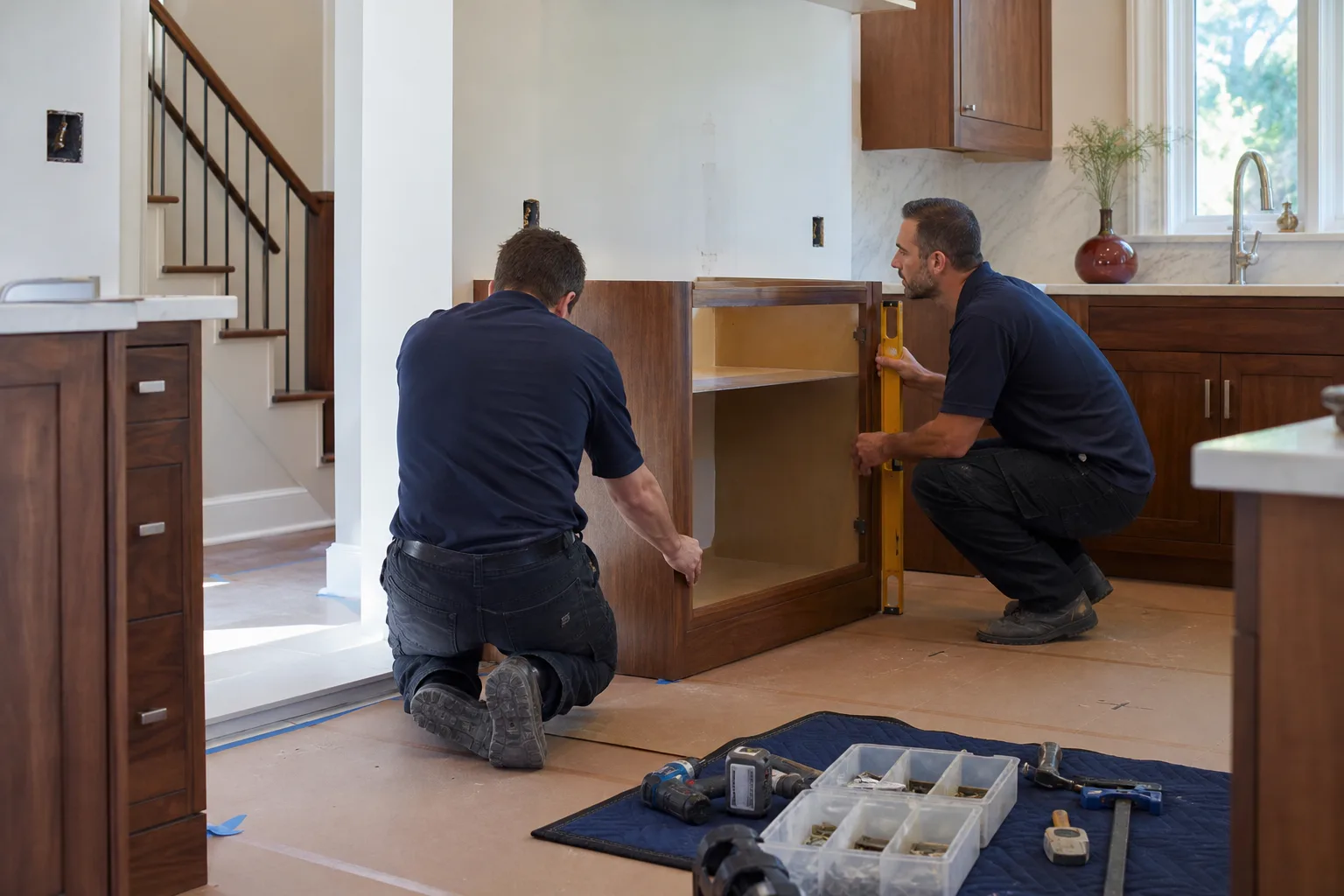
Kitchen remodeling in Miami Beach is a different job than remodeling inland. Salt air reshapes your material choices, the City of Miami Beach permit process adds lead time that unincorporated Miami-Dade doesn’t, and the condo board can decide your work hours and your layout before the city does. Realistic cost tiers run $18,000 to $32,000 for a cosmetic refresh, $48,000 to $78,000 for a mid-gut, and $85,000 to $140,000 or more for a full structural remodel. The single most important thing you can do is get a written scope and a written price before any work starts, a number you can hold your contractor to. Penhallow Remodeling Miami Beach provides free estimates in Miami Beach. Call (844) 656-1986 to schedule yours, and we’ll put the price and the guarantee in writing before a single cabinet is pulled or tile is set. Our technicians have up to 22 years of experience, and every job is backed by the 365-Day Done Right Promise – if it’s not done right, we make it right.
Written by the team at Penhallow Remodeling Miami Beach.