Last updated November 18, 2026


Free written scope consultation - allowances, timeline, and change-order rules on paper before a single trade is scheduled
Construction Cost Breakdown: The Miami Beach Homeowner’s Reference for 2026
Here’s a number that stops people cold: the national average kitchen remodel figure that circulates on home improvement sites buys you roughly 60 cents on the dollar in Miami Beach. By the time you swap in impact-rated glass, absorb City of Miami Beach permit fees, and pay a licensed crew working in a coastal labor market, that budget is gone. Homeowners who budget from national averages come up short on nearly every project we price, and the shortfall is almost never the cabinets. This reference lays out where the money actually goes in 2026, from line-item premiums to permit structures, so the first estimate you open won’t be a surprise.
Quick Answer
Construction costs in Miami Beach in 2026 run roughly 15% to 30% above mainland Miami-Dade for the same scope, driven by High-Velocity Hurricane Zone (HVHZ) product requirements, coastal labor rates, and City of Miami Beach permit fees that are often double what unincorporated Miami-Dade charges. A mid-range kitchen typically lands between $48,000 and $95,000, a full bathroom between $22,000 and $55,000, and a whole-home remodel between $190,000 and $450,000 depending on building age, flood zone, and finish level. The premium isn’t a markup for the sake of one; it’s the cost of building to code in a hurricane zone on a barrier island.
Styles & brands we work with
- Kitchen remodeling
- Bathroom remodeling
- Home additions & ADU
- Roofing
- Windows & doors
- Driveway & pavers
- Fence
Table of Contents
- Why Miami Beach Costs More Than the National Average
- Line-Item Cost Drivers Unique to Miami Beach
- Permit Fees: Miami Beach vs. Unincorporated Miami-Dade
- Labor Rates and the Unlicensed Bid Trap
- Written Price vs. Allowance: Who Carries the Risk
- Budgeting for Pre-1980 Miami Beach Building Stock
- How Much Contingency You Actually Need
- 2026 Project Ranges by Scope
Why Miami Beach Costs More Than the National Average
The gap starts with the code. Miami Beach sits inside the High-Velocity Hurricane Zone, which means windows, doors, roofing, and structural connections must meet Miami-Dade County product approval standards, tested for wind-borne debris and sustained wind loads that inland builders never worry about. An impact-rated window unit that costs $700 in Georgia runs $1,200 to $1,800 here before installation. Same function. Different testing. Different price.
Salt air compounds the premium. Every exterior fastener, hinge, and connection has to be stainless or hot-dipped galvanized, because standard hardware pits and seizes within two years on a barrier island. We specify marine-grade or 316 stainless hardware on exterior work as a matter of course now, and that adds 8% to 15% to exterior millwork and door budgets. You’ll see it in the quote as a line item, not folded into a vague materials number.
Then there’s the labor market itself. A licensed, insured crew with HVHZ product experience is a smaller pool than the mainland, and rates reflect it. Add the permitting overhead and insurance costs every South Florida contractor carries, and the coastal premium becomes structural, not negotiable. Understanding what your General Contractor in Miami Beach actually pays for is the first step to reading a quote honestly.
Line-Item Cost Drivers Unique to Miami Beach
National remodeling guides won’t tell you about half of these. Here are the premiums that show up on almost every Miami Beach project and how much to plan for.
- Impact-rated windows and doors: $1,200 – $1,800 per window unit installed, versus $700 – $1,000 for non-rated equivalents. A whole-home window package on a 1,800-square-foot home runs $18,000 – $32,000.
- Salt-resistant exterior hardware: 8% – 15% premium on exterior millwork, railings, and door hardware. Stainless and marine-grade fasteners are not optional.
- Flood-zone elevation requirements: In AE and VE zones, mechanical equipment, electrical panels, and sometimes finished floor must sit above Base Flood Elevation. Raising an electrical panel can run $2,500 – $6,000; elevating HVAC equipment $1,800 – $4,000.
- HVHZ roofing: $1,100 – $1,650 per square (100 sq ft) for code-compliant tile or metal with the required underlayment and secondary water barrier, versus $600 – $900 nationally.
- Impact-rated garage doors: $2,800 – $6,500 installed, with wind-load-rated tracks and reinforcement.
- Moisture-management systems: Interior tile work in a Miami Beach bathroom should sit on a bonded waterproofing membrane and cement board substrate (the moisture-resistant layer behind your tile), which adds $450 – $1,200 to a standard bathroom but prevents the failure pattern that shows up after two humid summers.
None of these are upsells. Skip them and the work fails inspection or fails in a storm. But you should see each one on a written quote with a number attached, not buried in an “allowance” line.
Permit Fees: Miami Beach vs. Unincorporated Miami-Dade
The same kitchen costs more to permit at one address than another, and homeowners rarely account for it. The City of Miami Beach runs its own building department with its own fee schedule, plan review process, and inspection cadence. Unincorporated Miami-Dade runs a separate one. On a $60,000 kitchen remodel, City of Miami Beach permit fees plus plan review commonly land between $1,800 and $3,200, while the equivalent project in unincorporated county jurisdiction might run $900 to $1,700. On larger additions the gap widens.
The reasons are structural. Miami Beach requires more plan review cycles on coastal-scope work, more frequent inspections, and additional review for anything touching flood-zone compliance or HVHZ product substitution. There’s also a difference in expedited-review cost; rush reviews carry their own line item.
Two local realities to know before you sign a contract:
- Permit fees are the homeowner’s cost, not the contractor’s. Reputable contractors disclose them as a line item or pass them through at cost. If a quote says “permits included” without a number attached, ask for the fee schedule match to your address.
- Historic-district addresses add a layer. Properties in the Miami Beach Architectural District and several other local historic zones require design review before permits issue. That adds 30 to 90 days to a timeline and $400 to $1,200 in review fees, plus the cost of any required design-document changes.
Ask any contractor you hire whether they’ve pulled permits at your specific address before. The learning curve is real, and it lands on your schedule.
Labor Rates and the Unlicensed Bid Trap
Miami Beach contractor rates run $65 to $135 per hour depending on the trade, versus $45 to $90 inland. That’s the number a licensed, insured, HVHZ-experienced crew charges. Unlicensed bids come in 25% to 40% lower because the bidder isn’t carrying general liability insurance, workers’ comp, or the bonding that lets a permit be pulled in the first place.
Here’s what the cheaper bid actually costs you:
- No permit means no inspection. Unpermitted work must be disclosed when you sell and often has to be demolished to be corrected. In Miami Beach, that’s not a small fix.
- No insurance means you’re the insurer. If a worker is injured on an uninsured job, the liability can reach the homeowner.
- No workers’ comp means payroll taxes land in your lap. Unlicensed operators are usually caught on the back end, and the homeowner pays.
- No HVHZ product approval means failed inspection. Miami Beach inspectors reject non-approved impact products routinely, and the removal cost is yours.
The licensed premium isn’t overhead; it’s the difference between a project that closes and one that bounces back. If you’re working with a contractor who can’t produce a license number, insurance certificate, and permit history on request, that’s the entire conversation. Our own technicians have up to 22 years of experience working to code in this market, and we’ll walk you through exactly what your crew is certified for before work starts.
Written Price vs. Allowance: Who Carries the Risk
A material allowance is a placeholder dollar amount in a contract that says “up to X dollars for tile” or “up to X for cabinetry.” If the actual selection comes in higher, the homeowner pays the overage. If it comes in lower, most contracts credit the difference back, but a few don’t. Allowances are the single most common reason a quote balloons after demo day, and they’re legal, standard practice, and entirely avoidable if you know how to read them.
When you see an allowance in a contract, do three things immediately:
- Ask what the allowance buys at current pricing. A $4-per-square-foot tile allowance in 2026 buys builder-grade ceramic. If the vision in your head is $12-per-square-foot porcelain, that gap is your risk.
- Get the model numbers, not the categories. “KraftMaid cabinetry” is a category. “KraftMaid in the Fairmont door, Maple, in the Heather finish, matte” is a model. The second is what protects you.
- Convert allowances to fixed prices before signing. Choose the actual products during the estimate phase, have them priced, and write them in as fixed numbers with brand and model attached. A written price on a specific product is the only number you can hold a contractor to.
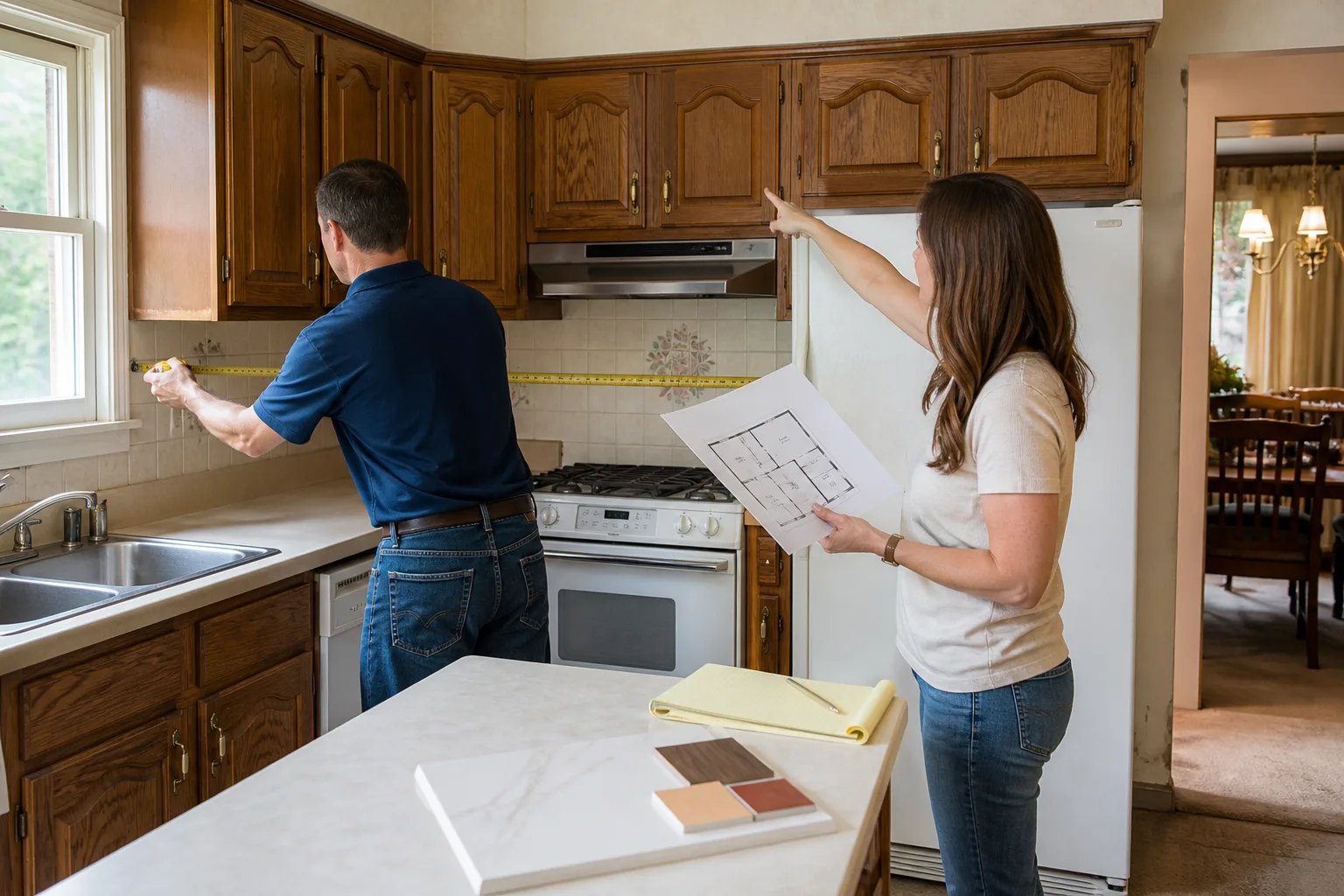
The Kingswell standard, and the way we price every project at Penhallow Remodeling, is that you see a written number before any work starts. Not a range. Not a ballpark. Not a line that says “TBD after selection.” If a quote relies on allowances to be competitive, it’s competitive on paper only. That risk lives with you until you convert it.
Budgeting for Pre-1980 Miami Beach Building Stock
Roughly 70% of Miami Beach’s residential building stock went up before 1980, and that fact reshapes every remodel budget. A pre-1980 concrete building is a beautiful thing structurally, but inside the walls you’ll find original plumbing, sometimes knob-and-tube wiring, and cast-iron drain lines that have been quietly corroding for 40 years. National guides assume drywall-and-2×4 construction. That assumption will not survive a demo day in South Beach or North Beach.
Here’s the surprise-premium list we plan for on older Miami Beach projects:
- Knob-and-tube wiring replacement: $4,500 – $12,000 for a typical 1,400 – 2,000 square-foot home once the walls are open. The wiring isn’t inherently dangerous, but it can’t carry modern loads and won’t pass inspection.
- Cast-iron drain replacement: $3,500 – $9,000 depending on stack access. Corroded lines fail under a new bathroom, so they come out while the walls are open.
- Original galvanized supply lines: $2,800 – $7,500 for a full re-pipe. If the water pressure at the shower head was weak before, it won’t improve after tile goes in.
- Concrete spalling around windows: $1,200 – $4,500 per affected opening. Salt air degrades embedded steel; the repair has to happen before new windows go in.
- Asbestos-containing materials: $1,800 – $6,500 for abatement on pre-1980 tile mastic, ceiling texture, or pipe insulation. Testing runs $350 – $800 and is worth doing before demo starts.
- Roof-to-wall connections on older flat roofs: $2,500 – $7,000 when the existing strap pattern doesn’t meet current wind-load requirements.
Set a contingency specifically for older-stock surprises. The cost of opening walls on a 1962 building in Mid-Beach is not the cost of opening walls on a 2008 building in Edgewater, and the estimate should reflect that before demo, not after.
How Much Contingency You Actually Need
The most common mistake we see on a Kitchen Remodeling in Miami Beach project is a budget with zero room on the edges. Here’s the contingency guidance we give every homeowner before they start pricing selections.
- Post-2000 construction, drawn plans, no surprises expected: 10% contingency.
- 1980s – 1990s construction, partial unknowns: 15% contingency.
- Pre-1980 concrete building, first major remodel: 20% – 25% contingency, and that number is real, not padding.
- Historic-district property or flood-zone elevation work: 25% contingency plus a schedule buffer of 45 – 90 days.
- Anything where a wall opens into unknown plumbing or wiring: hold another $8,000 – $15,000 in reserve until demo is complete.
Contingency that’s not used goes back in your pocket. Contingency that’s not there when you need it becomes a change order, and change orders carry their own price premium because they disrupt the schedule for every trade on the job.
2026 Project Ranges by Scope
Here are the ranges we see across Miami Beach projects in 2026, assuming code-compliant materials, licensed labor, and pulled permits. Add 10% – 15% for flood-zone elevation work and add $15,000 – $30,000 for whole-home impact window and door replacement if that’s part of the scope.
- Bathroom, full gut remodel: $22,000 – $55,000 (a Bathroom Remodeling in Miami Beach project sits at the higher end when pre-1980 plumbing is found inside the walls).
- Kitchen remodel, mid-range: $48,000 – $95,000.
- Kitchen remodel, high-end: $95,000 – $180,000.
- Whole-home remodel, 1,500 – 2,500 sq ft: $190,000 – $450,000.
- Addition (per square foot): $310 – $520 per square foot, HVHZ-compliant.
- Roof replacement, tile: $38,000 – $78,000 depending on square footage and deck condition.
- Whole-home impact windows and doors: $18,000 – $48,000.
Product selection moves these numbers more than any other single variable. Cambria quartz carries a lifetime warranty alongside ours and runs $75 – $125 per square foot installed; a porcelain tile countertop alternative starts at $35 – $55 per square foot installed. We install Schluter waterproofing systems on every tile shower and Toto fixtures on most of the bathrooms we spec because both reduce the failure risk inside the guarantee period.
Common Mistakes to Avoid
- Budgeting from national averages. The 60-cents-on-the-dollar gap is the single most expensive miscalculation we see. Pull Miami Beach-specific numbers before you build a budget.
- Accepting an allowance instead of a fixed price. A quote with three allowances is not a quote; it’s a guess with a footer. Convert every allowance to a fixed price before signing.
- Skipping permit verification on the contractor. Ask for the license number and pull the contractor’s permit history through the City of Miami Beach. If they can’t produce it, that answers the question.
- Assuming flood-zone elevation is a small line item. Raising electrical and HVAC equipment in an AE zone adds $4,000 – $10,000 before any design work happens, and it can’t be deferred.
- Using a general handyman for HVHZ-scope work. Impact windows, roofing, and structural connections all require Miami-Dade product approval. A non-approved product fails final inspection and the removal cost is yours.
- Not testing for asbestos before demo on a pre-1980 home. $350 – $800 in testing buys certainty. Skipping it turns a demo day into a stop-work order and a $5,000-plus abatement bill.
- Choosing a contractor who answers the phone only sometimes. Live phone coverage 24/7 by a real person is not a marketing detail; it’s the difference between a mid-project question getting answered the same day and getting answered next week.
See the difference
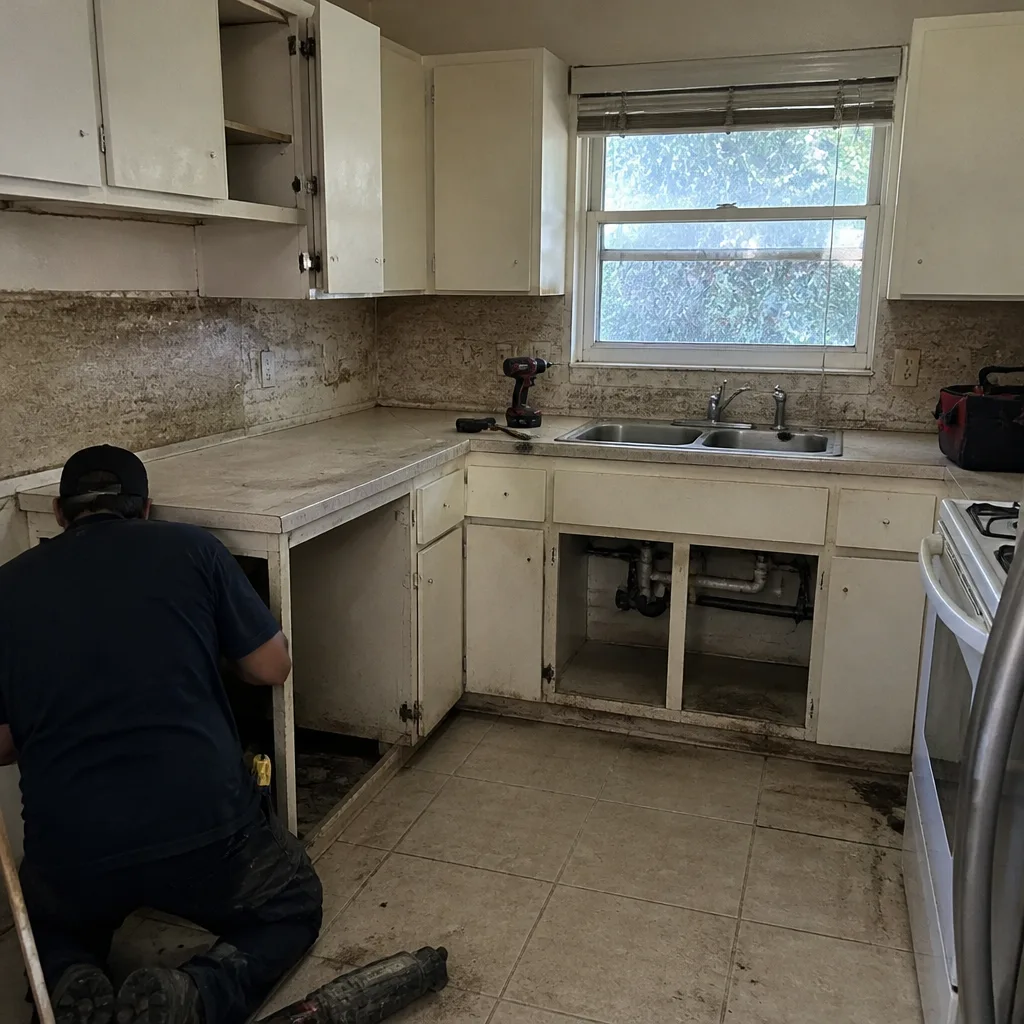 Before
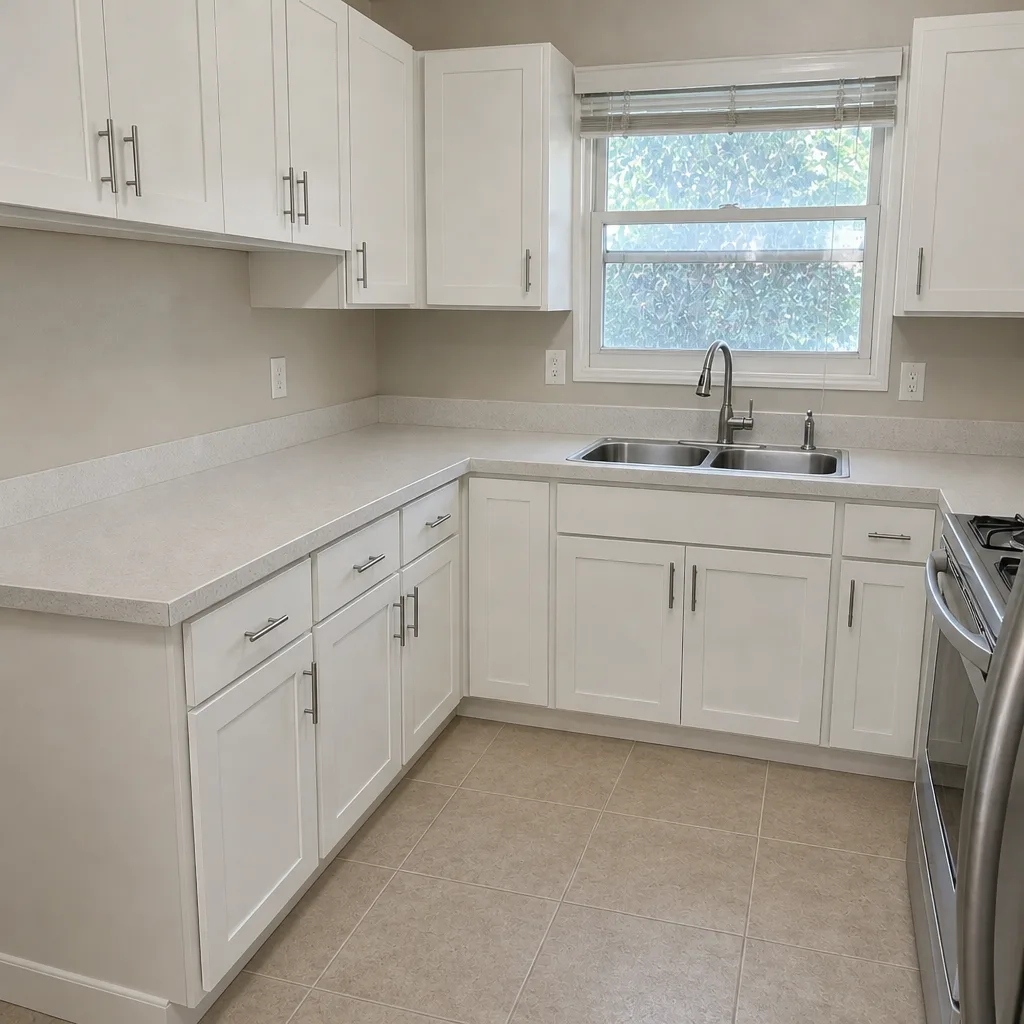 After
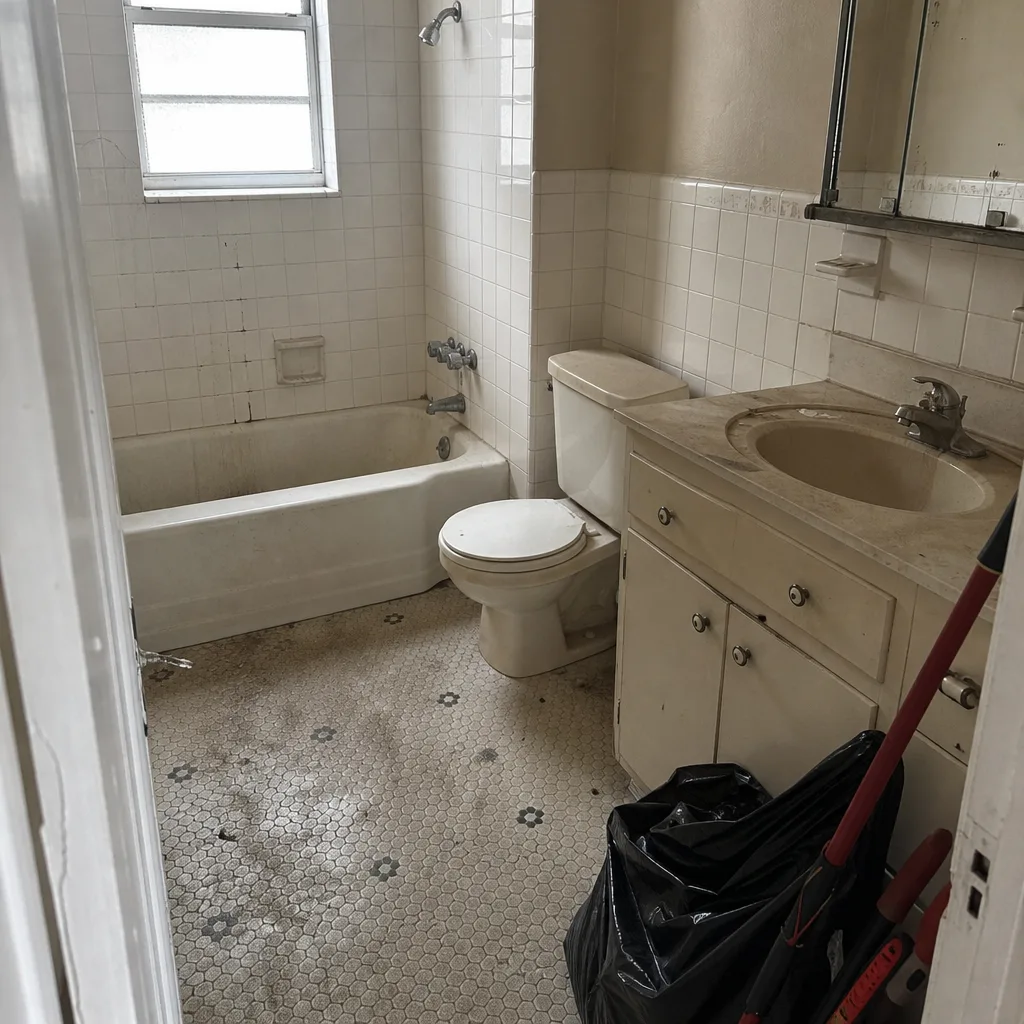 Before
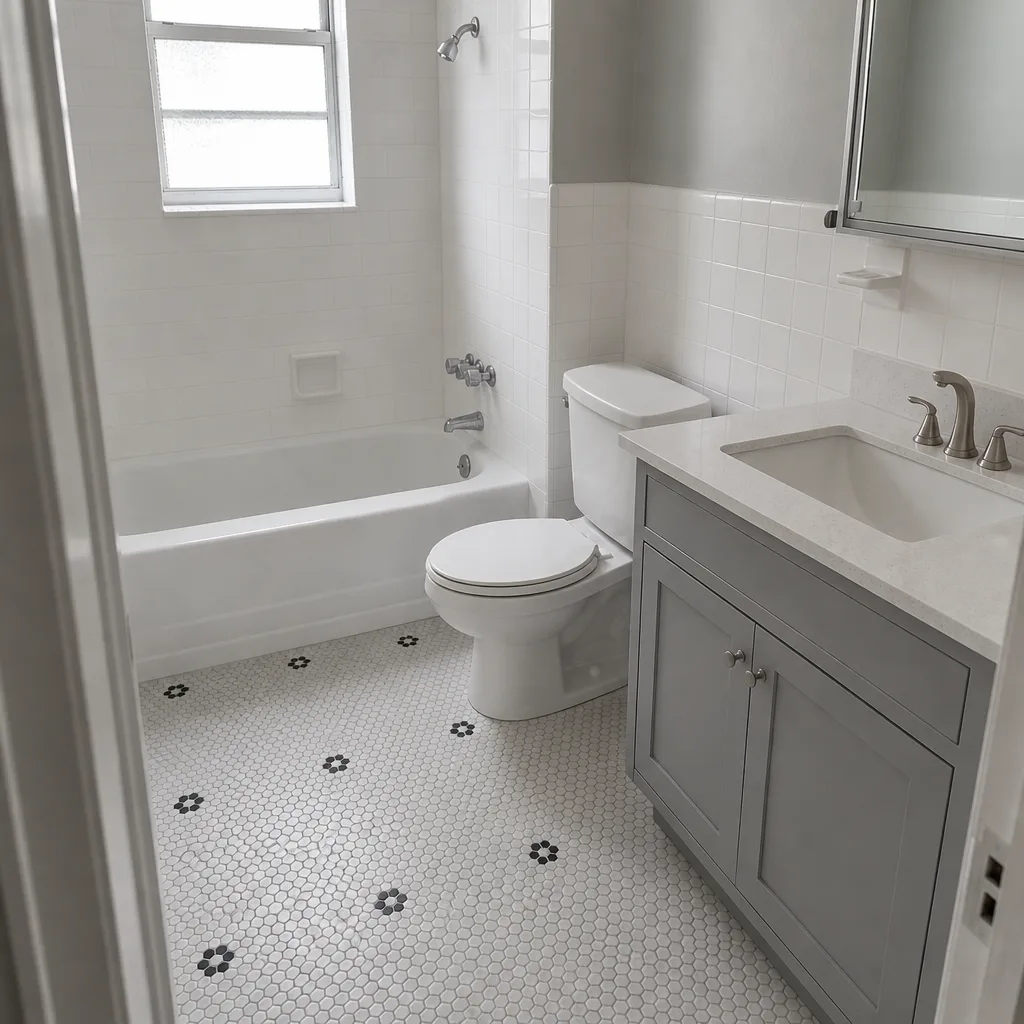 After
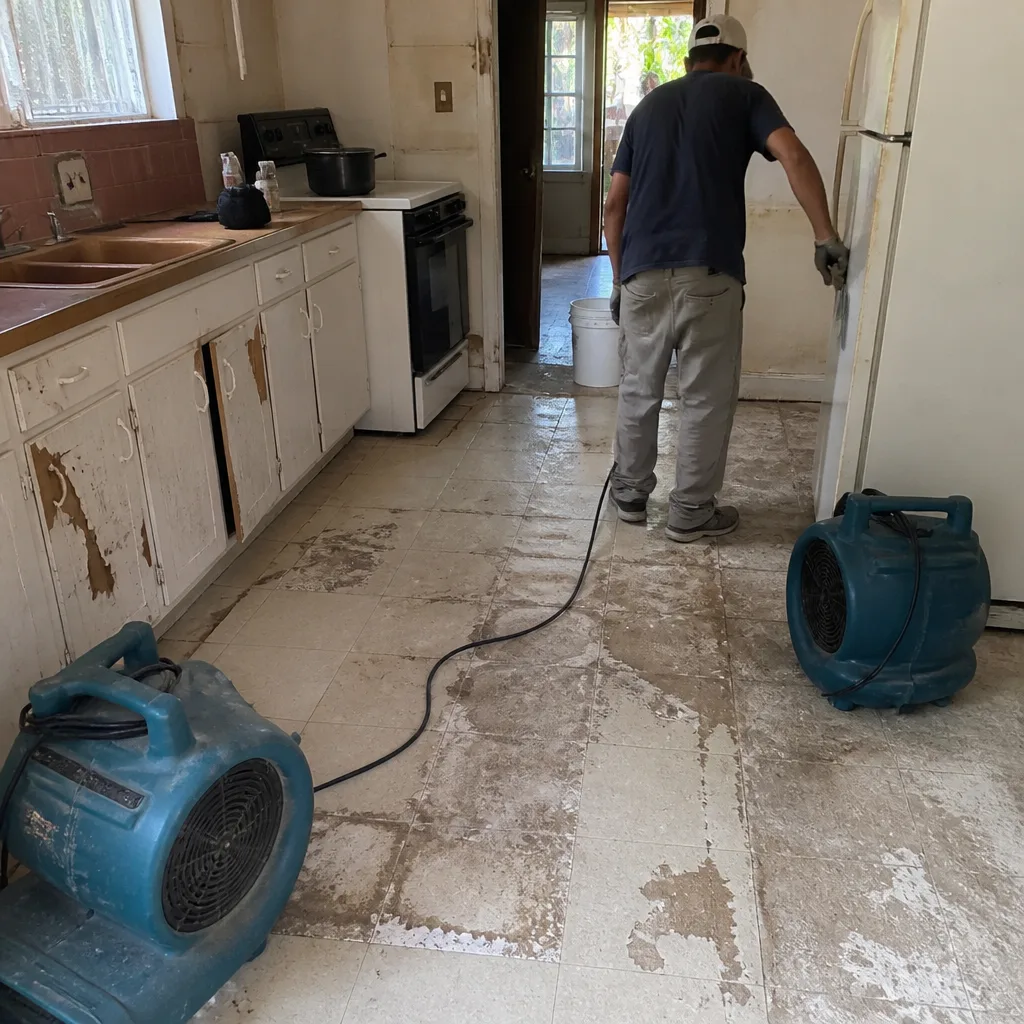 Before
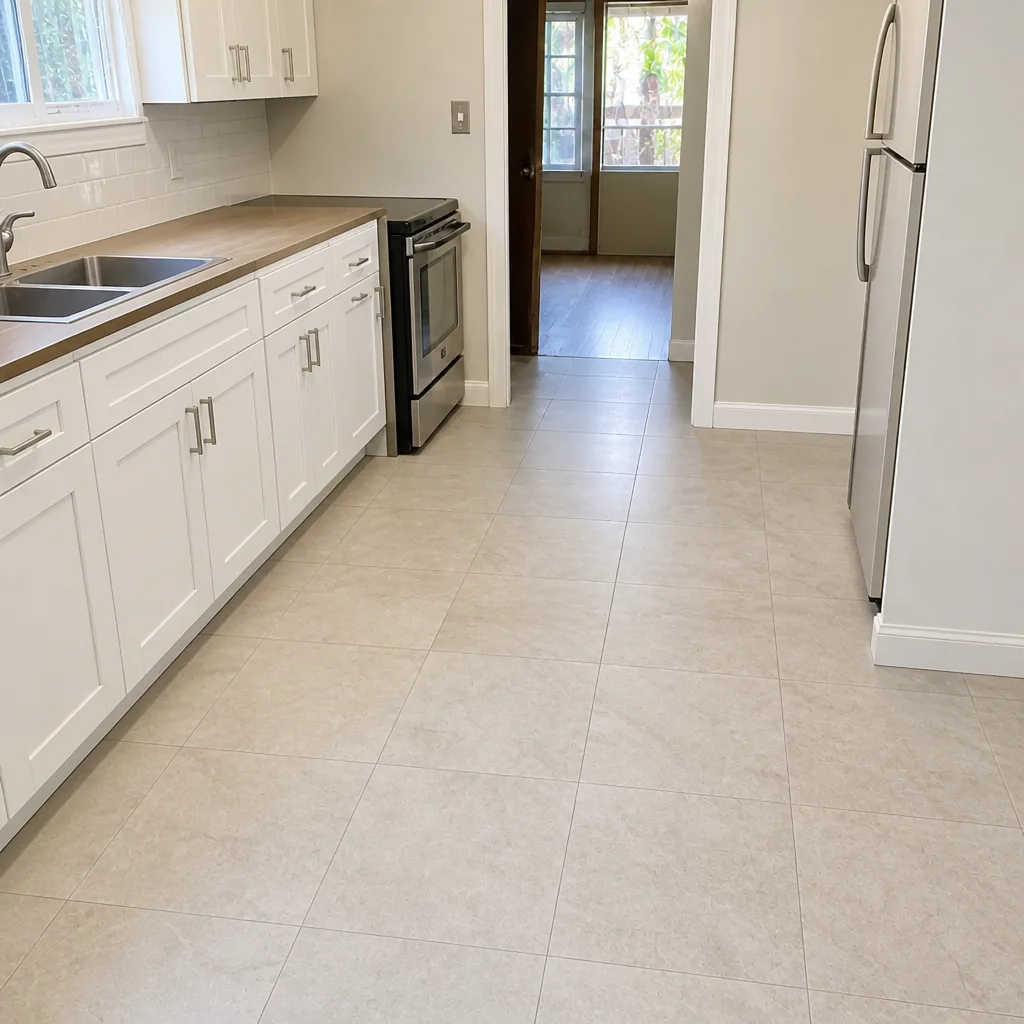 After
When to Call a Professional
Some of this guide is informational and some of it is a warning. Anything involving HVHZ-scope exterior work, flood-zone elevation, structural changes on a pre-1980 concrete building, or opening walls without knowing what’s inside is a call-a-professional situation, not a weekend project. The cost of a mistake in those categories is measured in tens of thousands, not hundreds. The same goes for anything that requires a permit that a homeowner can’t legally pull. If your project touches electrical panels, gas lines, or window and door replacement in the HVHZ, get a licensed contractor involved before you buy materials. Penhallow Remodeling Miami Beach offers free estimates in Miami Beach – call (844) 656-1986 to schedule one and get a written price before any work starts.
Frequently Asked Questions

A mid-range kitchen remodel in Miami Beach runs $48,000 – $95,000 in 2026, and high-end projects land between $95,000 and $180,000. The premium over national averages comes from HVHZ-compliant materials, City of Miami Beach permit fees, and coastal labor rates; it isn’t a markup. Call (844) 656-1986 for a written quote tailored to your address – estimates are free.
Three reasons: the High-Velocity Hurricane Zone requires tested, code-approved products at 40% – 70% higher material cost; the City of Miami Beach runs its own permit department with fees often double unincorporated Miami-Dade; and the licensed, HVHZ-experienced labor pool is smaller than the mainland. The combined coastal premium runs 15% – 30% over mainland Miami-Dade for the same scope.
It shouldn’t. If you sign a written price with fixed numbers for materials and labor, the only changes permitted should be documented change orders you approve before work resumes. Allowances are the loophole that lets a quote grow after demo day. Convert every allowance to a fixed price before signing, and a written price holds. Call (844) 656-1986 for a written, fixed quote on your project.
Yes. Every permitted project we take on has the permit pulled in the homeowner’s name with the contractor listed, and the fee schedule matched to your specific address because Miami Beach and unincorporated Miami-Dade charge differently. Permit fees are disclosed as a line item. Projects in the Miami Beach Architectural District also go through design review before permits issue, and we plan that timeline in advance.
A mid-range kitchen typically runs 10 – 16 weeks from permit approval, and a pre-1980 building with unknown plumbing or wiring inside the walls runs 14 – 22 weeks. Design and permitting add 4 – 8 weeks before construction starts, and historic-district projects add 45 – 90 days for design review. Call (844) 656-1986 to get a schedule specific to your address – estimates are free.
Three things that show up on nearly every project: HVHZ product requirements for windows, doors, and roofing; flood-zone elevation requirements for mechanical and electrical equipment in AE and VE zones; and pre-1980 building stock with original plumbing, wiring, and drain lines inside the walls. A contractor without Miami Beach-specific experience will price all three incorrectly. The right contractor prices them correctly on the first estimate.
The Bottom Line
Construction costs in Miami Beach carry a real coastal premium, 15% to 30% over mainland Miami-Dade, and the gap is bigger on older buildings where unknown conditions live inside the walls. The numbers in this guide are wide enough to be honest and tight enough to be useful. Budget from them, not from national averages. Convert allowances to fixed prices before signing. Plan a 20% – 25% contingency on pre-1980 stock. And choose a contractor who shows you a written number and stands behind it, because the difference between a project that closes on budget and one that doesn’t usually comes down to what was on paper before demo started. Our team at Penhallow Remodeling Miami Beach home prices every project that way.
Ready to price yours? Call (844) 656-1986 for a free estimate. You’ll get a written number before any work starts, background-checked and uniformed technicians on every job, and a 365-Day Done Right Promise that covers the work long after the crew leaves. Whether your project is a full kitchen, a bathroom, or an entire home, we put the number in writing first.
Written by the team at Penhallow Remodeling Miami Beach.