Last updated November 18, 2026





Free written scope consultation - allowances, timeline, and change-order rules on paper before a single trade is scheduled
Construction Permits, Codes & Inspections in FL: What You Need to Know
Here’s a thing most homeowners learn too late: a finished, uninspected addition in Miami Beach isn’t just a code violation. It’s an uninsurable structure. It can stall a sale years after the last tile was set, and the liability often stays with the original homeowner even after the keys change hands. A permit is not paperwork the city makes you buy. It’s the legal and financial shield between you and a renovation that an insurance adjuster or a future buyer can void with a single phone call. This guide covers how Florida’s permit system actually works, why Miami Beach is a three-layer puzzle, and what to check before you sign anything.
Quick Answer
In Florida, most structural, electrical, plumbing, and mechanical work requires a permit pulled through your local building department, and the work must pass inspection before it’s legal to close up walls or occupy the space. In Miami Beach specifically, three layers of rules apply at once: the Florida Building Code, Miami-Dade County’s stricter amendments (especially for wind and impact products), and the City of Miami Beach’s own local requirements. When they conflict, the most restrictive one controls.
Styles & brands we work with
- Kitchen remodeling
- Bathroom remodeling
- Home additions & ADU
- Roofing
- Windows & doors
- Driveway & pavers
- Fence
Table of Contents
- The three-layer permit reality in Florida
- What needs a permit in Miami Beach (and what doesn’t)
- Miami-Dade product approval: why a product legal elsewhere can fail here
- How to check permit history before you buy or renovate
- Who pulls the permit: the contractor’s job and your recourse
- What the inspection process actually looks like
- What an open or failed inspection means for your timeline
- What permits and inspections cost in Miami Beach
The three-layer permit reality in Florida
Most places in the country have one building code. Florida hands you three tiers, and in a coastal city like Miami Beach they all apply at the same time.
- Layer 1: The Florida Building Code (FBC). The statewide baseline, updated on a three-year cycle. This is what makes Florida’s code different from most states: wind resistance, flood resistance, and product testing are baked into the foundation.
- Layer 2: Miami-Dade County amendments. The county has historically adopted stricter local amendments than the state minimum, particularly for high-velocity hurricane zones (HVHZ). Miami-Dade is one of those zones, and the testing and product-approval requirements reflect it.
- Layer 3: City of Miami Beach requirements. Local zoning, floodplain rules, historic district review, and neighborhood-specific setbacks layer on top. Miami Beach code also governs things like flood elevation for additions and fencing visibility for pools and front yards.
When the three conflict, the most restrictive controls. A window that meets the state minimum but fails Miami-Dade’s product approval isn’t installable here. A fence that’s fine county-wide but blocks a sightline in a Miami Beach front yard may still get bounced at plan review. We’ve lost count of the plan revisions we’ve submitted because a homeowner’s first set of drawings was drawn to the state code alone, without accounting for the county and city overlays on top.
If you’re planning a build through a licensed contractor, the code stack is their job to untangle. Our General Contractor in Miami Beach service exists specifically to walk homeowners through all three layers before a single wall gets framed.
What needs a permit in Miami Beach (and what doesn’t)
Most homeowners assume the exemption list is longer than it is. It isn’t. Here’s the honest split.
Permits typically required
- Any wall move or removal, including interior non-load-bearing walls if the wall contains wiring or plumbing
- Windows and doors, especially in a HVHZ zone (impact product rules apply)
- Roofing and reroofing (product approval and wind-mitigation details apply)
- Electrical, plumbing, mechanical, and gas work at any scale beyond fixture swap
- Any addition, enclosure, or change to the footprint
- Decks, fences over a certain height, pools, and pool safety barriers
- Water heaters (like-for-like replacements often still require a permit)
- Kitchen and bathroom remodels that touch plumbing, electrical, or structural elements
Usually exempt (but verify first)
Painting, tiling over an existing floor on the same plane, replacing a faucet, and swapping cabinet doors in a way that doesn’t alter plumbing or electric are commonly exempt. Small drywall patches are typically fine. That said, Miami Beach’s permit exemption list is narrower than most homeowners expect, especially near the historic districts and flood zones. And “usually exempt” is doing heavy lifting in that sentence: a 4-inch kitchen cabinet change is fine, a full cabinet relocation is not.
The practical answer we give Miami Beach homeowners: assume a permit is needed until a licensed contractor confirms it isn’t. A 15-minute call is much cheaper than a stop-work order mid-project.
Miami-Dade product approval: why a product legal elsewhere can fail here
Here’s where a lot of out-of-state contractors get tripped up, and the homeowner pays for it. Miami-Dade County maintains its own product approval system (sometimes called the NOA, or Notice of Acceptance), separate from the state and separate from most other Florida counties. A window, door, or roofing product that meets the Florida Building Code in Tampa may still fail local product approval in Miami-Dade.
That matters for Miami Beach because so much of the housing stock is in a high-wind zone. Impact windows are one of the most common places this hits:
- Your contractor specifies a window brand and model.
- The plan reviewer checks the product against the current Miami-Dade approval list.
- If the model is not on the approved list, or the approval is expired, the permit gets rejected, and the whole window order has to be re-specified.
We build this into the specification stage: we confirm the product’s Miami-Dade approval before we finalize the purchase order. We use products like James Hardie siding on the exterior envelope because their wind-rated systems carry the testing documentation Miami Beach plan reviewers expect, and Therm-Tru entry doors wherever the project calls for a new front door.
For pre-2002 homes in Miami Beach, this approval check also applies to hurricane straps, shutters, and garage doors if you’re touching the envelope. If your project is entirely interior (bathroom remodel with a new vanity, say), you sidestep most of this. If you’re adding an exterior door or an addition, the product approval step is where timelines stall. Our Bathroom Remodeling in Miami Beach page covers the interior-only case.
How to check permit history before you buy or renovate
Before you sign a purchase contract in Miami Beach, pull the property’s permit history. This is the single cheapest thing you can do to avoid buying someone else’s problem.
- Start at the City of Miami Beach Building Department. They have an online permit search. You can look up a property address and see every permit pulled, its status, and any inspection results.
- Cross-check with Miami-Dade County’s records. Some work that touches the county (roofing in some cases, septic, right-of-way) lives in county records, not city records.
- Look for “OPEN” status. An open permit means the work was either never finished, never inspected, or the file was abandoned. All three are your problem now.
- Look for a failed inspection. One failed inspection can be re-inspected and cleared. A pattern of failures or an unpermitted addition behind a failed inspection is a red flag.
- Ask for the final inspection record. A permit that never received a final inspection got closed by the building department’s administrative process, not because the work passed. You need the sign-off document.
What an open or failed inspection does to your project timeline: it pulls the whole scope into a legal gray area the building department won’t let you ignore. Before you can get a new permit for a fresh scope, you often have to resolve (and sometimes expose) the older unpermitted work. In our experience, roughly half the older Miami Beach homes in the Flamingo Park and Sunset Harbour areas have at least one open or closed-without-final permit in their history. Budget two to eight weeks into your project for resolving that, and don’t let a seller tell you “it cleared” without the paper to prove it.
Who pulls the permit: the contractor’s job and your recourse
This is the single most avoidable mistake in home renovation. A homeowner who pulls their own permit to save $200-$500 in permit-fee markup often ends up voiding their own workmanship recourse.
Here’s why. The permit and the warranty are legally linked to the person on the permit. When your contractor pulls the permit:
- The contractor is the “qualifier” on the record, and their license is on the line if the work fails inspection.
- You have legal recourse against their license, their bond, and their insurance if the work is defective.
- Any warranty the contractor offers is enforceable.
When you pull the permit yourself as an “owner-builder”:
- You become the legally responsible party for the scope on the permit.
- The contractor is technically working under your permit as a subcontractor, sometimes without the licensing relationship that guarantees their work.
- Your workmanship warranty from the contractor can be legally weaker or unenforceable because the contractor can argue the work was governed by your permit, not their contract.
The cost of pulling a permit yourself is not the permit fee. It’s the recourse you’re giving up. Our position is simple: a licensed contractor should pull every permit for work inside the scope they’re performing.
On every Penhallow project, the written price we hand you covers the permit-pulling step and the inspection coordination, and the 365-Day Done Right Promise rides on top of the permit file. That’s what makes the promise hold up. If you’re comparing contractors, ask which name goes on the permit for each phase of your job. If you’re looking at a full Kitchen Remodeling in Miami Beach, that’s a permit conversation with electrical, plumbing, and sometimes structural components, not just a cabinet swap.
What the inspection process actually looks like
Most homeowners have never seen an inspection, and the whole process feels opaque until it’s happening to them. Here’s the honest sequence for a typical Miami Beach remodel.
- Rough-in inspection. Before the walls close up, the inspector verifies framing, electrical, plumbing, and HVAC are correctly installed and code-compliant. You’ll fail this inspection if a subcontractor took a shortcut.
- Insulation and energy code inspection. Miami Beach requires energy code compliance on remodels that change the envelope. Insulation thickness, window specifications, and air sealing are checked.
- Drywall and finish inspection. Sometimes combined with the rough-in, sometimes separate.
- Final inspection. Everything from electrical to plumbing to the finished work gets one last walkthrough. A final inspection failure is rare, but not impossible.
Each inspection is scheduled in a window. If it fails, you fix the issue and reschedule, sometimes days or a week out depending on the city’s inspection load. In Miami Beach, that load is highest in the fall and spring, when renovation season coincides with snowbird occupancy changes. Build 5-10 business days of float into your project schedule for the inspection sequence alone.
The most common inspection failure we see in Miami Beach is not a defect. It’s documentation. The subcontractor did the work correctly but didn’t leave the permit card on site, or didn’t match the product approval document to the installed model. That’s a paperwork failure, and it costs a re-inspection fee and a week of schedule.
What an open or failed inspection means for your timeline
If you’re buying a Miami Beach property and the permit history shows an open inspection, do not close until it’s resolved. The building department will not issue a new permit for anything touching that scope until the old one is closed, and the scope you’re planning may have to be built around the older unpermitted condition.
If you’re already the owner and you’ve discovered an open permit from a prior owner’s work, you have three paths:
- Resolve and close it. The right path. Sometimes it means exposing the work, having an inspector look, and getting a final sign-off. Sometimes it means the work qualifies for an “as-built” inspection.
- Demo and re-permit. The expensive path. If the prior work can’t be verified, you may need to remove it and redo it under a new permit.
- Wait. The wrong path. Open permits do not resolve themselves. They follow the property forever.
For a buyer, an open permit is a negotiating lever. Estimate the cost of resolving it (typically $1,500-$6,000 depending on scope), and either bring it into the purchase price or walk away. For a current owner, resolve it before you list. Buyers are checking now in a way they weren’t ten years ago.
What permits and inspections cost in Miami Beach
Permit costs are set by the building department and scale with project valuation. Here’s what we see on typical Miami Beach residential projects:
- Minor electrical or plumbing permit: $150-$400, depending on scope
- Bathroom remodel permit (full scope): $450-$1,200, plus plan review if required
- Kitchen remodel permit (full scope): $600-$1,800
- Window and door replacement (whole house): $900-$2,500, plus product approval verification
- Roofing permit: $500-$1,500
- Addition (per square foot): $2-$6 per square foot, sometimes higher for historic districts
- Re-inspection fee: typically $60-$150 per occurrence
What drives the number up: historic district review (Miami Beach has several), flood zone elevation reviews, product approval documentation, and the review time. What keeps it lower: a well-prepared permit package with all product approvals attached and a contractor who’s submitted to this department before.
At Penhallow, permit costs are itemized in the written price you receive before work starts. No change orders on the permit line. If you want the full-remodel picture including how the code stack fits into a real price, our Penhallow Remodeling Miami Beach home page walks through the whole scope.
Common Mistakes to Avoid
- Pulling your own permit to “save” a few hundred dollars. You also void your primary workmanship recourse against the contractor when the work fails later. The savings are real; the exposure is much bigger.
- Trusting the seller’s word that “the addition was permitted.” Search the City of Miami Beach and Miami-Dade County permit records yourself. Ten minutes will tell you more than any disclosure form.
- Skipping the Miami-Dade product approval check. A window brand that’s on the state list may not be on the county’s. Verify before you order. Clients who discover this after delivery have lost $5,000+ in non-returnable window orders.
- Assuming the county and city will agree. They don’t always. The most restrictive rule wins. Plan for the longest review, not the shortest.
- Closing walls before the rough-in inspection. A subcontractor who “schedules it for later” while the drywall goes up creates a permit violation that has to be solved by cutting back into finished work. We schedule inspections on the calendar before the drywall order is placed.
- Not budgeting for inspection scheduling time. Miami Beach inspection slots fill up. A 5-10 business day float is normal, and a project that doesn’t account for it slips a week or more in the schedule.
- Treating the permit as a one-time cost. Re-inspection fees, product approval revisions, and plan review time all add up. A permit pulled without a complete package costs more than one pulled correctly.
See the difference
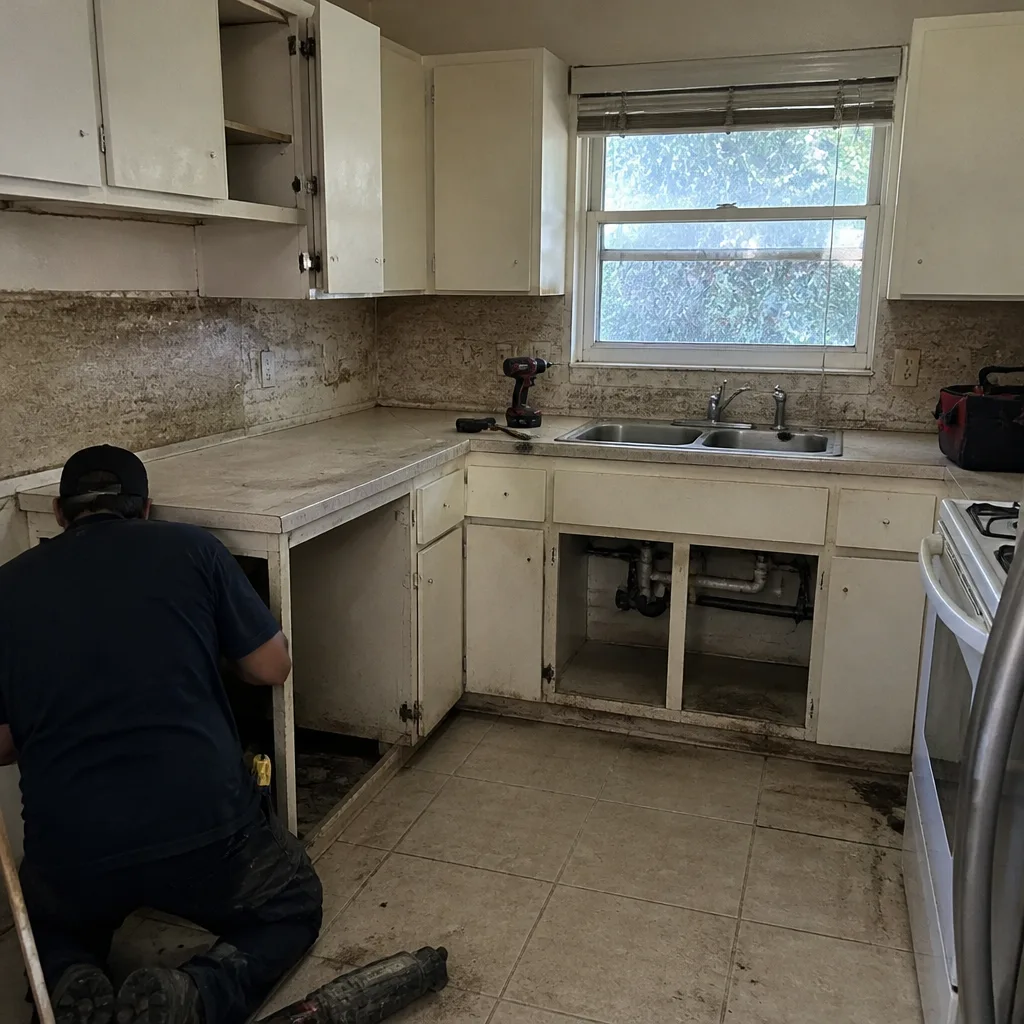 Before
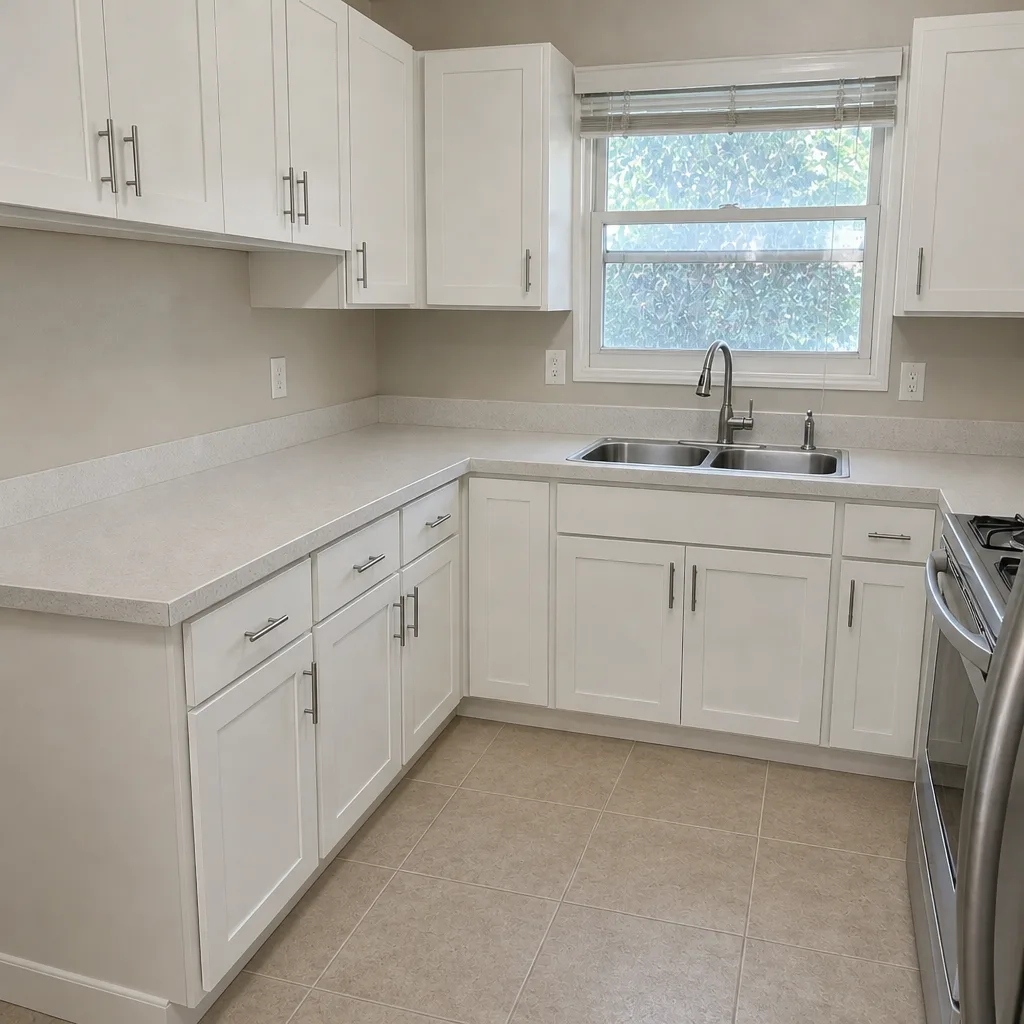 After
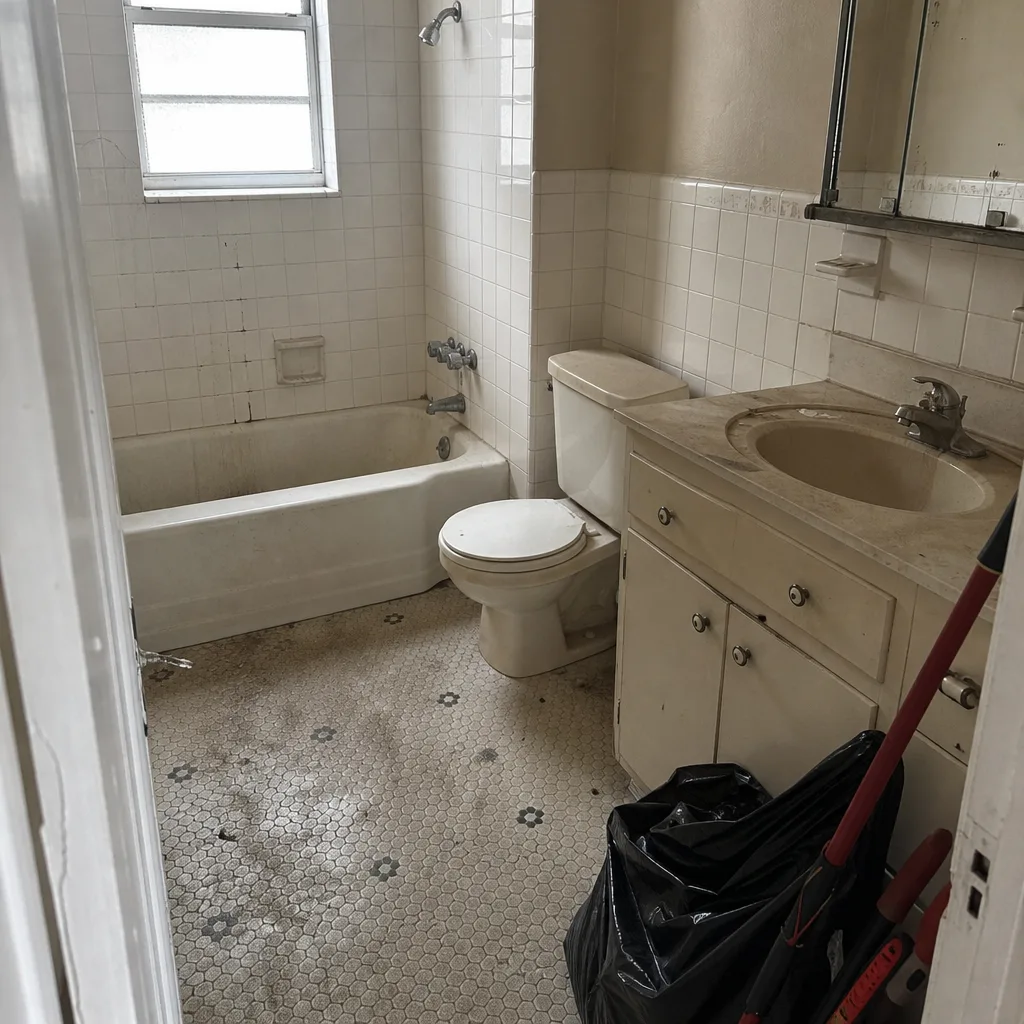 Before
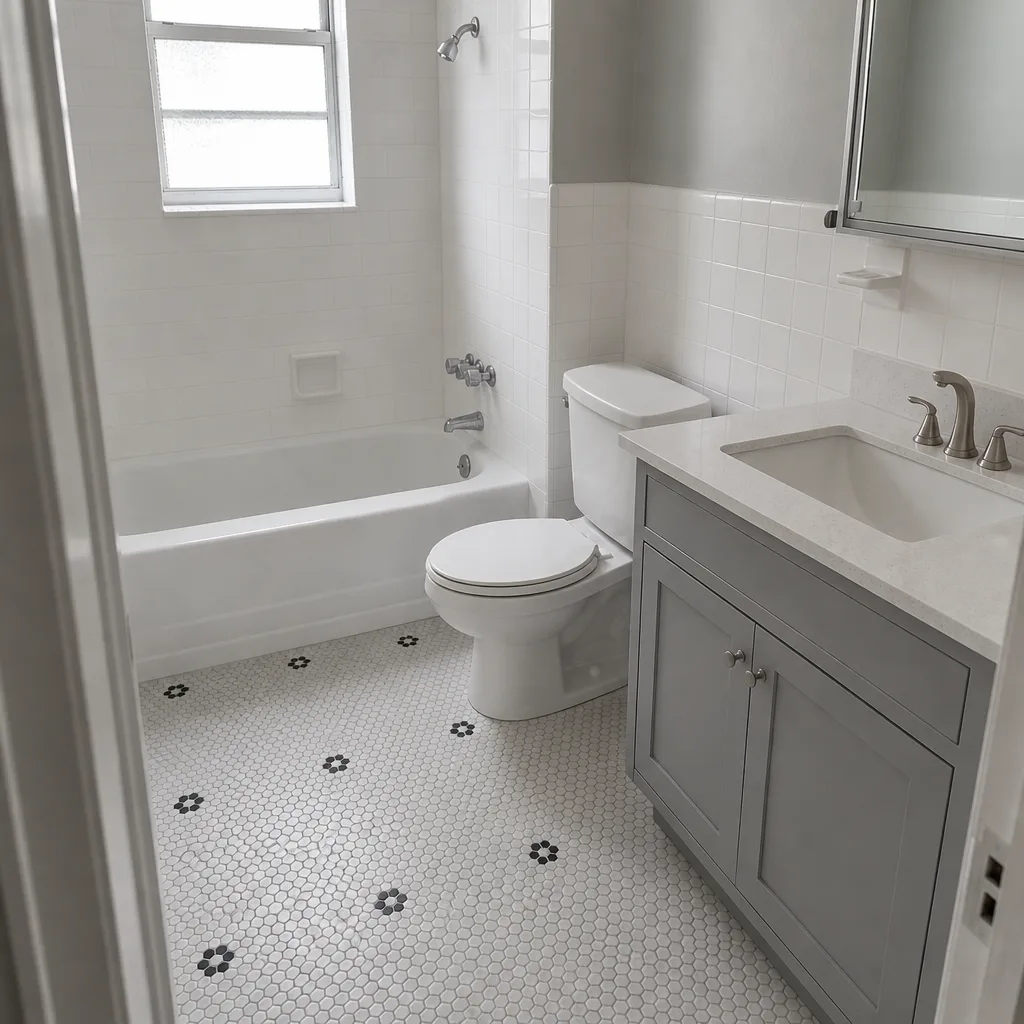 After
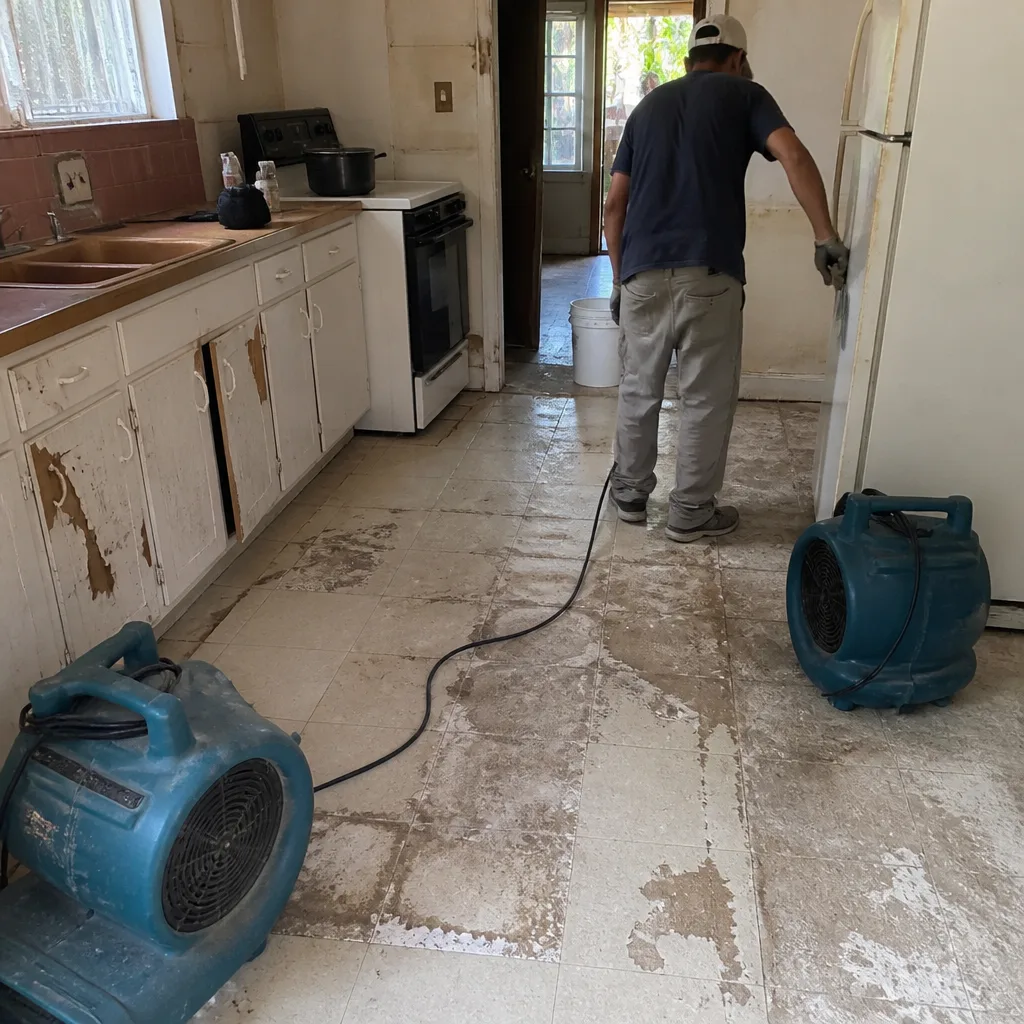 Before
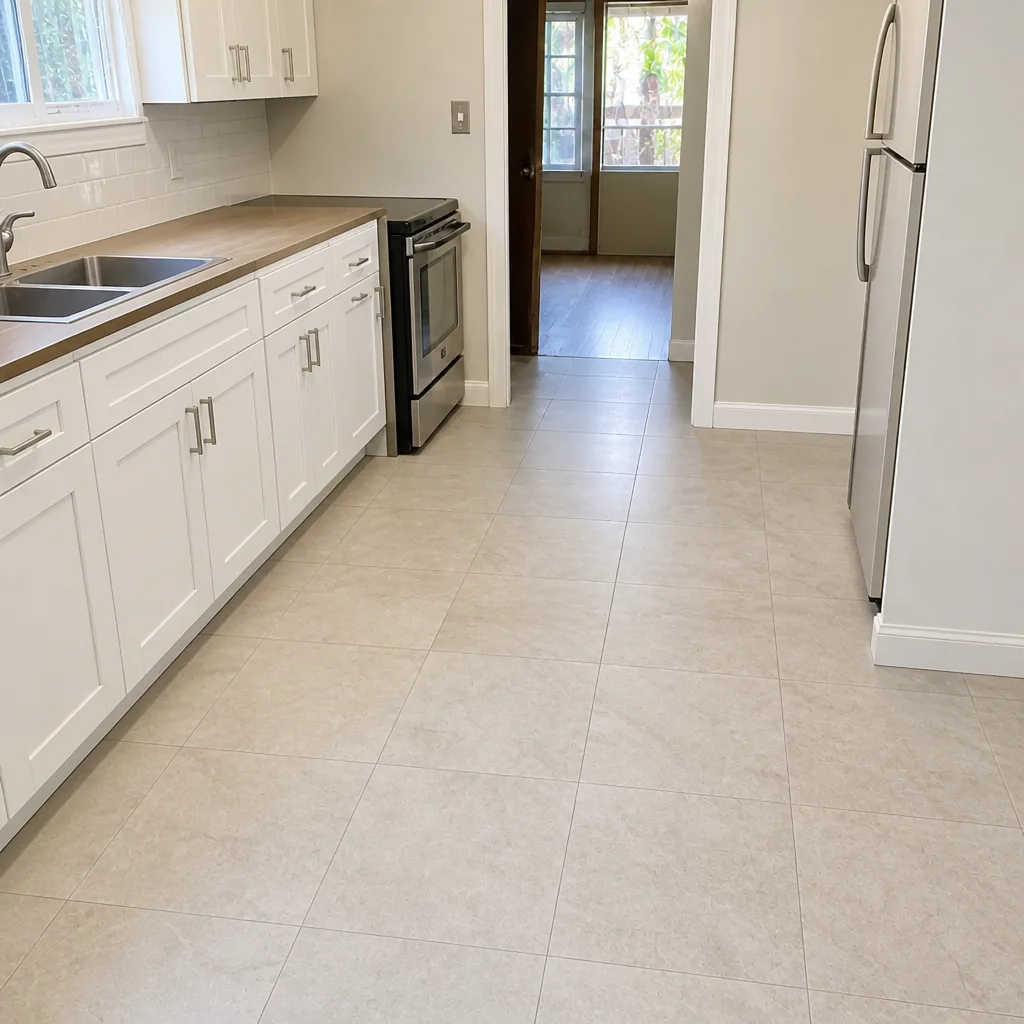 After
When to Call a Professional
Call a licensed contractor when the work you’re planning touches structure, electrical, plumbing, gas, the building envelope (windows, doors, roof, siding), or the footprint of your home. Call when you’re buying a Miami Beach property and the permit history shows anything open. Call when a previous contractor walked away mid-project with a permit open. Call when you’re not sure whether your planned work needs a permit, because that’s the exact question that gets answered wrong at the DIY end of the market.
Penhallow Remodeling Miami Beach offers free estimates in Miami Beach. Call (844) 656-1986 and we’ll walk your scope, confirm which permits apply, and give you a written price before any work starts. We partner with Stormline Fencing on wind-rated exterior fencing specifications whenever a Miami Beach property needs them as part of a wider envelope project.
Frequently Asked Questions

Yes, if the remodel changes plumbing, electrical, or structural elements – which almost every real kitchen remodel does. Cabinet-only replacements that don’t touch those systems are sometimes exempt, but verify with the City of Miami Beach Building Department before assuming. If you’re replacing a range hood fan, moving a sink, or replacing a lighting circuit, expect a permit. Call (844) 656-1986 for a free estimate that includes the permit scope.
Plan review typically runs 2-6 weeks for a straightforward residential permit, and 4-10 weeks if the project touches a historic district, flood zone elevation review, or requires Miami-Dade product approval verification. A well-prepared package submitted by a contractor who has submitted to this department before often lands on the shorter end. Our typical Miami Beach project schedules inspection floats around this window.
The work is legally unpermitted, which means it may not pass inspection, may not be insurable, and may not be permitted to be sold with the property until resolved. You’ll need to have a licensed contractor pull an after-the-fact permit, expose the work for inspection, and in some cases remove and redo it. If the contractor won’t cooperate, your recourse depends on whether you can reach their license and bond through the state. Call (844) 656-1986 for a free estimate on resolving the issue.
Yes, and it’s one of the most common plan-review rejections we see in Miami Beach because the window model must be on the current Miami-Dade County product approval list, not just the Florida state list. Impact window replacement is a full permit scope with product approval documentation required at plan review. Confirm the product model before you order.
Yes. Permit history is public record in both the City of Miami Beach and Miami-Dade County systems. Search by property address on the city building department’s online permit system, then cross-check with county records. Look specifically for OPEN status and any permit that was closed without a final inspection sign-off. This takes ten minutes and is the single cheapest thing you can do before buying in Miami Beach.
A failed inspection is a single event: the inspector came, found an issue, and the work needs to be corrected and re-inspected. An open permit is a status: the file never received a final inspection sign-off and is still legally live. A failed inspection can usually be fixed in a week. An open permit can follow a property for years and block new permits until resolved. If you call (844) 656-1986, we can help you figure out which one you’re looking at.
The Bottom Line
Florida’s permit system is not the enemy of a good renovation. It’s the legal record that makes your work insurable, sellable, and defensible if something fails. In Miami Beach, the work of getting that record right involves three layers of code, a product approval system that trips up out-of-state contractors, and a contractor who knows exactly which name goes on the permit for each phase. Do this one thing before you sign any contract: ask which name goes on the permit. If the answer isn’t the licensed contractor, get a second bid. That single question will save most Miami Beach homeowners more money than any other decision on the project.
Penhallow Remodeling Miami Beach is a Kingswell family company, independently owned and operated. Our technicians have up to 22 years of experience, are background-checked and arrive in uniform, and every project comes with a written price before work starts and the 365-Day Done Right Promise. If you want to talk through the permit scope for a project in Miami Beach, call (844) 656-1986 for a free estimate.
Written by the team at Penhallow Remodeling Miami Beach.