Last updated November 18, 2026





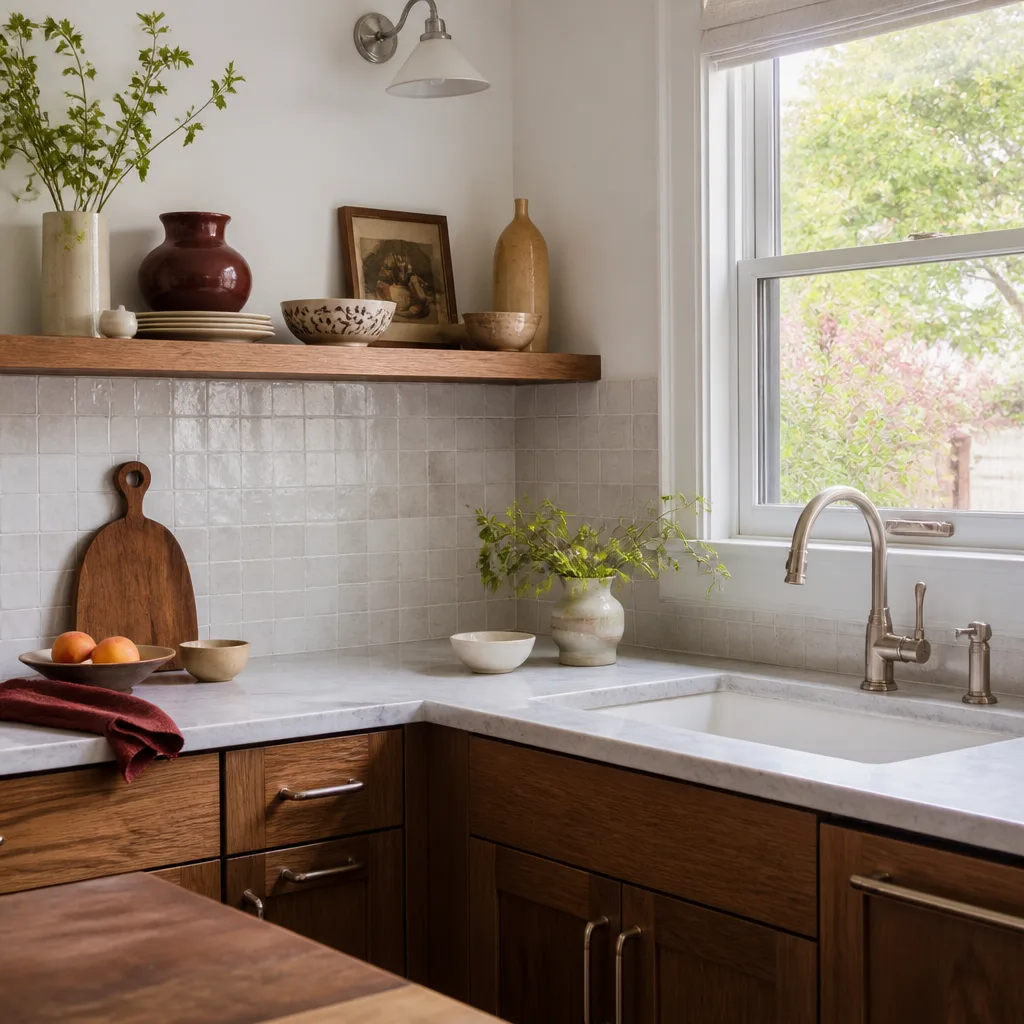
Free written scope consultation - allowances, timeline, and change-order rules on paper before a single trade is scheduled
DIY vs Professional Construction: The Miami Beach Homeowner’s Decision Guide
Here’s the counterintuitive thing about DIY in Miami Beach: the question is rarely whether you’re handy enough. A homeowner in Ohio can legally pull a permit and install replacement windows on their own house. A Miami Beach homeowner cannot install a window that fails to meet Florida’s High Velocity Hurricane Zone (HVHZ) approval – and that’s true no matter how skilled they are with a caulk gun. The law, not the skill level, draws the line. This guide walks through which work you can legally do yourself in Miami Beach, which work needs a licensed contractor, what happens to your windstorm insurance when unpermitted improvements turn up in a claim, and how to run an honest cost comparison before you decide.
Quick Answer
In Miami Beach, cosmetic and interior finish work – painting, cabinet refacing, flooring over a sound substrate, replacing a faucet – is generally legal for a homeowner to do. Anything touching the building envelope, the structural system, the electrical panel, or the gas lines requires a licensed contractor and a permit, and impact-rated windows and doors require licensed installation to keep their Miami-Dade NOA (Notice of Acceptance) and your windstorm insurance rating intact. For any project where a mistake could void coverage or fail a Miami Beach inspection, a written professional quote is the cheaper option even when it looks more expensive on paper.
Styles & brands we work with
- Kitchen remodeling
- Bathroom remodeling
- Home additions & ADU
- Roofing
- Windows & doors
- Driveway & pavers
- Fence
Table of Contents
- What Can You Legally Do Yourself in Miami Beach?
- The Florida Owner-Builder Permit: What It Really Allows
- How Unpermitted Work Affects Your Insurance
- The Honest Cost Comparison Framework
- Three Projects Miami Beach Homeowners Overestimate
- HVHZ and the Building Envelope
- Common Mistakes to Avoid
- When to Call a Professional
What Can You Legally Do Yourself in Miami Beach?
Florida law is specific about this, and Miami Beach’s building department enforces it more strictly than most Florida cities because of the coastal exposure. Here’s how the work breaks into three categories.
Category 1 – Owner-DIY, no permit required. Interior painting, wallpaper, cabinet refacing (not replacement), swapping a faucet or a toilet that connects to an existing rough-in, replacing a light fixture on an existing circuit, and laminate or luxury vinyl plank installed over a sound subfloor. None of these touch an engineered system or the building envelope.
Category 2 – Owner-DIY with permit. A homeowner can pull an “owner-builder” permit for certain non-structural work – a bathroom vanity swap, interior partition removal that’s not load-bearing, some ceiling work. Miami Beach’s building department requires the homeowner to appear in person, sign an affidavit, and in many cases post a notice that they are acting as their own contractor. The permit itself is real, and the inspections are the same inspections a licensed contractor would face.
Category 3 – Licensed contractor required, no exceptions. Anything touching the building envelope (windows, doors, roofing, exterior wall systems), electrical work beyond a fixture swap, plumbing beyond a fixture swap, gas lines, structural changes, and all HVHZ-scoped work. For these, a Miami Beach homeowner cannot pull an owner-builder permit. Period.
If you’re unsure which category a project falls into, that’s usually the answer: it’s Category 3. Browse our General Contractor in Miami Beach page for the scope of work we handle under permit.
The Florida Owner-Builder Permit: What It Really Allows
The owner-builder permit is real and legal in Florida – but it’s narrower than most homeowners think, and it comes with a disclosure obligation that surprises people at resale.
- You must own the property and intend to occupy it. An owner-builder permit is for a primary residence or a second home you personally use – not a rental you’ll turn around. Miami Beach building department staff will ask.
- You sign an affidavit assuming all liability. You’re on the hook for workers’ comp, safety, code compliance, and the work’s legal adequacy. If a subcontracted helper gets hurt, you’re the employer.
- You’re responsible for all inspections. Same inspectors, same standards, same re-inspection fees if it fails. There’s no shortcut through the Miami Beach inspection queue.
- You must disclose the permit at resale. Florida Statute 489.103 requires that when you sell the property, you disclose to the buyer that an owner-builder permit was used and the work was not performed by a licensed contractor. A buyer’s lender and insurer both look at this, and a Miami Beach property with unpermitted work can stall a closing or lose its windstorm mitigation credit.
- You cannot use an owner-builder permit to circumvent the HVHZ requirement. Impact windows, roofing, and exterior wall work are off the table for owner-builder permits regardless of the homeowner’s intent.
Our Bathroom Remodeling in Miami Beach projects go through licensed permitting for exactly this reason – the resale exposure of an owner-builder bathroom isn’t worth the savings.
How Unpermitted Work Affects Your Insurance
This is the part of the DIY conversation most homeowners never hear until a claim gets denied.
Florida property insurance – including Citizens Property Insurance Corporation and most private carriers writing in Miami Beach – operates in a windstorm-rated market. Your premium is tied to a wind mitigation inspection that documents the specific age, material, and installation method of your roof, windows, and doors. Impact-rated windows installed without a licensed contractor don’t get the credit even if the glass is the right product, because the insurance carrier needs the permit and inspection record. That’s a real premium difference: a properly credited home in Miami Beach can save hundreds to well over a thousand a year in premium compared to one with the same windows installed without documentation.
The bigger risk comes when you file a claim. If a loss traces back to work that should have been permitted and wasn’t, a carrier has grounds to deny the claim or cover only the undamaged portion. We’ve seen this play out with bathroom remodels where unpermitted plumbing behind a new tile wall failed and the carrier asked for the permit record. No permit, no coverage on that line item.
Impact-rated products should carry their own Miami-Dade NOA. The NOA is specific to a product installed in a specific way – a window installed outside its approved method loses the Miami-Dade approval even if it’s the right part number. Companies like Therma-Tru and American Standard publish installation requirements alongside their product approvals for exactly this reason. For more on protecting your coverage through proper permitting, see our Penhallow Remodeling Miami Beach home page.
The Honest Cost Comparison Framework
Most DIY-versus-professional cost comparisons leave out the expensive parts: the tool rental, the salvage-the-mistake phase, and the permit re-inspection fee. Here’s the framework we walk Miami Beach homeowners through before any project quote.
The DIY side. Materials are the easy line. Add tool rental (tile saw, demo hammer, wet saw, jamb jig for door work – typically $150 to $400 for a bathroom-scope project), disposal (Miami Beach requires construction debris to be hauled to an approved facility, not left at the curb), permit fees (the same permit a contractor pulls), and the mistake-recovery allowance. Realistic DIY budgeting in Miami Beach carries a 20 to 30 percent contingency on top of materials, not the 10 percent people assume.
The professional side. A written professional quote for the same scope includes labor, materials at trade pricing, permit, disposal, and inspection coordination – with the price locked before work starts.
Square-foot ranges we see in Miami Beach:
- Bathroom remodel, full gut, 40-50 sq ft: $14,000-$32,000 professionally. DIY materials-only runs $6,000-$14,000 before permits, tools, disposal, and mistakes.
- Kitchen remodel, mid-range: $22,000-$65,000 professionally, depending on whether the layout moves and whether you go with a semi-custom line or something like a KraftMaid or Wellborn cabinet package. DIY materials-only is $10,000-$25,000.
- Impact window replacement, 8 windows: $8,500-$18,000 professionally installed with permit and NOA documentation. This is not a DIY-legal scope in Miami Beach regardless of price.
When homeowners actually run the DIY math against a written professional quote, the gap is usually 25 to 45 percent, not the 60 to 70 percent the first comparison suggests. For kitchen scope, our Kitchen Remodeling in Miami Beach page walks through the pricing drivers.
Three Projects Miami Beach Homeowners Overestimate
We’ve worked enough Miami Beach homes to see the same three projects go sideways for the same three reasons.
1. Stucco patching in salt air
A stucco patch on an Ohio house is a weekend. A stucco patch in Miami Beach is a compatibility question. The salt air off the Atlantic oxidizes the substrate differently than inland, and the wrong patch compound cracks along the seam within a season. On top of that, most Miami Beach stucco is on a concrete masonry substrate that needs proper surface preparation and a vapor-appropriate cement board substrate (the moisture-resistant layer behind the finish coat) or the patch fails at the bond coat. The patch looks fine for three months and then cracks along the perimeter.
2. Bathroom tile in high humidity
Interior Miami Beach humidity sits at 70-80 percent much of the year. Tile work in a bathroom without proper waterproofing membrane and moisture control behind the cement board will grow mold at the grout line in a season or two. The installation method – how the membrane laps the shower pan, how the curb is built, how the drain is bonded – is what fails, not the tile.
3. Anything touching the building envelope
Windows, doors, exterior doors, roofing, and exterior wall penetration. This is the scope where Miami Beach and the Florida Building Code make the DIY question moot. It’s not that homeowners do it poorly. It’s that the work is legally and insurably the domain of a licensed contractor in HVHZ.
HVHZ and the Building Envelope
HVHZ stands for High Velocity Hurricane Zone, and the designation covers Miami-Dade and Broward counties. In an HVHZ, every product used on the building envelope – windows, doors, roofing, shutters, exterior wall systems – must carry a Miami-Dade Notice of Acceptance (NOA) that certifies it has been tested to resist the wind-borne debris and pressure demands of a hurricane. There is no homeowner-installed alternative. The NOA and the permit and the inspection record travel together.
What this means in practice for a Miami Beach homeowner:
- You cannot install a non-impact-rated window as a replacement, even temporarily. Code prohibits it.
- You cannot install an impact-rated window yourself and keep the NOA. The approved installation method specifies a licensed installer.
- A roofing replacement requires a licensed roofer with an HVHZ scope permit. The underlayment, the fastening pattern, and the secondary water barrier are all specified.
- Any door replacement in an exterior wall falls under the same HVHZ rules as windows.
The flip side is worth saying: an HVHZ-compliant install is what keeps your windstorm premium where it belongs and what makes your home sellable when you’re ready. It’s the one place where the rules work in the homeowner’s favor long term.
Common Mistakes to Avoid
- Starting demo before the permit is issued. In Miami Beach, work started before permit issuance can trigger a stop-work order and a re-inspection fee even if the work itself is fine. Pull the permit first, always.
- Assuming the contractor’s quote doesn’t need to be written. A verbal estimate is a starting number, not a price. The number on day one has to match the number on the invoice, and the only way that happens is if the number is written before any work starts.
- Not asking who’s walking into the house. In a rental-heavy market like Miami Beach, unvetted crews are a real risk. Every technician on a job should be background-checked and in uniform, and you should know who’s showing up before they knock.
- Treating a wind mitigation report as a formality. That report is what your insurance carrier reads. If the impact windows lack the permit and NOA, the credit goes away and the claim exposure goes up.
- Buying materials before the layout is set. Tile, cabinets, and countertop slabs (particularly Cambria, Silestone, and Caesarstone quartz) don’t take returns once cut. Order after the drawing is final, not before.
- Skipping the moisture inspection on a bathroom before demo. A pre-demo moisture reading on the substrate behind the tile tells you whether the project is a surface refresh or a full gut. We’ve seen Miami Beach bathrooms where the substrate (the layer behind the tile that carries the load and blocks moisture) was rotten under perfectly good-looking tile.
- Calling the cheapest bid and stopping there. Two contractors can write the same number and mean completely different things by it. Ask what’s excluded, what happens on the first failed inspection, and what the guarantee covers.
When to Call a Professional
Call a licensed contractor when the project touches the building envelope, the electrical panel, gas lines, structural framing, or the plumbing rough-in. Call when the work requires an HVHZ NOA. Call when the project will be disclosed at resale and you want the permit record to hold up. And call when you’ve started a project and realized mid-demo that the substrate is wet, the framing isn’t square, or the previous owner did it unpermitted – those are the three most common “we need help” calls we get.
In every one of those cases, a written line-item quote is the first step, not a commitment. Penhallow Remodeling Miami Beach offers free estimates in Miami Beach – call (844) 656-1986. A live person answers, 24/7, and you’ll have the number in writing before you decide anything.
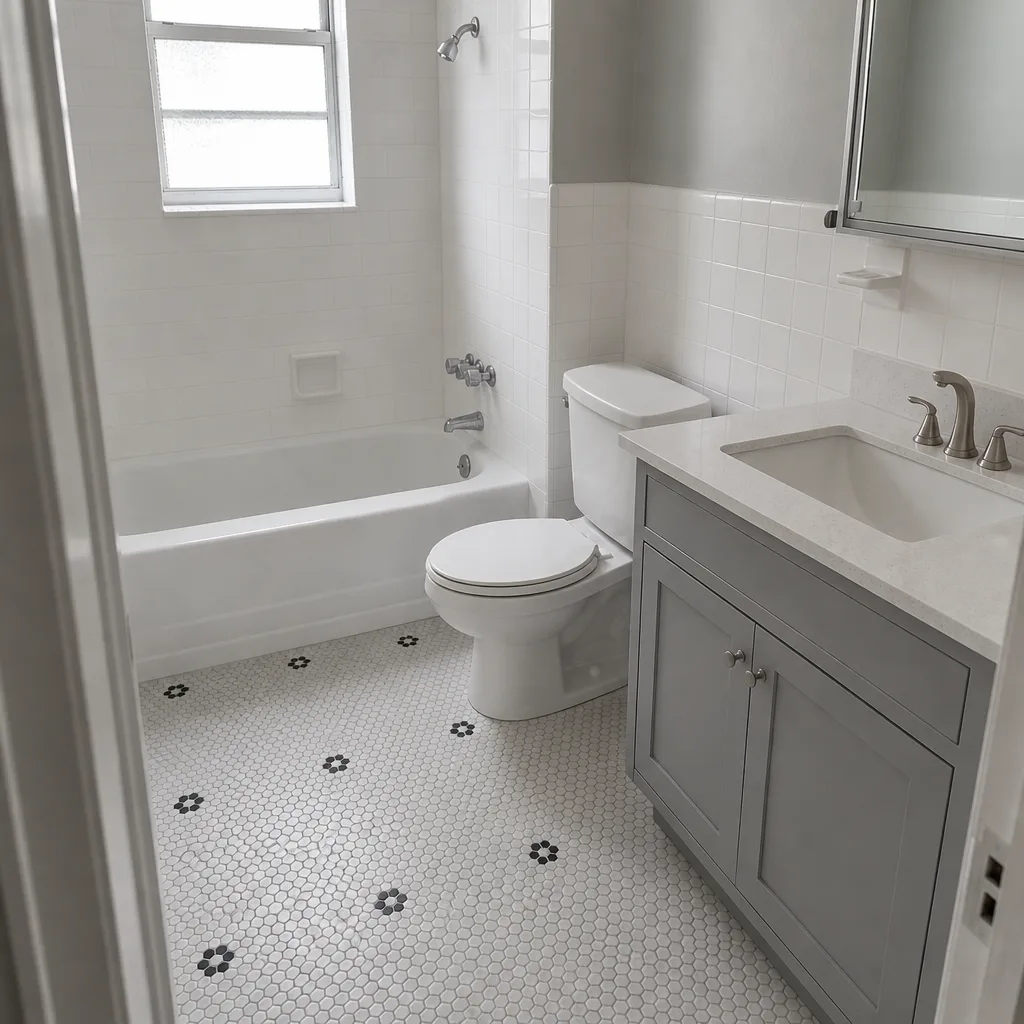
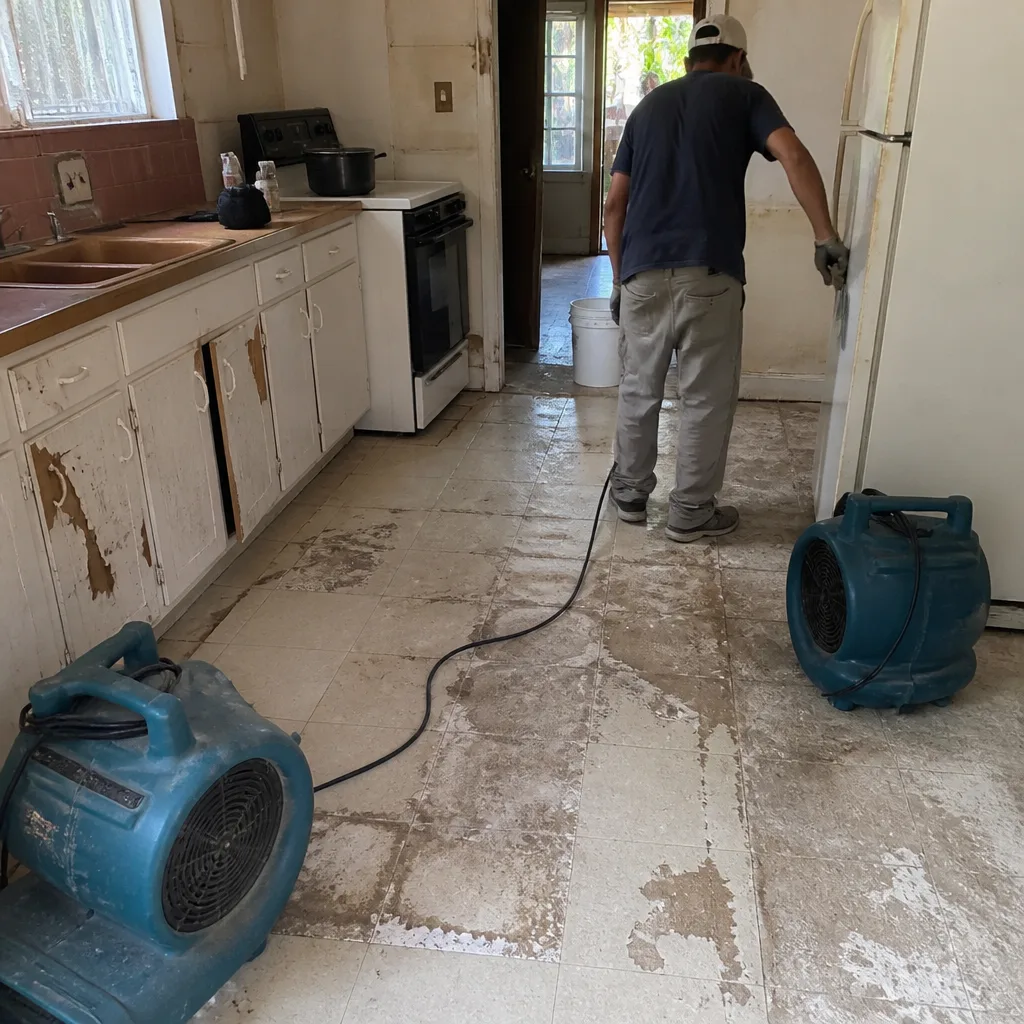
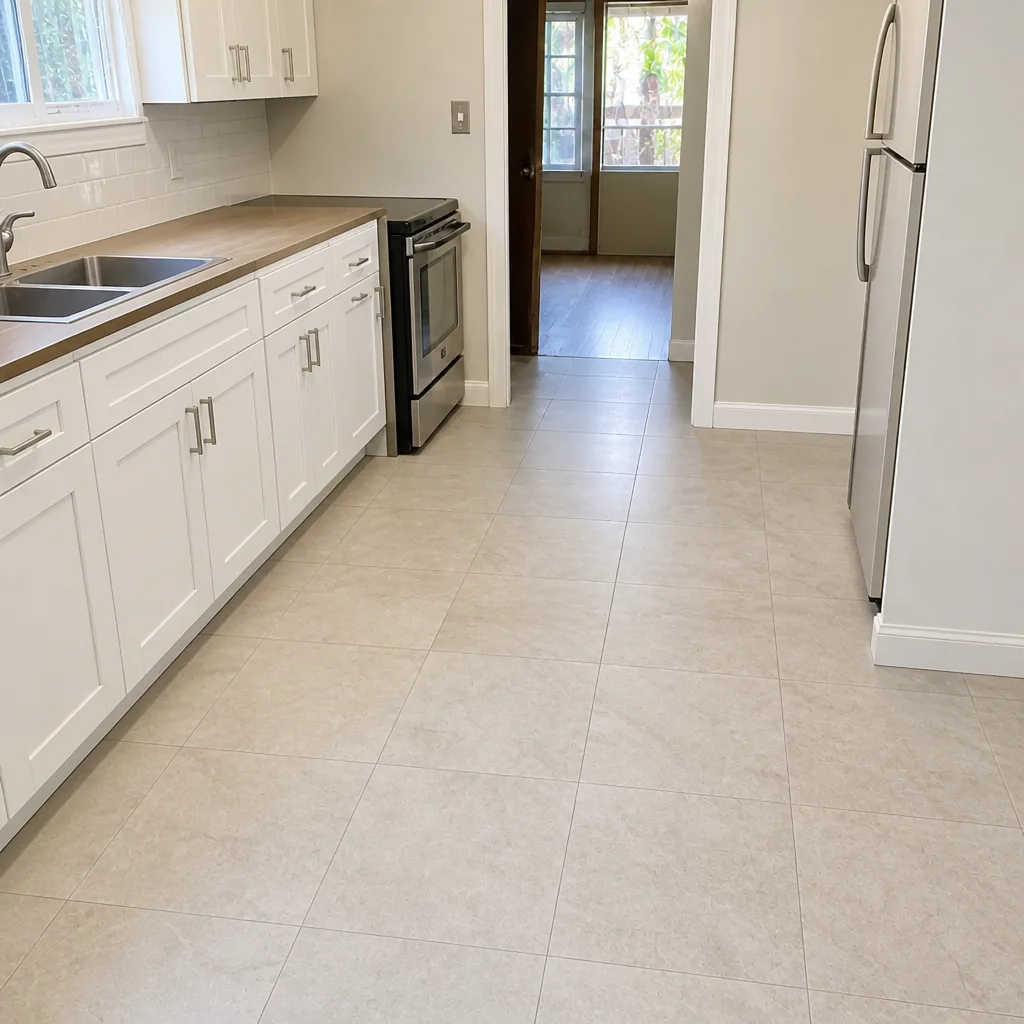
See the difference
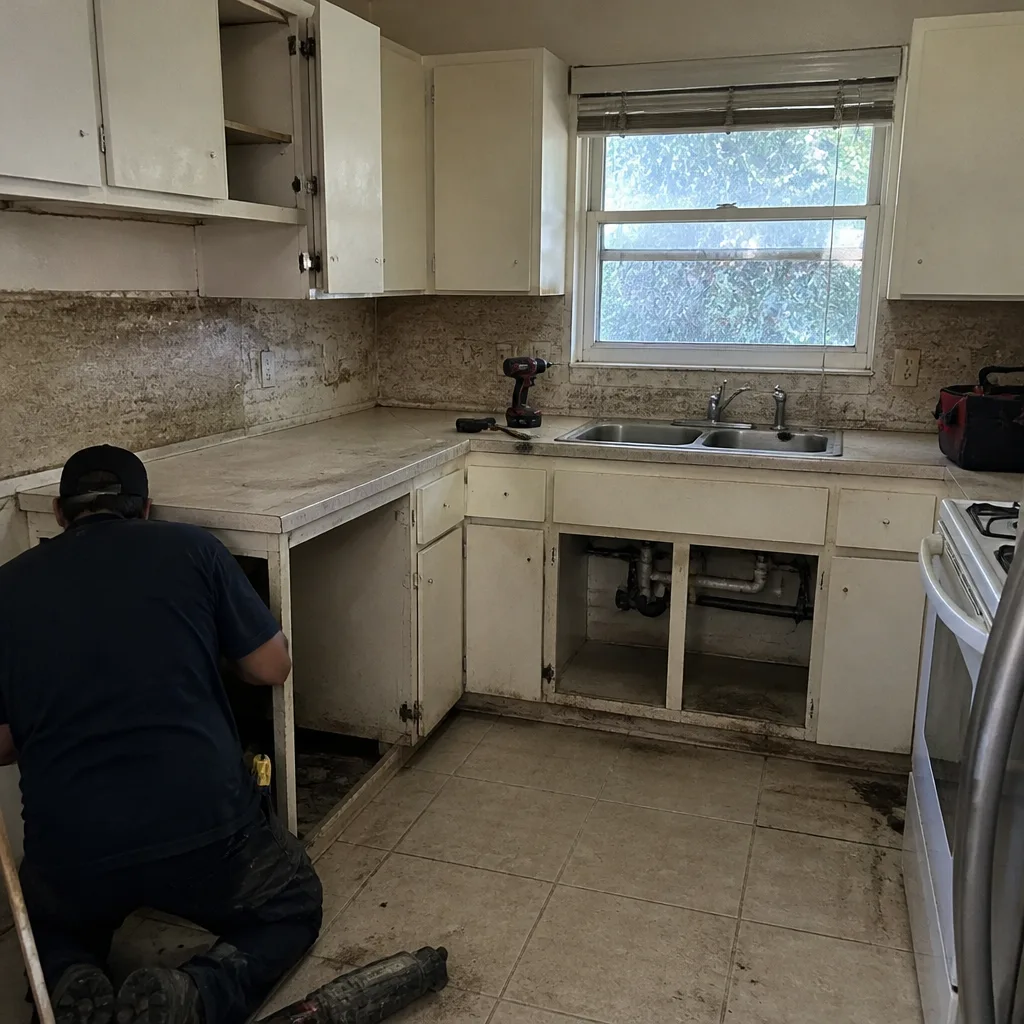 Before
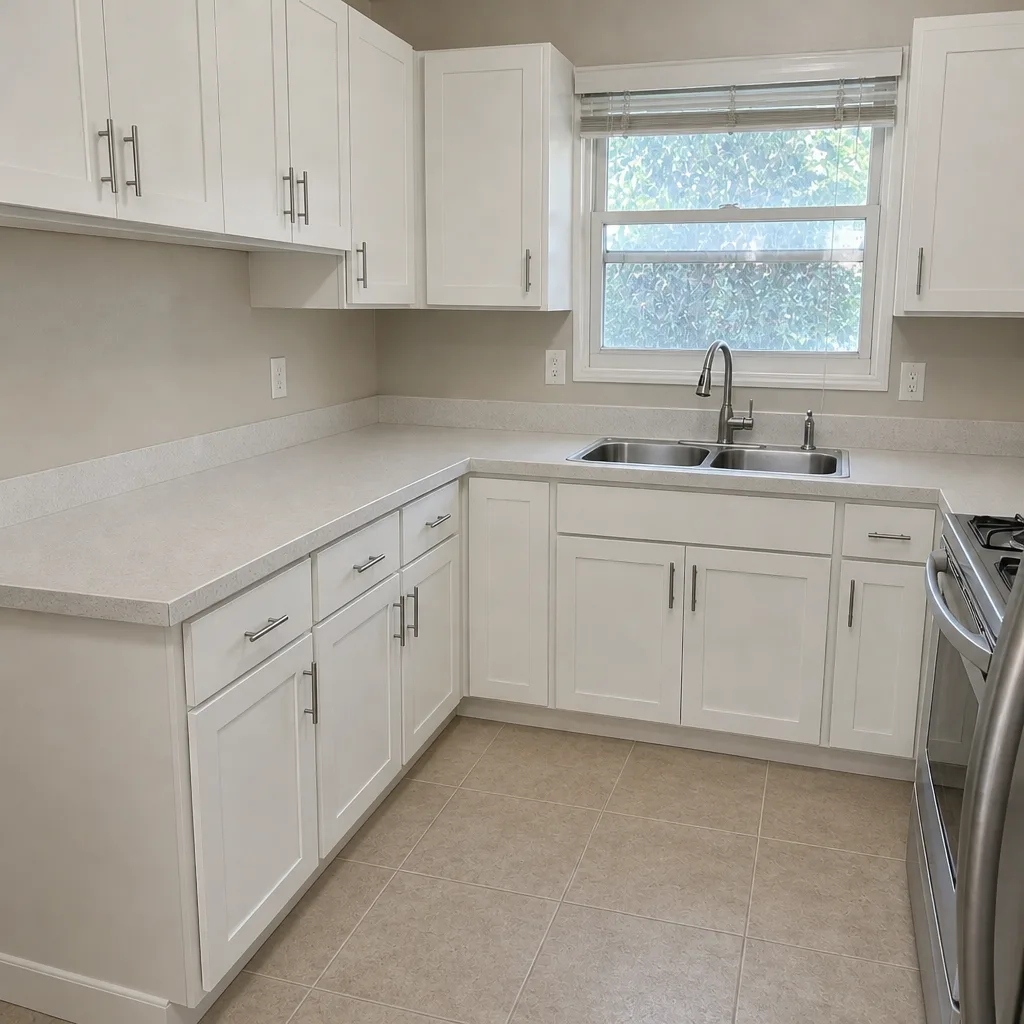 After
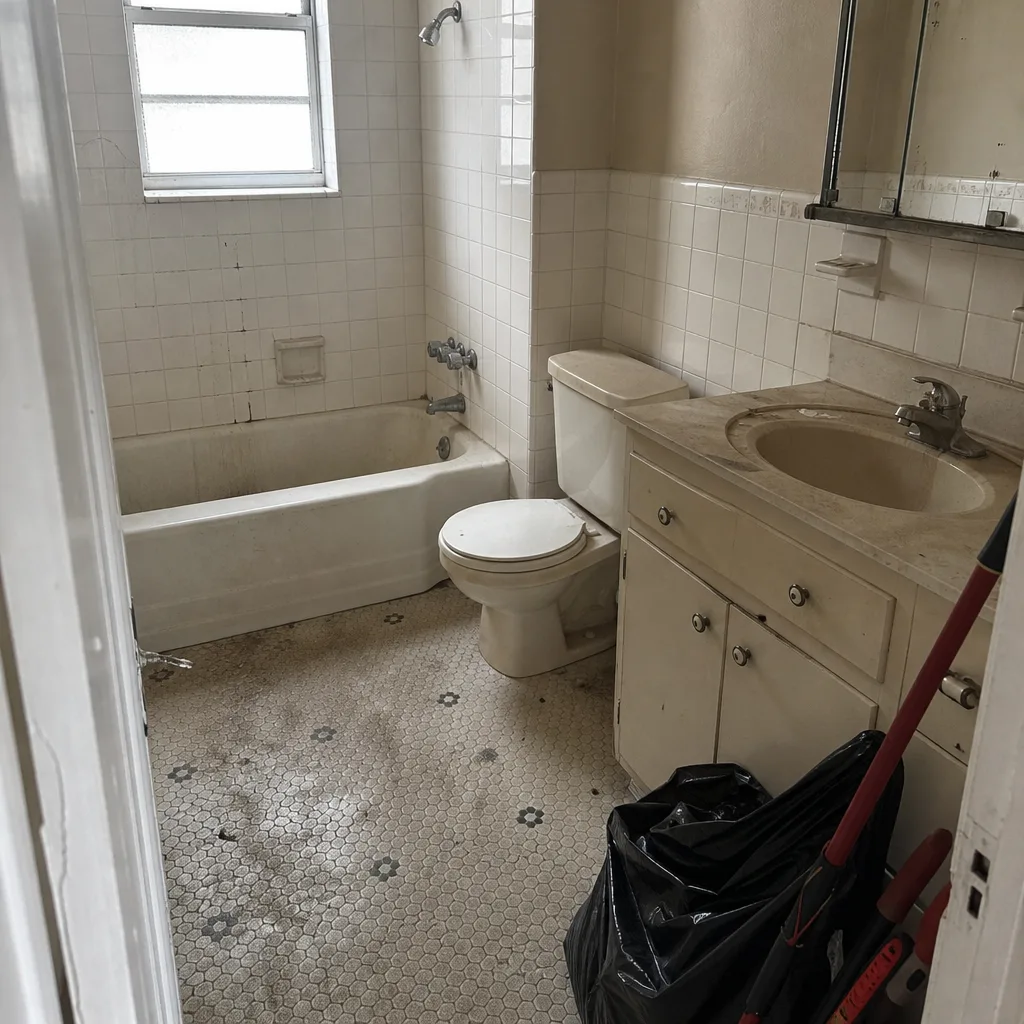 Before
 After
 Before
 After
Frequently Asked Questions
No. Impact-rated windows in Miami Beach fall under Florida’s High Velocity Hurricane Zone rules, which require a licensed contractor, a permit, and an inspection that documents the installation meets the product’s Miami-Dade Notice of Acceptance. A homeowner cannot pull an owner-builder permit for HVHZ-scoped work. Call (844) 656-1986 for a written quote on window replacement – estimates are free.
Florida carriers, including Citizens and most private insurers, can deny a claim or cover only the undamaged portion when a loss traces back to unpermitted work. The work itself also doesn’t count toward your wind mitigation credit, so your premium stays higher than it should. The fix is permitted re-permitting of the work through a licensed contractor – call (844) 656-1986 and we’ll walk through what’s involved.
A professionally permitted full-gut bathroom remodel in Miami Beach typically runs $14,000-$32,000 depending on size, tile selection, and whether the plumbing moves. Doing the demo and finish work yourself can bring the professional portion down, but the plumbing, electrical, and waterproofing scope still needs to be licensed. Call (844) 656-1986 for a written line-item quote – estimates are free.
An owner-builder permit lets a Florida homeowner act as their own contractor on specific non-structural work, signing an affidavit that they assume all liability for the job. It requires the homeowner to occupy the property, coordinates inspections and permit fees, and must be disclosed to a buyer at resale. It does not cover HVHZ-scoped work. For a project that doesn’t fit the owner-builder scope, call (844) 656-1986 for a licensed quote.
Not on a properly written quote. A written line-item price before work starts is what the invoice should match at the end – the only legitimate changes come from scope changes you request in writing, or hidden conditions the contractor couldn’t reasonably see before demo (wet substrate behind a wall, for example, disclosed before the change is made). Call (844) 656-1986 to schedule your free estimate.
Cosmetic work – paint, refacing, a fixture swap – doesn’t require a permit. Anything moving plumbing, electrical, or structural elements does, and Miami Beach’s building department inspects those just as strictly on a small project as on a full remodel. If a contractor tells you a permit isn’t needed for a plumbing or electrical change, get a second quote. Call (844) 656-1986 to schedule yours.
The Bottom Line
In Miami Beach, the DIY-versus-professional question comes down to three tests: whether the work is legally owner-DIY, whether it touches the building envelope or an engineered system, and whether it will hold up in an insurance claim and at resale years from now. Cosmetic work is often a legitimate DIY scope. Anything HVHZ-scoped, anything permitted with inspection exposure, and anything that could void a windstorm claim is the professional’s domain by law, not by preference. When in doubt, get a written professional quote and compare it against the honest DIY number, tools, disposal, permits, and mistake recovery included. Then call Penhallow Remodeling Miami Beach at (844) 656-1986 for your free estimate.
Written by the team at Penhallow Remodeling Miami Beach.