Last updated November 18, 2026




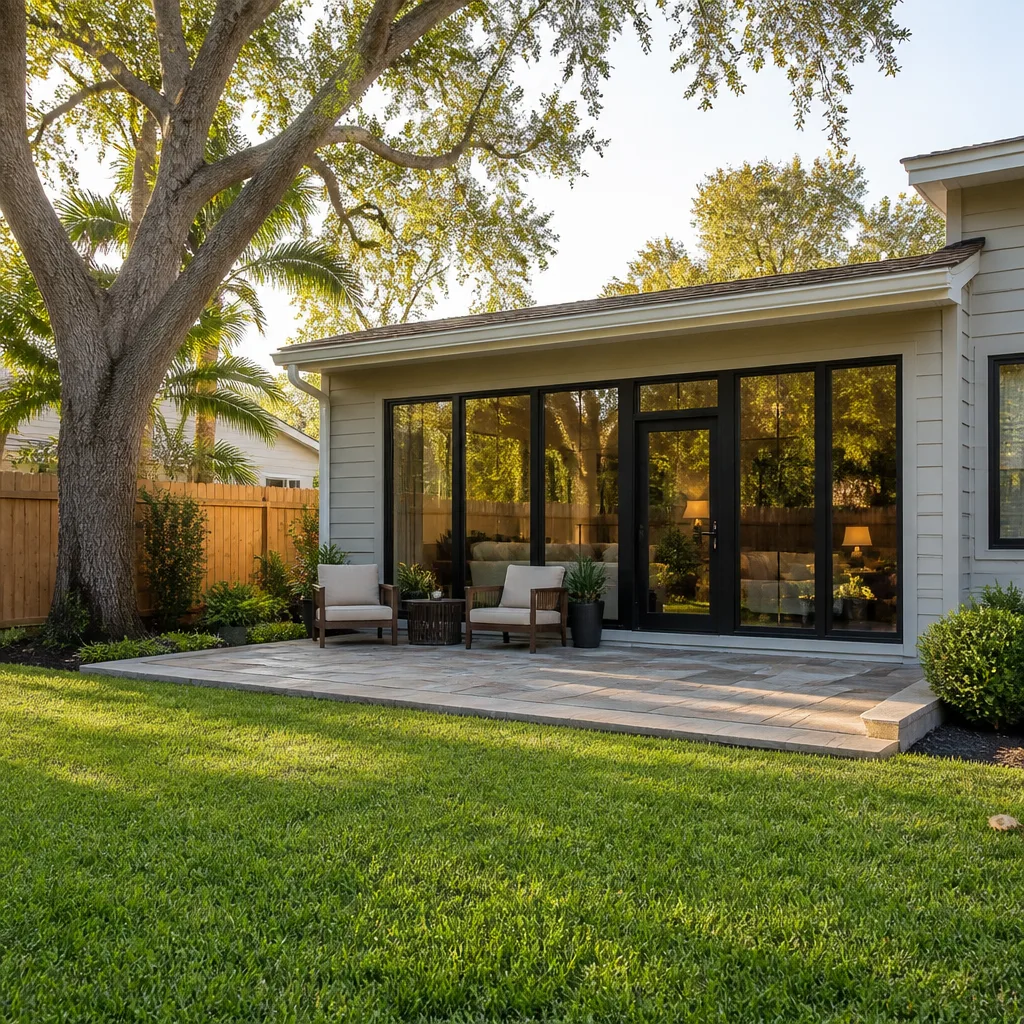

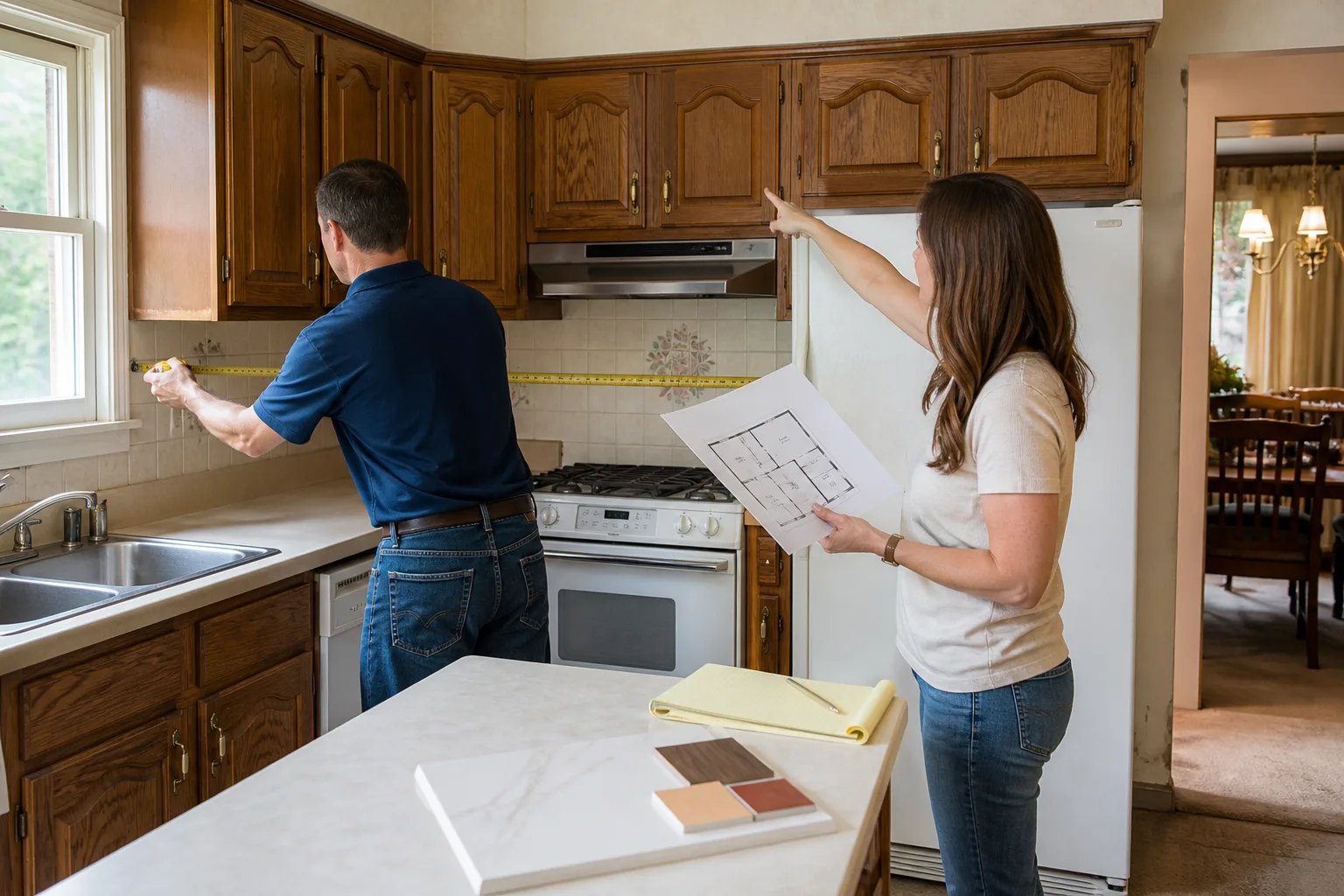
Free written scope consultation - allowances, timeline, and change-order rules on paper before a single trade is scheduled
DIY vs Professional Home Remodeling: What’s Safe to Do Yourself
Here’s a remodeling story we hear more often than you’d think. A homeowner in Miami Beach repainted and re-tiled their own bathroom, and the result looked genuinely good. Then a supply line failed under the sink, water spread through the wall, and the insurance adjuster asked one question that changed everything: who pulled the permit? The tile work had never been inspected, and the carrier listed the unpermitted work as a contributing cause. The claim was reduced. This guide draws the line most homeowners never hear about. Not the skill line, the legal one. You’ll learn what Miami Beach code, condo rules, and insurance policies actually allow you to touch, and which five projects are still safe to do yourself.
Quick Answer
In Miami Beach, painting, swapping cabinet hardware, minor landscaping, furniture assembly, and replacing fixtures that connect to existing lines are all reasonable DIY projects with no permit required. Anything involving electrical, plumbing rough-in, structural changes, or work affecting a condo’s common elements legally requires a licensed contractor to pull the permit and be on record. Get that wrong and the cost isn’t a bad paint job, it’s a denied insurance claim or a failed inspection at resale.
Styles & brands we work with
- Kitchen remodeling
- Bathroom remodeling
- Home additions & ADU
- Roofing
- Windows & doors
- Driveway & pavers
- Fence
Table of Contents
- The Legal Line Comes Before the Skill Line
- What Miami-Dade Permit Rules Actually Say About DIY
- How Miami Beach Condo Associations Change the Answer
- The Five Projects That Are Genuinely Safe to DIY
- What Unpermitted DIY Work Costs You at Resale
- What a Written Scope of Work Protects You From
- DIY vs Professional Cost: The Real Comparison
- Common Mistakes to Avoid
The Legal Line Comes Before the Skill Line
Most DIY advice starts with a question about ability: are you handy enough? That’s the wrong question here. The right question is whether the law and your insurance policy will let you do the work at all, regardless of how good you are at it.
Miami Beach sits inside Miami-Dade County, which operates one of the strictest building departments in Florida. The county requires permits for structural work, electrical, plumbing, and mechanical changes, and it requires the permit to be pulled by a licensed contractor in most of those categories. That means even if you could wire a new bathroom fan perfectly, the county won’t let a homeowner file that permit alone. The work has a legal shadow whether it’s done well or badly.
Why does the code draw that line? There’s a real safety reason underneath the paperwork. Miami-Dade’s electrical and structural rules exist because of hurricane exposure, salt air, and a building stock that ranges from 1920s Mediterranean Revival to 1970s concrete high-rises. A wall that a homeowner opens and reframes without engineering input can fail an inspection years later. An electrical box undersized for a load is a fire waiting on a hot afternoon. The permit process is slow and annoying, but it’s the county’s only way to verify the work got done safely.
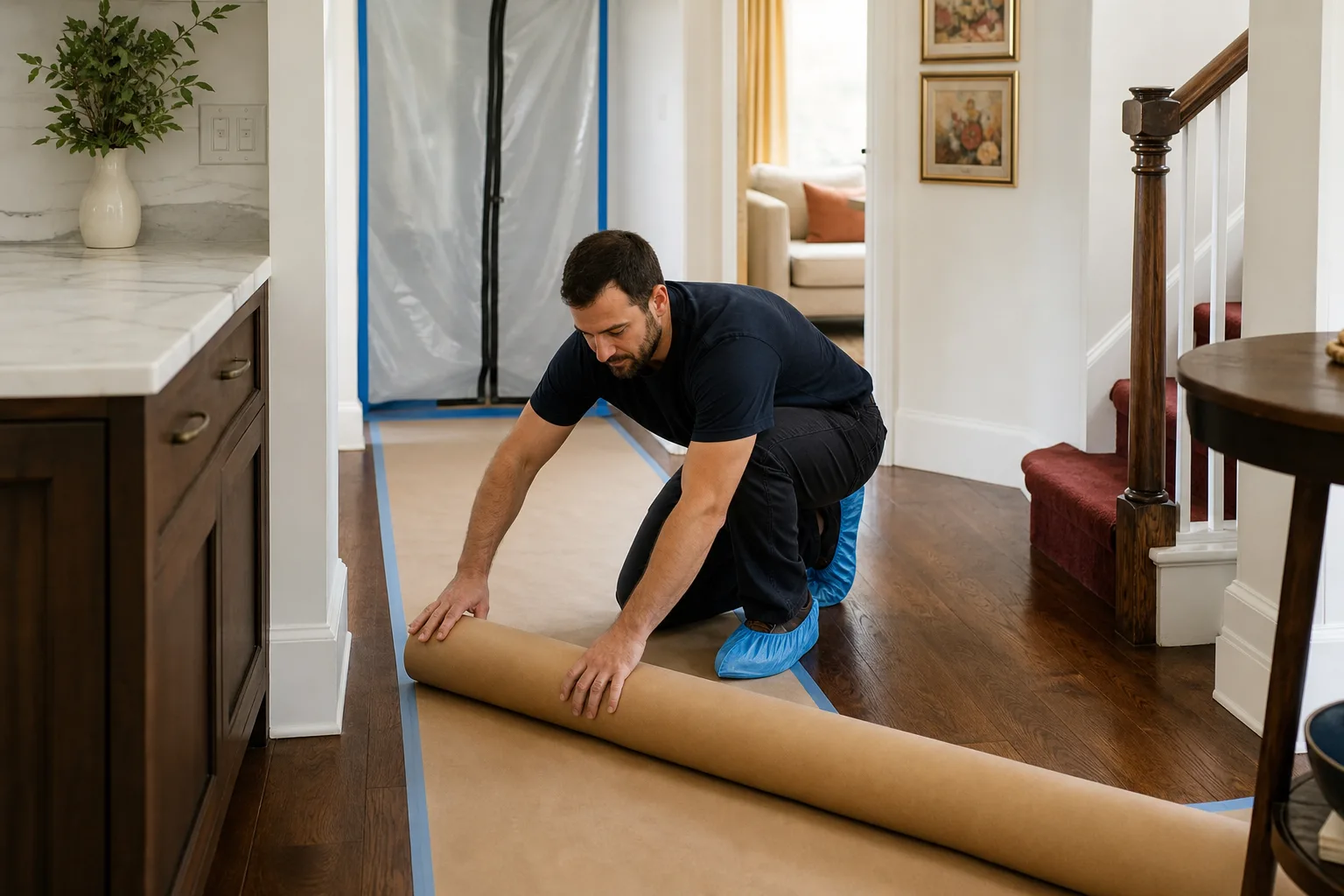
Our technicians have up to 22 years of experience in Miami Beach homes, and the pattern we see over and over is this: the homeowner starts with confidence and finishes with a phone call. That call goes better when it happens before demo day, not after. If you want a licensed contractor on record for the projects that require one, our general contractor in Miami Beach service covers the full range of permitted work.
What Miami-Dade Permit Rules Actually Say About DIY
Here’s the short version of what Miami-Dade permits require. If your project touches any of the categories below, plan on a licensed contractor pulling the permit and being named on the job card.
- Electrical: New circuits, panel changes, outlet additions, lighting rewires, and appliance hookups all require a licensed electrical contractor. Homeowners cannot pull these permits themselves inside Miami Beach.
- Plumbing: Moving a supply line, replacing a drain, installing a new fixture on a new rough-in, and any work inside the wall requires a licensed plumber and a permit. Swapping a faucet onto existing valves usually does not.
- Structural: Removing a wall, opening a load-bearing header, adding a beam, changing a window opening, and re-supporting a floor all require a licensed contractor plus engineering where the county asks for it.
- Mechanical (HVAC): New units, duct changes, and refrigerant line work need a licensed mechanical contractor.
- Roofing and exterior envelope: Re-roofs and impact-window replacements require permits and a licensed contractor, and Miami-Dade product approval under the hurricane code applies to the materials.
Work that typically does not require a permit includes painting, tiling over an existing sound substrate, replacing cabinet doors and hardware, replacing a faucet on existing stop valves, landscaping, and furniture assembly. The word “typically” matters. A condo may still require a permit even where the city doesn’t, and any water intrusion question inside the wall pulls the work back into permitted territory.
One practical note for anyone weighing a kitchen project: the biggest single line in the permit category is often the electrical update, because pulling a permit for a range or dishwasher change routinely surfaces federal-pacific-era wiring or undersized breakers. Those findings are common in Miami Beach’s older stock and are exactly the kind of thing that argues for a pro hand on the wheel. Our kitchen remodeling in Miami Beach team builds written scopes that account for that discovery cost before demo, not after.
How Miami Beach Condo Associations Change the Answer
If you own inside a Miami Beach condo, the city isn’t the only authority you answer to. Your association is the second, and in some buildings it’s the stricter one. Most associations require any work affecting common elements to be performed by a licensed, insured contractor, and they require proof of insurance and a signed contractor agreement before the crew steps on property.
What counts as a “common element” surprises people. It isn’t just the pool deck and the lobby. Under Florida condominium law, common elements typically include:
- Shared plumbing stacks and drain lines running between units
- Exterior walls, balconies, and window openings
- Roof systems and the building envelope
- Electrical service and shared panel feeds
- Hallways, stairwells, and structural columns
Retiling a bathroom floor in a South Beach high-rise often touches the waterproofing membrane over the slab, which affects the unit below. That’s frequently a common-element concern, and associations will ask for a permit and a licensed contractor to protect the building and their own insurance. If you paint your own unit’s interior, that’s usually fine. If you remove a shower pan, ask the association first, before the demo dust settles in the hall.
Associations also typically want to see a certificate of insurance naming the association as additional insured, a clean job site commitment, and a defined arrival window consistent with the building’s rules. That last part is where a company that shows up in a written window matters more than a company that shows up “sometime Tuesday.”
The Five Projects That Are Genuinely Safe to DIY
Here’s where we can tell you to get out the tools. These projects are cost-effective, low-risk, and in Miami Beach they don’t cross a permit or common-element line when done as described.
- Interior painting. Fresh paint is the highest-return DIY project in any Miami Beach home, and there’s a local reason for that: salt air and humidity fade exterior-facing interiors faster than most markets, so walls facing the ocean weather more visibly. A roller, good tape, and a drop cloth do more for a room than almost anything else.
- Cabinet hardware swaps. Replacing pulls and knobs on existing cabinet doors runs a few hundred dollars and takes an afternoon. This is one of our most-recommended pre-sale upgrades, and it’s fully reversible.
- Minor landscaping. Edge the beds, refresh mulch, add a few salt-tolerant plants. Just check the association’s rules on tree trimming and any work touching shared irrigation lines before you start.
- Fixture swaps on existing lines. Replacing a faucet, showerhead, or toilet seat assembly that reuses existing supply stops and drains is usually doable and usually doesn’t need a permit. Shut the water at the stop valve first and know where the main shutoff lives.
- Furniture assembly and shelving. Anchored properly into studs, this is our favorite weekend project. Shelf anchors that miss the stud are our least favorite, and Miami Beach’s concrete-and-plaster stock makes a stud finder a real investment.
The pattern across all five: nothing crosses behind a wall, no new circuit, no new drain. The moment you cross into the wall or into the panel, you’ve left DIY territory. If you’re unsure, that uncertainty is a signal to call. We install KraftMaid and Wellborn cabinetry, Cambria and Silestone countertops, and Kohler and Moen fixtures on the projects that do require a licensed hand, and we’ll happily say on the phone whether yours is one of them.
What Unpermitted DIY Work Costs You at Resale
The insurance hit is the first cost. The resale cost is the second, and in Miami Beach it’s frequently larger. Lenders and buyers ask for permitted work history, and a title search or inspection will surface a remodel without permits in almost every case.
Once unpermitted work is known, you have two paths, and neither is cheap:
- Retroactive permit. You file for an after-the-fact permit, which usually requires opening up the wall for inspection, corrections to meet current code, engineering where structural work is involved, and a reinspection fee. In Miami Beach, retroactive permitting of a bathroom or kitchen can easily run several thousand dollars, and it’s often more than the original DIY savings.
- Demolition. If the work can’t be brought to code, you remove the built area and rebuild it properly with permits. That’s the expensive path, and it occasionally surfaces at closing with a week to spare.
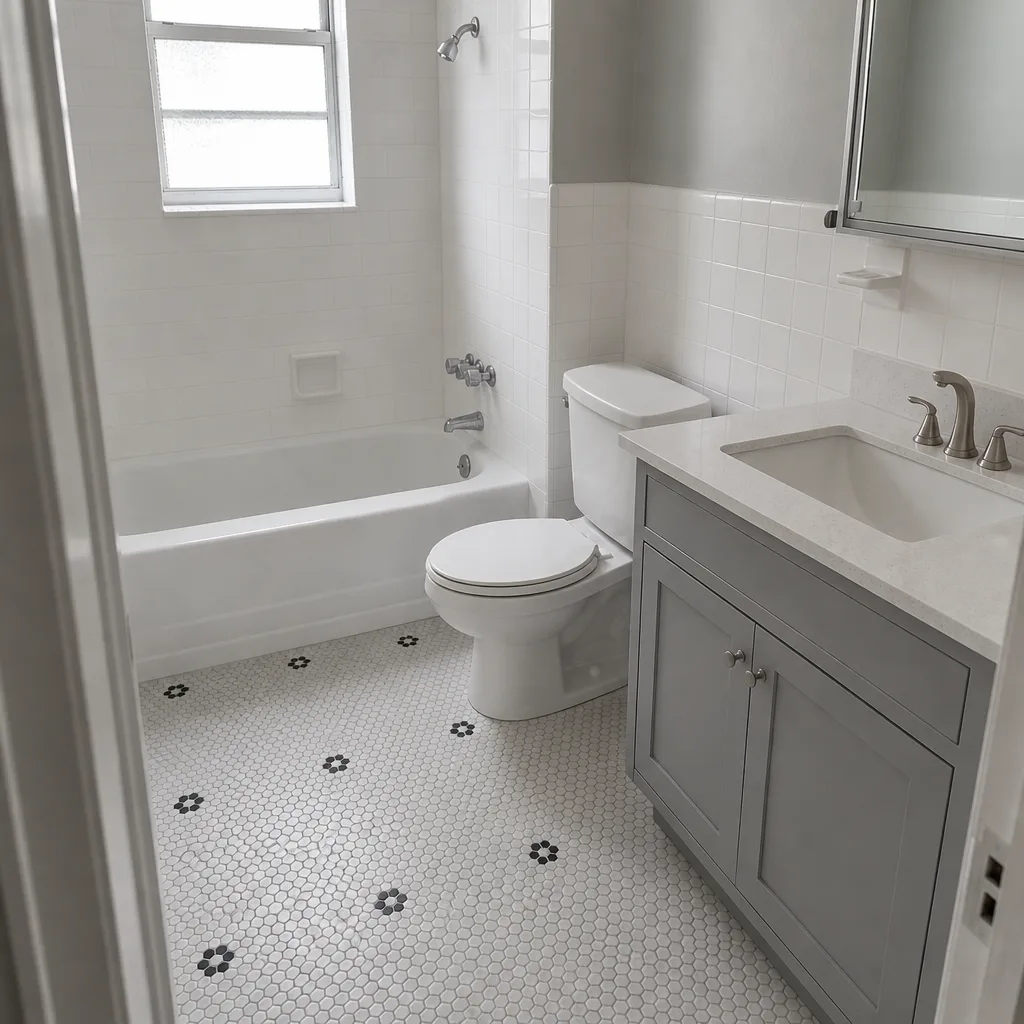
The pattern that surprises homeowners most: the work itself isn’t the problem. The work looks fine. But a buyer’s lender cares about the paper trail, and a Miami Beach condo board cares about insurance exposure. Both want to see a licensed contractor’s name on the permit. This is one of the reasons our bathroom remodeling in Miami Beach team pulls permits as a standard part of every job, not an add-on. When we hand over a finished bathroom, the paper is in order, and the resale conversation is easier.
What a Written Scope of Work Protects You From
A YouTube tutorial will teach you to set tile. It won’t protect you from a contractor who returns on day five with a new number. That’s the whole argument for a written scope of work, and it’s a protection a DIY project can’t give you because there’s no other party to hold to it.
A written scope of work should list, line by line:
- The exact price for each phase. Not a range. A number.
- The brands and product lines being installed. Cabinet line, countertop material, fixture models. When you know the countertop is Cambria versus an unspecified “quartz,” you can read the warranty before the slab is cut.
- What’s included and explicitly excluded. Demo, disposal, permits, finish work, and whether the price accounts for what’s discovered under the tile.
- The arrival window and completion expectation. A real window, not “next available.”
- The written guarantee. What’s covered, how long, and exactly what happens if something fails.
That last item is why we build every job around a written guarantee. Under the Kingswell standard, every Penhallow project gets a written price before work starts, a real arrival window, and The Kingswell Way in practice: say the price before the work, show up in the window we gave, leave the place cleaner than we found it. Our 365-Day Done Right Promise means if the work fails inside the first year, we come back and fix it at no charge. And if a repair fails, we return for a free second visit with no service-call fee. That’s not something a DIY tutorial can promise you. It’s the layer of protection a professional remodel is actually buying.
Product choice is part of that protection. When we install a Therma-Tru entry door or specify Tamko shingles on a Miami Beach re-roof, we’re picking materials with their own manufacturer warranties, so the coverage stacks: theirs for the product, ours for the installation. Unpermitted DIY work carries no warranty from anyone.
DIY vs Professional Cost: The Real Comparison
Homeowners often see this as a simple equation: DIY costs less, so let’s DIY. That ignores the invisible costs. Here’s a realistic comparison for the projects that get discussed most, using Miami Beach market ranges.
- Bathroom refresh, new tile and paint only: DIY material cost might run $1,800 – $3,200 for a full bath; permitted professional install with waterproofing done correctly typically runs $8,000 – $22,000. If a leak develops behind unpermitted tile, the repair and the insurance gap can exceed the entire professional job.
- Cabinet hardware and paint, kitchen refresh: DIY runs a few hundred to a couple thousand. Professional full kitchen remodel runs $18,000 – $55,000 depending on layout, cabinet line, and countertop material. The hardware-and-paint tier is DIY-appropriate; the full remodel is not.
- Faucet swap on existing valves: DIY is reasonable, $80 – $350 in parts. If the stop valve is seized or the supply line is brittle, the job flips into a plumber’s visit fast, and the line is exactly where a leak would start.
- Re-roof or impact window replacement: Required to be permitted and done by a licensed contractor in Miami-Dade. DIY isn’t a legal option here, and the hurricane code products like PGT or CGI windows won’t be covered under a manufacturer warranty without proper installation.
The pattern: the cost comparison only works if you price in the permit, the inspection, the warranty, and the insurance exposure. On small, reversible projects, DIY wins on every axis. On anything behind a wall, the professional job is cheaper once you price in the risk.
Common Mistakes to Avoid
- Assuming a beautiful result equals a compliant one. Well-executed unpermitted work is still unpermitted. In Miami Beach, the tile can look perfect and the insurance carrier can still call it a contributing cause.
- Forgetting the condo association entirely. Even work that doesn’t require a city permit can require association notice and a licensed contractor. Ask the board before you start, not after.
- Letting a contractor start without a written number. A verbal ballpark is not a price. If a contractor won’t put a number in writing before day one, that’s the answer you needed.
- Skipping permits to save time. Retroactive permitting costs more than the original permit in almost every case, and the resale conversation gets harder with every year that passes.
- DIY-ing the waterproofing behind tile. Cement board substrate and a proper moisture barrier are the parts you can’t see and the parts that fail. Water damage behind a shower is the most common post-DIY call we get in Miami Beach condos.
- Treating “up to code” as “the minimum effort.” Miami-Dade code for electrical and structural work responds directly to hurricane exposure. Doing the visible half and skipping the hidden half invites a failure during storm season.
- Trusting a low bid that didn’t account for discovery. Older Miami Beach homes routinely surface surprises under demo: undersized breakers, cast-iron drains, salt-damaged framing. A written scope accounts for the possibility. A handshake budget doesn’t.
See the difference
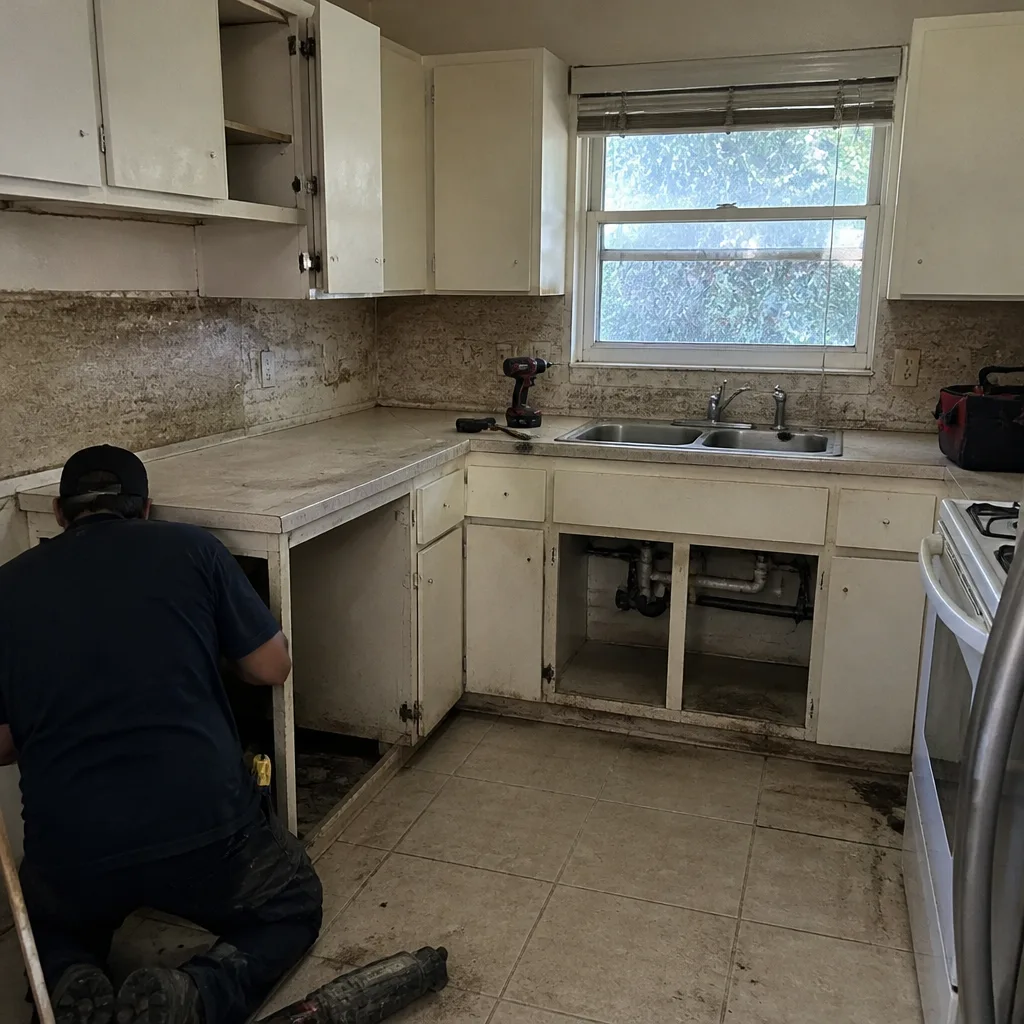 Before
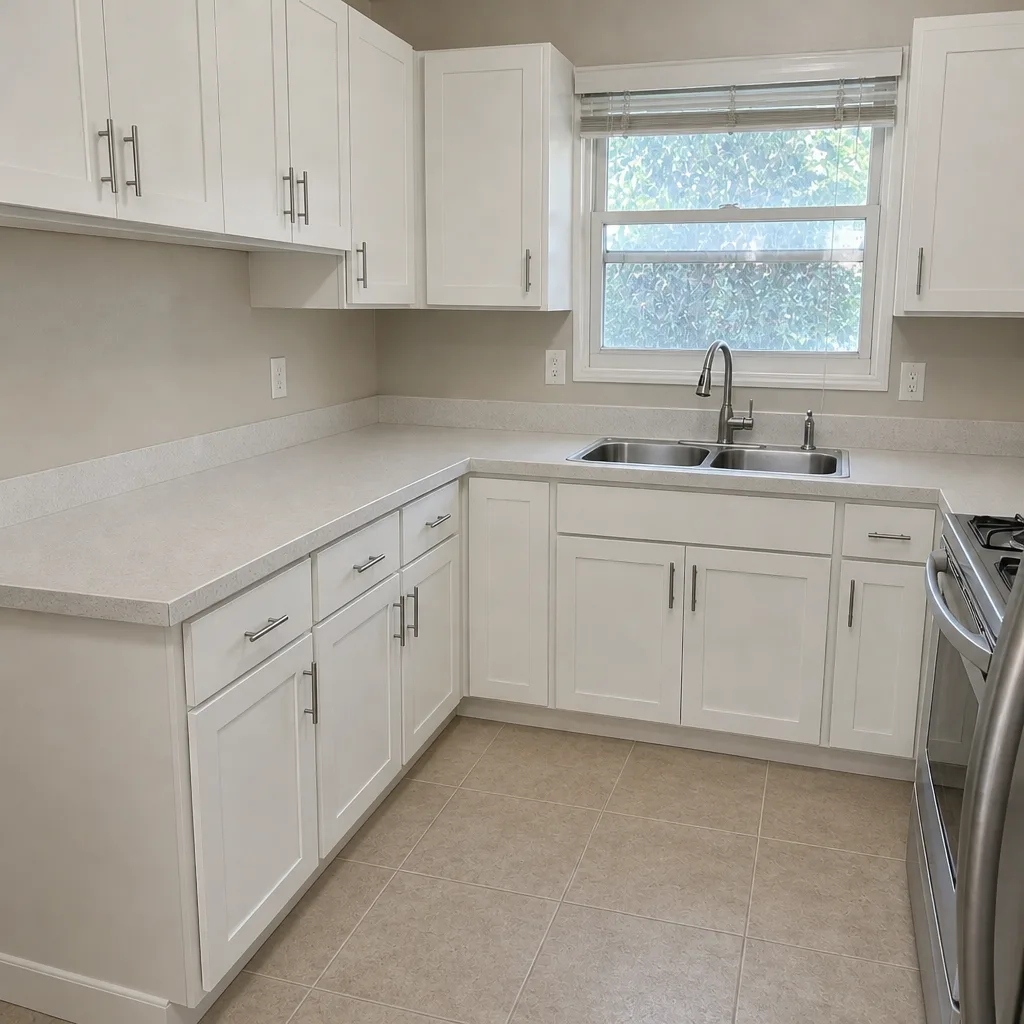 After
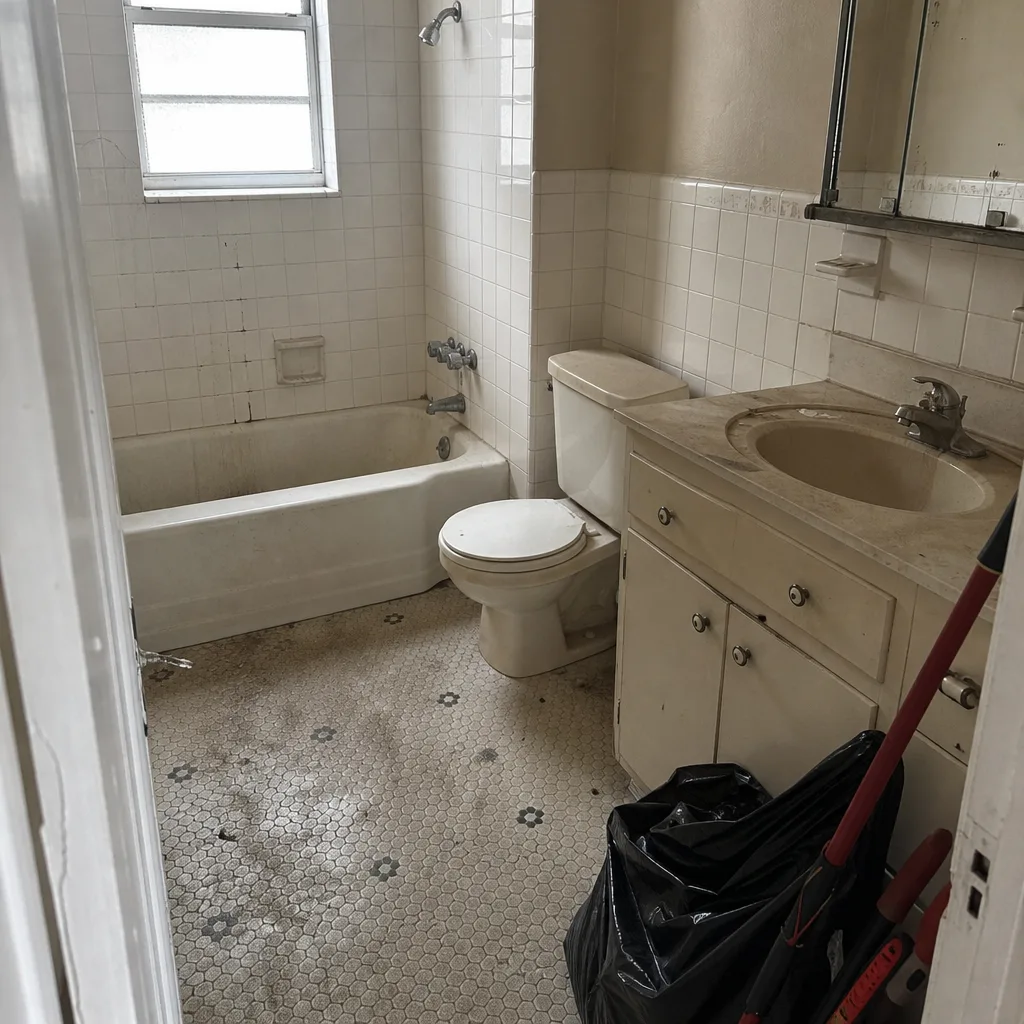 Before
 After
 Before
 After
When to Call a Professional

Call a professional when the project meets any of these conditions: the work requires a permit, touches a common element, involves electrical or plumbing inside the wall, changes a structural opening, or requires hurricane-code approval on windows or roofing. Call when the job needs a warranty you can point at. Call when the insurance and resale paperwork matter more than the weekend savings.
The five projects in this guide are the honest DIY territory in Miami Beach. Everything else is where a licensed contractor on record makes the work and the paperwork both hold. Penhallow Remodeling Miami Beach offers free estimates in Miami Beach, and we’ll tell you on the phone if your project is one you should keep, or one you should hand off. Call (844) 656-1986 for a free estimate.
Frequently Asked Questions
No. Miami-Dade requires a licensed electrical contractor to pull and perform electrical permits, so homeowner electrical work inside Miami Beach is not a permitted option regardless of skill. A live person answers our phone around the clock if you want to talk through what your project actually requires.
Interior painting is typically permit-free, but many associations require notice and may specify paint colors or approved products for exterior-facing surfaces. Check the association rules before the first roll of tape, and call (844) 656-1986 for a free estimate if your project grows past paint.
Buyers and lenders will usually discover unpermitted work during inspection or title review, and the cost falls on you: either a retroactive permit with inspection exposure, or demolition of the non-compliant work. In our experience, the retroactive permit cost often exceeds whatever the original DIY project saved. Call us to talk through a compliant path.
A faucet replacement that reuses existing supply stops and drain lines usually does not require a permit. If you’re moving the sink location or opening the wall to fix a leak, the work crosses into permitted plumbing and requires a licensed plumber.
A full permitted bathroom remodel in Miami Beach typically runs $8,000 – $22,000 depending on size and fixture line, versus perhaps $1,800 – $3,200 in materials for a DIY refresh. The lower number doesn’t account for permits, waterproofing done correctly, or the insurance exposure of unpermitted work, which is where the comparison flips.
The 365-Day Done Right Promise is our written commitment to return and fix any work that fails within a year, at no charge. It’s included in writing on every Penhallow remodel, and every project gets a written price before work starts. Call (844) 656-1986 to schedule a free estimate and see the guarantee in writing.
The Bottom Line

The DIY question in Miami Beach isn’t really about talent. It’s about permits, insurance, condo rules, and resale, and the surprising answer is that the safest projects are the cheapest ones. Paint the walls. Swap the hardware. Tidy the yard. Install the faucet on the existing valve. For anything behind the wall, in the panel, or over a common element, a licensed contractor on record is the cheaper path once you price in the risk. Get a written price before work starts. Get the permit pulled and the inspection passed. Then use the project, don’t worry about it. For the projects in Miami Beach that need a real crew and a written guarantee behind the work, our team is ready to help.
Call (844) 656-1986 for a free estimate on your Miami Beach remodel. We’ll give you a written price before any work starts, a real arrival window, and a written guarantee on every job. See our Penhallow Remodeling Miami Beach home page for the full picture of what we do.
Written by the team at Penhallow Remodeling Miami Beach.