Last updated November 18, 2026








Free written scope consultation - allowances, timeline, and change-order rules on paper before a single trade is scheduled
General Contractor Maintenance Schedule: What to Do and When
Most product warranties void silently. Not because the material failed, but because the homeowner missed a maintenance step nobody told them about. In Miami Beach, that silence comes with a deadline. Salt air, year-round humidity, and a hurricane season that starts in June all age building materials on a faster clock than the national averages printed on the label. A caulk joint rated for ten years inland might hold for five here. A painted exterior wall that survives a decade in drier climates can chalk and peel in Miami Beach in half that time.
This guide lays out a maintenance calendar built specifically for Miami Beach remodels: what to check at 30, 60, and 90 days, what to do annually, and which tasks keep your warranty valid versus which ones quietly void it.
Quick Answer
A finished Miami Beach remodel needs three checks in the first 90 days (the contractor callback window), seasonal waterproofing and caulk inspections every six months, and an annual pre-hurricane walkthrough covering windows, rooflines, and waterproofing transitions. Skipping any of these can void manufacturer warranties and the 365-Day Done Right Promise your contractor gave you in writing.
Styles & brands we work with
- Kitchen remodeling
- Bathroom remodeling
- Home additions & ADU
- Roofing
- Windows & doors
- Driveway & pavers
- Fence
Table of Contents
- The 30-60-90 Day Post-Remodel Checks
- Why Miami Beach Salt Air Shortens Product Life Spans
- Maintaining Grout, Waterproofing, and Painted Surfaces
- Annual Pre-Hurricane-Season Inspection Checklist
- Which Tasks Preserve Your Guarantee and Which Ones Void It
- The Six-Month Coastal Walkaround
- Common Mistakes to Avoid
- When to Call a Professional
The 30-60-90 Day Post-Remodel Checks
The most important maintenance window is the first three months after a remodel, because that’s when your contractor’s callback window is still open and most settling hasn’t finished. Materials expand and contract as they adjust to a new environment. Grout shrinks. Paint cures. Caulk cures. Cabinets settle on their hinges. Miss these checks and you’ll be paying for the fixes yourself.
Day 30: Surface and Seal Check
- Walk every caulk line in the bathroom and kitchen. Press a fingernail into each seam. If it gives more than a millimeter, the joint is starting to pull and needs to be flagged.
- Test every GFCI outlet in the kitchen and bathroom by pressing the test button. All should trip and reset.
- Run water in every sink, tub, and shower for a full minute. Look under the cabinets and around the base of the shower pan for weeping or discoloration.
- Open and close every cabinet door and drawer twenty times. Note any rubbing, sagging, or loose hinge.
- Check that all painted surfaces are uniform in sheen. Latex paint can show spotty curing on exterior walls in Miami Beach humidity.
Day 60: Moisture and Movement Check
By day 60, a wood-framed cabinet has fully acclimated. A new tile floor has stopped settling. This is when real problems surface, not the cosmetic quirks that resolve on their own. Focus on moisture meters, door clearances, and grout lines that have started to hairline crack at wall-to-floor transitions.
Day 90: The Callback Close-Out
This is the last window to file anything under your contractor’s guarantee before the job is officially “closed.” Walk the whole remodeled space with a written checklist and photograph everything. Under the 365-Day Done Right Promise, anything that fails inside the guarantee period is fixed at no charge, but you want to catch the small issues before they become large ones. Any line where a callback is made in good faith on day 87 should be documented in writing on day 88.
Why Miami Beach Salt Air Shortens Product Life Spans
Manufacturers test caulk, sealants, and exterior paint in lab environments and in inland climates. The UV index in Miami Beach hits 11 or higher from May through September, and the salt-laden air off Biscayne Bay deposits chloride on every exposed surface. That combination cuts caulk life nearly in half compared to what the tube says.
A polyurethane caulk rated “25-year” inland is a realistic 10 to 12 years in Miami Beach. A silicone-silicone blend that claims “50-year” might give you 20 to 25 before it fully fails. Acrylic-latex caulk, which is fine inland for interior seams, is basically a two-year product on a Miami Beach exterior window trim.
What to Look For in Caulk and Sealant Specs
- ASTM C920 Class 25 or higher – the joint movement rating. Miami Beach temperature swings between night and day routinely hit that 25% mark.
- Siliconized or 100% silicone for exterior – not acrylic. Acrylic cannot handle salt spray and will chalk within a season.
- Mildew-resistant formulation – the humidity here is a petri dish for mold spores on every painted surface.
- Cure time in writing – silicone takes 24 hours minimum before it can get wet. Don’t let a tropical downpour hit a fresh joint.
For window and door perimeters, we typically recommend 100% silicone or a hybrid polyurethane. For interior seams, siliconized acrylic is the standard. For areas around the shower pan and tub surround, 100% silicone with a mildew additive is the only thing that survives year-round humidity in Miami Beach. If a spec sheet says “paintable” and “exterior,” read the fine print. Most paintable exterior caulks don’t hold up under salt air.
Maintaining Grout, Waterproofing, and Painted Surfaces
New grout is not permanent. Cementitious grout is porous, and in Miami Beach’s humidity, it can absorb moisture from the air on a slow day even inside a well-ventilated bathroom. Waterproofing membranes behind tile are only as good as the seams and terminations holding them together. Painted surfaces fade under UV long before they peel.
Grout: The Right Frequency and the Right Products
Reseal cementitious grout every 12 months in a bathroom with daily use, every two years in a low-traffic powder room. Use an impregnating sealer, not a topical coating. Topical sealers peel. Impregnators penetrate the tile and grout and chemically repel water. Test by dropping a spoonful of water on the grout line: if it beads, you’re sealed. If it darkens, you need to reseal before the grout absorbs enough moisture to support mold growth.
Waterproofing Membranes: Do Not Touch, Do Not Drill
This is where homeowners void warranties most often without knowing it. Every fastener, every drill bit, every tile anchor that pierces a waterproofing membrane creates a potential leak. The membrane behind a shower or a balcony deck has a specified service life of 20 to 30 years, but only if it’s not punctured. If you need to hang a towel bar or mount a shower shelf, use adhesive-based fixtures or consult us first. Screwing into a waterproofed wall is the single most common cause of hidden water damage in a Miami Beach remodel.
Painted Surfaces: The Coastal Repaint Cycle
Expect to repaint exterior trim every 4 to 6 years in Miami Beach. Walls painted with a premium 100% acrylic latex, like those we use for James Hardie siding, will typically go 7 to 10 years before showing chalk or fade. Walk the protected siding every summer and wash it down with a garden hose. Salt deposits dull the paint film and reduce its UV resistance over time. A simple wash extends the repaint cycle by a year, sometimes two.
Annual Pre-Hurricane-Season Inspection Checklist
Hurricane season runs June 1 to November 30, and Miami Beach is right in the middle of the cone. The National Weather Service doesn’t officially start hurricane season until June, but by mid-May, we’re already doing pre-season walkthroughs with homeowners across the city. This checklist is the one we use on every project we’ve ever finished in Miami Beach.
- Windows and door frames: Check every sealant joint around windows and doors. Look for gaps, cracks, or caulk that has pulled away from the frame. Water intrusion at window perimeters is the number-one cause of hidden wall damage after a storm.
- Roof flashing and roofline: Walk the interior of every exterior wall. Look for water staining near the ceiling line. If you can see up into the attic, look for daylight around vents, pipes, and chimneys. Any breach is a leak path in a hurricane.
- Waterproofing transitions: Every transition where two materials meet is a potential failure point. Where a balcony tile deck meets a stucco wall. Where a shower bench meets the shower floor. Press, probe, and photograph.
- Impact windows and doors: Test that every impact-rated window and door latches fully and seals. Check the gaskets. Replace cracked or shrunken gaskets before the season starts.
- Exterior drainage: Clear every drain, gutter, and swale. Miami Beach sits on a barrier island with a high water table. A blocked drain during a rainstorm means water against your foundation, not away from it.
- Contractor documentation: Confirm your written guarantee is on file. If you’ve had any waterproofing, roofing, or structural work done, keep the paperwork where you can find it fast.
If you’re looking at a big picture of your whole home before storm season rather than just a specific remodeled space, our Penhallow Remodeling Miami Beach home page outlines the services we cover and how the guarantee works across a whole-home project.
Which Tasks Preserve Your Guarantee and Which Ones Void It
Warranties aren’t a single thing. There’s the manufacturer’s warranty on the material, the contractor’s 365-Day Done Right Promise on the installation, and the labor warranty that may or may not be separate. Maintenance protects the first and second. A homeowner who voids one rarely knows it until the day they file a claim.
Tasks That Preserve Your Guarantee
- Resealing grout with an impregnating sealer – recommended by every grout manufacturer and does not affect the warranty.
- Washing painted surfaces with a garden hose and mild soap – keeps the paint intact and does not void anything.
- Replacing caulk with the same specification or better – most warranties allow like-for-like caulk replacement. Keep the spec sheet or photograph the original tube.
- Cleaning gutters and drains – a maintenance requirement in most waterproofing warranties. Not doing it can void the waterproofing warranty.
- Annual professional inspections – many manufacturer warranties require periodic inspection to stay valid. Keep the inspection records.
Tasks That Void It
- Any unlicensed party doing waterproofing, electrical, or plumbing work – the manufacturer warranty and the contractor guarantee both exclude unlicensed labor. This is the most common void no homeowner expects.
- Drilling into or puncturing a waterproofing membrane – a single screw through a shower wall can void the entire wet-area warranty.
- Using an incompatible sealant – mixing silicone over an acrylic joint is a bond failure waiting to happen. If you’re not sure, don’t seal it.
- Skipping every scheduled inspection – if you can’t produce a record of any maintenance in three years, expect pushback on a warranty claim.
- DIY electrical or plumbing modifications – even a light fixture swap in a wet area can void coverage. Use a licensed trade for anything behind a wall or below a floor.
The clearest rule we can give: routine cleaning and resealing on a schedule preserves your warranty. Anything that involves a tool, a fixture, or a fastener inside or behind a waterproof surface doesn’t.
The Six-Month Coastal Walkaround
Some things need a check twice a year, not once. This five-point walkaround takes fifteen minutes and catches the issues that get expensive if you skip them.
- Caulk joint test: Press a fingernail into every exterior caulk line. Any joint that no longer springs back needs a re-seal before it fails.
- Grout line inspection: Check every wet-area grout line for cracking or darkening. Darkened grout is moisture intrusion starting behind the tile.
- Paint sheen audit: Look at every painted surface from a low angle. Uneven sheen or chalking is the first sign of a paint film that’s breaking down.
- Waterproofing transition probing: Press on every transition point. Any softness, give, or discoloration is a flag.
- Window gasket check: Open and close every window, check the gaskets, and look for daylight at any perimeter.
For a kitchen or bathroom that was recently finished, we recommend scheduling a professional inspection if you find more than one issue on the six-month walkaround. If you’re having work done on a specific room rather than the whole home, our Kitchen Remodeling in Miami Beach and Bathroom Remodeling in Miami Beach pages cover what we specify for those spaces, and why the materials we use hold up better under salt air and humidity.
Common Mistakes to Avoid
- Skipping the 30-60-90 checks because “everything looks fine.” Settling and curing issues surface quietly. By the time they’re visible, the callback window has usually closed.
- Using acrylic caulk on exterior joints in Miami Beach. Acrylic will chalk and crack within a season or two. The cost difference for silicone is a few dollars per tube and worth every penny.
- Drilling into shower or balcony waterproofing to hang something. This is the single fastest way to void a waterproofing warranty and start a hidden leak.
- Resealing grout with a topical coating instead of an impregnator. Topical coatings peel and trap moisture, which can cause the grout to disintegrate from the inside out.
- Letting an unlicensed handyman redo caulk, plumbing, or waterproofing. Even a small job done by an unlicensed party can void the manufacturer warranty and the 365-Day Done Right Promise in one call.
- Not documenting maintenance. A photo of the resealed shower line with a date is proof. Without proof, warranties often fail at the claim stage.
- Waiting until August to do storm-season prep. By August, every trade in Miami Beach is booked and the pre-storm window is gone. Start in May.
When to Call a Professional
Not every maintenance task belongs on a homeowner’s to-do list. Drilling into a shower wall, re-flashing around a window, or chasing a leak inside a wall needs a licensed professional and a written guarantee. If your grout is cracking across a full field rather than a hairline, if water is staining a ceiling below a bathroom, if a caulk joint has failed completely across a window frame, or if a waterproofed surface is soft to the touch, get us out to inspect it. Small water problems in Miami Beach multiply in a week.
If your home is due for a bigger walkthrough after a remodel, or you’re thinking about a new project and want to know what the maintenance plan looks like before the job starts, our General Contractor in Miami Beach page covers the full scope of how we work.
Penhallow Remodeling Miami Beach offers free estimates in Miami Beach. Call (844) 656-1986 to schedule yours.
See the difference
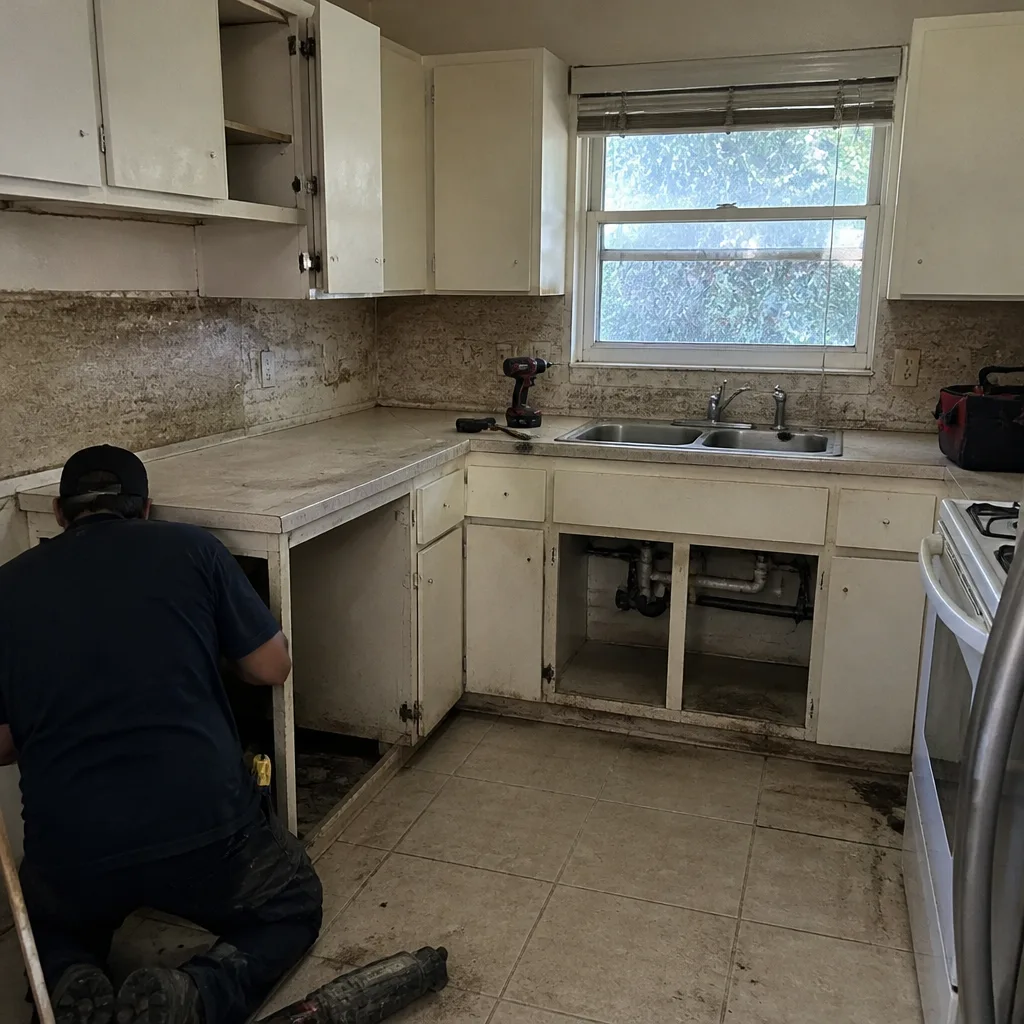 Before
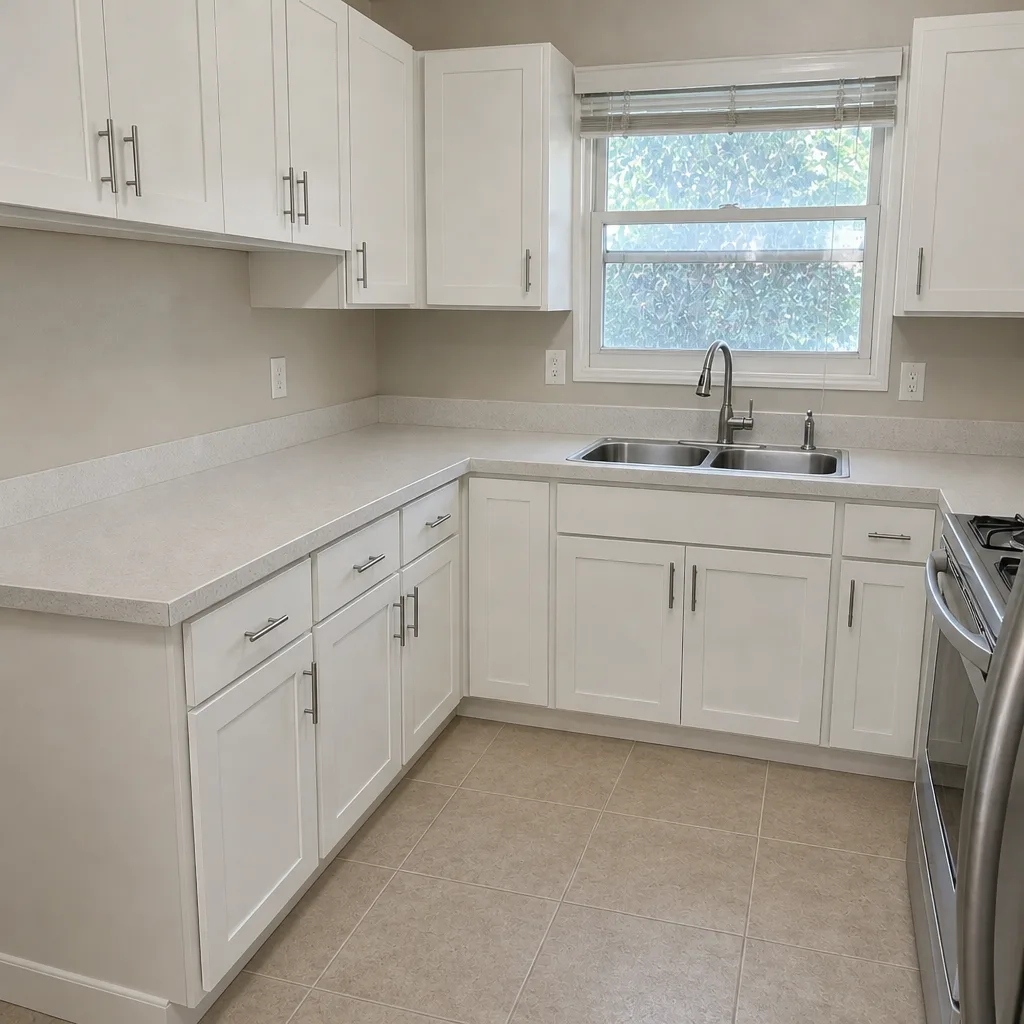 After
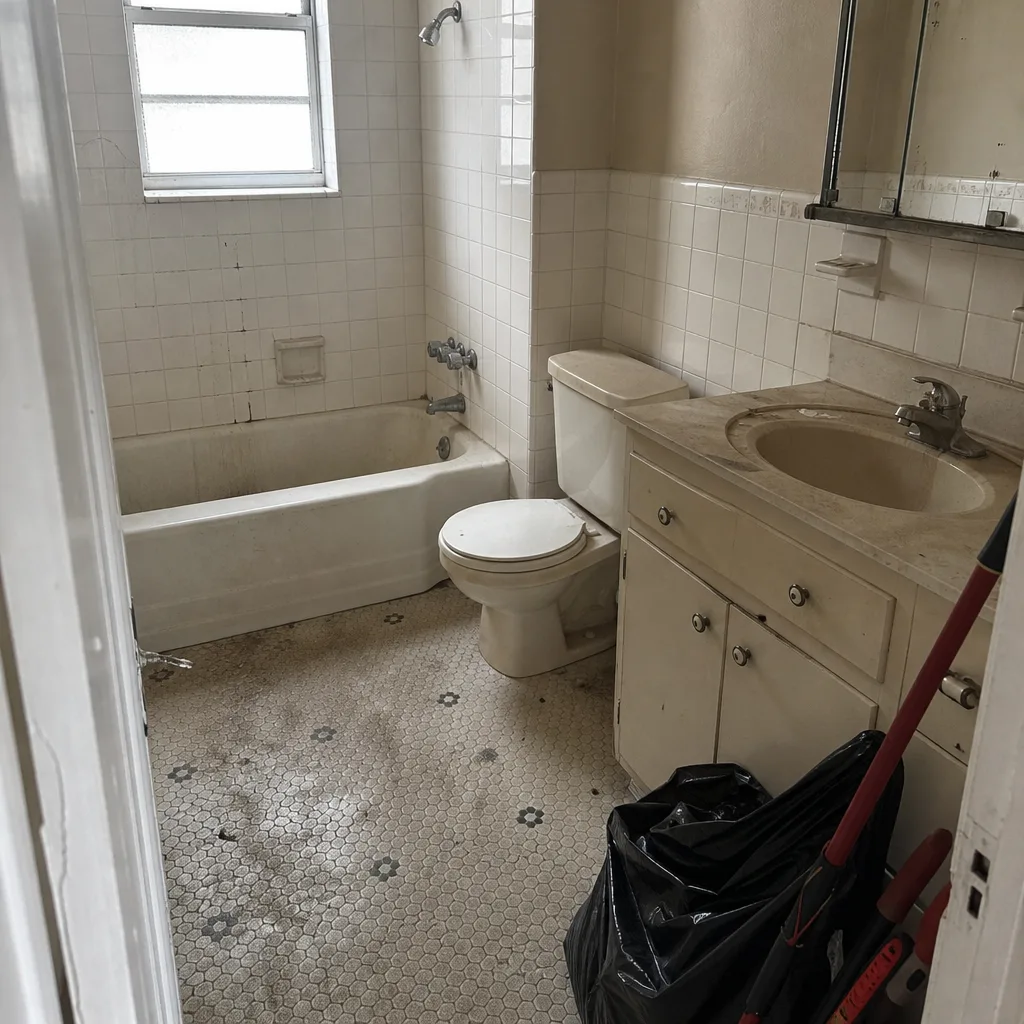 Before
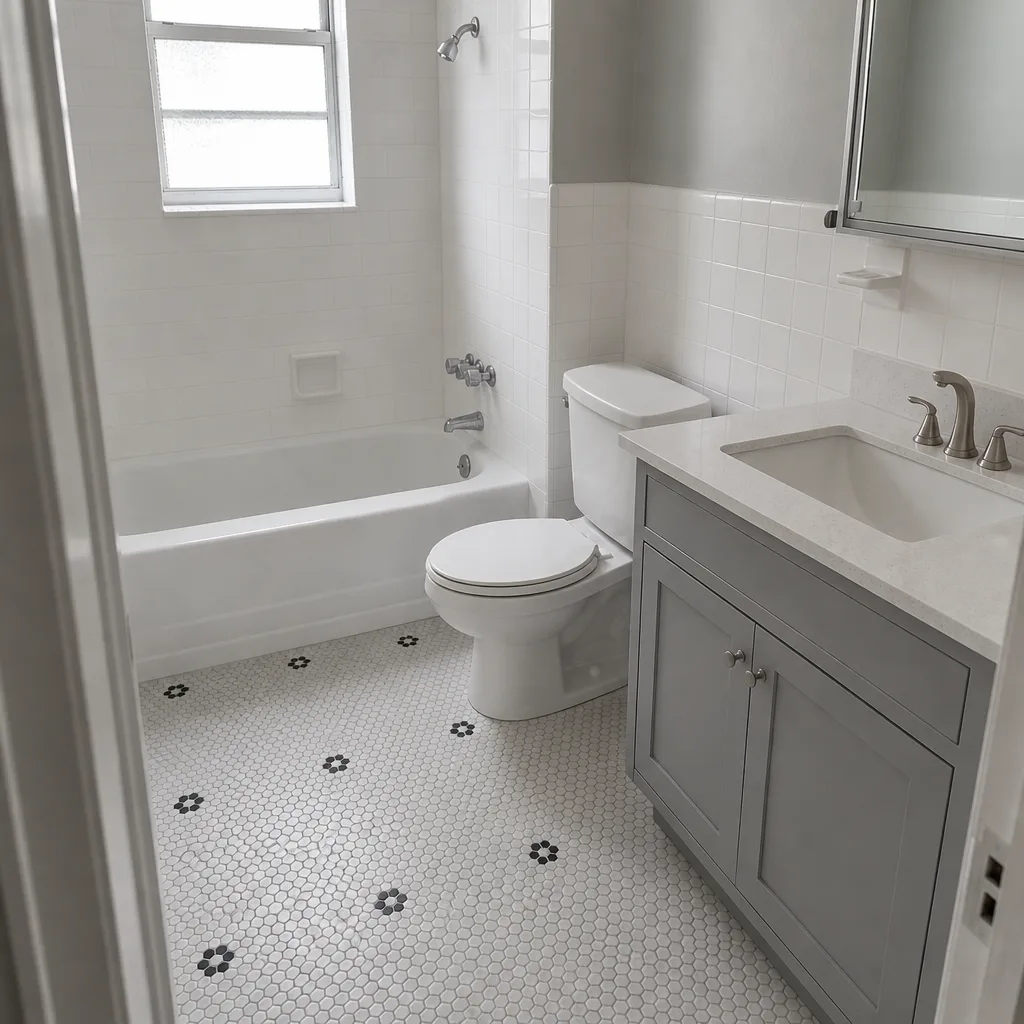 After
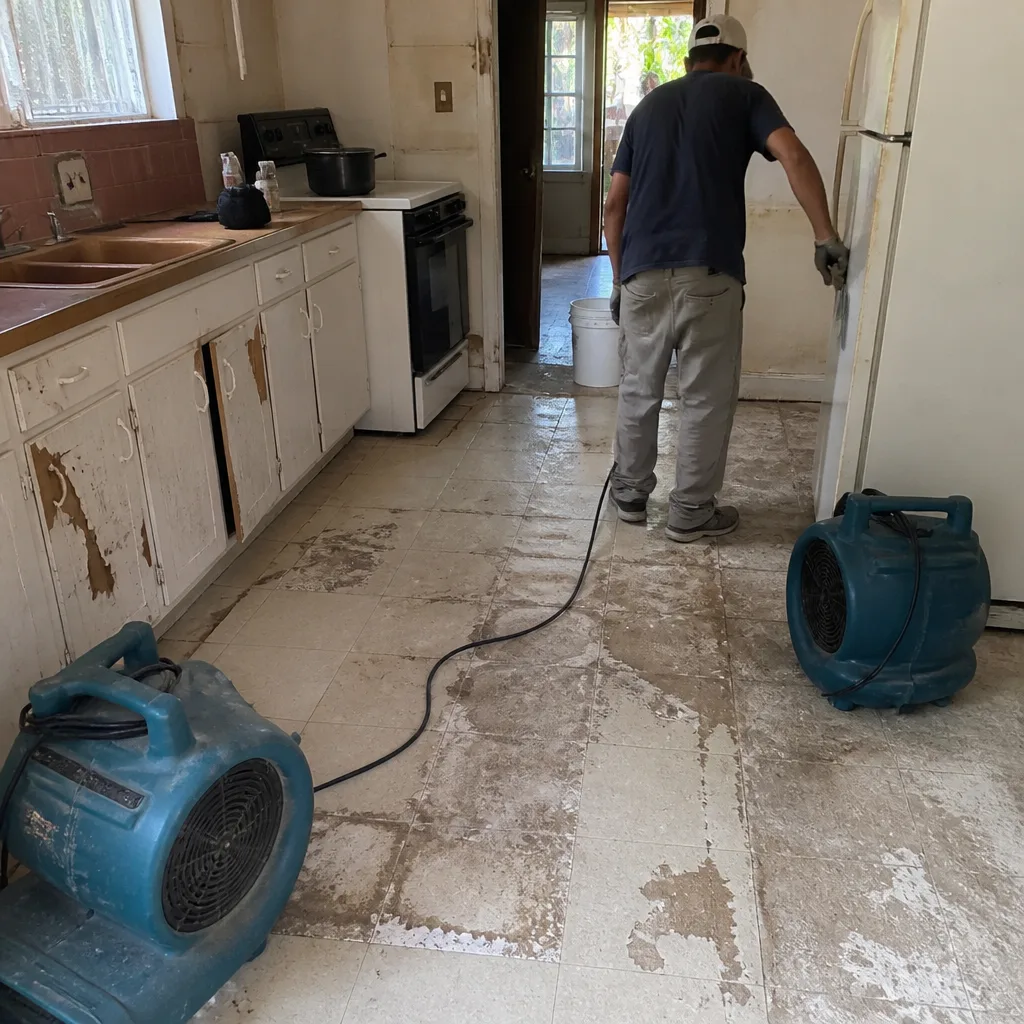 Before
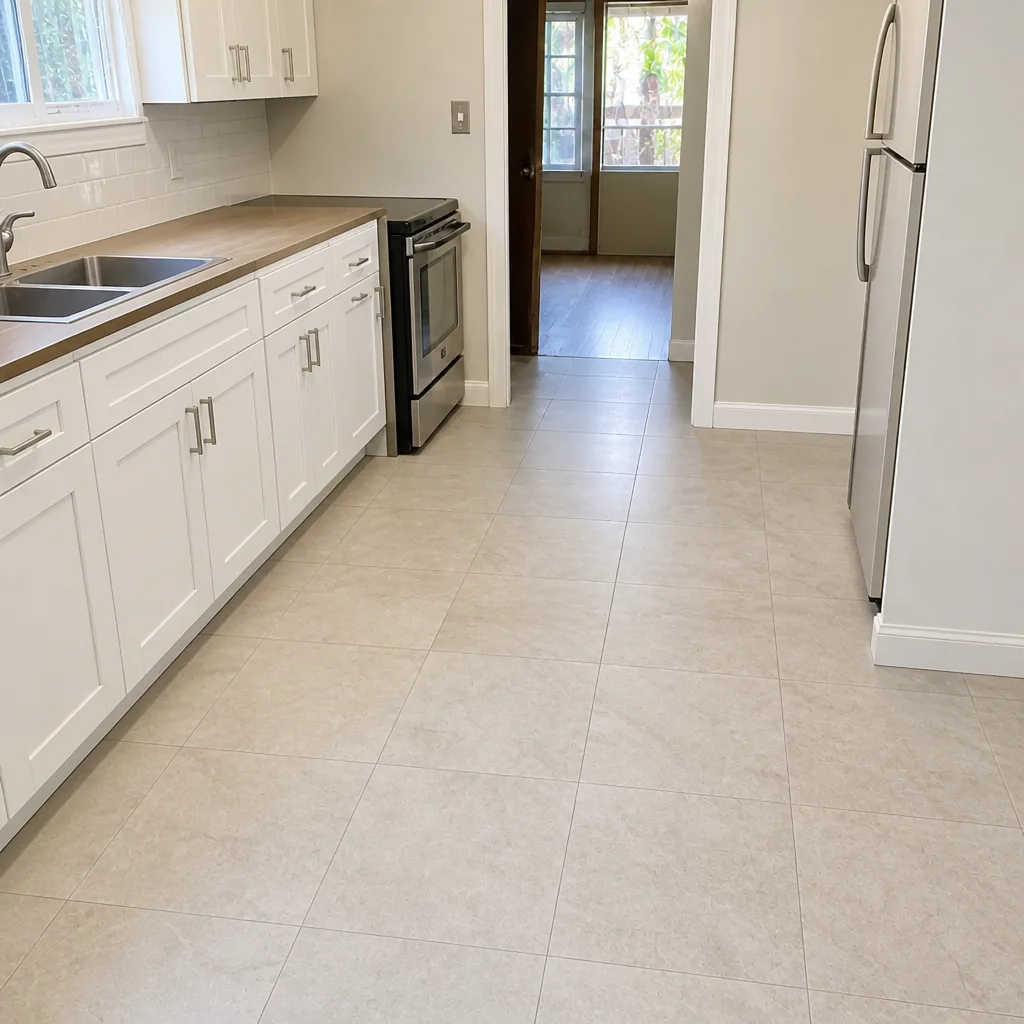 After
Frequently Asked Questions

Reseal cementitious grout every 12 months in a bathroom with daily use, and every two years in a low-traffic powder room. Miami Beach humidity accelerates moisture absorption, so the interior grout sealant schedule is roughly half of what you’d follow in a drier climate. Call (844) 656-1986 if you’d like a free inspection before your reseal is due.
Drilling into or puncturing a waterproofing membrane, using an unlicensed party for waterproofing, plumbing, or electrical work, and skipping documented inspections are the three biggest warranty voids. Routine cleaning, resealing with an approved product, and washing painted surfaces preserve your guarantee. Ask for the written guarantee before any work starts so you know exactly what’s covered.
Exterior trim in Miami Beach typically needs repainting every 4 to 6 years. Walls painted with a premium 100% acrylic latex, like the coating we use on James Hardie siding, go 7 to 10 years before showing chalk or fade. A garden-hose wash every summer extends that cycle by a year or two.
Yes. Even a first-year remodel in Miami Beach needs a mid-May walkthrough covering windows, rooflines, waterproofing transitions, and drainage. New sealant has fully cured by then, and any settling has surfaced. The checklist is short and the cost of missing something is far higher than the inspection itself.
A licensed contractor with waterproofing experience. Never a handyman, and never a homeowner with a tube of caulk. Waterproofing membranes are specified by brand and installation method, and any breach from an unqualified party can void both the manufacturer warranty and your contractor’s guarantee. Call (844) 656-1986 for a free estimate on any waterproofing inspection.
The 30-day caulk and seal check. It’s the earliest chance to catch failing joints, moisture intrusion, and settling issues while the contractor’s callback window is still open. Everything else on this schedule builds from that first check. Call (844) 656-1986 to book your 30-day walkthrough if your remodel is finished or nearing completion.
The Bottom Line
A Miami Beach remodel ages faster than the manufacturer’s printed average because salt air, UV, and storm season all work on the same materials. The three checks in the first 90 days, the six-month coastal walkaround, and the annual pre-hurricane inspection are the maintenance steps that keep every surface, seal, and waterproofing membrane intact. Skip them and warranties void quietly. Keep them and your 365-Day Done Right Promise stays in force. Every Penhallow Remodeling Miami Beach project comes with a written price before work starts, a written guarantee on every job, and a free return visit if a repair fails. Call (844) 656-1986 for a free estimate on inspection or maintenance work.
Written by the team at Penhallow Remodeling Miami Beach.