
Last updated November 18, 2026








Free written scope consultation - allowances, timeline, and change-order rules on paper before a single trade is scheduled
Home Remodeling Maintenance Schedule: What to Do and When
A national home-maintenance checklist tells you to inspect your roof every five years. In Miami Beach, that interval can cost you a full re-roof. Salt air, relentless UV, and a hurricane season that runs June through November break down sealants, shingles, and caulk joints two to three times faster here than the national average. What takes a decade to fail in Phoenix can fail in three summers on a barrier island. This guide gives you a month-by-month schedule built for this zip code, not a template. You’ll learn what to check, when to check it, and which skipped tasks quietly void the guarantees on your remodel.
Quick Answer
In Miami Beach, your home needs a 12-month rotating maintenance schedule rather than seasonal quarterly checks, because salt air, humidity, and hurricane season compress a normal ten-year degradation cycle into three to five. The core tasks: inspect caulk and grout every three months, survey stucco and weep screeds each October after storm season, reseal impact window frames annually, and clean bathroom exhaust fans every six months. Skipping these voids many contractor warranties and accelerates the repair bills no homeowner wants.
Styles & brands we work with
- Kitchen remodeling
- Bathroom remodeling
- Home additions & ADU
- Roofing
- Windows & doors
- Driveway & pavers
- Fence
Table of Contents
- Why Miami Beach Needs a 12-Month Schedule
- The Month-by-Month Maintenance Calendar
- Post-Hurricane Season Checklist (October)
- Which Tasks Void Your Warranty If Skipped
- Annual Maintenance vs. Deferred Repair Costs
- How to Document Maintenance for Your Guarantee
- Common Mistakes to Avoid
- Frequently Asked Questions
Why Miami Beach Needs a 12-Month Schedule
Most national maintenance calendars are built around four seasons. Miami Beach doesn’t have four seasons. It has a wet season, a dry season, and a hurricane window that overlaps both. That changes the math on how fast building materials fail.
Salt air is the biggest factor. Airborne chloride settles on every exterior surface and works into caulk joints, window seals, and metal flashing. Humidity keeps those surfaces damp, so corrosion and mold get a head start. Then UV intensity finishes the job, baking sealants until they crack and shrink. We’ve seen caulk around a bathroom window fail in eighteen months on Miami Beach when the same product holds for five years inland.
The practical result is that seasonal maintenance (spring cleaning, fall checkup) leaves you exposed. You need a rotating schedule where something gets inspected every single month. South Beach, Mid-Beach, North Beach, and the Venetian Islands all face the same coastal pressure, though homes directly on the bay or ocean front see it fastest.
If your home has had a recent kitchen or bathroom remodel, the schedule matters even more. New grout, new caulk, and new fixtures all have a breaking-in period where small failures show up first. Learn what a quality kitchen remodeling in Miami Beach setup should look like so you know what’s normal wear and what’s a warranty issue. And if you’re planning future work, understanding the role of a general contractor in Miami Beach helps you build maintenance into the project from day one.
The Month-by-Month Maintenance Calendar
Here’s the schedule we recommend for Miami Beach homes. Print it, tape it inside a cabinet, and check things off as you go. It’s organized by month because different months bring different risks.
- January: Inspect all interior caulk lines in bathrooms and kitchens. Re-caulk any joint that’s shrunk or pulled away from the tile.
- February: Check exterior window and door seals. Look for gaps where the frame meets the stucco.
- March: Clean bathroom and kitchen exhaust fans. Dust-clogged fans run hot and shorten their life. Vacuum the grille and wipe the blades.
- April: Pre-hurricane season roof and gutter check. Clear debris, confirm downspouts flow, and photograph everything before storm season.
- May: Test impact windows and doors. Open and close each one, check the locking mechanisms, and confirm the seals compress properly.
- June: Seal grout in bathrooms and kitchens. Grout is porous; sealing it keeps moisture out of the substrate behind your tile.
- July: Inspect exterior paint and stucco. Touch up any blisters or peeling before the wet season peak.
- August: Check under sinks for slow leaks. Look at the cabinet floor and the shutoff valves.
- September: Pre-storm exterior walkaround. Secure loose items, confirm shutters or panels are accessible, and document conditions.
- October: Full post-hurricane-season inspection. This is the big one. See the dedicated section below.
- November: Reseal any exterior caulk joints that failed during the summer.
- December: Year-end review. Update your maintenance log with dated photos and note anything that needs attention next year.
This is a rotating schedule, not a rigid one. If you notice a problem early, handle it early. The point is that nothing goes more than a few months without someone looking at it.
Post-Hurricane Season Checklist (October)
Most maintenance guides skip this entirely, but October is the most important month on the Miami Beach calendar. After five months of wind, rain, salt spray, and thermal cycling, hidden damage shows up. Here’s what to inspect once the season winds down.
- Weep screed inspection. The weep screed is the metal or plastic strip at the base of your stucco wall that lets trapped moisture drain out. If it’s clogged or painted over, water wicks up into the wall and rots the framing behind it. Check that the weep holes are open and the screed sits at least 4 inches above grade.
- Impact window resealing. Hurricane-rated windows depend on a continuous seal between frame and wall. Look for gaps, shrinking sealant, or water staining on the interior drywall below each window.
- Stucco micro-crack survey. Hairline cracks under 1/16 inch are usually cosmetic. Anything wider, or any crack that runs diagonally from a corner, needs a professional look. Water gets into micro-cracks and freezes on cold nights (yes, it happens here occasionally) or simply keeps the wall damp year-round.
- Roof flashing. Check where the roof meets walls and chimneys. Failed flashing is the most common source of interior leaks after storm season.
- Exterior paint condition. Salt spray degrades paint from the outside in. Any area where the paint has chalked or blistered needs repainting before the next wet season.
This October inspection is where our team at Penhallow Remodeling Miami Beach sees the most hidden damage. Catching a weep screed issue in October often saves a homeowner thousands in stucco and framing repairs by spring. If you want a thorough post-season walkthrough, the free estimate we offer on bathroom remodeling in Miami Beach projects also covers inspecting existing bathroom systems, and it’s a good time to have someone look at the whole envelope.
Which Tasks Void Your Warranty If Skipped
Not all maintenance is equal. Some tasks are optional; others are written into your contractor’s warranty as conditions. Skipping them can void coverage, which means you pay for a repair that should have been covered.
Here’s the short list of tasks that most warranties, including ours, treat as required:
- Grout sealing. Cement-based grout is porous by design. If you don’t seal it, moisture migrates behind the tile and into the cement board substrate, which is the moisture-resistant layer behind your tile. Once that substrate gets wet, the fix is a full tear-out. Most tile warranties require sealing within a set window and repeating it regularly.
- Caulk joints. The flexible joints around tubs, showers, sinks, and windows absorb movement. When caulk cracks and you don’t replace it, water gets behind the joint. A caulk failure is a maintenance issue; a rotted substrate behind it is a warranty claim, and the difference is whether you kept the joint sealed.
- Exhaust fan cleaning. A clogged bath fan can’t remove humidity, so moisture stays in the room. Many vent and fixture warranties are void if the fan was never cleaned.
The Penhallow 365-Day Done Right Promise covers work that fails due to installation or materials. It doesn’t cover work that failed because required maintenance was skipped. That’s not a loophole; it’s how every written guarantee works. Keep the joints sealed and the fans clean, and the guarantee stays fully in force.
Annual Maintenance vs. Deferred Repair Costs
Here’s the comparison that gets most homeowners’ attention. Spending a little on maintenance every year is dramatically cheaper than the repair bill that follows deferred maintenance in a coastal climate.
- Annual maintenance: $600-$1,200 per year on average, covering caulk, grout sealer, fan cleaning, seal inspections, and small touch-ups. If you hire most of it out, that range is realistic for a Miami Beach home.
- Deferred grout and caulk failure: $3,500-$8,000 to replace a shower or bathroom floor with rotted substrate. The tile comes out, the cement board comes out, and the framing gets inspected.
- Deferred weep screed failure: $4,000-$12,000 to repair stucco and framing once water has wicking into the wall long enough to rot it.
- Deferred window seal failure: $1,500-$4,000 per window or door to reseal and repair water-damaged interior drywall and trim.
- Deferred roof flashing failure: $2,000-$6,000 for ceiling repair, insulation replacement, and mold remediation after a leak.
Run the numbers over ten years: $6,000-$12,000 in routine maintenance versus $15,000-$30,000 in repairs plus the risk of secondary damage. The math isn’t close. Maintenance is the cheaper option every time, and it’s the difference between a home that holds its value and one that hammers you at resale.
How to Document Maintenance for Your Guarantee
Your written guarantee only protects you if you can prove you held up your end. That means keeping a dated record of maintenance. Here’s a simple system that works.
- Photograph everything with a date visible. Most phone cameras stamp the date in metadata. Take a photo of the caulk line you just sealed, the grout you just treated, and the fan you just cleaned.
- Keep a maintenance log. A simple notebook or a shared digital folder works. Note the date, what you did, and any issue you noticed. If you hired a pro, attach the receipt.
- File warranty documents together. The Penhallow guarantee is written, which is the whole point: you get a document you can hold us to. Keep it in the same folder as your maintenance log.
- Photograph before and after photos of any repair. If something fails and you call for the free return visit, having photos of the original condition speeds everything up.
- Review the log each December. Update it, note what needs attention next year, and confirm the record is complete.
This system takes about fifteen minutes a month and makes every guarantee on your home easier to enforce. Our founders built Penhallow around the Kingswell standard that every job gets a written price up front, a real arrival window, and a 365-day promise to make it right. That’s why Penhallow Remodeling Miami Beach home is the place to start if you want a written guarantee on the work itself.
See the difference
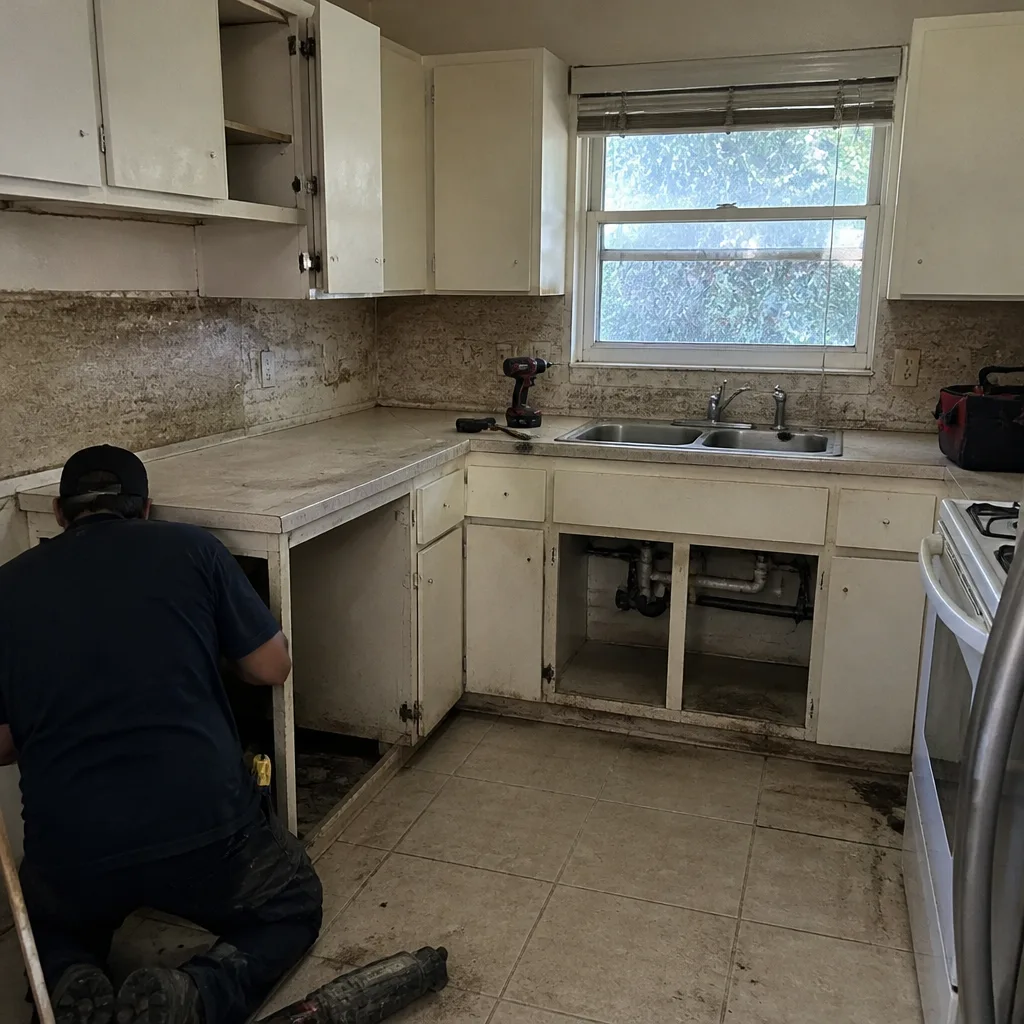 Before
 After
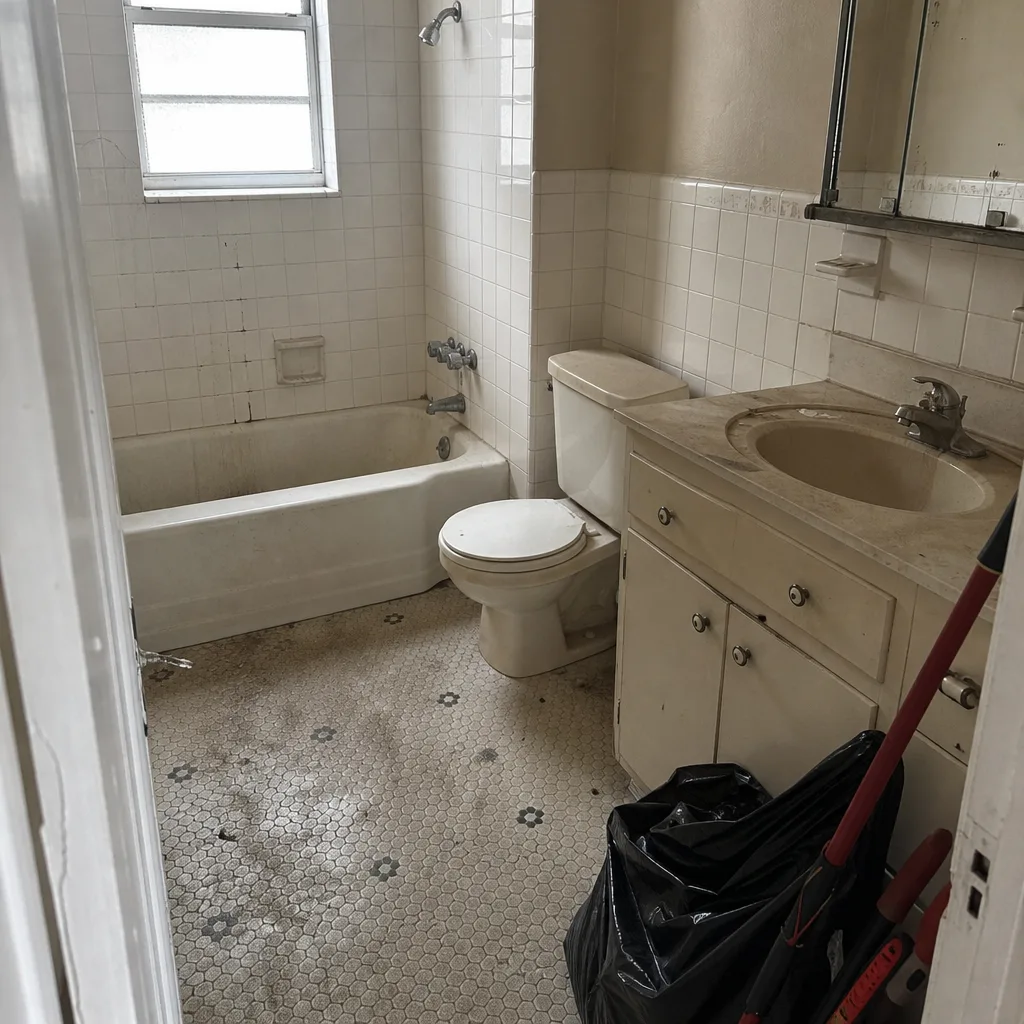 Before
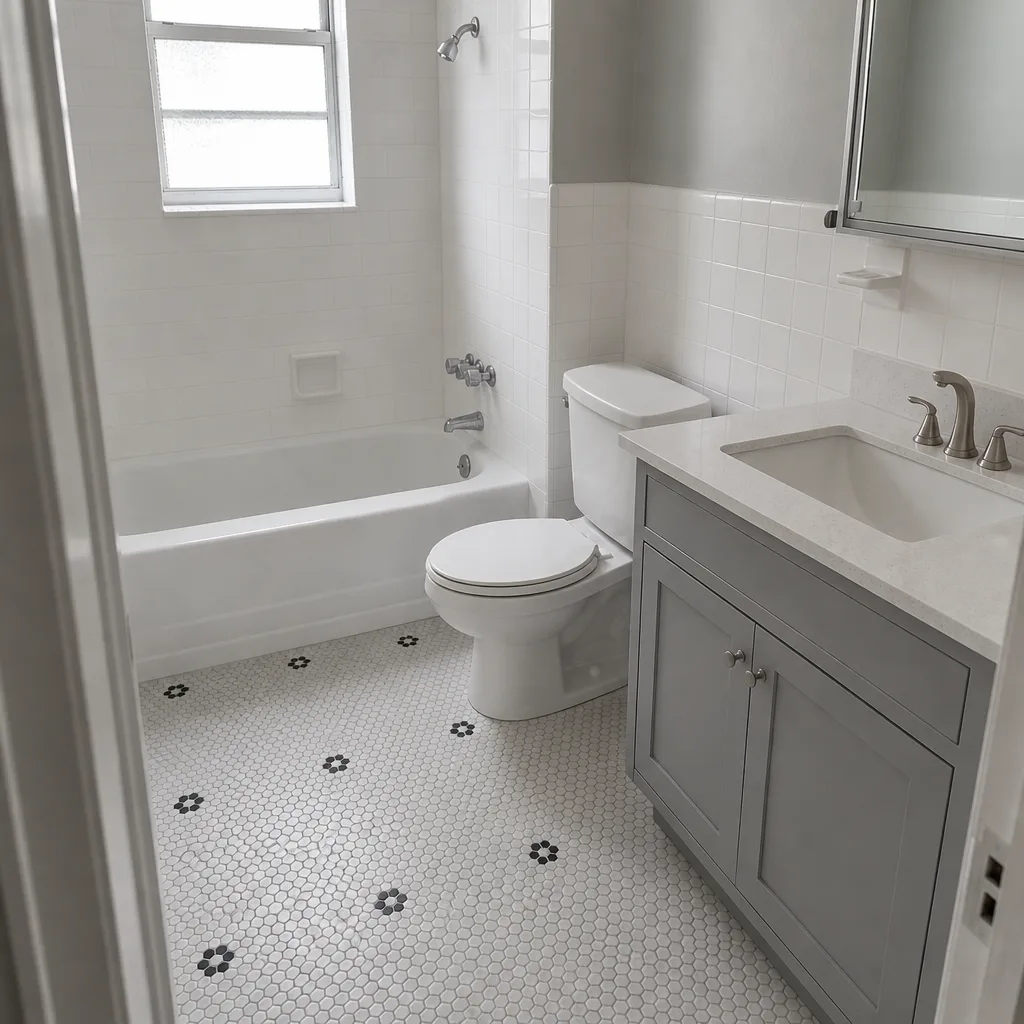 After
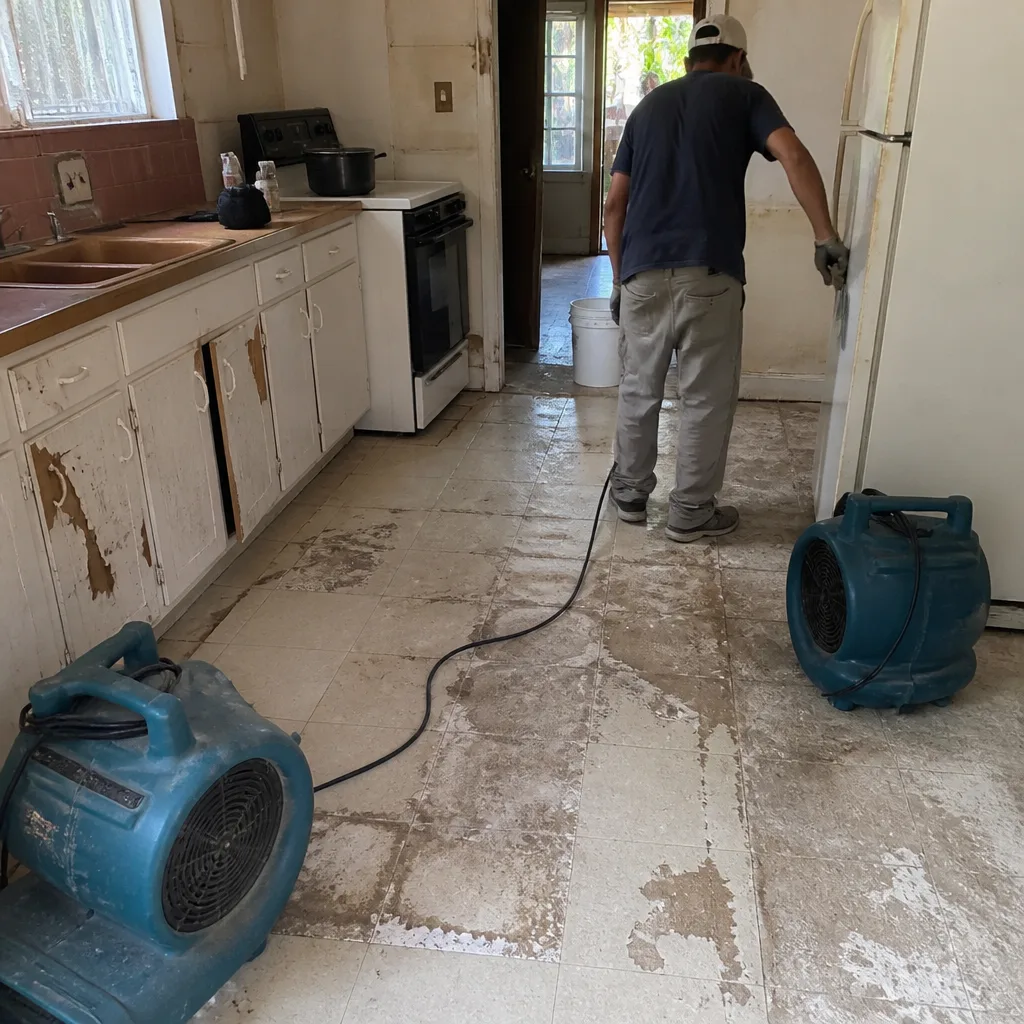 Before
 After
Common Mistakes to Avoid
- Using a national quarterly checklist. It misses the wet season and the October post-hurricane window, which are the two most important dates on a Miami Beach calendar. Build the schedule around coastal timing, not a generic four-season template.
- Ignoring the weep screed. It’s hidden at the base of the stucco and easy to forget, but a clogged weep screed is the number-one cause of hidden wall rot in this climate. Check it every October.
- Re-caulking over old caulk. New caulk doesn’t bond to old caulk. Pull the old bead, clean the joint, let it dry, then apply fresh sealant. A contractor who just caulks over the top is doing a repair that will fail in a season.
- Cleaning a bath fan with a vacuum only. Vacuuming the grille helps, but the blades and housing need wiping too. A fan running hot because it’s clogged with dust is a fire risk and a warranty void.
- Skipping grout sealing because it “looks fine.” Grout looks fine right up until it doesn’t. Moisture wicks through unsealed grout invisibly until the substrate is already wet.
- Not documenting maintenance. A guarantee is only as good as your record. No photos, no log, and the contractor can’t confirm you held up your end.
- Treating a small crack as cosmetic. A hairline stucco crack under 1/16 inch is often cosmetic. A diagonal crack, or one wider than that, needs a professional look before the next wet season.
When to Call a Professional
Some maintenance tasks are homeowner-level: vacuuming a fan, re-caulking a joint, taking photos. Others need a trained eye. Call a professional if you find a stucco crack wider than 1/16 inch, water staining on interior drywall near a window or roof, a weep screed that’s clogged or buried, or any area of a bathroom floor that feels soft or spongy underfoot. Electrical and gas work always calls for a licensed professional, and anything involving the structural envelope of the home should get a professional look before you decide it’s minor. Penhallow Remodeling Miami Beach offers free estimates in Miami Beach. Call (844) 656-1986 and we’ll walk you through what to prioritize.
Frequently Asked Questions
You should inspect something every month, and you should schedule a full post-hurricane-season walkthrough every October. The reason is that salt air, humidity, and UV intensity accelerate material failure two to three times faster here than the national average, so a quarterly schedule leaves you exposed. A rotating 12-month schedule where every month has one task is the right fit for this climate.
Yes, for specific tasks. Most written guarantees, including ours, treat grout sealing, caulk joint replacement, and exhaust fan cleaning as required maintenance. If your shower substrate fails because you never sealed the grout, that’s a maintenance failure, not an installation failure, and the guarantee won’t cover it. Keep a dated log and photos, and read the guarantee terms before you sign.
A weep screed is the metal or plastic strip at the base of your stucco wall that lets trapped moisture drain out of the wall assembly. If it’s clogged, painted over, or buried under soil, water can’t escape, and it wicks up into the framing behind the stucco. A $200-400 weep screed fix in October is much cheaper than the $4,000-$12,000 framing and stucco repair that follows a failed one. Call (844) 656-1986 if you’re not sure yours is clear.
Budget $600-$1,200 per year for routine maintenance, covering caulk, grout sealer, fan cleaning, inspections, and small touch-ups. That’s far less than the repair costs that follow deferred maintenance: $3,500-$8,000 for a failed shower substrate, $4,000-$12,000 for stucco and framing repair, or $1,500-$4,000 per failed window seal. Call (844) 656-1986 for a free estimate if you want a professional eye on what needs attention this year.
In Miami Beach, yes. Impact window frames depend on a continuous seal between the frame and the wall, and salt air plus UV exposure degrade that sealant every year. Inspect each window each October after storm season, looking for gaps, shrinking sealant, or water staining below the frame. Resealing takes a short time and prevents the drywall and molding repair that follows a failed seal.
You can do caulk replacement, fan cleaning, photo documentation, and grout sealing yourself. Hire a professional for anything involving the stucco envelope, a crack wider than 1/16 inch, water intrusion, or roof flashing. Those tasks need a trained eye because the visible symptom is usually much smaller than the actual problem behind it. Call (844) 656-1986 if you want a free estimate on a professional inspection.
The Bottom Line

Miami Beach’s salt air, humidity, and hurricane season compress a normal ten-year maintenance cycle into three to five years. A national quarterly checklist leaves you exposed. Build a 12-month rotating schedule, put October’s post-hurricane-season inspection at the center of it, and keep a dated photo log to protect your written guarantees. Routine maintenance runs $600-$1,200 a year; deferred repairs run $15,000-$30,000 over a decade. The math is not close. If you want a professional walkthrough of what needs attention in your home, call (844) 656-1986 for a free estimate from Penhallow Remodeling Miami Beach.
Written by the team at Penhallow Remodeling Miami Beach.