
Last updated November 18, 2026








Free written scope consultation - allowances, timeline, and change-order rules on paper before a single trade is scheduled
Home Remodeling Warning Signs Every Homeowner Should Know
The most expensive remodeling mistakes don’t happen before you hire. They happen sixty days after the contractor leaves, when hairline cracks appear above a new doorframe or grout starts separating at the floor edge, and you’re standing there with a flashlight trying to decide whether that’s normal settling or a workmanship failure you paid good money for. We’ve walked into Miami Beach homes where the homeowner waited eight months before calling anyone, and by then the efflorescence had crept up the new tile and the fix cost three times what it would have in week two. This guide covers the warning signs most articles skip: the ones that show up during the project and after completion, when you still have grounds to act but don’t always know it.
Quick Answer
The warning signs that matter most on a home remodel are: cracks that keep growing, doors or windows that newly stick, grout or caulk that fails within a year, water staining near windows or on new tile, and any request for extra money that isn’t in a written change order. Signs you can act on are signs you documented early, in photos, with dates. A written guarantee turns those photos into leverage instead of a story you tell at parties.
Styles & brands we work with
- Kitchen remodeling
- Bathroom remodeling
- Home additions & ADU
- Roofing
- Windows & doors
- Driveway & pavers
- Fence
Table of Contents
- Warning Signs During the Project
- When “While We’re In There” Becomes Scope Creep
- Change Orders: What a Real One Looks Like
- Miami Beach Climate Warning Signs: Efflorescence, Stucco, Grout
- Structural Warning Signs That Need Immediate Evaluation
- Cosmetic Settling vs. Workmanship Defect
- How to Document a Suspected Defect
- How a 365-Day Guarantee Changes Your Leverage
Warning Signs During the Project
The mid-project warning signs are quieter than the ones you read about during hiring. Nobody shows up late and yells at you. Instead, small frictions pile up. The crew leaves a mess in a hallway you asked them to keep clear. The daily check-in calls stop. A sub shows up who wasn’t on the paperwork, and when you ask who they are, the foreman says “he’s with us” without further detail. None of these alone mean you hired badly. Together, they’re a pattern.
Here is what to watch for while the work is happening:
- No written schedule updates. If the timeline you were given is quietly expanding with no explanation, ask for it in writing. A contractor who is comfortable with the plan is comfortable writing it down.
- Subcontractors without background checks or uniforms. You have the right to know who is in your home. In Miami Beach, we hear about crews showing up in unmarked vehicles with no names attached to the job – that’s a red flag, not a convenience.
- Changes to the scope that appear in conversation, not paperwork. “We noticed the framing is a little off – we’ll just fix it while we’re in there” is fine once. Repeated three times, it’s a sign someone is testing what you’ll approve verbally.
- Materials arriving that aren’t what you specified. If you agreed to Cambria quartz and the slab on the driveway says something else, that conversation needs to happen before install, not after.
- Site cleanliness slipping. Not just aesthetics – debris left in walkways, uncovered openings, tools in a hallway where a kid could reach them. A clean job site is a signature of a crew that takes the work seriously.
- Vague answers about permits. “We’ll handle it” is not an answer. You want the permit pulled and the inspection passed, on paper, before walls close up.
If you’re early in the process and haven’t signed anything yet, this is exactly the stage to compare written estimates side by side and see which contractor actually names the price. You can learn more about what that looks like in our guide to hiring a General Contractor in Miami Beach.
When “While We’re In There” Becomes Scope Creep
Scope creep is the slow leak of a remodeling project. It doesn’t arrive in one big bill – it arrives in five small ones you approved in the hallway with a nod. The pattern usually goes like this: the crew discovers something the original estimate didn’t cover, tells you it needs to be fixed, and offers to “just handle it” for a round number that never gets written down. You say yes because you want to be a good client. Six weeks later the invoice is 30% higher than the estimate and you can’t reconstruct which conversation covered which dollar.
Legitimate discoveries happen. Rot behind a shower wall, a joist that needs sistering, wiring that doesn’t meet current code – those are real, and a good contractor will tell you about them before touching anything. What separates a true change from manufactured scope creep comes down to three things:
- Written description of the issue. “The subfloor under the toilet flange is soft from old water intrusion. Here’s a photo.” Not “the subfloor is bad, we’ll fix it.”
- Written price before the work happens. A line-item price, not a ballpark. You should be able to compare it to your original plan and know exactly what you’re adding.
- Your signature before the work starts. Not your text-message “ok” and not your verbal yes. A signature on a written change order.
If a contractor asks for additional payment and can’t produce those three things in that order, stop the work. You are allowed to pause to review. “While we’re in there” upsells are the single most common way a fair estimate becomes an unfair invoice, and it’s the kind of thing that a written price up front is designed to prevent.
Change Orders: What a Real One Looks Like
A change order is a written amendment to your original contract. That’s it. It should describe the change, state the price, and be signed by both you and the contractor before the work happens. What you want to see on the page:
- The specific scope of what’s changing (which wall, which fixture, which brand)
- A dollar amount, not a range
- How it affects the schedule, if at all
- Whether it changes any of the material specifications (a Kohler faucet swapped for a Moen of equal spec is fine; swapped for a house brand is not)
- Both signatures and a date
Verbal change orders are how homeowners lose money without ever quite knowing how. A contractor tells you the price on the phone and you agree in the moment, then three months later the invoice reflects a different number and there’s nothing written to compare it to. Even if the number was honest, you can’t prove it. A written change order protects both sides. It protects you from being overcharged, and it protects the contractor from being underpaid for actual additional work. If your contractor won’t put changes in writing, that’s not a contractor problem – it’s a sign the whole agreement is weaker than it should be.
Miami Beach Climate Warning Signs: Efflorescence, Stucco, Grout
Miami Beach is a hostile environment for building materials dressed up as a pleasant one. The humidity sits high most of the year, salt air moves through everything, and the sun bakes the west-facing side of a house from mid-afternoon until dusk. A remodel that would hold up fine in Denver can fail on a South Florida wall inside eighteen months. Knowing the climate-specific signs is how you catch a workmanship defect before it becomes a structural repair.
Efflorescence on new tile or grout
Efflorescence is the white, powdery bloom that appears on the surface of tile, grout or concrete. It’s a salt deposit left behind when moisture migrates through the material and evaporates on the surface. On new tile installation, a little efflorescence in the first few weeks can be normal – the mortar is curing. Recurring efflorescence three months out, especially in a shower or on a floor near an exterior wall, means moisture is getting in from somewhere it shouldn’t. That’s a waterproofing issue, not a cleaning issue.
Stucco bubbling or blistering near windows
Stucco should be tight to the substrate. When it bubbles, blisters, or develops soft spots near window frames, water has found a way behind it. On Miami Beach homes, the culprit is usually one of three things: a failed window seal (which is why we install ES Windows and CWS products – both are rated for our wind-driven rain), a flashing detail that was skipped during the remodel, or paint applied before the stucco had cured. Each has a different fix, and the diagnosis matters as much as the repair.
Grout discoloration from moisture intrusion
Grout that darkens in patches and stays dark is wet. It’s not just cosmetic – moisture behind tile in a bathroom or kitchen will eventually reach the cement board substrate (the moisture-resistant layer behind your tile), and once that’s saturated, the tile pops. If you’re seeing persistent discoloration, especially near the floor line or in a shower, get it evaluated. Grout re-sealing is cheap. Tile replacement is not.
Other Miami Beach climate signals
- Wood trim swelling or separating at exterior door frames after summer rains
- Paint peeling on the south or west side of the house within a year of a new exterior finish
- Mildew recurring in the same corner of a remodeled bathroom, even with the fan running
- Mold at the base of a wall in a room that shares plumbing with another room
When a bathroom is being redone, the waterproofing layer behind the tile is doing more work than the tile itself. If that layer is compromised, the visible surface fails – and it fails on Miami Beach faster than most homeowners expect. Our Bathroom Remodeling in Miami Beach service is built around that layer precisely because we’ve seen what happens when it’s skipped.
Structural Warning Signs That Need Immediate Evaluation
Some warning signs are cosmetic. Some are not. The ones below don’t wait for a convenient weekend to schedule a look – they warrant a call now, because the cost of a month of waiting can double the repair.
- Doors that newly stick. A door that swung freely before the remodel and now drags at the top or side is telling you the frame has moved. That can mean settling, a shifted header, or a load path issue introduced during construction.
- Diagonal cracks radiating from window or door corners. Hairline cracks above a door frame get called “settling” so often it’s become a default answer. But cracks that are diagonal, originate at a corner, and keep growing are often foundation or framing movement. Measure them. If they’ve lengthened in 30 days, get an evaluation.
- Uneven floors. A marble that rolls across the floor is a party trick. A floor that feels spongy or slopes toward one wall after a remodel can mean a shifted joist, water-damaged subfloor, or poor prep before flooring went down. In Miami Beach, subfloor moisture is a regular visitor.
- Cracks in new drywall that appear in the first 60 days and keep growing. Drywall cracks in the first two weeks are usually normal (the house is drying out, the tape is settling). Cracks that are still growing at day 60 are a different conversation.
- Walls that feel solid but sound hollow when tapped. This can mean a missing stud, a failed patch, or a section of wall that was covered without proper backing.
- Any separation between a new wall and an existing one. If the seam opens, the two aren’t moving together. That’s a structural question, not a caulking question.
These signs warrant a call to a licensed structural engineer, not a bigger tube of caulking. If you’re unsure whether a symptom is structural or cosmetic, the safer answer is always to have it looked at by someone who can put an opinion in writing.
Cosmetic Settling vs. Workmanship Defect
The single most useful distinction in this whole guide is the difference between a house doing what houses do and a crew taking a shortcut. It’s also where most homeowners get talked out of a legitimate claim.
Cosmetic settling is expected. New construction and heavy remodels move. Wood shrinks as it dries. Drywall develops hairline cracks at seams within the first month or two. Grout at the caulk transition may open by a hair. A door may need a small adjustment within 90 days. These are normal and any good contractor will come back and touch them up without argument.
A workmanship defect is not settling. Tiles that pop off the floor. Grout that fails within six months. Waterproofing that leaks at a shower pan. Cabinet doors that don’t align because the boxes went in out of level. Textured drywall that fails at a seam because the tape wasn’t set properly. Exterior paint that peels within a year because the stucco wasn’t cured before paint went on. These are signs the installation was wrong, not that the house is old.
How to tell the difference
- Timing. Most settling shows up in the first 30-60 days. Workmanship defects often take 6-18 months to become visible, which is why a twelve-month guarantee matters.
- Pattern. Settling is usually a single hairline crack. Defects repeat – three tiles loose, four grout lines open, two windows leaking.
- Direction. Settling moves slightly and stops. Defects get worse with weather cycles.
- Location. Cracks at ceilings and interior drywall seams are usually cosmetic. Cracks at exterior corners, around windows, or in wet areas are more often something else.
If your home failed the twelve-month test, the guarantee on your contract is where the answer lies. A 365-day written guarantee is the difference between “we’ll see what we can do” and “here’s what we’re doing about it, on what date.”
How to Document a Suspected Defect
Documentation is what separates a warranty claim that gets honored from a phone call the contractor vaguely remembers. Do these six things, in this order, and you’ll have a case you can hold someone to.
- Photograph on day one, before anything else. A wide shot showing the wall or room in context, and a close-up showing the defect clearly. If it’s a crack, put a coin or a measuring tape in the frame so the scale is obvious.
- Measure and date it. Use a small piece of painter’s tape as a reference mark at each end of a crack. Write the date on the tape with a pencil. Photograph the tape. This is how you prove the crack is growing rather than simply present.
- Keep a written log. A notes app entry per observation: date, location, what you saw, what you did. Short is fine. Consistent is what matters.
- Note the weather at the time. For Miami Beach, this is key. “Grout darkened after the June rain” is a more useful record than “grout looks dark.”
- Take a second set of photos 30 days later. Same angles, same lighting if possible. The comparison is what makes a claim credible.
- Notify the contractor in writing, with the photos attached. Email or a written work order request. Save the sent copy. A verbal call is fine as a backup, but the written notification is what establishes a timeline.
Once you’ve done these six things, you have a file. A written guarantee on the original contract lets you walk that file to the contractor and say “here’s what’s covered and here’s what I’m asking for.” Without the written guarantee, you’re asking.
If your project involves exterior work – windows, doors, siding – the brand behind the product matters alongside the installation. ES Windows, CWS, ECO Window Systems and Mr-Glass each carry their own product warranties, and layering a product warranty with a workmanship guarantee is how a homeowner actually ends up protected on a window that starts leaking in year two.
How a 365-Day Guarantee Changes Your Leverage
Almost every remodeling problem we get called about after the fact comes down to this: the homeowner didn’t know they had a claim. They saw the crack, assumed it was normal, waited, and by the time they called, the timeline for acting had passed and the counterargument had shifted to “you didn’t tell us in time.”
A written guarantee changes the conversation. It takes “is this normal?” out of the room. If the work was covered by a 365-day guarantee, the answer to “is this covered?” is answered by the document, not by whoever is on the phone. “The number on day one is the number on the invoice” is not a slogan – it’s a structure. So is “if it fails within a year, we come back and fix it at no charge.” A written guarantee cuts through the ambiguity of middle-of-the-night second-guessing. Either the defect is covered or it isn’t, and either way you’ll know in writing.
What to look for in the written guarantee:
- The duration, stated plainly. “365 days from substantial completion” is a real guarantee. “Our workmanship warranty” is not.
- What’s covered. Grout failure, tile pop, waterproofing, cabinet alignment, finish defects, exterior paint, waterproofing at windows.
- What’s excluded. Every guarantee has exclusions – usually acts of God, misuse, and modifications by others. A guarantee that lists its exclusions is more credible than one that doesn’t.
- The response mechanism. Who you call, and what happens next. A live person answering 24/7 is different from a voicemail box.
- The remedy. For us, it’s the 365-Day Done Right Promise and a free return visit if the repair itself fails – no service call, no re-inspection fee.
You can see how that structure looks on a full project through our Kitchen Remodeling in Miami Beach service, where cabinets from KraftMaid and Wellborn, counters from Cambria, Silestone and Caesarstone, and fixtures from Kohler and Moen all carry product warranties that layer with our workmanship guarantee. That’s the point – each layer of protection does its own job. The product backs the material. The guarantee backs the installation.
Common Mistakes to Avoid
- Waiting to document. The photo you take today is the leverage you have in eight months. The photo you take eight months from now when you decide to call is just an inconvenience. Photograph early, measure once a month.
- Approving changes verbally. In Miami Beach, hallway conversations are how scope creep sneaks in. Every change, every dollar, in writing with a signature.
- Ignoring small grout or caulk failures. A hairline crack in the caulk at the floor-to-tile transition looks like nothing. It’s also the exact path water needs to reach the cement board substrate behind the tile – and in this climate, it will.
- Assuming “settling” explains everything. Real settling exists. But when the settling pattern is three loose tiles, four discolored grout lines and a window that’s begun leaking, it isn’t settling. It’s a workmanship defect someone is hoping you’ll wait out.
- Letting a contractor tell you the guarantee is verbal. A guarantee that exists only in memory does not exist. If it isn’t written, it isn’t a guarantee.
- Hiring on price alone. The lowest bid in Miami Beach is very often the one that shows up with no written price and no written guarantee. You end up paying the difference in the third year, one repair at a time.
- Skipping the permit. Unpermitted work at a Miami Beach property can complicate resale and void insurance. If your contractor doesn’t pull the permit, the risk lands on you.
See the difference
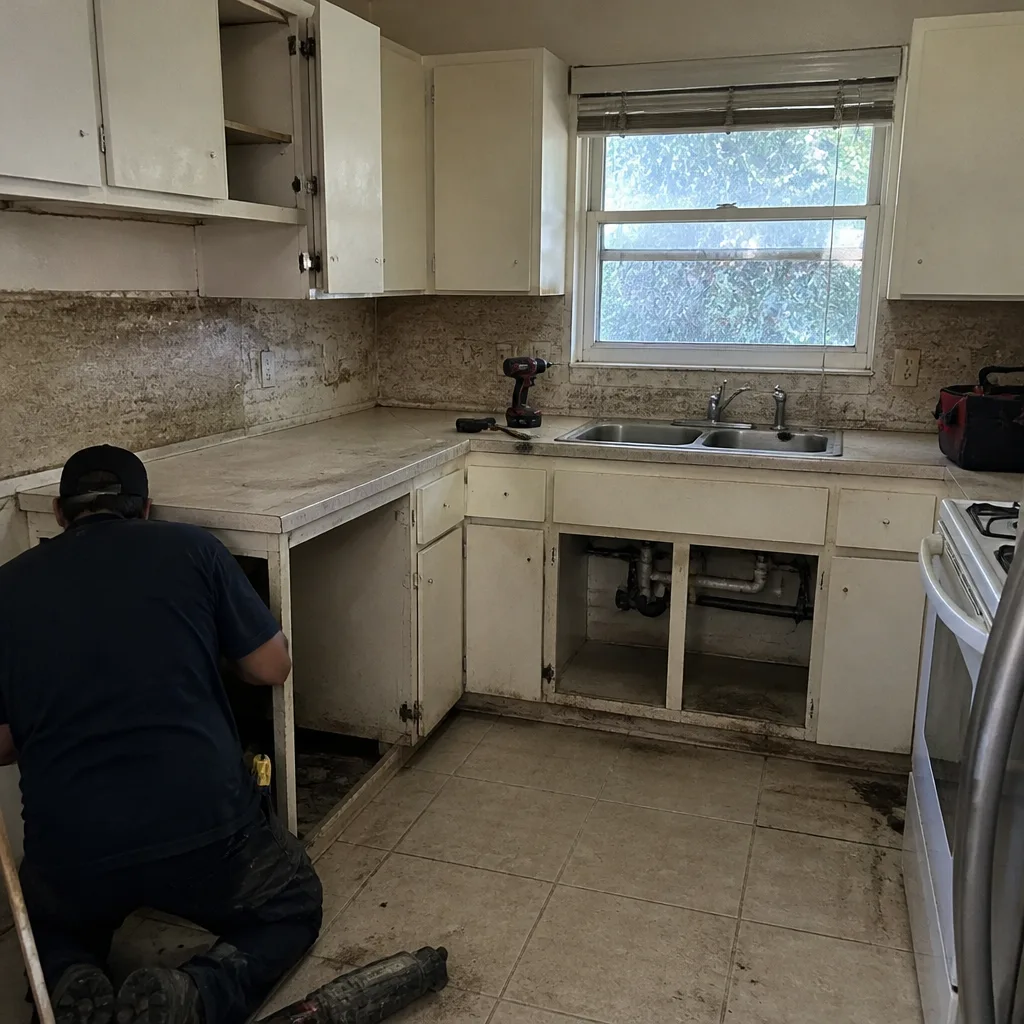 Before
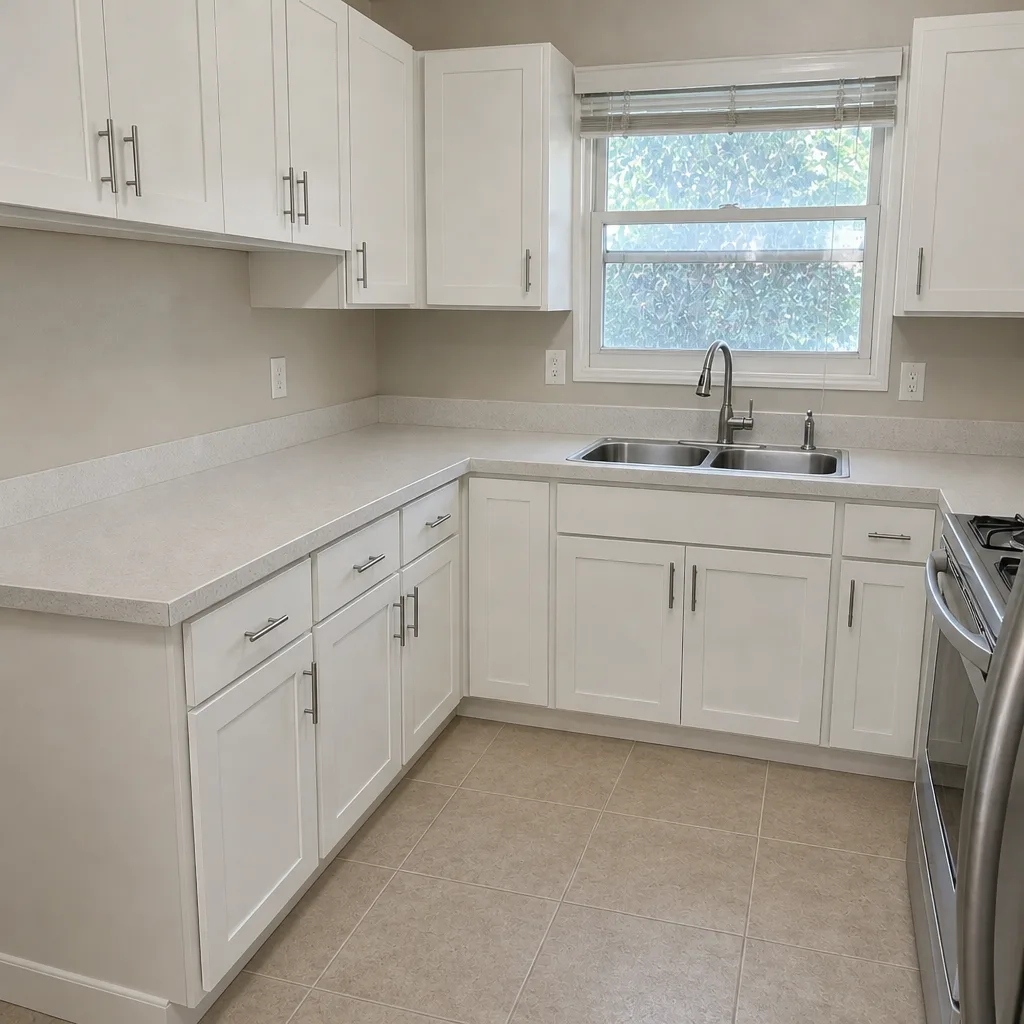 After
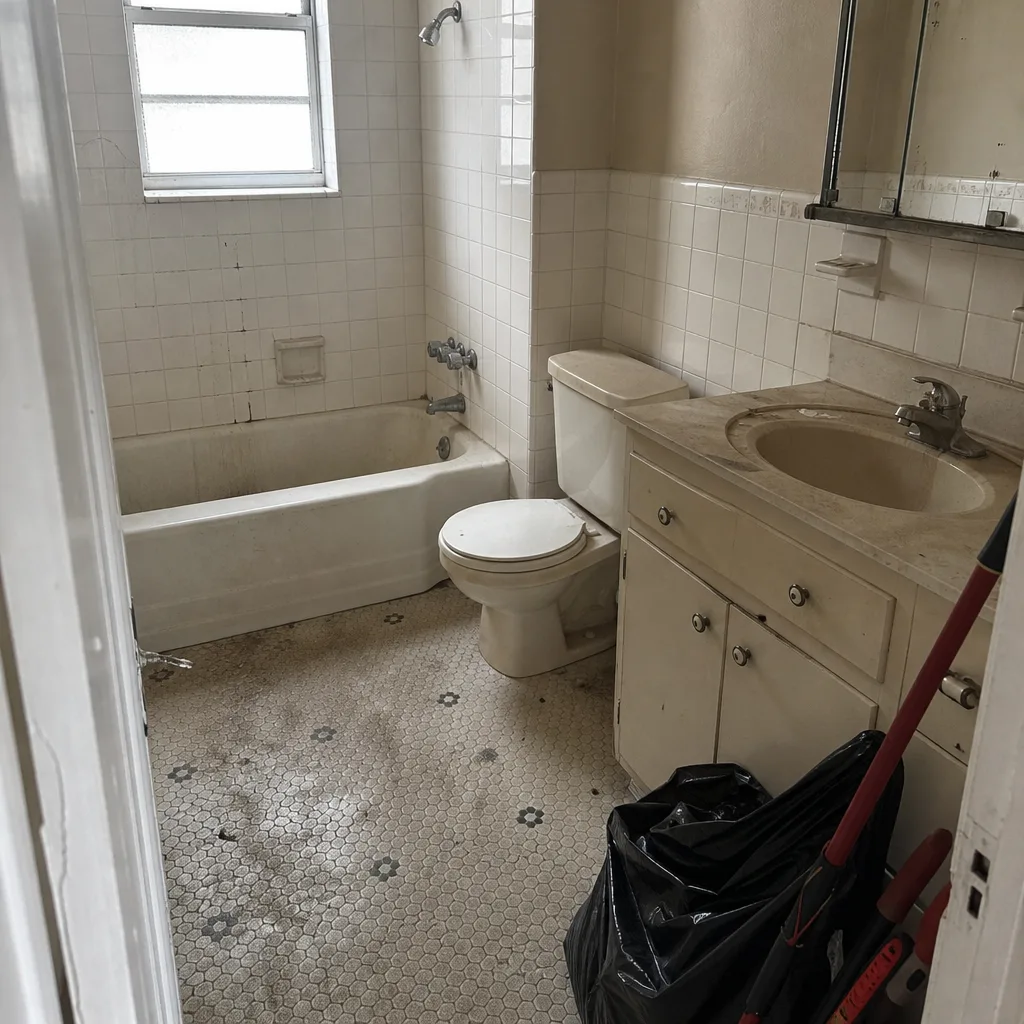 Before
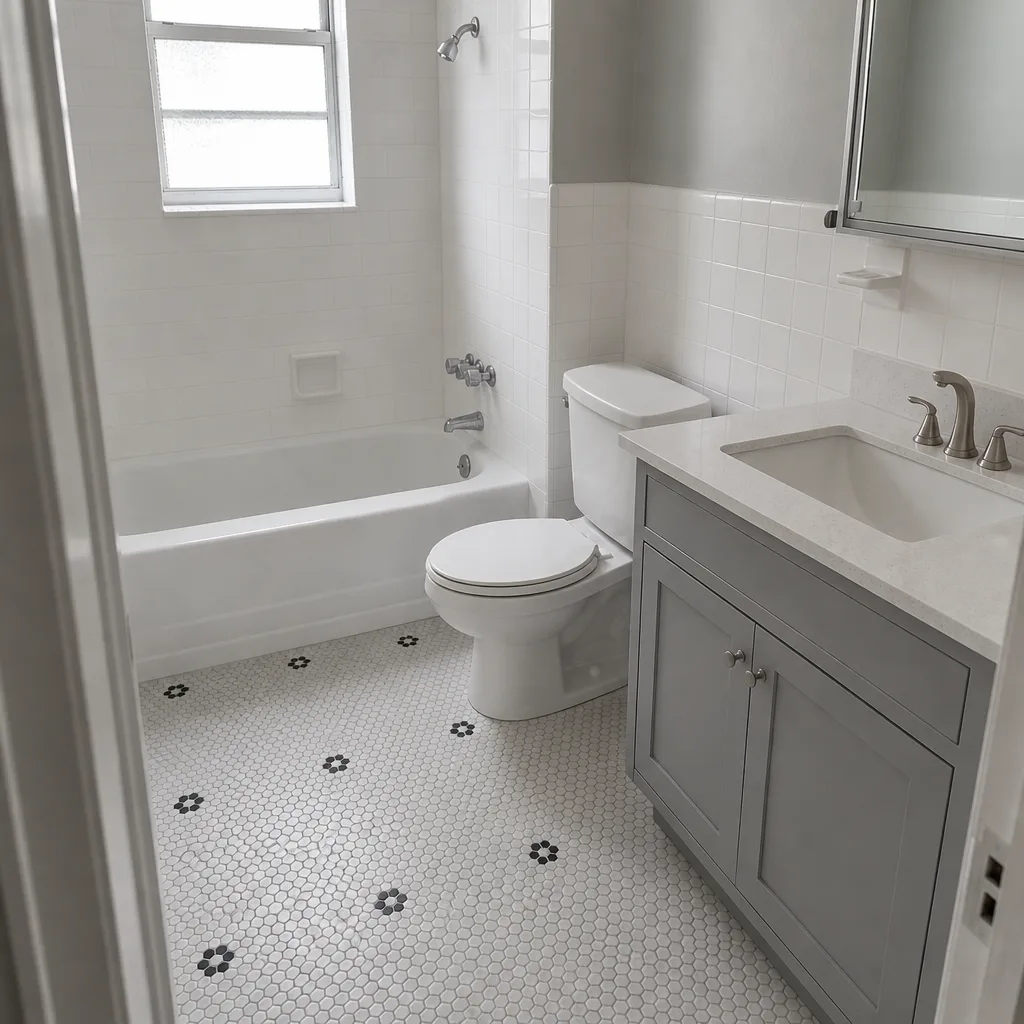 After
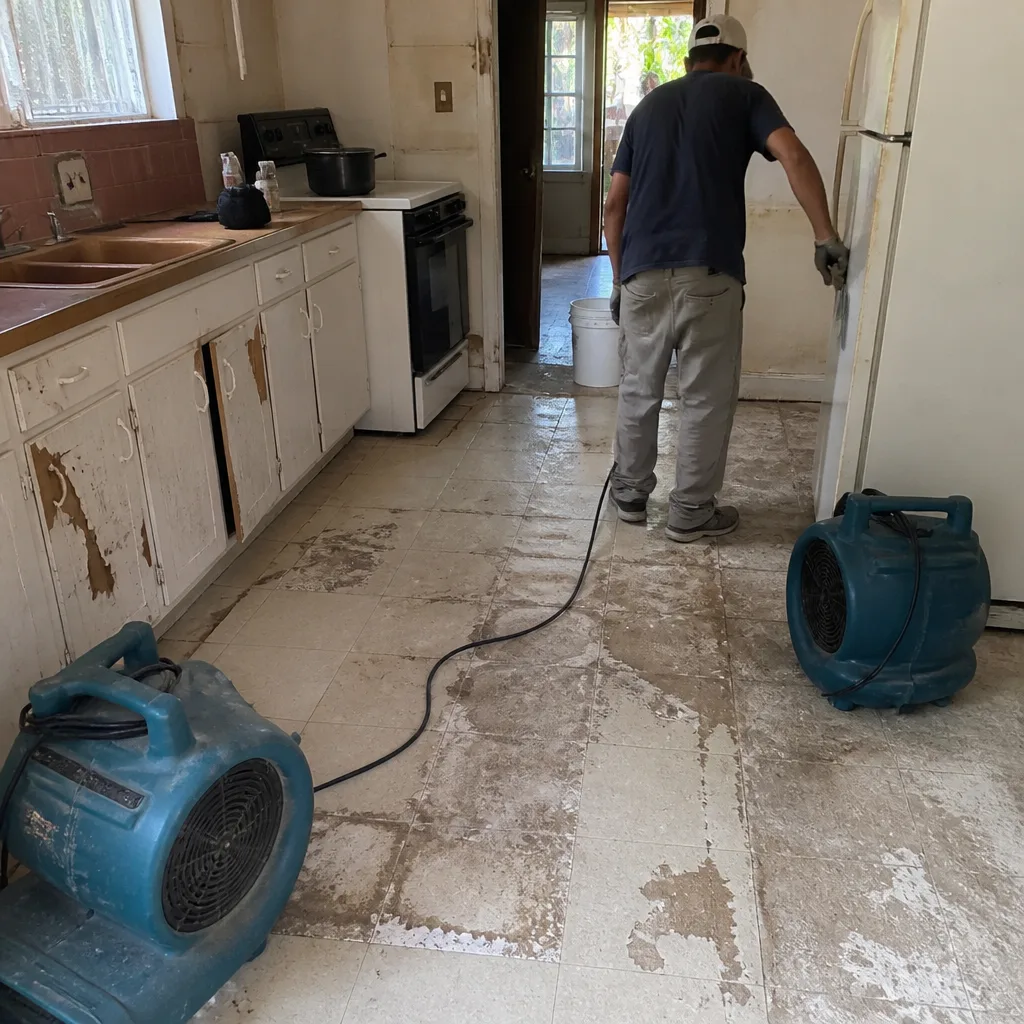 Before
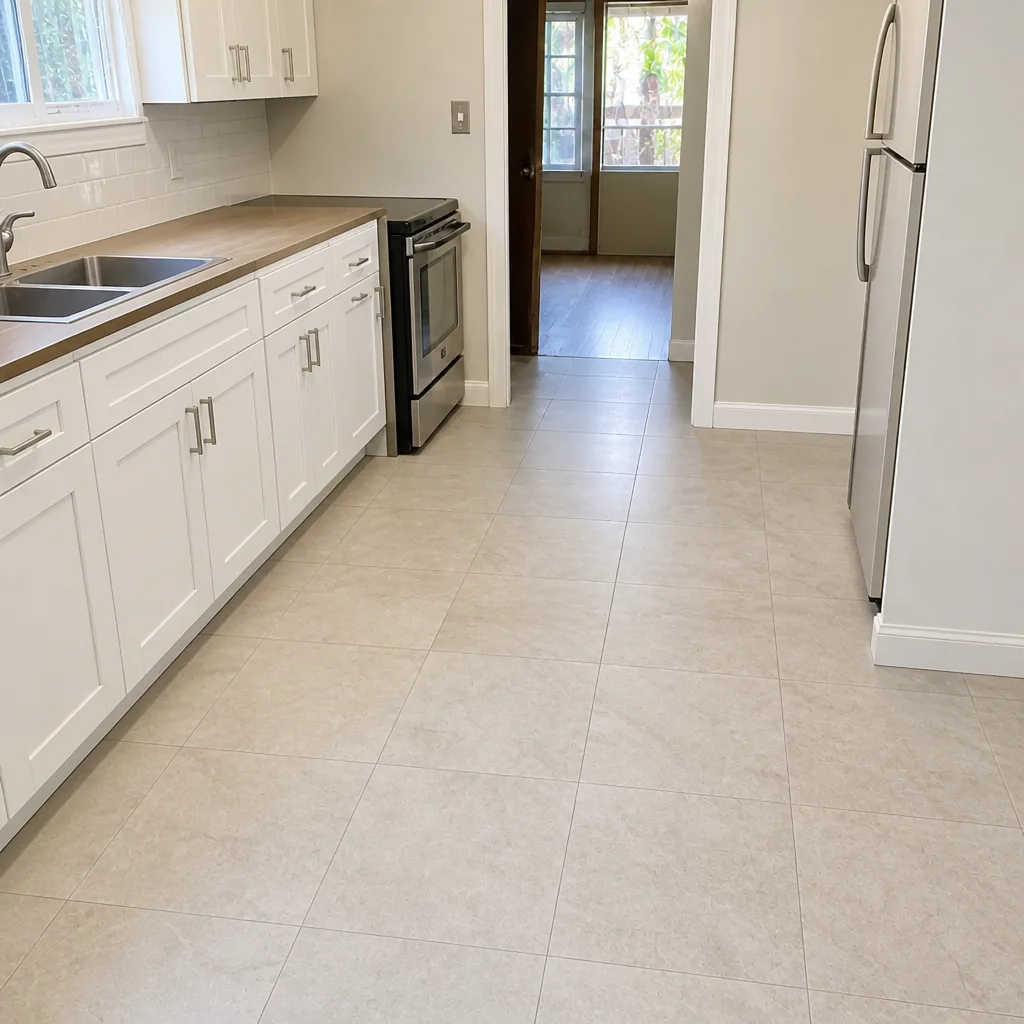 After
When to Call a Professional
Call when you see a symptom that’s growing rather than stable. Call when the damage is in a wet area, at an exterior wall, or around a window – those are the three locations where small problems get expensive fast. Call when you’re not sure whether the issue is covered, because waiting to find out costs more than the visit. And call when the contractor who did the original work isn’t returning your messages; you’ll want a written opinion from someone else to protect your position.
Penhallow Remodeling Miami Beach offers free estimates in Miami Beach – call (844) 656-1986. Every estimate comes with a written price before any work starts, a defined arrival window, background-checked uniformed technicians, and the 365-Day Done Right Promise on the back end. Our technicians have up to 22 years of experience, and a live person answers the phone 24/7. You can also start with our Penhallow Remodeling Miami Beach home page if you’re just beginning to think about your project.
Frequently Asked Questions

Doors that newly stick, cracks that keep growing after day 60, and water staining in a wet area are the three biggest post-remodel warning signs. Each points to something structural, load-related, or moisture-related rather than cosmetic settling, and each is easier to fix the earlier it’s caught. Call (844) 656-1986 for a free evaluation if any of those are happening in your home.
A light bloom in the first two to three weeks after tile install can be normal – it’s the mortar curing and drying out. What’s not normal is efflorescence that comes back after cleaning, appears in a shower, or shows up on tile that’s six months old. That pattern means moisture is migrating through the tile assembly from somewhere it shouldn’t be, and you want it looked at before the substrate behind the tile is compromised.
Not when the price is in writing before any work begins. A legitimate change order for something discovered during construction – rot, code issues, structural surprises – is a real thing, and a good contractor will put it in writing with a line-item price, a description, and your signature before doing the work. What shouldn’t happen is a price that quietly grows without documentation. Every Penhallow project starts with a written price, and that’s the number you’ll see on the invoice.
Yes. Permits are part of the scope on any work that requires them, and pulling them is on us, not on you. Unpermitted work can create real problems with insurance and resale in Miami Beach, so we pass inspections before walls close up and include the permit paperwork with the project records. If you’re comparing bids and a contractor gets vague about permits, that’s your signal to look elsewhere.
In plain terms, they’re often used interchangeably, but a written guarantee in remodeling usually means a workmanship promise from the contractor (they’ll come back and fix their own work), while a warranty usually refers to a product manufacturer’s coverage (like the lifetime warranty that comes with Cambria quartz). A real project has both layers – the product warranty backing the material and the workmanship guarantee backing the installation. Our 365-Day Done Right Promise covers the workmanship side in writing on every project.
On a project covered by a 365-Day Done Right Promise, you have one year from substantial completion to file a claim, and the guarantee spells out what’s covered, what’s excluded, and how the response works. If your original contract didn’t include a written guarantee, the practical window is much shorter – you want to raise concerns as soon as the pattern appears, not after a full year has passed with no documentation.
The Bottom Line
The warning signs that cost homeowners the most are not the ones you spot during hiring. They’re the ones you ignore during the project – verbal change orders, vague permit answers, subs you can’t identify – and the ones you hope are nothing after the project is done. Doors that stick, cracks that grow, grout that darkens, stucco that bubbles near windows: each is a signal, and in Miami Beach’s climate, each tends to escalate faster than homeowners expect. Document what you see, measure it over time, and put the contractor on notice in writing. A written price up front and a written 365-day guarantee on the back end are what give that documentation teeth. If your project is starting now, our Bathroom Remodeling in Miami Beach and Kitchen Remodeling in Miami Beach services both run on the same standard. Call (844) 656-1986 for a free estimate, with a written price before any work begins.
Written by the team at Penhallow Remodeling Miami Beach.