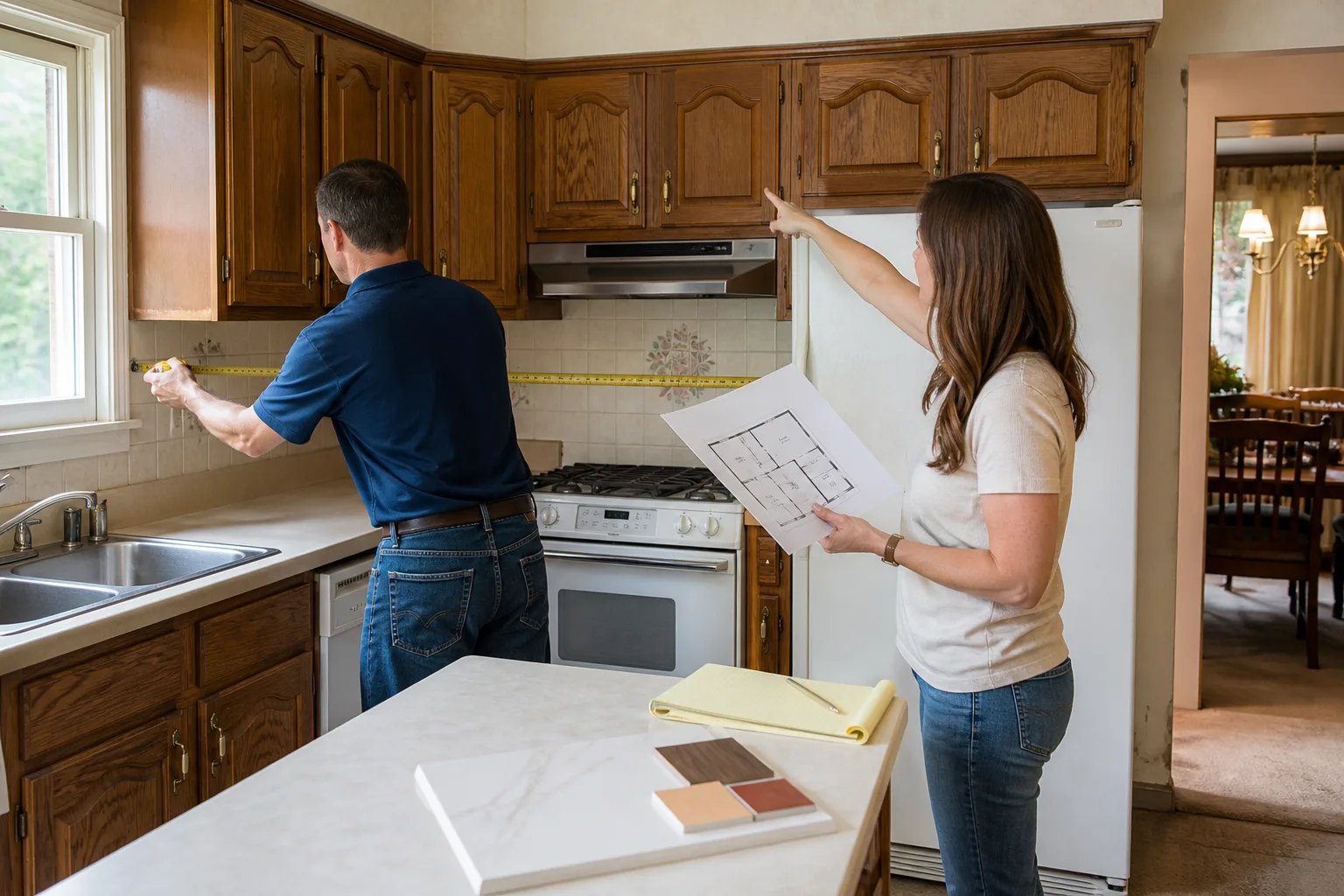
Last updated November 18, 2026








Free written scope consultation - allowances, timeline, and change-order rules on paper before a single trade is scheduled
How Long Does Home Remodeling Take? Timelines and What to Expect
A kitchen remodel that takes eight weeks in Atlanta routinely takes fourteen in Miami Beach. Not because contractors work slower here, but because Miami-Dade permit review, condo board approval windows, and specialty material lead times add weeks before a single cabinet is pulled. That gap between the national average and the reality on the ground is where most homeowner frustration starts. This guide gives you honest, locally-grounded timelines, names the hidden delays upfront, and shows you how to tell a realistic schedule from a wishful one.
Quick Answer
Plan on 6 to 10 weeks for a bathroom remodel, 12 to 20 weeks for a kitchen, and 4 to 7 months for a full-floor condo or whole-home remodel in Miami Beach. That clock starts when permits are approved and materials are on site, not when you sign the contract. Add 3 to 8 weeks upfront for Miami-Dade permit review and 2 to 6 weeks for condo board approval if you live in a managed building.
Styles & brands we work with
- Kitchen remodeling
- Bathroom remodeling
- Home additions & ADU
- Roofing
- Windows & doors
- Driveway & pavers
- Fence
Table of Contents
- Room-by-Room Timelines Calibrated to Miami Beach
- The Three Miami-Specific Timeline Killers
- Miami-Dade Permit Review: What Actually Happens
- Condo Board Approval Cycles
- Hurricane Season and Import Lead Times
- Why You Need a Written Project Schedule
- What “Substantial Completion” Really Means
- Red Flags That a Quoted Timeline Is Unrealistic
Room-by-Room Timelines Calibrated to Miami Beach
National remodeling averages assume a permitting environment that doesn’t exist here. Our technicians have up to 22 years of experience, and the single biggest lesson we’ve learned working in Miami Beach is that the schedule is dictated by permit release dates and material arrivals, not by how fast a crew can set tile. Here’s what to actually expect once work begins.
- Bathroom remodel: 6 to 10 weeks. A hall bath in a Mid-Beach condo runs closer to 6; a primary bath with layout changes in a South Beach or Surfside unit often pushes toward 10. Waterproofing and shower pan cure time is non-negotiable in this humidity.
- Kitchen remodel: 12 to 20 weeks. Cabinet lead times from KraftMaid or Wellborn and countertop fabrication from Cambria, Silestone or Caesarstone drive the back half of this window. Layout changes that move plumbing add 2 to 4 weeks.
- Full-floor condo remodel: 4 to 7 months. The bigger the building, the more the board approval and elevator scheduling add on top of construction.
- Exterior work (siding, driveway, fencing): 2 to 6 weeks depending on scope. James Hardie siding and paver installs from Belgard or Unilock are shorter but weather-dependent, and June through November is a scheduling minefield.
Notice that none of these windows include the pre-construction phase. That’s deliberate. The rest of this guide is mostly about what happens before the first day of demolition, because that’s where Miami Beach projects lose the most time. For a detailed breakdown of kitchen-specific sequencing, see our guide to Kitchen Remodeling in Miami Beach.
The Three Miami-Specific Timeline Killers
Most contractors hand you a start date and a finish date and leave out the friction in between. In Miami Beach, three specific bottlenecks account for the majority of blown schedules. Naming them upfront is the difference between a plan and a promise.
- Condo board submission deadlines. Many Miami Beach buildings only review renovation applications at monthly board meetings, and some require submissions two to four weeks before the meeting. Miss the deadline and you wait a full month for the next cycle.
- Miami-Dade permit review queues. Permit review times fluctuate with department volume. A straightforward bathroom permit can clear in a few weeks; a structural change or a project touching the building envelope takes considerably longer. Nothing should be ordered against a permit that hasn’t been released.
- Hurricane-season material delays. From June through November, shipments of imported tile, European fixtures and specialty finishes can sit in port or get rerouted. Deliveries scheduled to arrive in August have a habit of arriving in September.
A contractor who quotes you a firm eight-week kitchen without asking about your building’s board and your material suppliers is quoting you a national average, not your project. That’s the single most common source of the frustration people describe when they call us after a bad experience.
Miami-Dade Permit Review: What Actually Happens
Permits aren’t paperwork. They’re a phase of the project with its own timeline, and in Miami-Dade that phase runs 3 to 8 weeks for most residential remodels, longer for anything that changes structure, plumbing runs, or the building envelope. The permit clock doesn’t start the day you hire someone. It starts the day a complete application is submitted, and incomplete applications get kicked back, which resets part of the clock.
Here’s how a realistic permit phase breaks down:
- Drawing and plan preparation: 1 to 2 weeks
- Submittal and intake: a few business days
- Plan review: 2 to 5 weeks depending on scope and current volume
- Revisions if the reviewer requests them: 1 to 2 weeks
- Permit issuance and inspection scheduling: another window before demolition can legally start
We’re a licensed general contractor, which means we pull permits and pass inspections as a matter of course. If a contractor tells you the permit will “only take a few days,” ask whether they’ve submitted it yet. In our experience, the honest answer to that question tells you more about a timeline than any schedule they hand you. For the full scope of general contracting work, see our page on General Contractor in Miami Beach.
Condo Board Approval Cycles
If you live in a managed building anywhere from South Beach up through Bal Harbour, your condo board is effectively a second permitting authority, and its schedule runs on meetings, not business days. Many associations require a completed application with contractor insurance certificates, a scope of work, and sometimes a deposit before the board will even put you on the agenda. Board meetings might be monthly, and some buildings go quiet in the summer.
What this means for your timeline:
- Assume 2 to 6 weeks for board review, longer if you miss a submission deadline.
- Ask your property manager for the submission calendar before you sign a contract, not after.
- Confirm work hours, elevator reservations, and debris removal rules. A building that only allows construction from 9 to 4 adds days to every phase.
- Get the contractor’s certificate of insurance to the board early. Missing paperwork is the most common reason a project slips a full meeting cycle.
We’ve watched homeowners lose a month simply because a single insurance document arrived after the submission cutoff. The fix is boring: gather the paperwork first and work backward from the board’s calendar. Boring is fast.
Hurricane Season and Import Lead Times
Miami Beach builds draw from a global supply chain, and the European tile, plumbing fixtures and cabinetry brands that define South Florida luxury projects come with lead times that don’t appear on any national remodeling average. A custom vanity from Italy or a specialty tile order can run 8 to 16 weeks. Cabinetry from recognized trade brands like KraftMaid or Wellborn typically runs 4 to 8 weeks after the order is confirmed with finalized measurements.
Layer hurricane season on top and it gets tighter. From June through November, port congestion and rerouted shipping can add weeks to anything imported. We order long-lead materials the moment permits are approved, not the week we need them, because a project that’s ready for tile and waiting on tile is a project bleeding time.
The practical move: identify anything with a lead time over six weeks before finalizing your schedule, and let that item set the pace. If your imported tile won’t arrive until week ten, there’s no point rushing the demo to week three. Sequencing around your slowest material is one of the things a written schedule makes visible. Fixtures from Kohler and Moen, for example, are usually quick to source; the specialty imports are what you plan around.
Why You Need a Written Schedule, Not Just a Start Date
A verbal start date tells you when someone intends to show up. A written project schedule tells you what happens, in what order, and by when, so you can hold the project to it. That difference matters enormously in Miami Beach, where the variables above routinely push timelines and where a homeowner with no written schedule has no way to tell a normal delay from a contractor who’s lost the thread.
A useful written schedule should include these milestones:
- Permit submittal date and expected release window
- Condo board submission date and meeting date (if applicable)
- Long-lead material order dates and expected arrival windows
- Demolition start and completion
- Rough-in inspections (electrical, plumbing) scheduled and passed
- Subcontractor start dates confirmed in writing, not “sometime in week four”
- Substantial completion date and final walkthrough
Most of the pain homeowners describe after a bad remodel traces back to one missing piece: nobody wrote the schedule down. When it’s in writing, a slip is visible early enough to fix. When it isn’t, you find out on the day the crew doesn’t show. This is part of why we put pricing and the schedule in writing before work starts, under the Kingswell standard that guides every project.
What “Substantial Completion” Really Means
Homeowners hear “substantial completion” and assume it means “done.” Legally and in construction terms, it doesn’t. Substantial completion generally marks the point at which the work is complete enough that the owner can use the space for its intended purpose, even though a punch list of small items remains. The gap between substantial completion and the final, fully-finished project is where a lot of frustration gets born.
In practice, that gap is a punch list: touch-up paint, a cabinet door that needs adjusting, a faucet trim piece on backorder, a final coat on a repaired wall. Those items are real work and they take real days, but they don’t stop you from using the kitchen. Understanding this is the difference between a clean handoff and a dispute.
What to do about it:
- Ask, in writing, what counts as substantial completion on your project and what the punch list process looks like.
- Get the estimate for how long the punch list will take after substantial completion.
- Confirm that final payment is tied to the punch list being cleared, not to substantial completion alone.
- Know what the guarantee covers after the crew leaves. We back every project with our 365-Day Done Right Promise: if the work fails inside the guarantee period, we come back and fix it at no charge.
Few things protect a homeowner more than a written guarantee that outlasts the crew. That’s why you’ll see the promise stated plainly on every project we take on, alongside a written price before any work starts. For how this applies in the tighter footprint of a bathroom, see Bathroom Remodeling in Miami Beach.
Red Flags That a Quoted Timeline Is Unrealistic
A quoted timeline is a promise about the future, and most of them are made before the contractor has done the three things that actually determine whether the timeline holds. When you interview contractors, listen for whether these three boxes have been checked. If they haven’t, the dates on the page are guesses dressed up as commitments.
- No permit pulled yet. If the permit hasn’t been submitted, the project hasn’t started, no matter what the contract says.
- No material orders placed. A timeline built before long-lead items are ordered is built on air. Ask which materials have confirmed ship dates.
- No subcontractor schedule confirmed. The plumber and electrician either have you on their calendar or they don’t. “We’ll get to it” is not a schedule.
- A timeline shorter than the permit review window. If a contractor quotes you four weeks for a project that needs a permit and the permit alone takes four weeks, ask them to walk you through the math.
- A verbal start date with no written schedule. The single most consistent red flag. A schedule isn’t a start date; it’s the whole sequence in writing.
Any one of these is worth a question. Two or more and you’re looking at a project that’s likely to run long, and a homeowner who finds out the hard way.
Common Mistakes to Avoid
- Counting the calendar from contract signature. Your baseline should be permit approval plus material arrival, not the day you sign. Homeowners who anchor to the signing date are almost always disappointed.
- Overlooking the board calendar. In a Miami Beach condo, a missed board submission deadline costs you a full month. Get the meeting dates before you commit to a schedule.
- Choosing imported materials late. Ordering European tile after demolition starts is a recipe for a stalled project. Identify long-lead items first and let them set the pace.
- Scheduling demolition in the heart of hurricane season without a contingency. A storm-driven delivery delay is common; build a buffer from June through November.
- Treating substantial completion as the finish line. The punch list is real work that takes real days. Build it into your expectations and your payment schedule.
- Accepting a verbal start date. A start date without a written sequence gives you nothing to hold anyone to when the schedule slips.
- Not asking what the guarantee actually covers. A promise you can’t read in writing isn’t a guarantee. Ask for it in writing alongside the price.
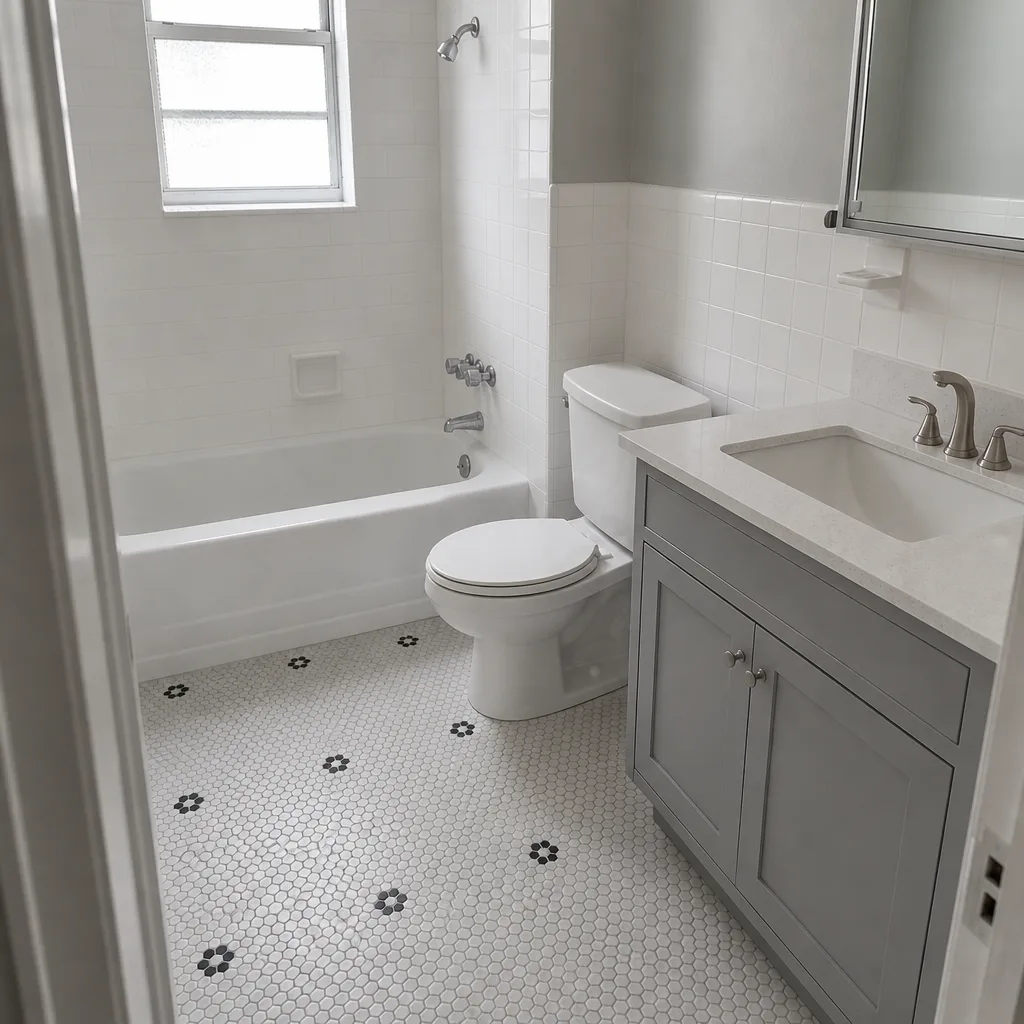
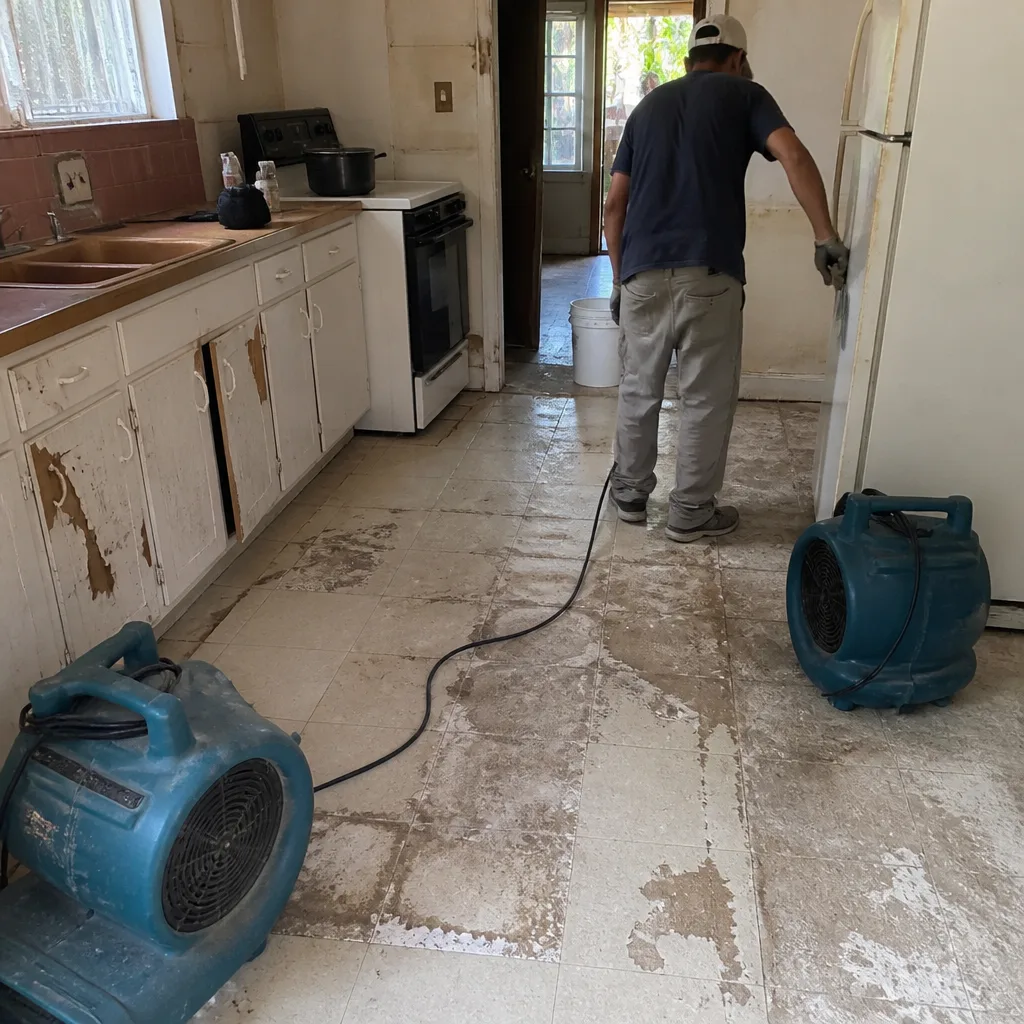
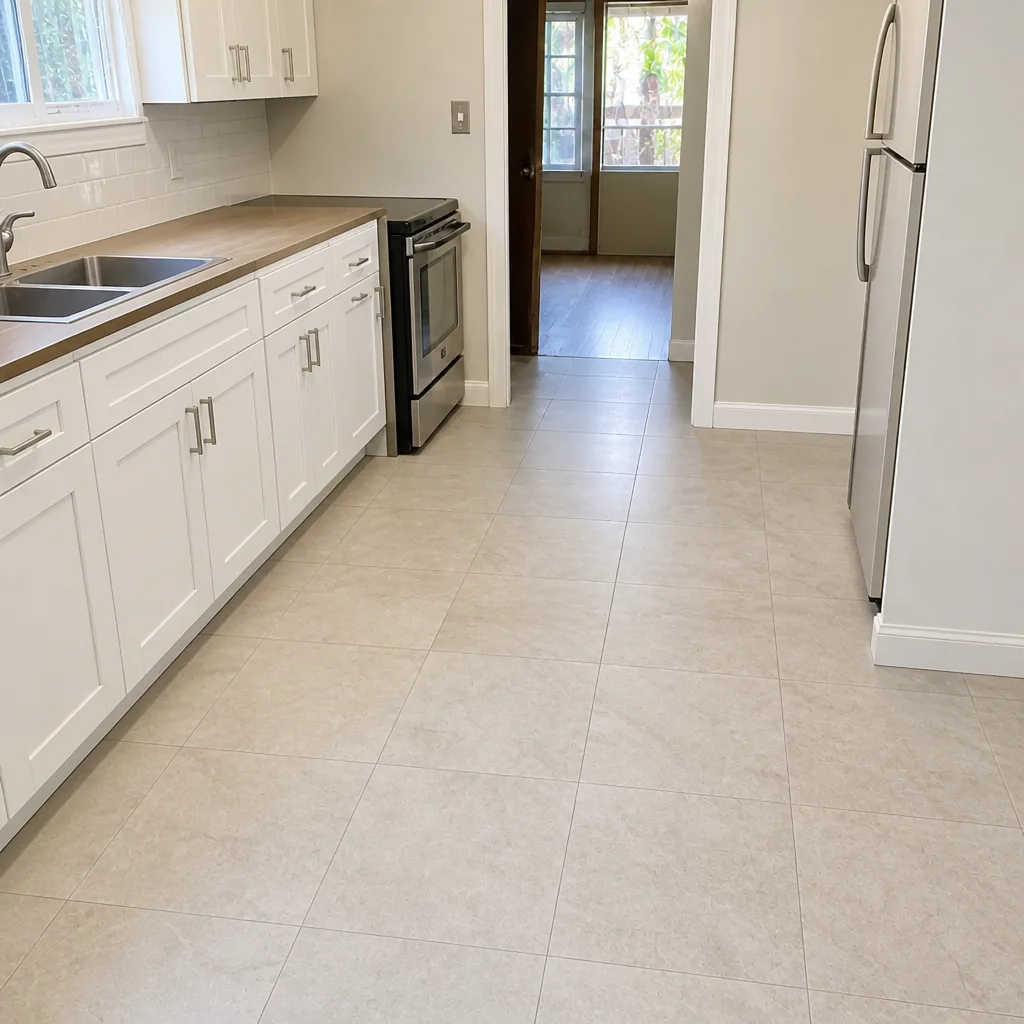
See the difference
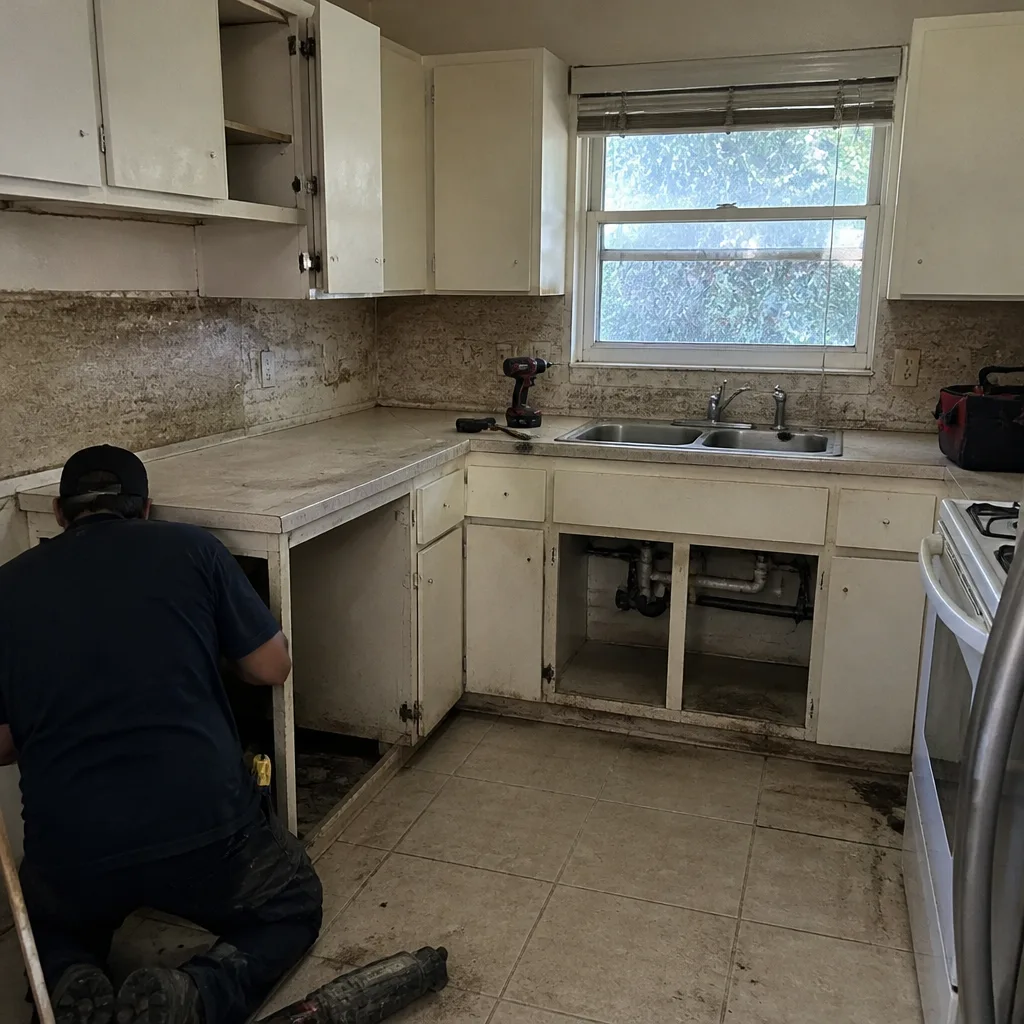 Before
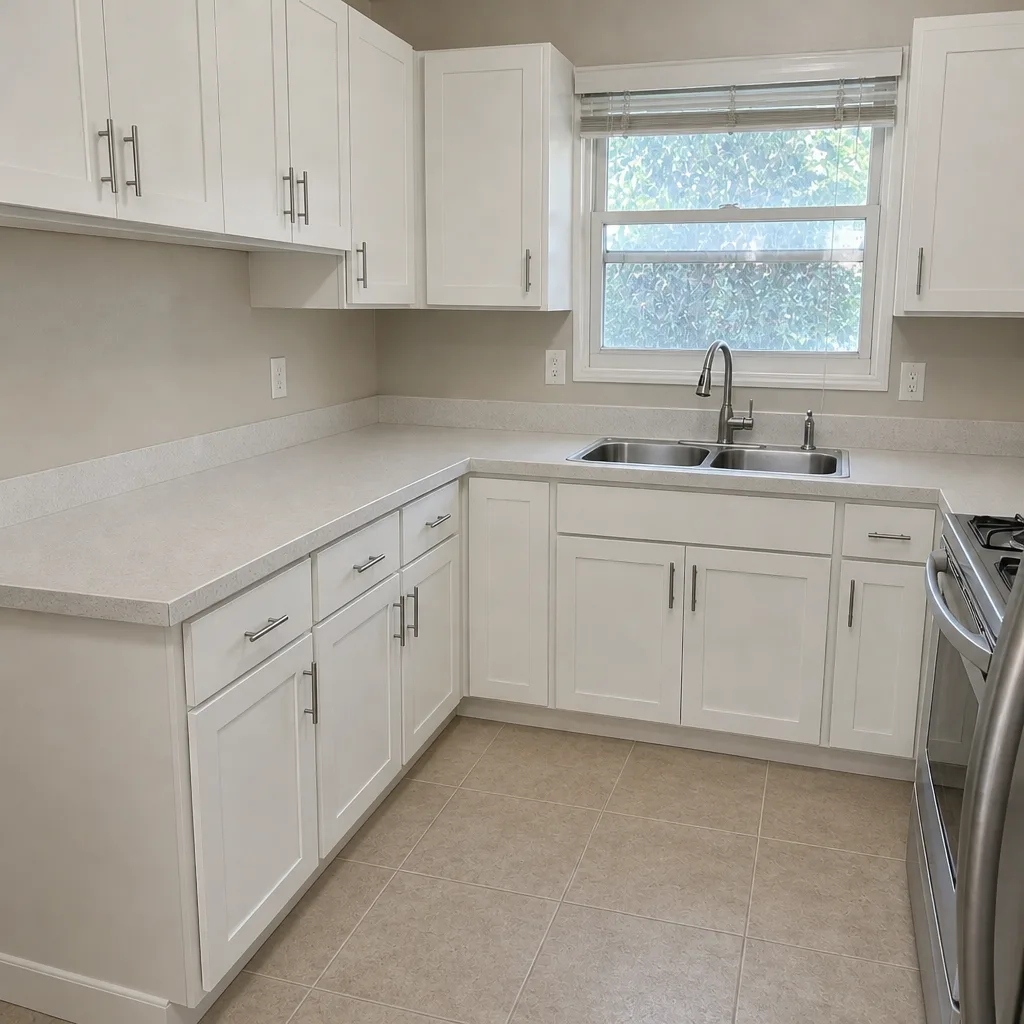 After
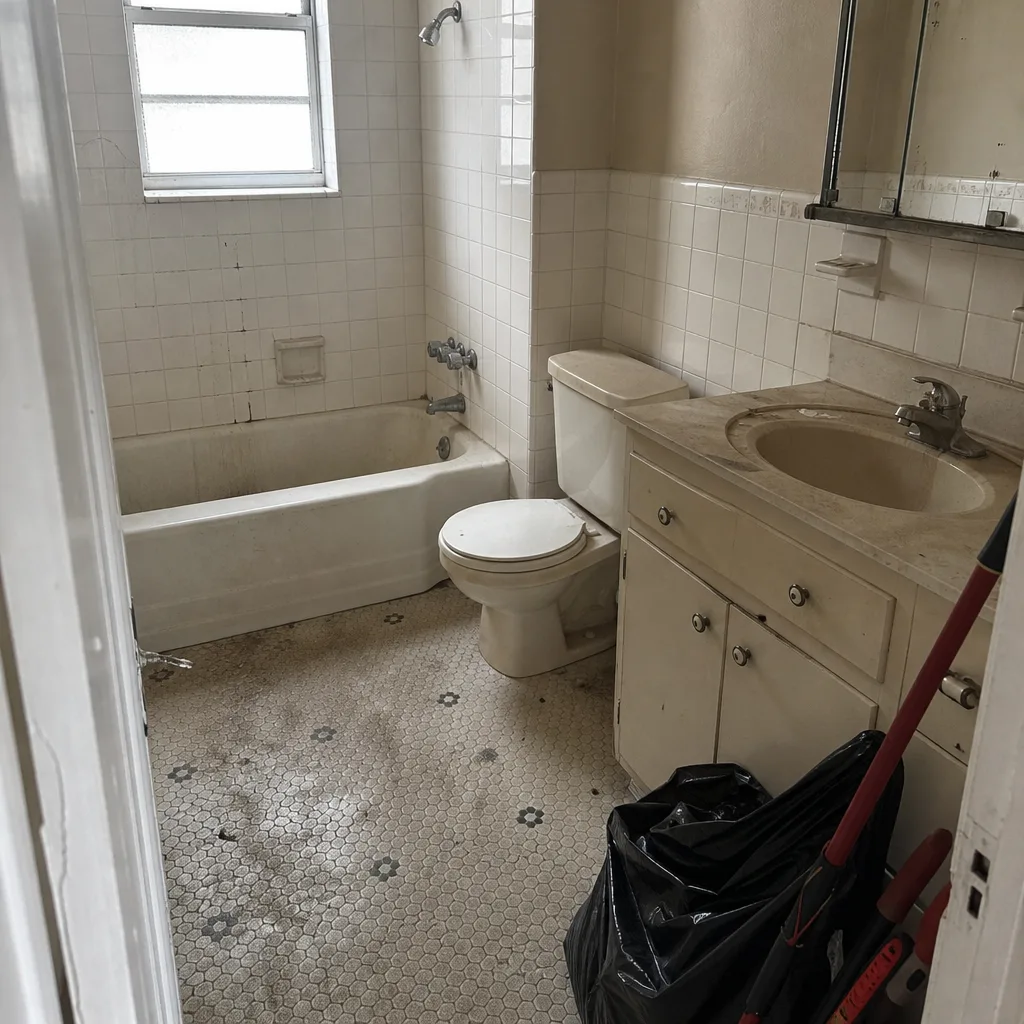 Before
 After
 Before
 After
When to Call a Professional
Some projects are weekend work; others are mistakes waiting to happen. Call a professional if your project touches plumbing, electrical, structural elements, or the building envelope, or if it involves moving walls, adding a bathroom, or coordinating subcontractors on a timeline. Call sooner if you live in a Miami Beach condo and your project needs board approval, because the calendar starts working against you the day you decide. And call if a previous contractor handed you a verbal estimate that’s already changing, or a schedule that never included permits or material orders. Penhallow Remodeling Miami Beach offers free estimates in Miami Beach. Call (844) 656-1986 to schedule yours, and you’ll get a written price and a written guarantee before any work starts.
Frequently Asked Questions
A Miami Beach kitchen remodel typically takes 12 to 20 weeks once work begins, plus 3 to 8 weeks of permit review and condo board approval upfront. Cabinetry lead times and imported tile are usually the biggest variables. Call (844) 656-1986 for an exact timeline based on your kitchen and materials, with estimates free.
Miami Beach remodels run longer because of three local factors: Miami-Dade permit review queues, condo board approval cycles that often only meet once a month, and import lead times that stretch during hurricane season. None of these reflect how fast the crew works. They’re structural delays that a realistic schedule plans around.
Most remodels that move plumbing, electrical, or walls need a permit in Miami-Dade, and a permit adds 3 to 8 weeks for plan review before demolition can start. Smaller cosmetic work may not require one. When in doubt, ask the contractor to confirm in writing whether a permit is required and who is pulling it. Call (844) 656-1986 for a clear answer on your project.
Condo board approval in Miami Beach typically takes 2 to 6 weeks, but the real driver is the submission deadline. Many buildings review applications monthly and require submissions weeks before the meeting. Miss the deadline and you wait a full cycle. Get the board calendar from your property manager early.
Substantial completion means the space is ready to use, even though a punch list of small items remains. It’s not the same as fully finished, and the gap between the two is where disputes start. Ask in writing what counts as substantial completion on your project and how long the punch list will take, then tie final payment to it being cleared.
A written remodeling schedule should include permit submittal and release dates, condo board submission and meeting dates, long-lead material order and arrival dates, demolition start, rough-in inspections, confirmed subcontractor start dates, and a substantial completion date. If any of those pieces are missing, the schedule can’t protect you when something slips. Call (844) 656-1986 and we’ll walk you through what a real schedule looks like for your project.
The Bottom Line
The realistic way to think about remodeling timelines is to separate the work from the friction. The work – demo, rough-in, tile, cabinets, finish – follows a predictable sequence. The friction is Miami Beach-specific: Miami-Dade permit review, condo board approval cycles, and hurricane-season material delays. Give the work its honest weeks and give the friction its honest weeks, and you’ll have a schedule you can actually live with. Insist on a written schedule and a written price before anything starts, understand that substantial completion isn’t the finish line, and choose a contractor whose guarantee outlasts the crew. That’s how a remodel gets done on time and done right.
Ready to put a real number and a real timeline in writing? Call Penhallow Remodeling Miami Beach at (844) 656-1986 for a free estimate. We answer the phone 24/7 with a live person, and you’ll get a written price and a written guarantee before any work starts. Penhallow Remodeling Miami Beach home.
Written by the team at Penhallow Remodeling Miami Beach.