Last updated November 18, 2026





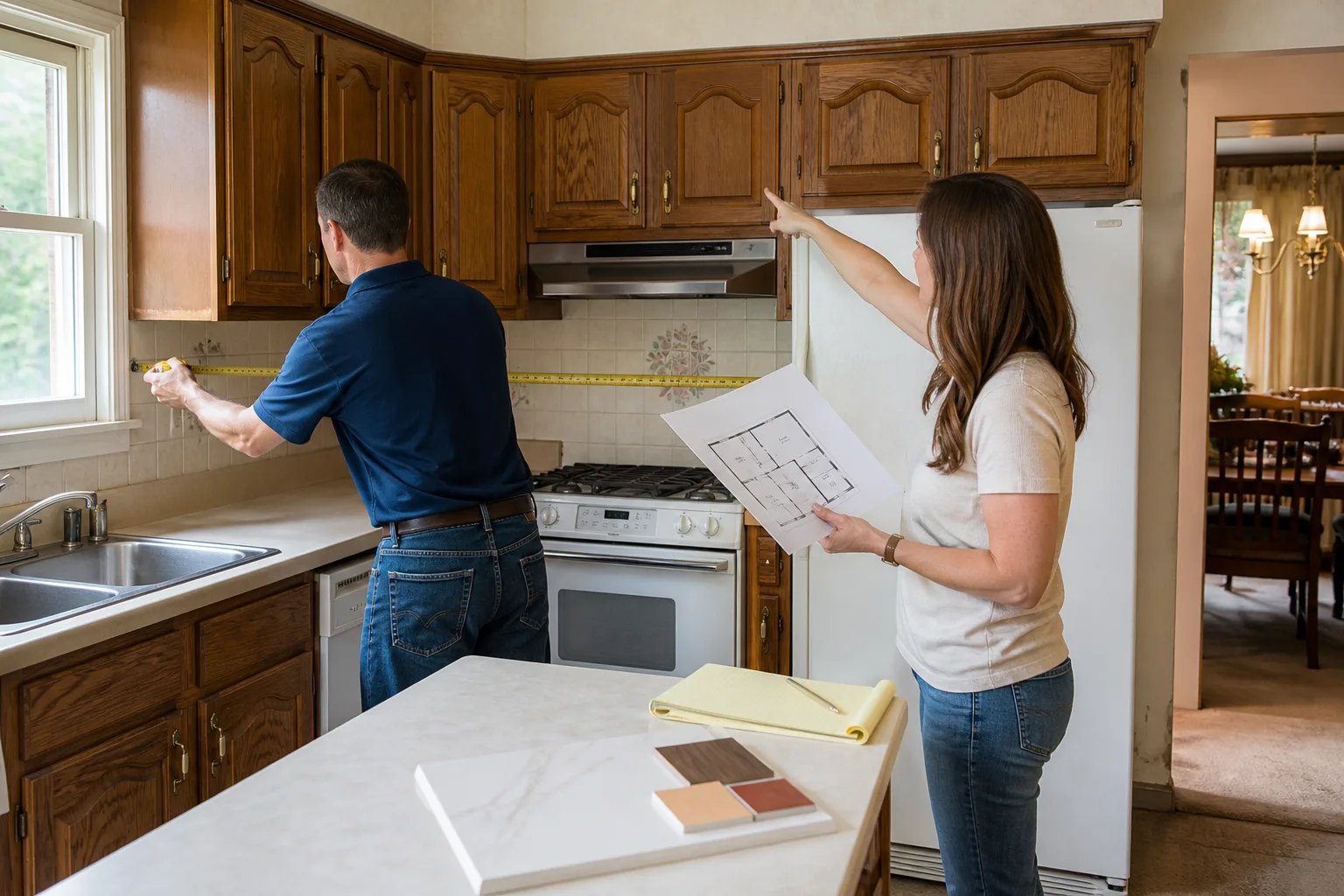
Free written scope consultation - allowances, timeline, and change-order rules on paper before a single trade is scheduled
The Complete Home Remodeling Guide for Miami Beach Homeowners
Miami Beach sits inside Miami-Dade County’s High Velocity Hurricane Zone, and that single fact reshapes what a remodel is and what it costs. Every exterior opening, roofing component, and impact product in your project is subject to the strictest wind-load requirements in the continental United States. Contractors from outside South Florida routinely price these jobs wrong, and homeowners pay for the gap at inspection time. What you’ll learn here: the four layers of rules that govern a Miami Beach remodel, how to sequence a whole-home project, the material specs that actually matter on a barrier island, and what belongs in a contract before anyone picks up a tool.
Quick Answer
Home remodeling in Miami Beach is governed by four regulatory layers – the Florida Building Code, Miami-Dade County amendments, City of Miami Beach ordinances, and HOA or condo rules – and where they conflict, the strictest one wins. Whole-home remodels on the island typically run $75,000 to $400,000+ depending on scope, with HVHZ-rated openings and flood-zone floor elevations driving much of the difference. Understanding those layers before you hire anyone is the single biggest factor in whether your project stays on budget.
Styles & brands we work with
- Kitchen remodeling
- Bathroom remodeling
- Home additions & ADU
- Roofing
- Windows & doors
- Driveway & pavers
- Fence
Table of Contents
- The Four Regulatory Layers That Govern Every Miami Beach Remodel
- What the High Velocity Hurricane Zone Means for Your Materials and Timeline
- How to Sequence a Whole-Home Remodel
- What Belongs in a Whole-Home Remodeling Contract
- Miami Beach Material Considerations Beyond Salt Air
- What Remodeling Actually Costs in Miami Beach
- How to Choose a Remodeling Contractor in Miami Beach
- The Permit and Inspection Timeline
The Four Regulatory Layers That Govern Every Miami Beach Remodel
Most homeowners think in terms of one building department. In Miami Beach, you’re answering to four rule sets at once, and knowing which one controls the question keeps the project moving.
- Florida Building Code. The statewide baseline. Sets minimum standards for structural, electrical, plumbing, and mechanical work across Florida.
- Miami-Dade County amendments. Local changes on top of the statewide code, and the toughest in the state on wind resistance. These are what push your windows, doors, and roofing into HVHZ territory.
- City of Miami Beach ordinances. Everything from historic district review to alley setbacks to construction hours. Our city adds its own layer on top of county and state code, and it governs a lot of what you can and can’t build.
- HOA and condo association rules. On Miami Beach, many homes and most condos carry another layer – architectural review boards, approved contractor lists, move-in hours, elevator reservations for material delivery.
When they conflict, the strictest one controls. A city ordinance that’s tougher than the county amendment wins. A condo rule that’s tougher than all of them wins for your building. In our experience, the projects that go sideways are the ones where the homeowner never asked which layer applied to the specific question, and a contractor from out of town answered with the code from their own jurisdiction.
What the High Velocity Hurricane Zone Means for Your Materials and Timeline
The High Velocity Hurricane Zone is a geographic designation within Florida’s wind-borne debris region, and Miami Beach sits in it. In practical terms, every exterior opening, roofing component, and impact-rated product in your remodel must be tested and approved to the HVHZ standard.
What “impact-rated” actually means: an impact window has passed a missile-impact test (a large missile fired at the glass) and a cyclic pressure test that simulates hours of hurricane-force loading. Non-rated glass might look the same on the shelf, but it fails final inspection. This isn’t a matter of a contractor’s opinion – the product carries a Florida Product Approval number or a Miami-Dade NOA (Notice of Acceptance), and the inspector checks for it.
Cost difference versus standard product: impact windows for a typical Miami Beach home run roughly 30 to 60 percent more than non-impact equivalents, and many supply timelines stretch further because of testing and shipping. That’s the swap out-of-state contractors regularly underprice. They quote a standard window, then the homeowner discovers at inspection that the product doesn’t carry the rating – and every unit has to come back out.
Roofing is the same story. Shingle systems in the HVHZ require specific fastening patterns, underlayment, and product approvals that differ from what you’d spec in Tampa or Jacksonville. Qualified contractors pull the correct products from the start. Call us at (844) 656-1986 for a written estimate that includes the rated product from day one.
How to Sequence a Whole-Home Remodel
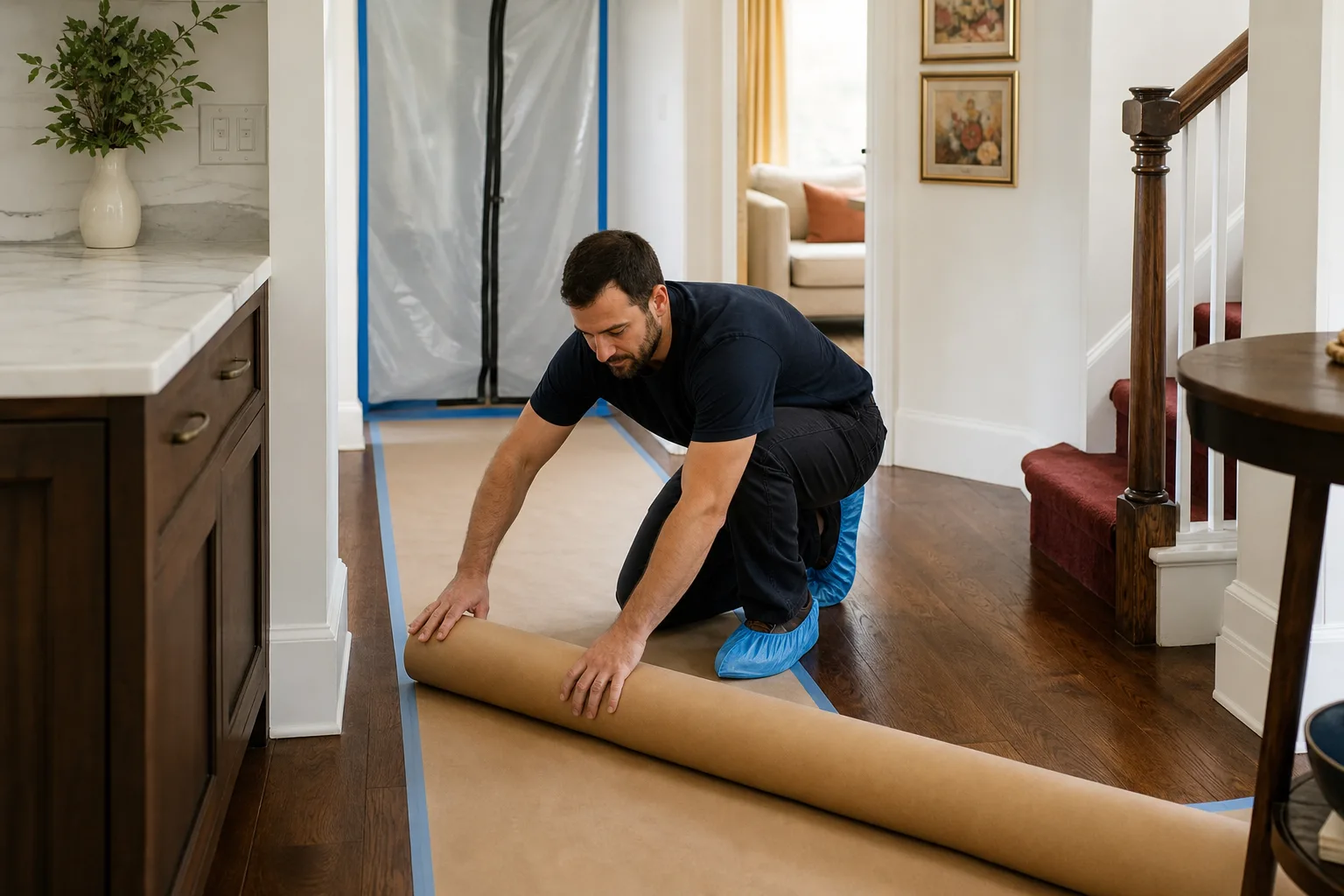
Sequencing matters as much as scope. The card you don’t want to draw: a finished kitchen sitting behind a bathroom rough-in that’s waiting on inspection, wrapping the whole job in dust and plastic for another six weeks. Here’s the order that keeps inspections and finishes from colliding.
- Structural and envelope first. Any wall moves, beam replacements, window and door openings, and roofing. These need permits, inspections, and rated products before anything else happens.
- Rough-in mechanical, electrical, and plumbing. Run all your electrical, plumbing, and HVAC rough work through every room in one pass.
- Rough inspections, all at once. Schedule rough mechanical, electrical, and plumbing together so you’re not paying for four separate inspection trips.
- Insulation and drywall. Insulation comes after rough inspection passes. Drywall follows with its own inspection in many scopes.
- Flooring substrate and tile. Concrete floor prep, cement board substrate (the moisture-resistant layer behind your tile), then tile.
- Cabinets, countertops, and fixtures. These go last because they’re the finishes you don’t want anyone touching again.
- Final inspections and punch list. Schedule finals room by room, then work the punch list before the last draw.
Kitchens and bathrooms pull this order apart when they’re done piecemeal. Our Kitchen Remodeling in Miami Beach page lays out the room-level sequencing; the whole-home version is that same logic across the house.
What Belongs in a Whole-Home Remodeling Contract
A remodeling contract that runs five pages of description and one page of price isn’t protecting you. The four items we insist on including – and that you should ask for from anyone – are scope exclusions, subcontractor disclosure, a lien waiver schedule, and an inspection-milestone payment structure.
- Scope exclusions. The contract should say plainly what it does not include. “Allowance for tile” without a line for tile removal, substrate repair, and setting material is a scope gap that becomes a change order at demo.
- Subcontractor disclosure. Which trades are being performed by employees and which by subs. On Miami Beach, most full remodels use electrical, plumbing, and mechanical subs – ask who they are and confirm they’re licensed.
- Lien waiver schedule. Florida’s construction lien law allows unpaid subcontractors and suppliers to file liens against your property. A schedule of lien waivers at each payment is the way to keep that risk off your title.
- Inspection-milestone payment structure. Payments should tie to inspections passed, not to calendar dates. Rough inspection passed, drywall inspection passed, final passed – each with a release schedule. That structure aligns your money with the work that actually got approved.
Penhallow handles this with a written price before any work starts and a written guarantee included with every job, backed by the 365-Day Done Right Promise. If something fails inside the guarantee period, we come back and fix it at no charge. For the bigger picture of how a general contractor on the island manages this, our General Contractor in Miami Beach page is worth a read before you sign anything.
Miami Beach Material Considerations Beyond Salt Air
Everyone tells you about salt air. That’s real, but it’s one of three material challenges specific to this city, and the other two drive more surprises.
Elevated floors in FEMA flood zones
Much of Miami Beach sits in FEMA flood zones, and a remodel that drops the finished floor elevation can trigger a compliance issue with your insurance policy and with the floodplain ordinance. Elevated flooring – which means framing a floor above the slab rather than gluing tile to it – is often the answer in newly improved areas and is standard practice in areas with floodplain requirements. The cost difference is small relative to what it saves at insurance and resale time.
Insulation R-value in Miami-Dade
Miami-Dade carries its own insulation R-value requirements for walls and ceilings that differ from the statewide minimum in some assemblies. The R-value is the measure of how well a material resists heat transfer – higher means better. If your remodel opens up exterior walls, the inspector will check what’s going back in them.
Stucco specs for concrete block
Most homes on the island are concrete block, and stucco on block has its own specification: lath, scratch coat, brown coat, and finish, with weep screeds at the base. Skipping a step here is what causes the hairline cracking you see on old Miami Beach homes after the summer rains. A tri-polymer modified finish outperforms the basic mix in our experience, though it costs a bit more per square foot.
What Remodeling Actually Costs in Miami Beach
Real dollar ranges, from the jobs we’ve seen on the island. Every project varies by layout, product, and inspection outcomes, but this is the shape of the market.
- Kitchen remodel: $25,000 to $95,000. Cabinet line and countertop material move the number most – a KraftMaid or Wellborn semi-custom runs meaningfully more than builder-grade stock, and Cambria, Silestone, or Caesarstone slabs add a real line item.
- Bathroom remodel: $18,000 to $65,000. Tile and shower systems drive the high end; moving a drain or adding a line drain pushes it further.
- Whole-home remodel: $75,000 to $400,000+ depending on scope. Whole-home projects in Miami Beach often add 15 to 30 percent for HVHZ-compliant openings and flood-zone floor elevations.
- Impact windows (whole house): $18,000 to $55,000 for a typical island home. The product line, the number of openings, and the HVHZ rating determine where in that range you land.
- Roof replacement (HVHZ-compliant): $18,000 to $45,000. Fastening pattern, underlayment spec, and product approval affect cost.
- Whole-home repipe or rewiring during a remodel: $8,000 to $25,000. Best done during the remodel’s rough-in window, not after.
Those ranges are drawn from our Bathroom Remodeling in Miami Beach and kitchen work on the island; your written estimate should narrow them fast. Call (844) 656-1986 to schedule a free estimate.
How to Choose a Remodeling Contractor in Miami Beach
The right contractor answers the phone, arrives in the window they gave you, and puts the price in writing before any work starts. Those three things are a better filter than a long list of awards.
Specific questions to ask on the first call:
- Have you pulled permits in the City of Miami Beach in the last year? Which projects?
- How do you handle HVHZ product approval documentation?
- Who are the electrical, plumbing, and mechanical subcontractors on my job, and are they licensed in Miami-Dade?
- What does your written guarantee cover, and for how long?
- What’s the payment schedule, and is it tied to inspections?
Everything at Penhallow Remodeling is background-checked and uniformed on arrival, and we’re part of the Kingswell family of companies, each location independently owned and operated. Our technicians have up to 22 years of experience, and we work with recognized trade brands – KraftMaid, Wellborn, Cambria, Silestone, Caesarstone, Kohler, Moen, James Hardie, Belgard, Unilock – so the products behind the work match the guarantee in front of it. A live person answers the phone 24/7. You can also start at the Penhallow Remodeling Miami Beach home page if you want the whole picture first.
The Permit and Inspection Timeline
Permitting on Miami Beach runs on a different clock than most of Florida, and planning around it is the difference between a six-month remodel and a nine-month one.
- Submittal and plan review. Most whole-home submittals need 4 to 8 weeks in the City of Miami Beach queue, depending on scope and whether historic or floodplain review applies.
- Permit issuance. Once approved, a few weeks for issuance and notice of commencement.
- Product submittals. HVHZ windows, doors, and roofing need to be submitted with their Florida Product Approval or Miami-Dade NOA numbers – typically 2 to 4 weeks to confirm against what’s being installed.
- Rough inspections. Scheduled per trade, typically 3 to 5 business days out.
- Final inspections. Per trade, and often the place where missing product documentation surfaces. This is where the out-of-state contractor’s window substitution gets flagged.
- Certificate of completion. The final piece – and the document your insurance company will want for any remodeling credit.
If you live in a condo or HOA, add 2 to 4 weeks for architectural review on the front end. Getting that review started while permits are in process saves real calendar time.
Common Mistakes to Avoid
- Accepting a verbal estimate. A number over the phone or on a napkin is a number that changes after demo. Insist on a written price before any work starts, and hold the company to it.
- Not asking which code layer controls. If a contractor’s answer to a window question is “the state code,” push back – in Miami Beach, the county HNFL amendment and the HVHZ designation usually govern.
- Substituting non-rated windows at install. Saves money until final inspection, when the units have to come out and go back in with rated product. The redo cost is the original price plus another install.
- Skipping the lien waiver schedule. Paying a contractor doesn’t stop a supplier from filing a lien on your property. Get waivers at each payment, every time.
- Forgetting the condo layer. Move-in hours, elevator reservations, contractor registration – each of these can stall a job by a week if nobody checked.
- Sequencing kitchens before bathrooms. A finished kitchen behind a bathroom rough-in that’s cancelled inspection twice turns the whole job into a dust problem.
- Budgeting impact product at standard cost. The 30 to 60 percent premium is real, and every line item for openings should be built at HVHZ pricing from the first estimate.
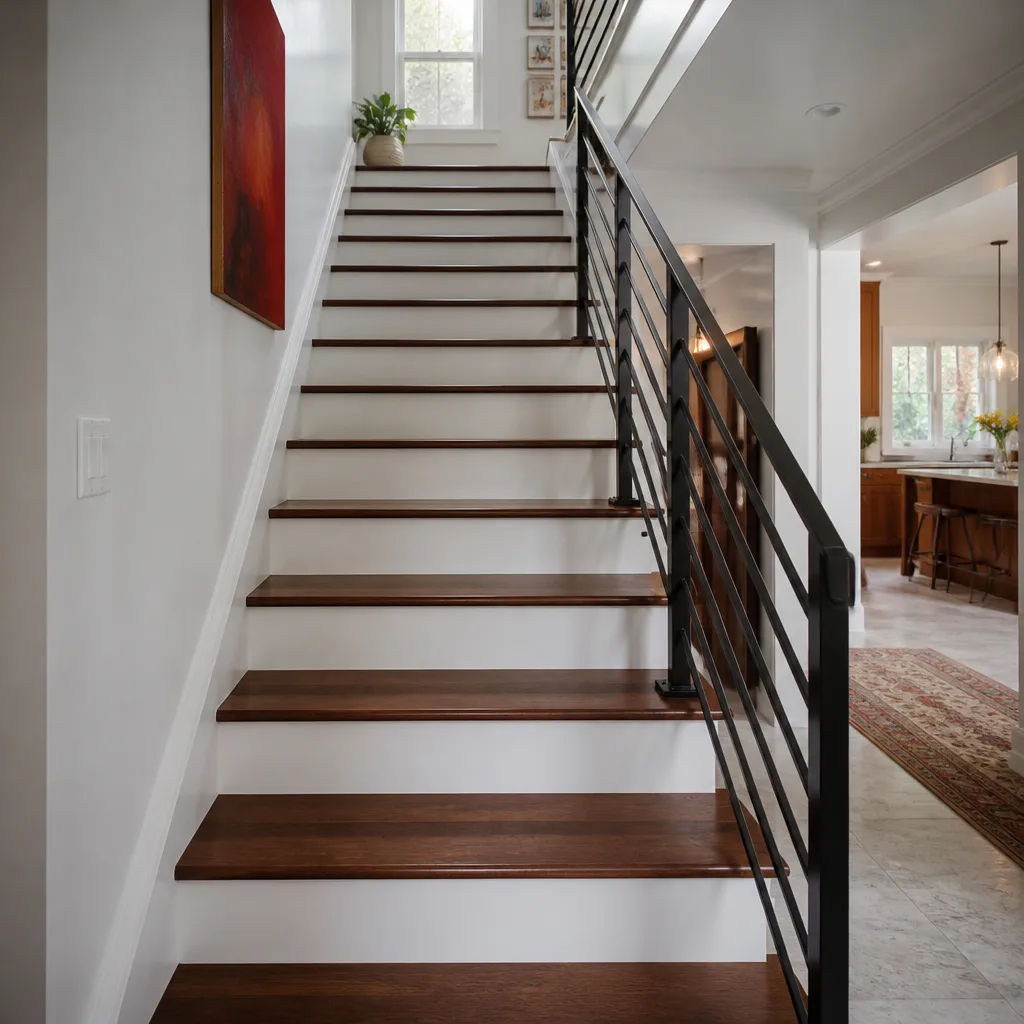
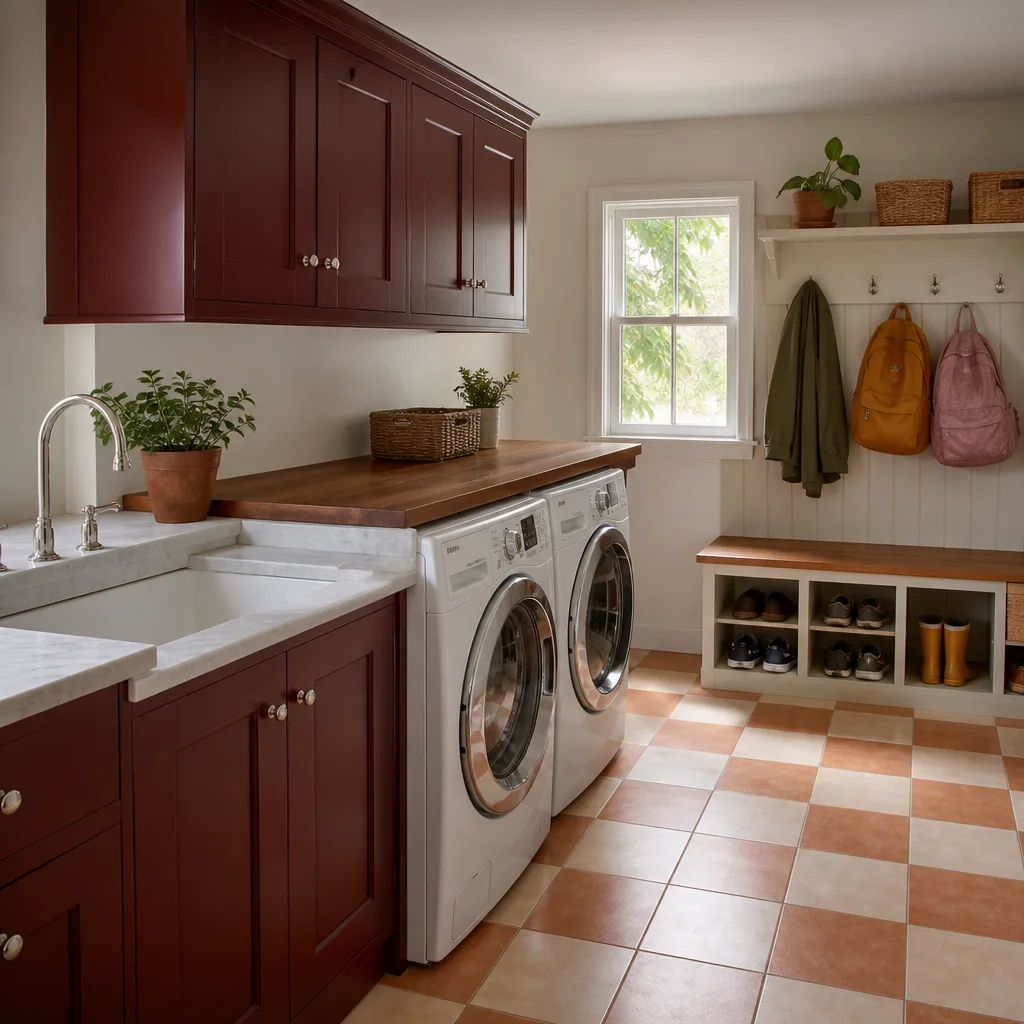
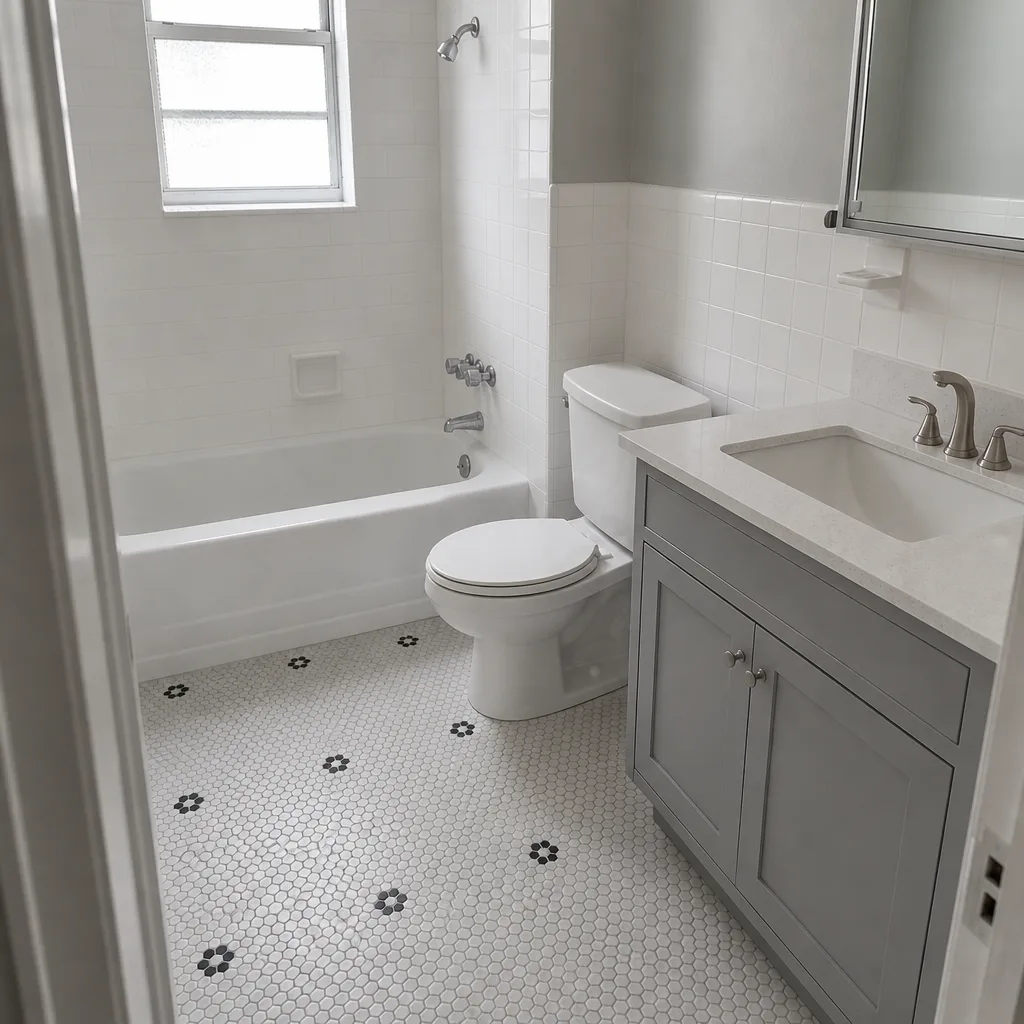
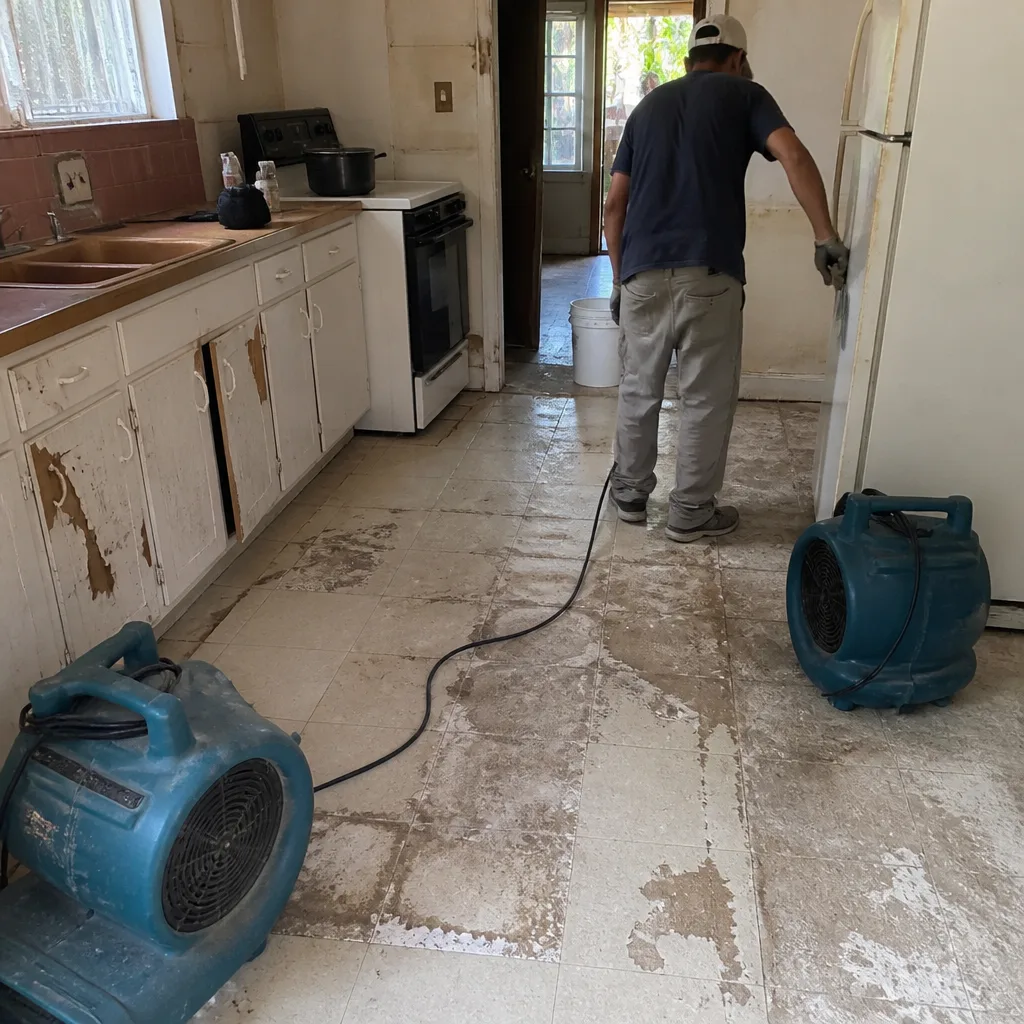
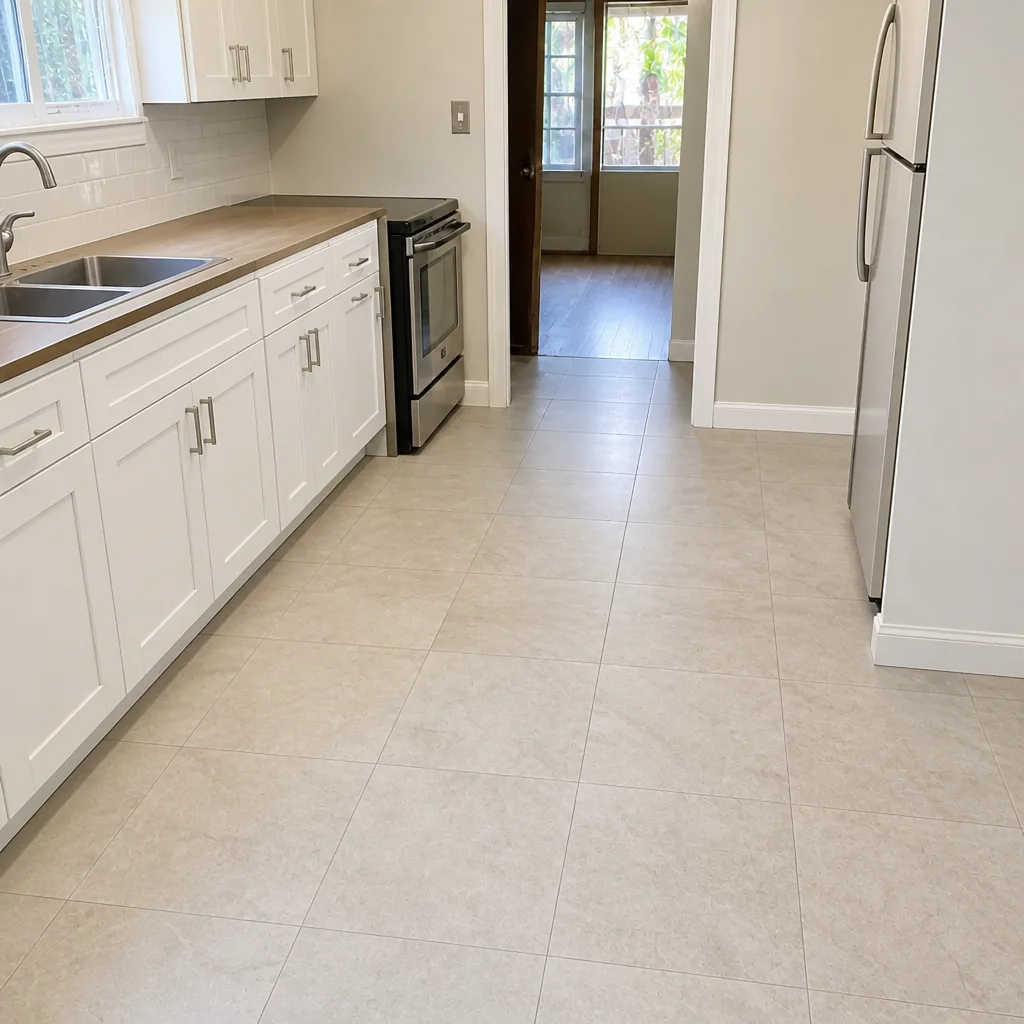
See the difference
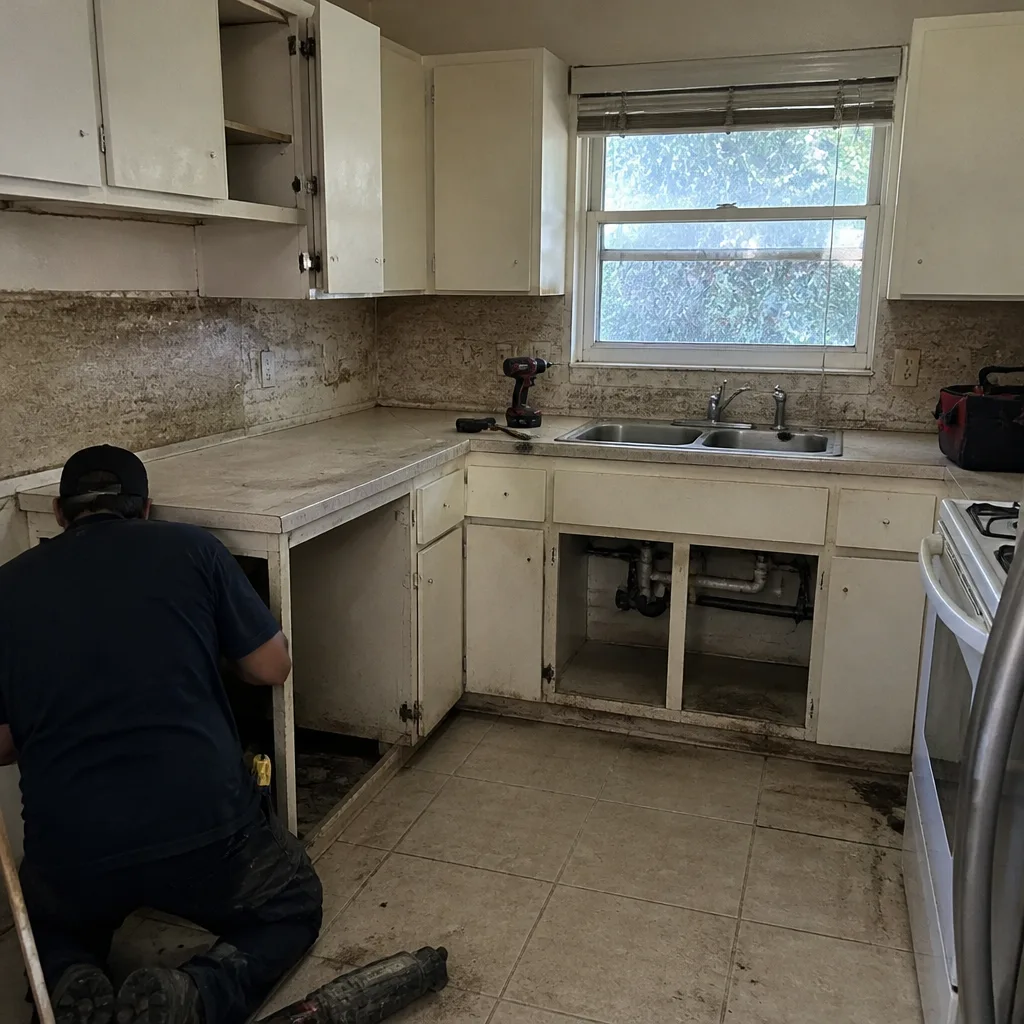 Before
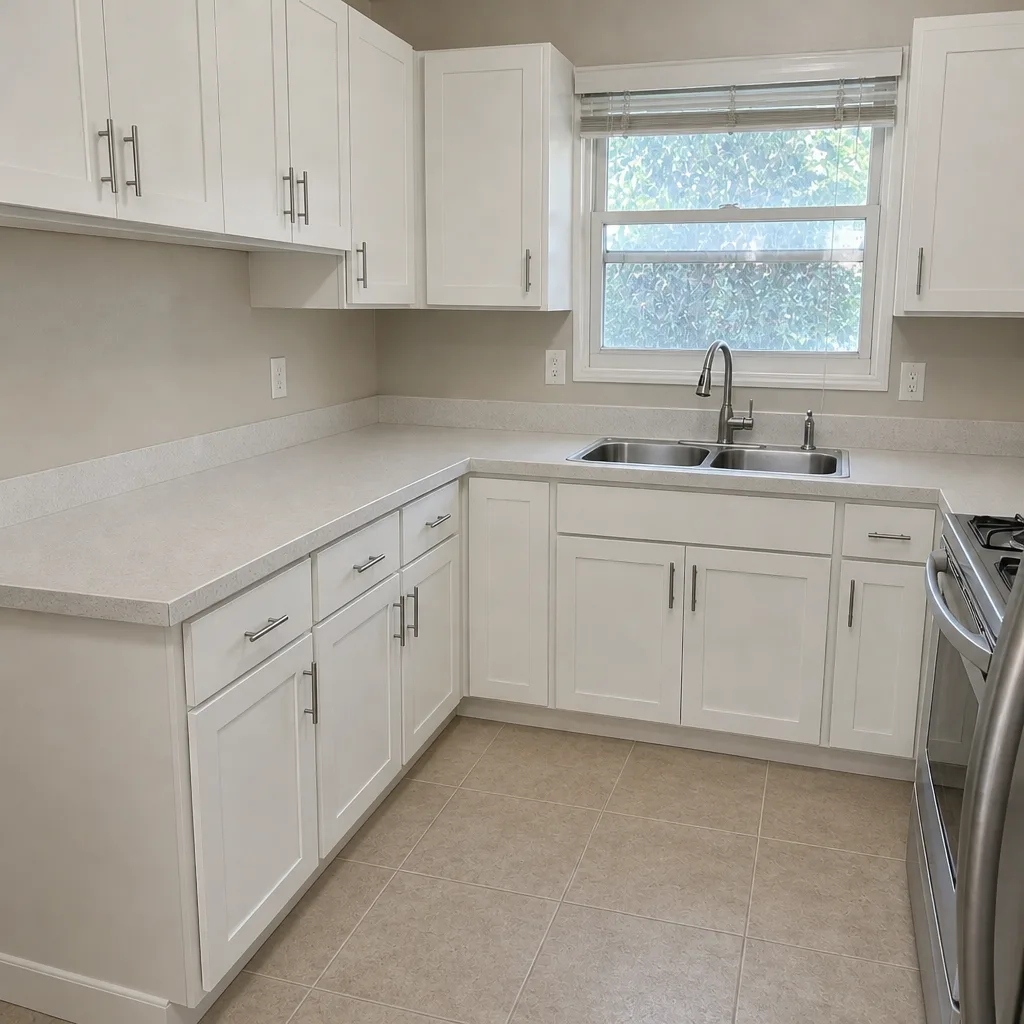 After
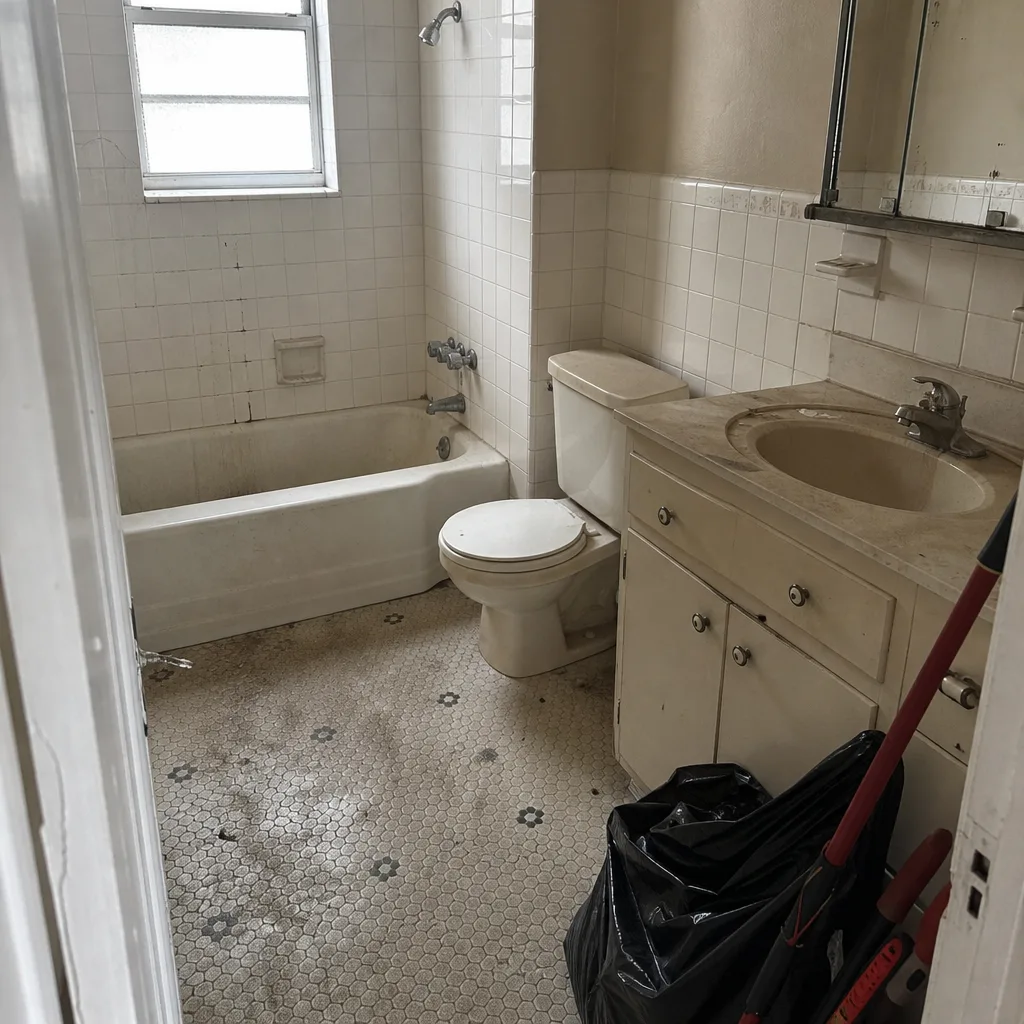 Before
 After
 Before
 After
When to Call a Professional
Whole-home remodels in Miami Beach are not a place for a general handyman. The moment your project involves permits, structural changes, HVHZ-rated openings, flood-zone flooring, or any electrical or plumbing rough-in, you’re into licensed-contractor territory. Same goes for anything touching a condo or HOA approval process. The three things we’d flag as call-now: a failed inspection you don’t understand, a contractor who won’t give you a written price, and a scope that keeps getting “clarified” after demo. Penhallow Remodeling Miami Beach offers free estimates in Miami Beach – call (844) 656-1986 to schedule yours. A written estimate and a written guarantee before the first cabinet comes out is the whole standard we operate under.
Frequently Asked Questions

Whole-home remodels in Miami Beach typically run $75,000 to $400,000+ depending on scope, with HVHZ-compliant openings and flood-zone floor elevations adding 15 to 30 percent versus an equivalent mainland project. Kitchen and bathroom line items move the total fastest based on cabinet, countertop, and tile choices. Call (844) 656-1986 for an exact quote – estimates are free.
If you’re replacing exterior openings in the HVHZ, yes – every new window or door must carry a Florida Product Approval or Miami-Dade NOA number that the inspector can verify. There’s no substitution path at final inspection. If your existing windows are staying, they don’t have to be replaced, but any window you touch must be rated.
With a properly written contract and a real scope, no – and that’s the standard you should hold any contractor to. The number on day one should be the number on the invoice. Change orders should come from true scope changes you approve in writing, not from things the original estimate skipped.
Yes – every permitted remodel we do in Miami Beach gets pulled by us in our name, and all inspections are ours to pass. The permit timeline runs 4 to 8 weeks for plan review before the work starts, and we factor that into your schedule from day one.
Whole-home remodels on the island typically run 4 to 7 months of construction, after a 4 to 8 week permit cycle and any condo or HOA review. Projects that include HVHZ product submittals or floodplain review sit toward the longer end. The way to shorten it is to sequence rooms in one pass rather than doing the kitchen and bathroom in separate phases.
For anything structural, electrical, plumbing, or mechanical, yes – the City of Miami Beach requires a licensed contractor of the appropriate trade to pull the permit and perform the work. Homeowner permits exist for narrow scopes, but a whole-home remodel of any complexity is beyond what a homeowner permit can cover.
The Bottom Line
Miami Beach remodeling is governed by four layers – state code, Miami-Dade amendments, city ordinances, and HOA or condo rules – and the strictest one wins. HVHZ product requirements, flood-zone floor elevations, and the Miami-Dade insulation R-value specifications are the items that most often blow a budget when they’re not in the original price. Sequence the project in one pass (structural, rough-ins, inspections, drywall, finishes), insist on a written price and a written guarantee before work starts, and tie payments to inspections passed. That’s how the number on day one becomes the number on the invoice.
If you’d like a written estimate grounded in the actual rules that apply on the island, call Penhallow Remodeling Miami Beach at (844) 656-1986. Our estimates are free, our arrival window is real, and a live person answers the phone 24/7.
Written by the team at Penhallow Remodeling Miami Beach.