Last updated November 18, 2026






Free written scope consultation - allowances, timeline, and change-order rules on paper before a single trade is scheduled
The Complete Guide to Construction in Miami Beach
Miami Beach sits in FEMA Flood Zone AE, which means a renovation that raises your finished floor height by even a few inches can trigger a full “substantial improvement” review – a fact most contractors mention only after the demo crew has already left. Add the coastal high-velocity hurricane zone (HVHZ) rules, Historic Preservation Board jurisdiction over several neighborhoods, and salt air that eats aluminum faster than you’d believe, and you have one of the most layered construction environments in the country. This guide maps every layer so you can walk into your project with your eyes open – permits, materials, cost triggers, and the contract clauses that protect you from all of it.
Quick Answer
Construction in Miami Beach is governed by three overlapping rule sets: Florida’s HVHZ building code (stricter wind and impact standards than the rest of the state), FEMA flood regulations that trigger when renovation costs cross 50% of a structure’s assessed value, and Historic Preservation Board review in designated neighborhoods. A typical kitchen remodel runs $28,000 to $75,000 and a bathroom $14,000 to $38,000, but costs shift fast once flood elevation, impact glazing, or historic review enters the picture. Getting the permit classification right before demo day is the single biggest factor in whether your budget holds.
Styles & brands we work with
- Kitchen remodeling
- Bathroom remodeling
- Home additions & ADU
- Roofing
- Windows & doors
- Driveway & pavers
- Fence
Table of Contents
- How HVHZ Code Changes What You Can Build
- The Substantial Improvement Rule: When 50% Triggers Everything
- Historic Preservation Board: Which Neighborhoods It Covers
- Salt-Air Degradation: Real Timelines for Barrier Island Materials
- What Construction Costs in Miami Beach in 2026
- Why Written, Itemized Contracts Matter More Here
- The Permit Process, Step by Step
- Common Mistakes to Avoid
How HVHZ Code Changes What You Can Build
Miami Beach falls inside the High-Velocity Hurricane Zone, a coastal band that covers Miami-Dade and Broward counties. HVHZ requirements are stricter than standard Florida Building Code in ways that directly affect your material budget. Every opening – windows, doors, skylights, garage doors – must carry a Miami-Dade Notice of Acceptance (NOA) rating for impact and pressure. You can’t substitute a product that passes the state code but lacks that local approval; the inspector will fail it.
In practice this narrows your material menu. If you want an impact-rated sliding glass door, you’re choosing from manufacturers who’ve paid for Miami-Dade testing – ES Windows and ECO Window Systems are two brands we regularly specify for barrier island projects because their product lines carry current NOAs. A Therma-Tru entry door needs the HVHZ-rated model, not the standard version sold in Orlando. Roofing is the same story: minimum wind-uplift ratings, specific fastener schedules, and a secondary water barrier under the field tile.
What this means for a Miami Beach renovation:
- Window and door swaps cost more. An impact-rated unit typically runs 30-50% more than a non-rated equivalent, and lead times stretch to 10-16 weeks on some lines.
- Roof replacements follow a tighter spec. Expect $18,000 to $38,000 for a typical single-family home, depending on square footage and whether you’re choosing tile or standing-seam metal.
- Screen enclosures and carports need engineered drawings. They aren’t treated as casual add-ons under HVHZ.
If you’re planning a general contractor project in Miami Beach, the HVHZ requirements should be priced in at the estimate stage, not discovered at the permit counter. Build the material selection around what’s already approved, and the rest of the project moves much faster.
The Substantial Improvement Rule: When 50% Triggers Everything
This is the rule that catches more Miami Beach homeowners off guard than any other. FEMA and the city’s floodplain ordinance define “substantial improvement” as any reconstruction, rehabilitation, or addition where the cumulative cost equals or exceeds 50% of the structure’s market value. Cross that line, and the whole building must be brought into compliance with current floodplain standards – including elevating the finished floor if the building sits below the base flood elevation (BFE).
In Miami Beach, with its mix of 1920s bungalows and mid-century blocks, plenty of homes sit below the current BFE. Elevating a house is a five- to six-figure proposition on its own. So the 50% threshold isn’t a rounding error – it’s a cliff.
How the calculation actually works:
- Assessed value is tallied. The city looks at the structure value from the property appraiser’s records, not the land value.
- Project cost is calculated cumulatively. That means all work over a rolling multi-year window – not just the current remodel.
- If the ratio hits 50%, the project becomes a substantial improvement. Full floodplain compliance kicks in: elevation, flood vents, enclosure limits, the works.
- You can sometimes restructure the scope to stay under. Splitting work isn’t always permitted, and the city watches for it, but choosing a kitchen refresh over a full gut can keep the cost under the threshold and avoid the elevation trigger.
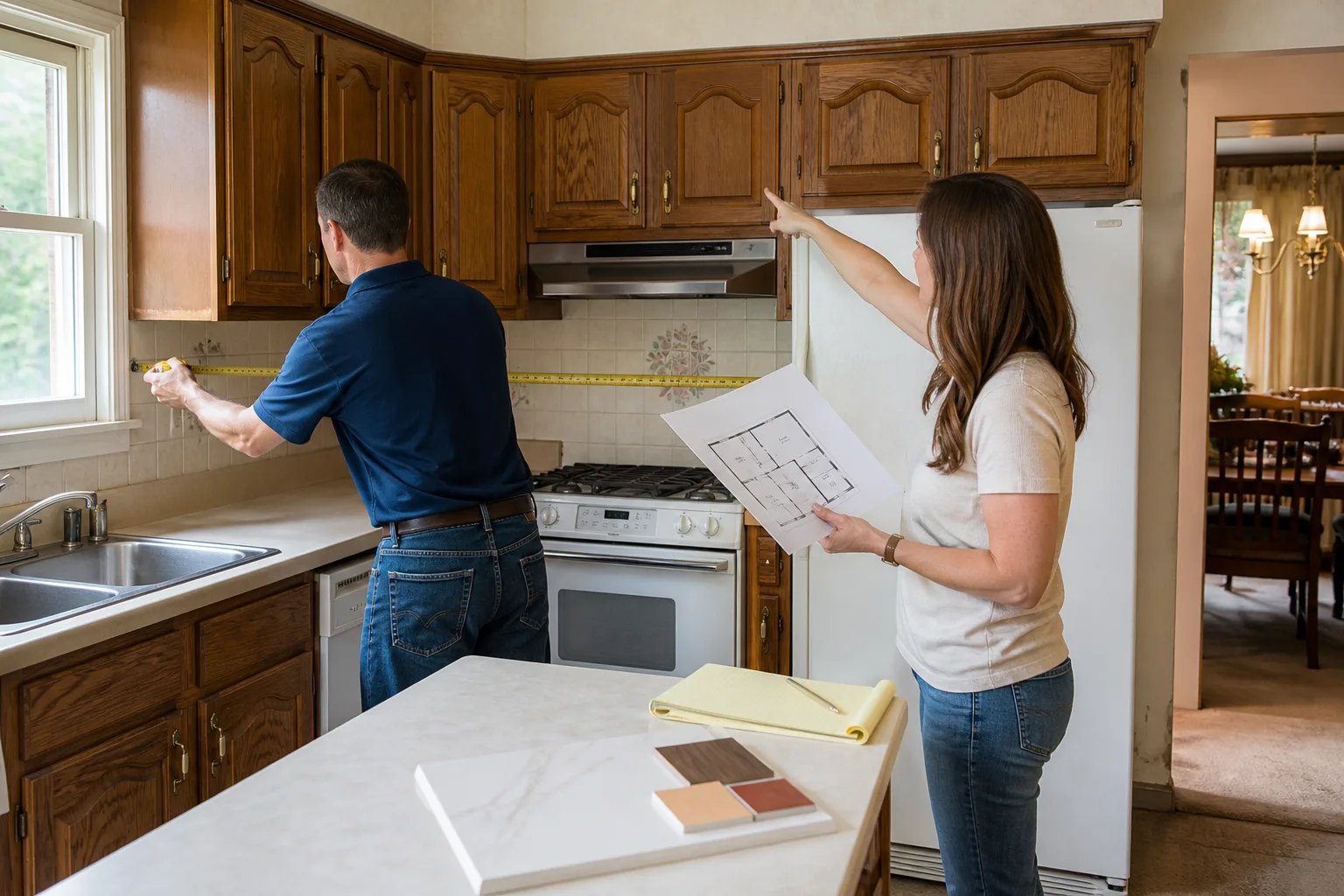
Before you commit to a scope on a Miami Beach home in Zone AE, ask your contractor to run the 50% math on paper. If the project is already close to the line, the honest answer may be “let’s right-size the scope” – which is why a written kitchen remodeling plan for Miami Beach should include the substantial improvement test as a first step.
Historic Preservation Board: Which Neighborhoods It Covers
Miami Beach has multiple designated historic districts, and if your property sits inside one, exterior work needs Historic Preservation Board approval before a permit is issued. The main districts include the Flamingo Park Historic District, the Española Way Historic District, the Collins Waterfront Historic District (covering much of the Art Deco stretch), the North Shore Historic District, and the Bayshore Historic District. Individual properties outside those districts can still carry local historic designation.
What the Board reviews – and what it can delay or block:
- Exterior alterations visible from public rights of way. Windows, doors, roofs, and porch enclosures all fall under review.
- Demolition. Full or partial demo requires a certificate of appropriateness, and the Board has refused tear-downs where the building still has contributive value.
- Additions. Second-story additions or rear extensions need to be compatible in scale, massing, and material.
- Signage and lighting. Even a new entry light fixture.
Timelines are the real story. A routine approval can clear in 30-45 days, but a contested or complex case can stretch to four to six months, especially when the application lands mid-cycle or needs design revisions. On a Miami Beach historic home, we’ve seen a bathroom project sit for weeks waiting on a single window-material decision. Interior-only work typically avoids Board review entirely, which is one reason a bathroom remodeling project in Miami Beach on a historic property often runs smoother if the scope stays inside the walls.
Before you buy a property in one of these districts with the idea of a major remodel, pull the historic designation status and the most recent certificate of appropriateness on file. It’s public record, and it will tell you a lot about how much scope is realistic.
Salt-Air Degradation: Real Timelines for Barrier Island Materials
Salt air and Miami Beach humidity put every exterior material on an accelerated clock. We’ve tracked the failure patterns long enough to give real timelines, not “it depends.”
- Concrete spalling. Salt-laden moisture penetrates the surface, chloride ions reach the reinforcing steel, and the steel rusts and expands. On unprotected concrete near the ocean, visible spalling can appear within 10-15 years. On a slab exposed to wind-driven rain, sooner.
- Stucco delamination. Traditional three-coat stucco over wood-frame construction will often show hairline cracking within 5-8 years and delamination within 12-18 if the caulk joints and paint film aren’t maintained. Inside a mile of the ocean, halve those numbers.
- Aluminum corrosion. Mill-finish aluminum window frames and railings pit visibly within 3-5 years in direct coastal exposure. Powder-coat and anodized finishes buy you more – usually 10-15 years before pitting shows.
- Galvanized fasteners and hardware. Standard hot-dipped galvanized nails on a coastal roof may corrode within 8-10 years. Stainless or HDG-heavy assemblies are worth the added cost on any Miami Beach roof.
- Wood rot on trim and fascia. Even treated wood on a windward elevation can show rot at fastener penetrations within 10-12 years if the flashing detail was skipped.
The takeaway isn’t to avoid materials – it’s to choose assemblies rated for the environment. Fiber cement siding such as James Hardie holds up far better than wood in Miami Beach’s humidity, provided the paint film stays intact. Impact-rated windows with aluminum frames holding a factory powder-coat finish last longer than mill-finish. And routine caulk-and-paint maintenance, kept to a five-to-seven-year cycle, roughly doubles the life of stucco on a barrier island home.
What Construction Costs in Miami Beach in 2026
Prices in Miami Beach run higher than the Miami mainland, sometimes by 15-25%, because of the permit complexity, HVHZ materials, and the labor it takes to work around historic districts and dense lots. Here are the ranges we’re seeing:
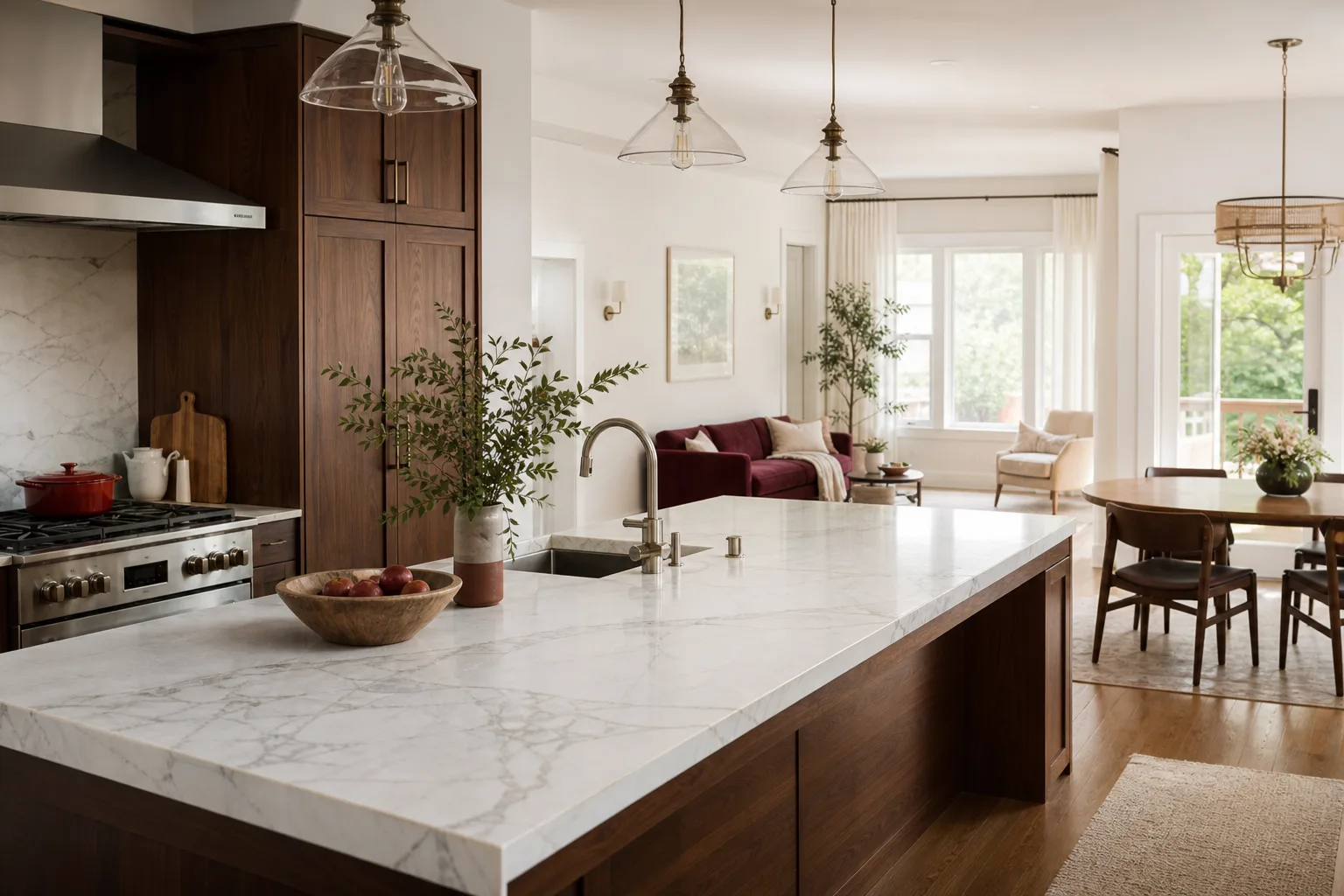
- Kitchen remodel: $28,000 to $75,000. A cosmetic refresh with painted cabinets and a new countertop lands near the bottom; a full gut with new framing, KraftMaid or Wellborn cabinetry, and a Cambria or Silestone quartz countertop lands near the top.
- Bathroom remodel: $14,000 to $38,000. Curbless showers, wall-hung vanities, and Kohler or Moen fixtures push toward the higher end; a standard layout stays closer to $14,000-$22,000.
- Whole-home renovation: $110 to $220 per square foot, depending on scope and how much structural work the permit reveals.
- Impact windows (per unit): $850 to $1,900 installed, depending on size and product line. Hurricane-rated entry doors run $2,200 to $4,500.
- Roof replacement: $18,000 to $38,000, with tile-and-metal roofs at the high end.
- Historic Board application fee: modest on its own, but the timeline cost is real – 4-8 weeks typical, longer if contested.
Those are real numbers for planning. When you get an estimate in Miami Beach, ask whether it’s a fixed written price or a range, whether it includes HVHZ-rated materials throughout, and how the contractor plans to handle the substantial improvement calculation if your project creeps toward the threshold. See our Penhallow Remodeling Miami Beach home page for how we structure pricing and the written guarantee that comes with it.
Why Written, Itemized Contracts Matter More Here
Every homeowner should insist on a written contract. In Miami Beach it’s not just good practice – it’s the difference between a project that closes on budget and one that balloons at month three. The three rule sets above (HVHZ, floodplain, historic) mean the contractor’s actual scope decisions live in the details: which window product, which fastener schedule, which elevation. Vague language like “replace windows with hurricane-rated units” isn’t enough. You want the brand, the model, and the NOA reference in the line item.
The non-negotiable clauses we’d insist on for any Miami Beach project:
- Itemized scope with brand and model, line by line. Not “cabinetry” – KraftMaid Hawthorn in Maple, standard overlay. Not “countertop” – Cambria Skara Brae, 3cm.
- Permit responsibility in writing. Who pulls the permit, who pays for it, who schedules inspections, what happens if the permit office asks for a substantial improvement calculation.
- A written price that doesn’t change with the weather. Change orders only with your signed approval, itemized in advance.
- Written guarantee with the coverage period and what it includes. Our projects carry the 365-Day Done Right Promise – if something fails inside the year, we come back and fix it at no charge. That’s in writing, on the invoice, not in a handshake.
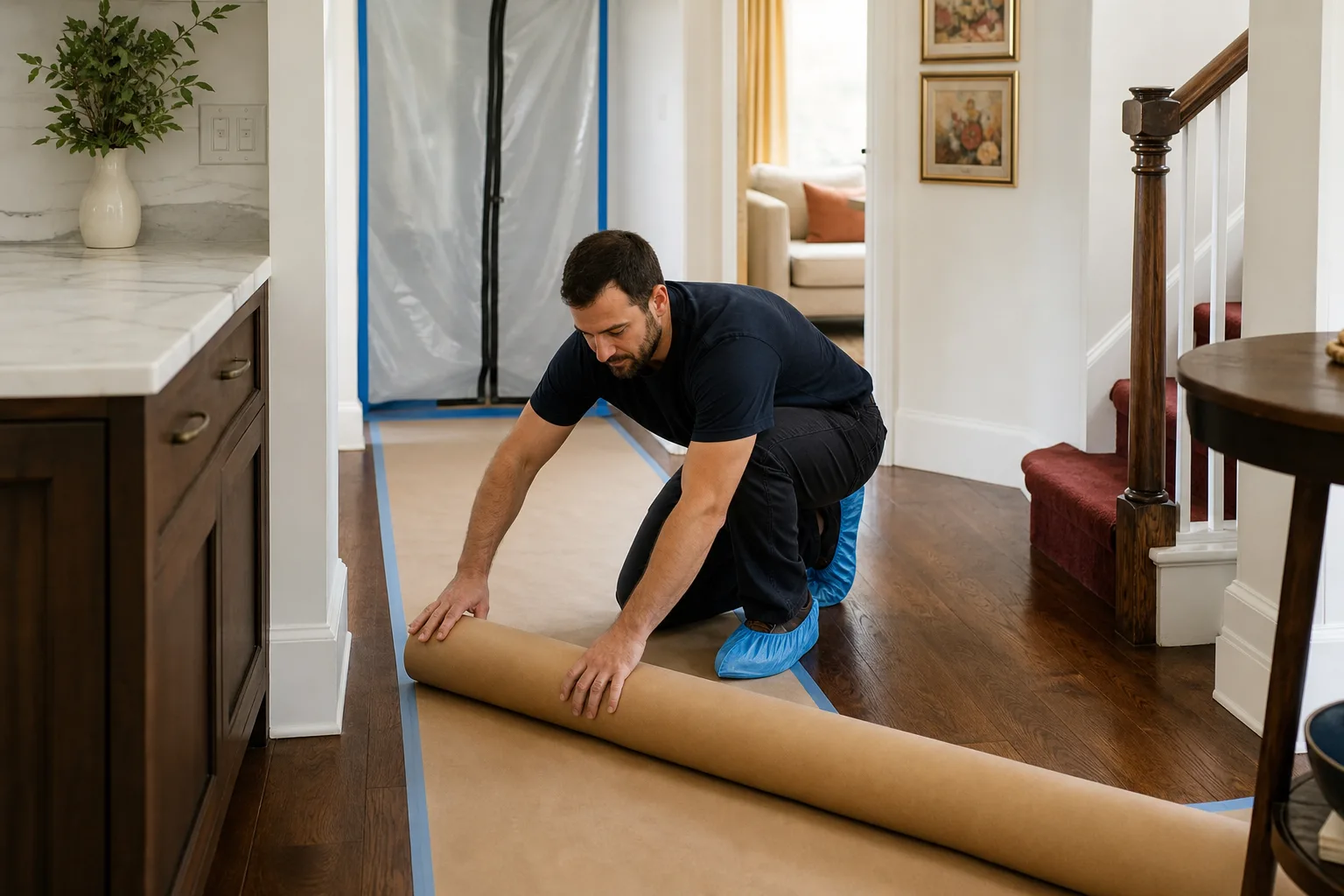
- Arrival windows, daily cleanup, and job-site standards. Sounds basic. On a Miami Beach job site where you’re possibly living in the home, it’s the difference between a cooperative project and a hostile one.
- Change-order process, including how a scope creep toward the substantial improvement threshold is handled.
If a contractor won’t put the arrival window and the guarantee terms in writing, that’s your answer about how the rest of the project will go.
The Permit Process, Step by Step
Miami Beach permitting moves on the city’s schedule, not yours. Here’s roughly how a project flows:
- Pre-application check. Confirm the property’s flood zone, historic designation status, and any prior permits pulled in the last 10 years. This catches substantial improvement math and Board review needs before you submit.
- Design and drawings. A licensed architect or engineer produces sealed drawings. HVHZ projects need uplift and impact calculation, especially for any glazing or roof replacement.
- Historic Preservation Board review (if applicable). Application, public hearing, certificate of appropriateness.
- Permit application. Submit to the Miami Beach Building Department. Plan review runs 3-6 weeks on standard residential, longer on projects in a flood zone or historic district.
- Contractor licensing and insurance verification. The city verifies your contractor’s license and insurance before issuing the permit. This is where a marginal contractor drops off.
- Permit issued, work begins. Inspections along the way: foundation/framing, rough-in MEP, insulation, drywall, final.
- Final inspection and certificate of occupancy or completion. No punch-list item should be left unresolved before the final.
Plenty of Miami Beach projects run 4-6 months from drawings to final inspection on the permit alone, before you count construction time. Building that timeline into your plan – especially if you’re coordinating a move-in or a rental – takes the sting out of the wait. The kitchen remodeling page and bathroom remodeling page on our site both cover the room-specific permit sequence in more detail.
Common Mistakes to Avoid
- Starting demo before the permit’s approved. Opening walls before the permit is issued can trigger a stop-work order and restart the review. On a Miami Beach historic property it can also void the certificate of appropriateness.
- Ignoring the 50% substantial improvement math. A $70,000 kitchen remodel on a $130,000 assessed structure crosses the line. Always run the math before signing a contract.
- Choosing materials not on the HVHZ-approved list. A product that passes the state code is not automatically Miami-Dade NOA-approved. The inspector will catch it, usually after the unit’s installed.
- Treating salt-air maintenance as optional. Skipping a five-year caulk-and-paint cycle on coastal stucco can double the eventual repair bill. Barrier island homes need the maintenance schedule written into the calendar.
- Buying a historic-district property without checking the design review history. A prior certificate denial or a non-conforming renovation can complicate your own plans more than you’d expect.
- Accepting a verbal estimate or an open-ended price. Miami Beach permit reviews uncover surprises, and contractors who price by range end up in a change-order conversation. A written, itemized price avoids that entirely.
- Hiring a crew that hasn’t worked in HVHZ before. A contractor from outside the coastal zone may not know the local NOA rules, the elevation triggers, or the historic district timelines. Ask specifically for recent Miami Beach projects.
See the difference
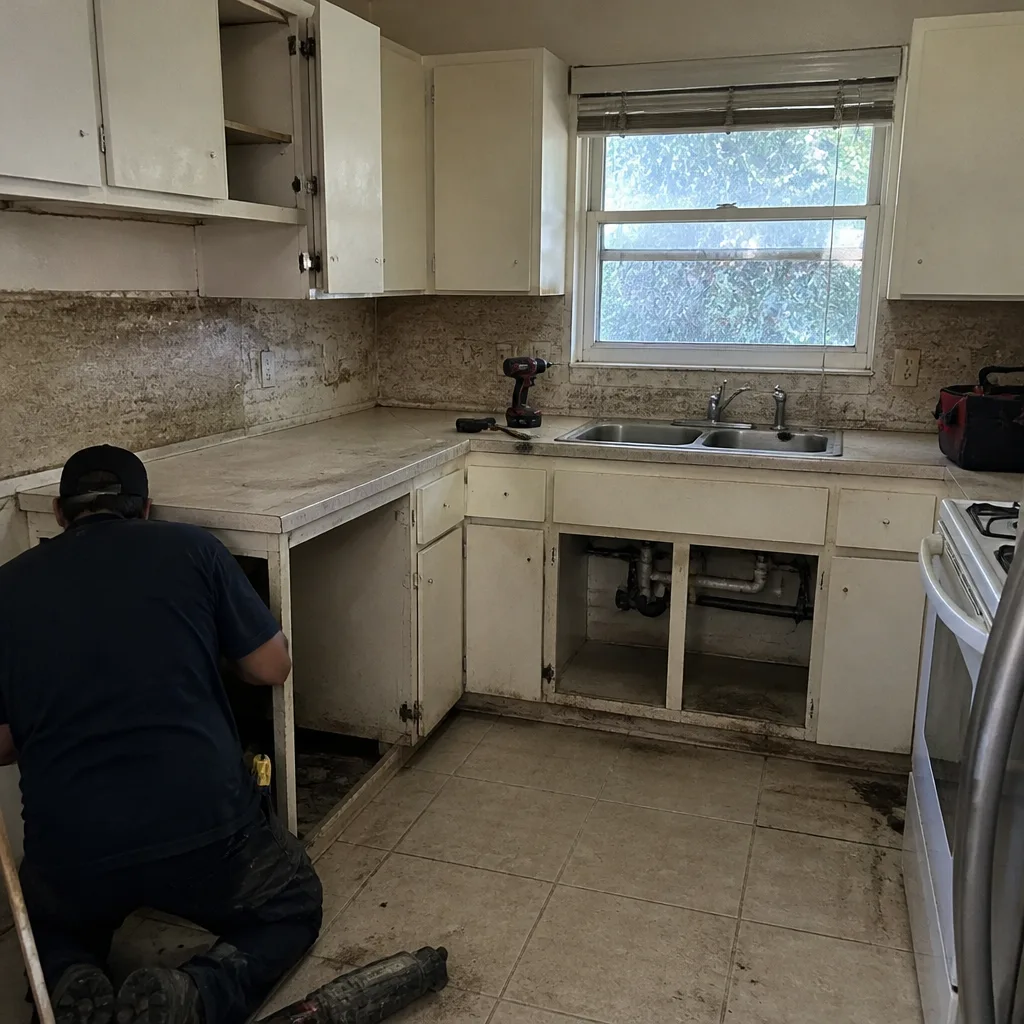 Before
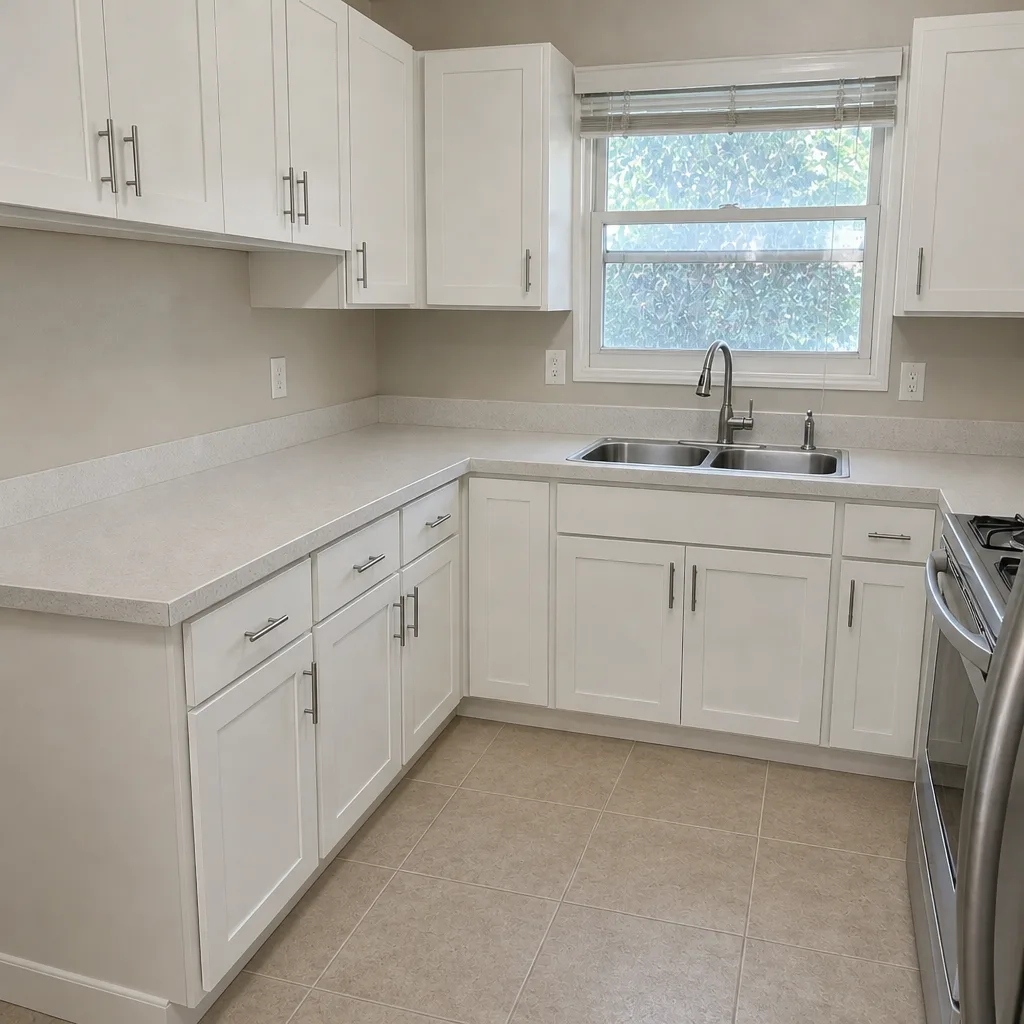 After
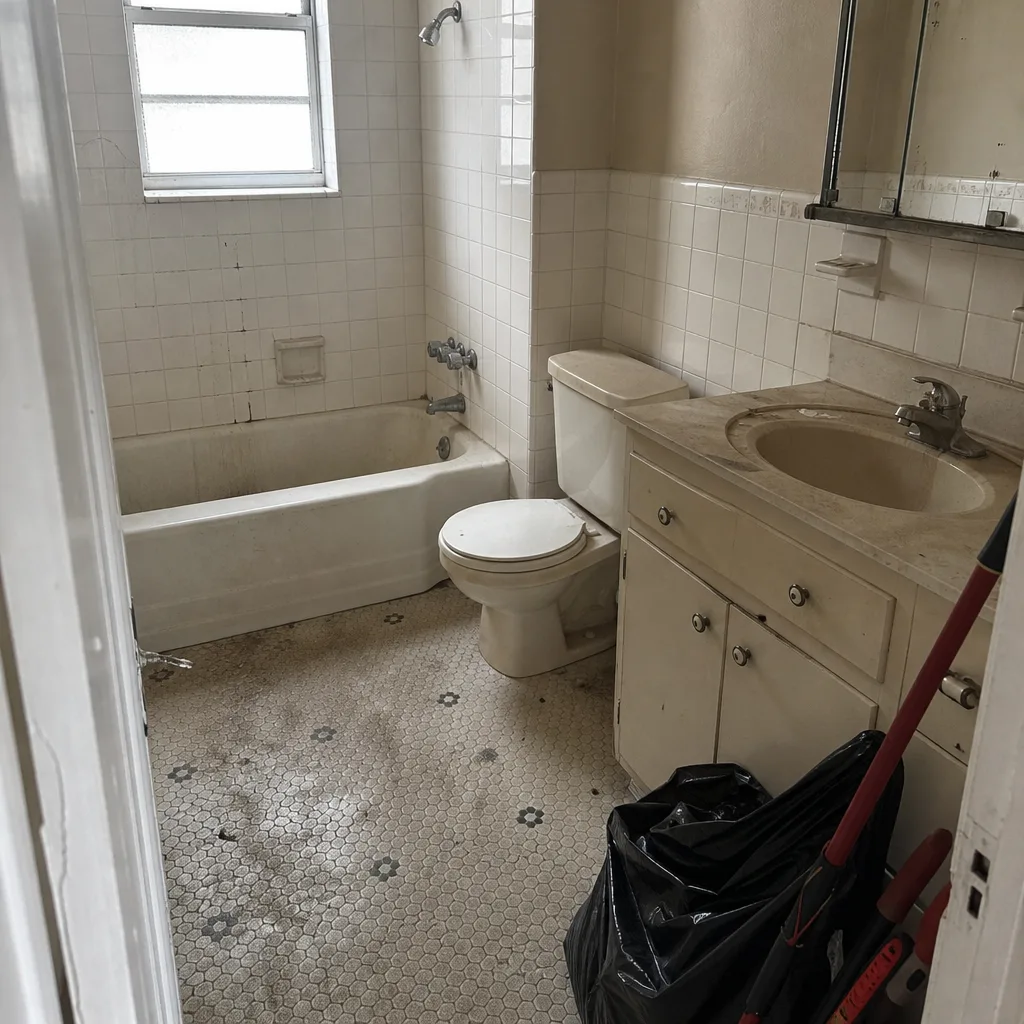 Before
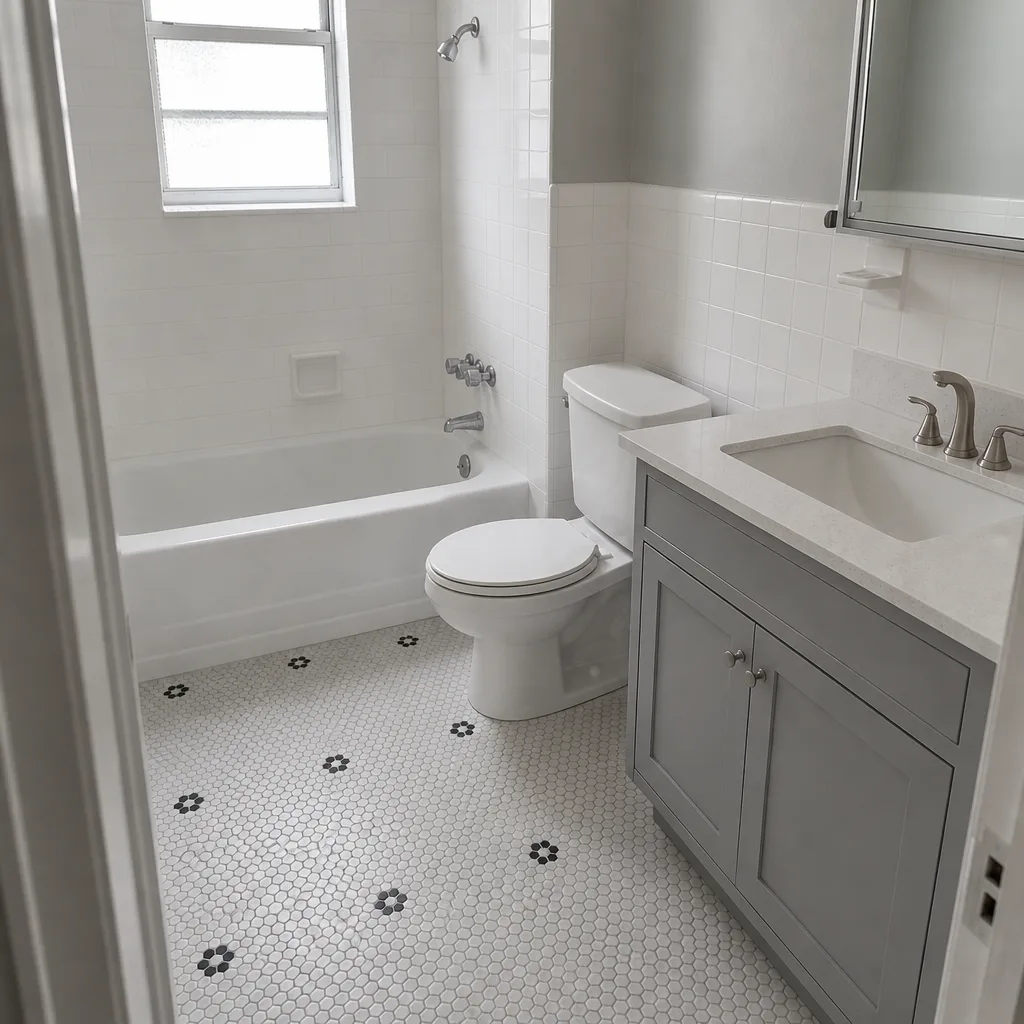 After
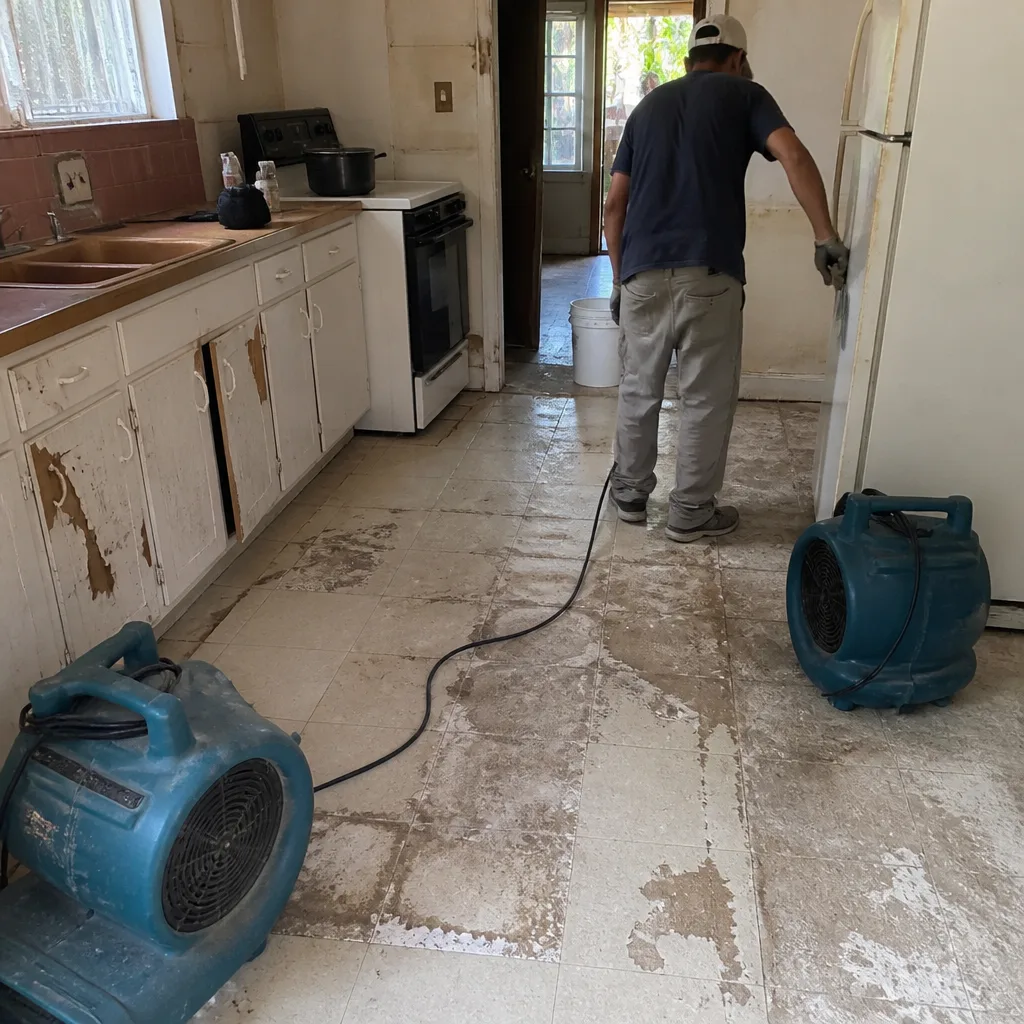 Before
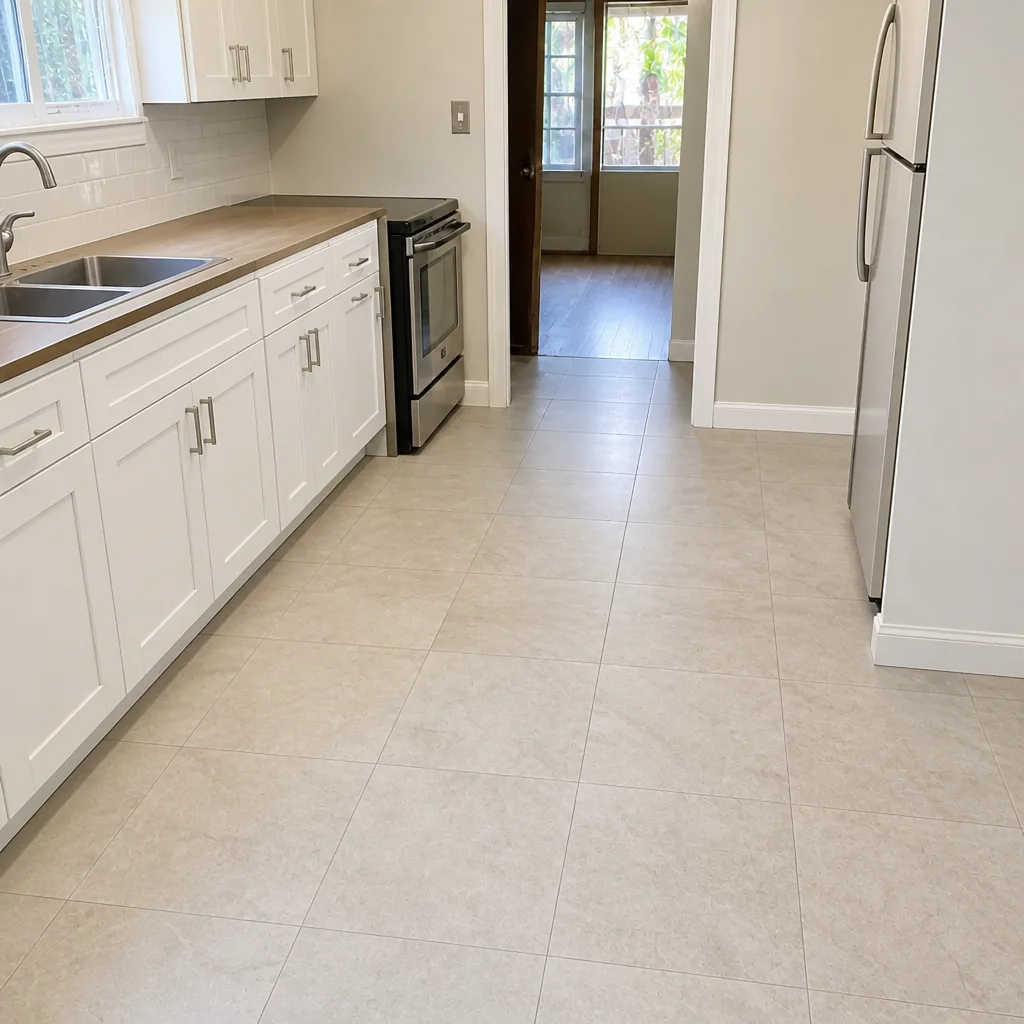 After
When to Call a Professional
Call a licensed contractor when the project touches structure, permits, or any of the three rule sets above. That includes: any renovation in a flood zone where cost might approach 50% of the assessed value; any exterior change to a building in a historic district; any window, door, or roof replacement subject to HVHZ; any bathroom or kitchen remodel that involves relocating plumbing or pulling electrical wiring through walls; any project where concrete spalling or stucco delamination is visible – those often indicate water infiltration that a cosmetic repair will simply cover up. Our technicians at Penhallow Remodeling Miami Beach have up to 22 years of experience on barrier island projects. Penhallow Remodeling Miami Beach offers free estimates in Miami Beach – call (844) 656-1986, and we’ll put a written price and a written guarantee in front of you before any work starts.
Frequently Asked Questions
A kitchen remodel in Miami Beach typically runs $28,000 to $75,000. The low end covers painted cabinets, a new Silestone or quartz countertop, and updated lighting. The high end reflects a full gut with new framing, KraftMaid or Wellborn cabinetry, upgraded appliances, and layout changes requiring MEP rough-in. HVHZ-rated windows and any historic-district review push the number up further. Call (844) 656-1986 for a written line-item estimate – it’s free, and the price in writing is the price on the invoice.
It’s the FEMA floodplain rule that says if your cumulative renovation cost reaches 50% of the structure’s assessed market value, the whole building must be brought up to current floodplain standards – including elevating the finished floor if it sits below base flood elevation. Miami Beach sits largely in Zone AE, so this applies to most single-family properties in the city. Have any general contractor run the math before you sign a contract; if you’re near the line, right-sizing the scope is far cheaper than elevation work.
Yes, if your property is in a designated historic district or carries local historic designation. Miami Beach districts include Flamingo Park, Española Way, Collins Waterfront, North Shore, and Bayshore. Approval is required for any exterior alteration visible from a public right of way, plus any addition or demolition. Review can take 30-45 days for a routine case and up to four to six months if contested. Interior-only work typically skips the Board.
It shouldn’t. A written, itemized price is the whole point of a proper contract – change orders should only happen with your signed approval, in advance. In Miami Beach permit reviews can uncover surprises (rot under stucco, non-conforming framing, HVHZ material substitutions), but a contractor who’s priced the project correctly will have room for those in the original quote. Ask for a written price before any work begins.
Yes. We pull the permit, coordinate the plan review with Miami Beach Building Department, handle Historic Preservation Board filings where applicable, and schedule all inspections through final. Permit fees are itemized separately in the quote so you see the exact amount – no bundled “permit allowance” that leaves room for surprises.
Budget 4-6 months for permits alone on a typical residential project, then construction time on top. A kitchen remodel runs 6-10 weeks of active work once permits are in hand; a bathroom 4-8 weeks; a whole-home renovation 4-6 months of labor. Historic district review, HVHZ product lead times, and the substantial improvement calculation are the three biggest variables. Call (844) 656-1986 and we’ll map a realistic schedule for your specific project.
The Bottom Line
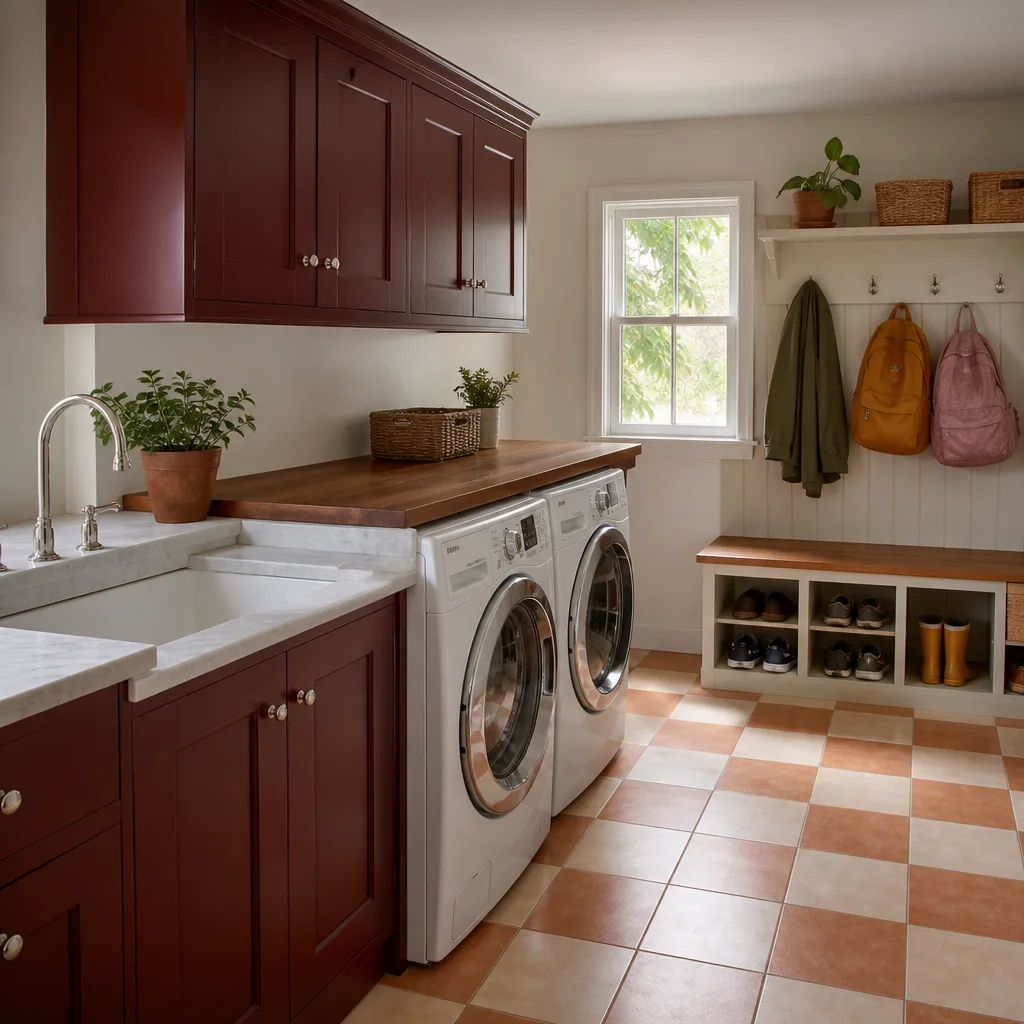
Miami Beach construction is a negotiation with three rule sets most contractors never fully explain: HVHZ materials that limit your options and stretch lead times, FEMA’s 50% substantial improvement threshold that can trigger a full elevation review, and Historic Preservation Board review that can add weeks or block scope entirely. Layer on salt-air degradation that shortens material life and pushes maintenance into the schedule, and it’s clear why written, itemized contracts are non-negotiable here. Get the math right before demo day. Price the materials for the environment. Put the scope, the price, and the guarantee in writing. Do that, and the rest of the project follows a plan instead of a scramble.
Ready to plan a project in Miami Beach with a written price and a written guarantee in front of you first? Call Penhallow Remodeling Miami Beach at (844) 656-1986 for a free estimate. We source KraftMaid and Wellborn cabinetry, Cambria, Silestone, and Caesarstone countertops, Kohler and Moen fixtures, and James Hardie siding, and we back every project with our 365-Day Done Right Promise. A live person answers the phone, every time.
Written by the team at Penhallow Remodeling Miami Beach.