Last updated November 18, 2026





Free written scope consultation - allowances, timeline, and change-order rules on paper before a single trade is scheduled
The Complete General Contractor Guide for Miami Beach Homeowners
Miami-Dade County runs one of the strictest building departments in the country, yet most complaints homeowners file with the state involve contractors who held a valid license the whole time. That’s the uncomfortable part. A license number on a business card tells you almost nothing about whether the person holding it understands coastal flood zones, high-rise association rules, or the difference between a Broward permit and a Miami Beach one. This guide walks through what actually separates a contractor who finishes your project from one who disappears after demo day. You’ll learn how to verify a license across two separate databases, what condo approval really requires, and which single document protects your money.
Quick Answer
To hire a general contractor in Miami Beach, verify the license on both the state DBPR portal and the Miami-Dade contractor search (they are separate systems), confirm general liability and workers’ comp coverage that matches a coastal flood zone, get condo association approval in writing before anyone touches a wall, and insist on a fixed written price before demo starts. Salt air, hurricane code, and association rules make Miami Beach projects harder to permit and slower to schedule than inland jobs. The contractor who plans for all three is the one worth hiring.
Styles & brands we work with
- Kitchen remodeling
- Bathroom remodeling
- Home additions & ADU
- Roofing
- Windows & doors
- Driveway & pavers
- Fence
Table of Contents
- Why Hiring in Miami Beach Is Different
- Miami-Dade Permits vs. Broward: What Changes
- How to Verify a Contractor’s License
- Condo Association Approval: The Step Most Homeowners Skip
- Insurance Minimums That Matter in a Flood Zone
- The Written Price: Your Best Protection
- The Miami Beach Hiring Checklist
- Common Mistakes to Avoid
Why Hiring in Miami Beach Is Different
Build here long enough and the local quirks stop surprising you. Miami Beach sits on a barrier island with salt-laden air that eats fasteners, corrodes exterior fixtures, and pushes moisture into wall cavities from the outside in. A remodel that would last twenty years in a dry climate needs different materials and different detailing here. We’ve seen cabinet hinges pit within two seasons when the wrong finish was specified on a west-facing unit near the ocean.
Then there’s the code. Miami-Dade enforces wind-borne debris protection, impact-rated glazing, and product approval requirements that most of the country doesn’t touch. Interior work in a high-rise triggers association review on top of the county permit. And the building stock itself is split: mid-century hotels turned condos in South Beach, single-family homes on the North Bay waterfront, and newer towers along Collins where every wall penetration needs a structural sign-off.
That combination means a general contractor working in Miami Beach needs three things working at once:
- Familiarity with Miami-Dade’s product approval and inspection sequence
- Experience coordinating with condo boards and property managers
- A material palette chosen for salt air and humidity, not just looks
A contractor who does great work in Kendall or Hialeah can still stumble on a Miami Beach high-rise job. The trade skill is the same. The permitting and association choreography is not.
Miami-Dade Permits vs. Broward: What Changes for Your Timeline and Cost
Miami-Dade County’s building department reviews more slowly and more thoroughly than Broward for most residential scopes, and the gap widens on anything touching the building envelope. Plan for the permit phase to consume real calendar time, not a week of paperwork. A typical bathroom remodel might spend two to five weeks in review. A structural change or an exterior alteration in a coastal zone can run longer.
Three differences show up again and again:
- Product approval. Miami-Dade requires that windows, doors, shutters, and many exterior products carry a Miami-Dade Notice of Acceptance or meet Florida Product Approval. A contractor who quotes a window brand without checking the approval listing can stall your job at inspection.
- Inspection sequencing. The county runs a defined inspection ladder (rough framing, rough electrical, rough plumbing, insulation, final). Skipping ahead gets the job red-tagged and adds weeks.
- Coastal and flood-zone overlays. Work in a flood zone can trigger elevation documentation and additional review that Broward projects often avoid.
What does this mean for cost? Permit fees scale with project valuation, and inspection delays cost money in carrying and scheduling. A contractor who built their estimate without accounting for Miami-Dade review time will either eat the difference or hand it to you later. Ask up front: “What’s your realistic permit timeline, and is it built into this price?” Our General Contractor in Miami Beach page walks through how we sequence permits on local projects.
What the timeline actually looks like
A kitchen remodel in Miami Beach that needs a permit, an association approval, and an inspection ladder usually breaks down like this: one to two weeks for drawings and association submission, two to five weeks for county review, then the build itself. The build phase is the part most contractors quote accurately. The front end is where jobs go sideways.
How to Verify a Contractor’s License: Two Databases, Not One
This is the step most homeowners get wrong. Florida keeps two separate records, and checking one does not check the other.
The first is the Florida DBPR portal (the Department of Business and Professional Regulation). It shows whether a contractor holds a state certified or registered license, whether it’s active, and whether any disciplinary actions are on file. The second is the Miami-Dade County contractor licensing search, which tracks local registration, qualifying agent status, and permit history. A contractor can appear in one and not the other.
Walk through it in order:
- Ask for the license number in writing, not verbally.
- Search the DBPR portal for the license type. A “Certified General Contractor” (CGC) can work statewide. A “Registered” contractor is limited to specific counties.
- Search the Miami-Dade contractor database for local registration and permit history.
- Check that the qualifying agent on record matches the company you’re actually hiring.
- Look for open complaints or disciplinary actions, not just the active status.
A clean record on both is a baseline, not a guarantee. The DBPR complaint data tells you something the license status doesn’t: whether the contractor has a pattern of disputes, abandoned jobs, or complaints about workmanship. Read the complaint descriptions, not just the counts. We’ve seen homeowners skip this step and find out later that the “fully licensed” contractor had three unresolved disputes on record.
Condo Association Approval: The Step Most Homeowners Skip
If your Miami Beach home is a condo or a unit in a high-rise, the association is a gatekeeper that can stop the project cold before a permit is even filed. Most boards require several things before a general contractor can touch a wall:
- A written application and scope description from the contractor
- Proof of insurance, with the association listed as additional insured
- A copy of the contractor’s license and qualifying agent documentation
- Access hours and elevator protection rules
- Design review for anything visible from outside (window coverings, door style, balcony changes)
- A security deposit or move-in/move-out fee, often refundable
The approval process itself can take two to six weeks depending on how often the board meets. That’s calendar time that has to be built into the schedule. We’ve seen projects sit for a month because a contractor submitted the association paperwork a week after the client signed, and the next board meeting was three weeks out.
Ask your contractor directly: “Have you done association submittals on Miami Beach high-rises before, and who owns that paperwork?” A contractor who treats the association as your problem is a contractor who’s never worked a high-rise. For interior work specifically, our Kitchen Remodeling in Miami Beach team builds the association timeline into the project schedule from day one.
Insurance Minimums That Matter in a Flood Zone
Insurance is where a lot of homeowners wave a hand and hope. In a coastal flood zone, hope isn’t a strategy. You need to see the actual certificates, not a verbal “we’re covered.”
Two categories matter most:
- General liability. This covers damage to your property or a neighbor’s during the job. In a condo, a plumbing failure on the tenth floor can flood nine units below. Ask for a certificate showing current coverage and confirm the limits are meaningful for the size of your project.
- Workers’ compensation. This covers the crew if someone is injured on your job. If the contractor doesn’t carry it, and a worker is hurt, the liability can fall to you as the property owner. Florida generally requires construction employers with the right number of employees to carry it. Verify the certificate is active, not lapsed.
Beyond the two minimums, ask whether the contractor carries builder’s risk coverage and whether your association requires the contractor to name the association as additional insured. Coastal flood zones also mean a contractor working near the water should understand how water intrusion during construction affects coverage and scheduling. A contractor who can’t produce these documents on request is telling you something.
The safest pattern: request certificates before signing, verify the policy numbers directly with the carrier or the contractor’s agent, and keep copies. A reputable contractor will hand these over without hesitation.
The Written Price: The Single Document That Protects You
This is the part that matters most, and it’s the part most guides gloss over. A written price before demo day is not the same as an estimate range. An estimate says “this project should run somewhere between X and Y.” A written price says “this is the number.” The first protects the contractor. The second protects you.
Here’s why it matters in Miami Beach specifically. Coastal projects surface surprises during demo: a wall that isn’t where the drawing said, water damage behind tile from years of salt-air intrusion, a code issue the plan review didn’t catch. When a contractor has quoted a range, those surprises land on your invoice. When the price is fixed in writing before demo, they don’t.
What a real written price includes:
- Line-item scope: what’s being removed, what’s being installed, what’s excluded
- Material specifications by brand and line (not “quartz countertops” but which quartz from which line)
- Permit and inspection costs, itemized
- Association fees or deposits, itemized if applicable
- Payment schedule tied to milestones, not a large deposit on day one
- Change-order process, in writing, with a cap or explicit consent requirement
At Penhallow, this is non-negotiable. Every homeowner gets a written price before any work starts, so the number on day one is the number on the invoice. That’s spelled out in The Kingswell Way, the standard every Penhallow location operates under: say the price before the work, show up in the window we gave, leave the place cleaner than we found it. Our Bathroom Remodeling in Miami Beach projects carry the same written price and the same 365-Day Done Right Promise: if the work fails inside the guarantee period, we come back and fix it at no charge.
The Miami Beach Hiring Checklist
Use this as your filter. A contractor who clears all eight is worth a serious conversation. One who stumbles on three or four isn’t.
- License verification, both databases. DBPR portal and Miami-Dade contractor search, in writing, before signing.
- Insurance certificates, in hand. General liability and workers’ comp, current, with limits that fit your project.
- Association experience, verified. Has this contractor done submittals on Miami Beach high-rises, and who owns that paperwork?
- Written fixed price, before demo. Line-itemed, material-specified, permit costs included.
- Permit plan, in writing. Timeline built into the schedule, not treated as an afterthought.
- Material specifications that suit salt air. Coastal-rated fasteners, marine-grade hardware where it counts, brand-name product lines.
- Guarantee in writing. What it covers, how long it lasts, and what happens if something fails.
- A real person answers the phone. Not a voicemail prompt, not an answering service. Ask when you call.
Two more that don’t fit neatly in a numbered list: ask for a written arrival window for the first day, and ask who will be on site. A contractor who can name the crew and show up when promised is a contractor who’ll still be reachable in month three.
Common Mistakes to Avoid
- Hiring on license status alone. A license clears the legal bar. It doesn’t tell you whether the contractor has a pattern of disputes on the DBPR complaint list or whether their permit history is clean on the county database. Check both.
- Skipping the association approval before signing. Homeowners in South Beach and Collins Avenue high-rises sign a contract, then discover the board needs six weeks of review. The project stalls, the contractor moves on, and you’re paying carrying costs. Get board approval in writing before demo.
- Accepting an estimate range as a price. A range protects the contractor, not you. When a coastal demo turns up hidden water damage, a range lets the number climb. A fixed written price holds.
- Not checking workers’ comp. In a high-rise, an injury on your job without coverage can become your liability. Verify the certificate is active, not lapsed.
- Choosing a contractor who’s never worked Miami-Dade code. A great Broward contractor may not know the Miami-Dade product approval system or the county inspection ladder. Ask for local project references.
- Specifying materials that ignore salt air. Standard fasteners and finishes pit and corrode on a barrier island. Ask what’s being used and why.
- Paying a large deposit before the permit is filed. Payment schedules should tie to milestones, not to a signing day. A large upfront deposit with no permit and no association approval is a red flag.
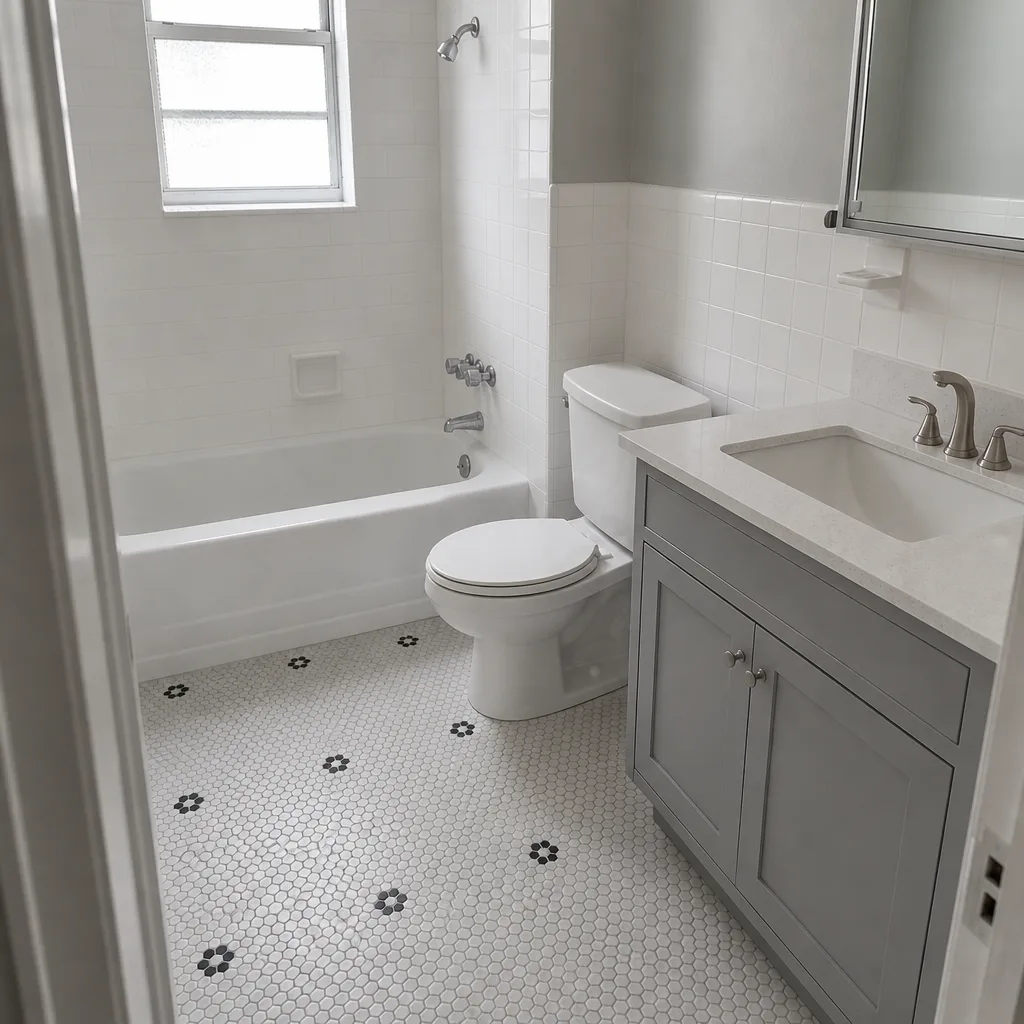
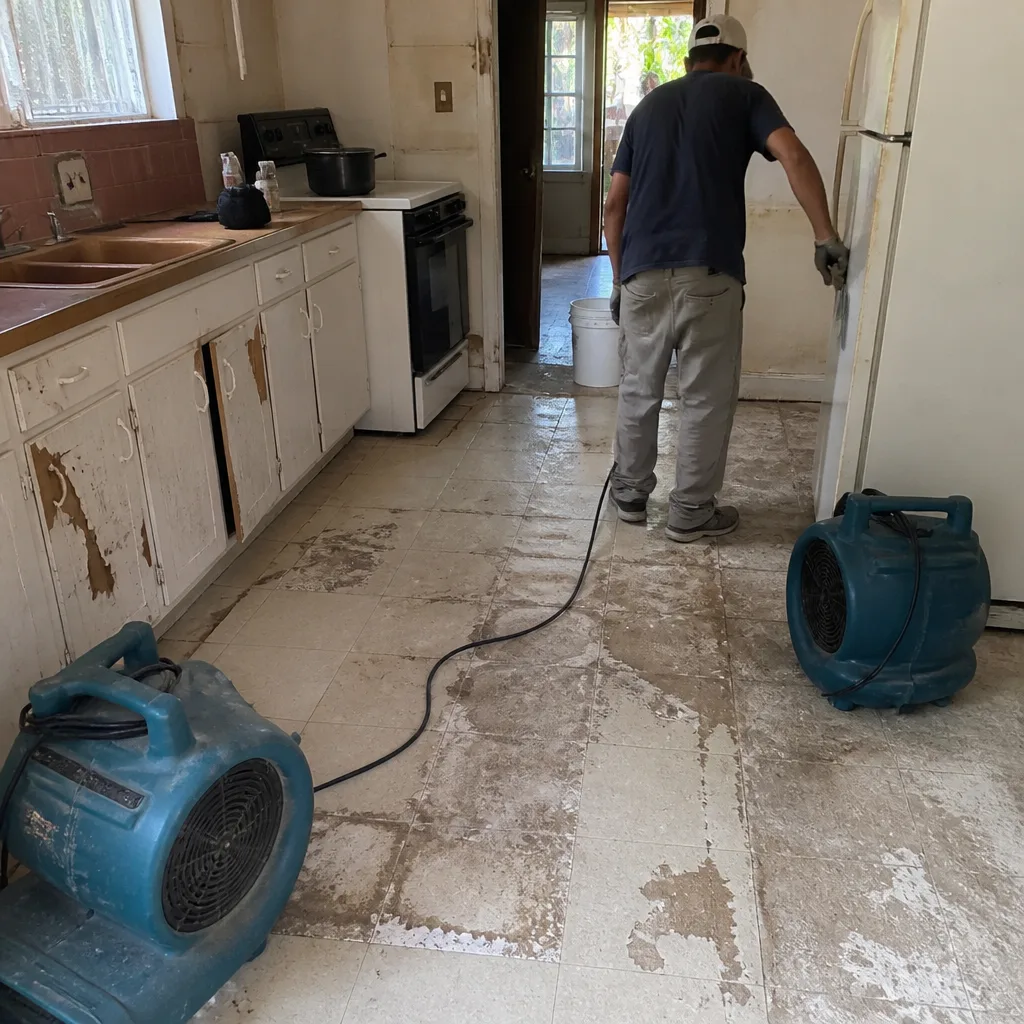
See the difference
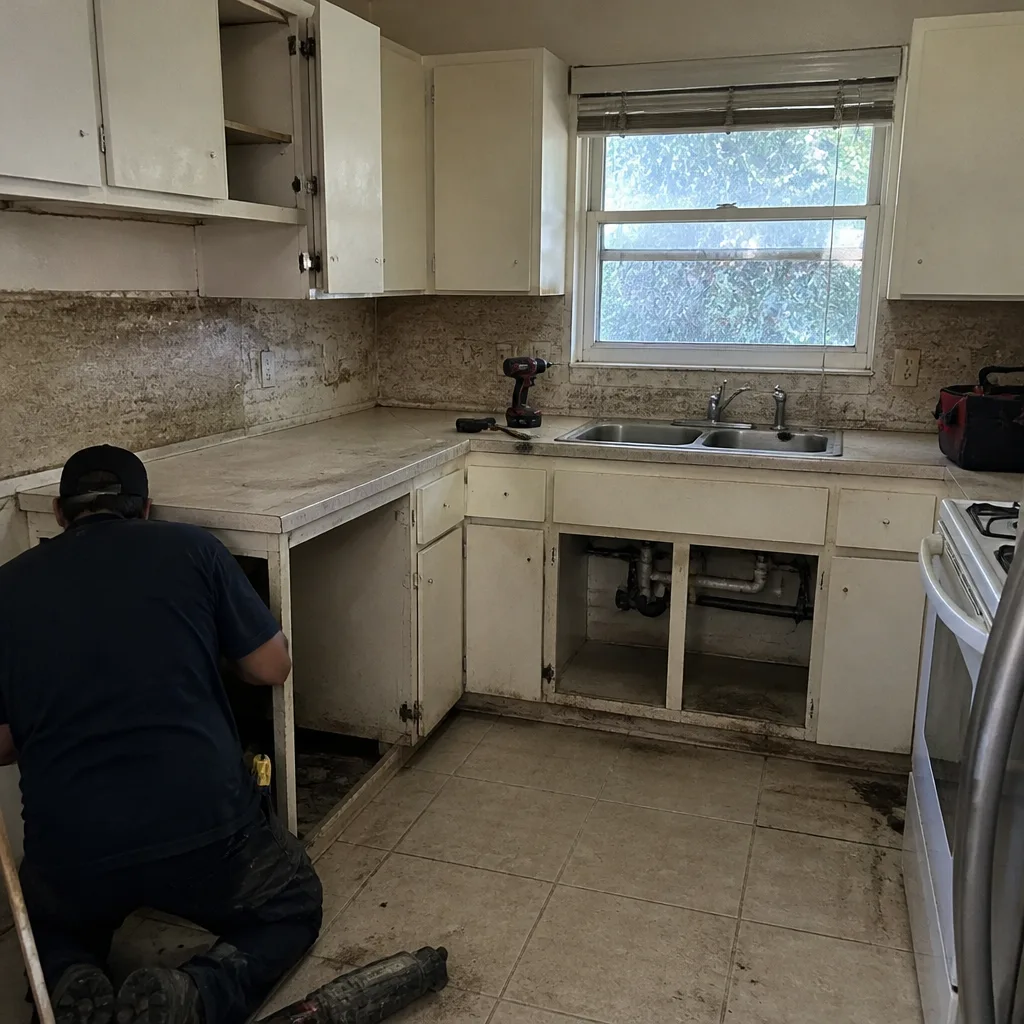 Before
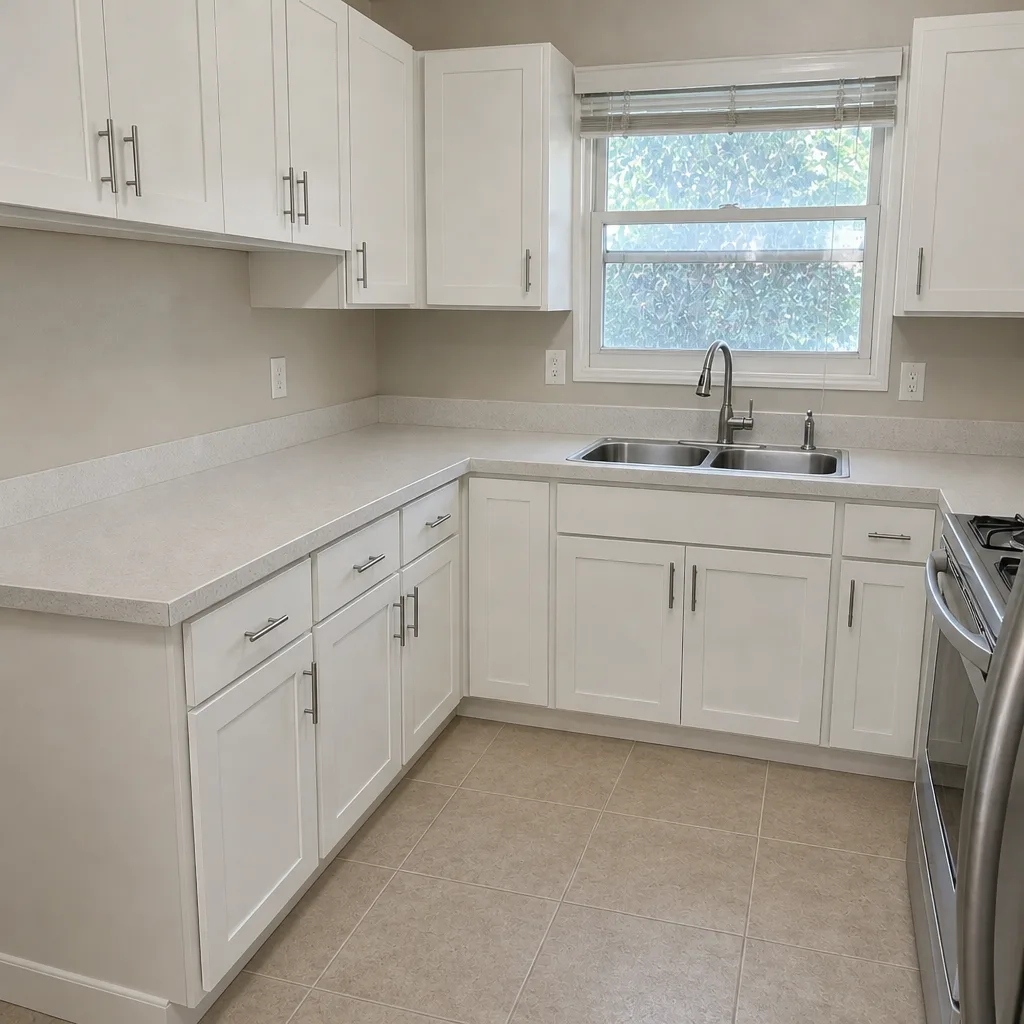 After
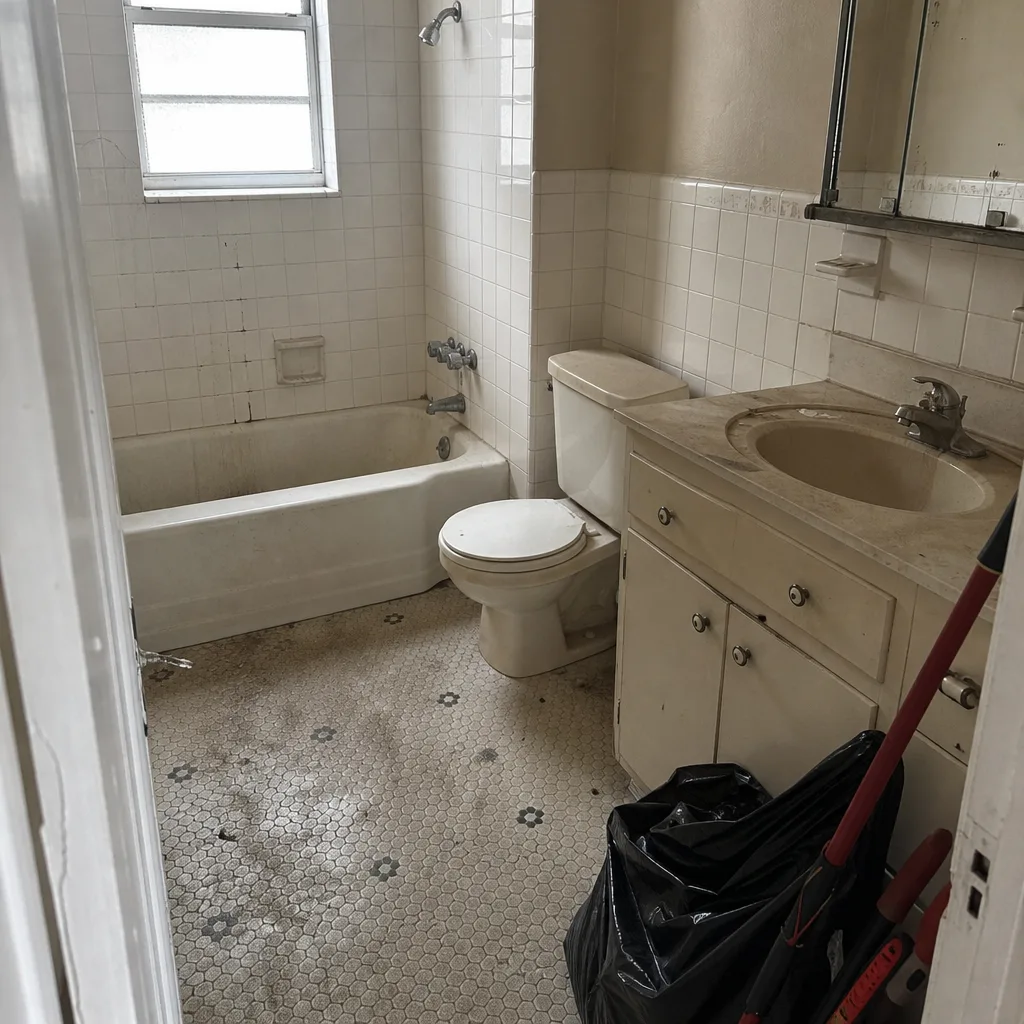 Before
 After
 Before
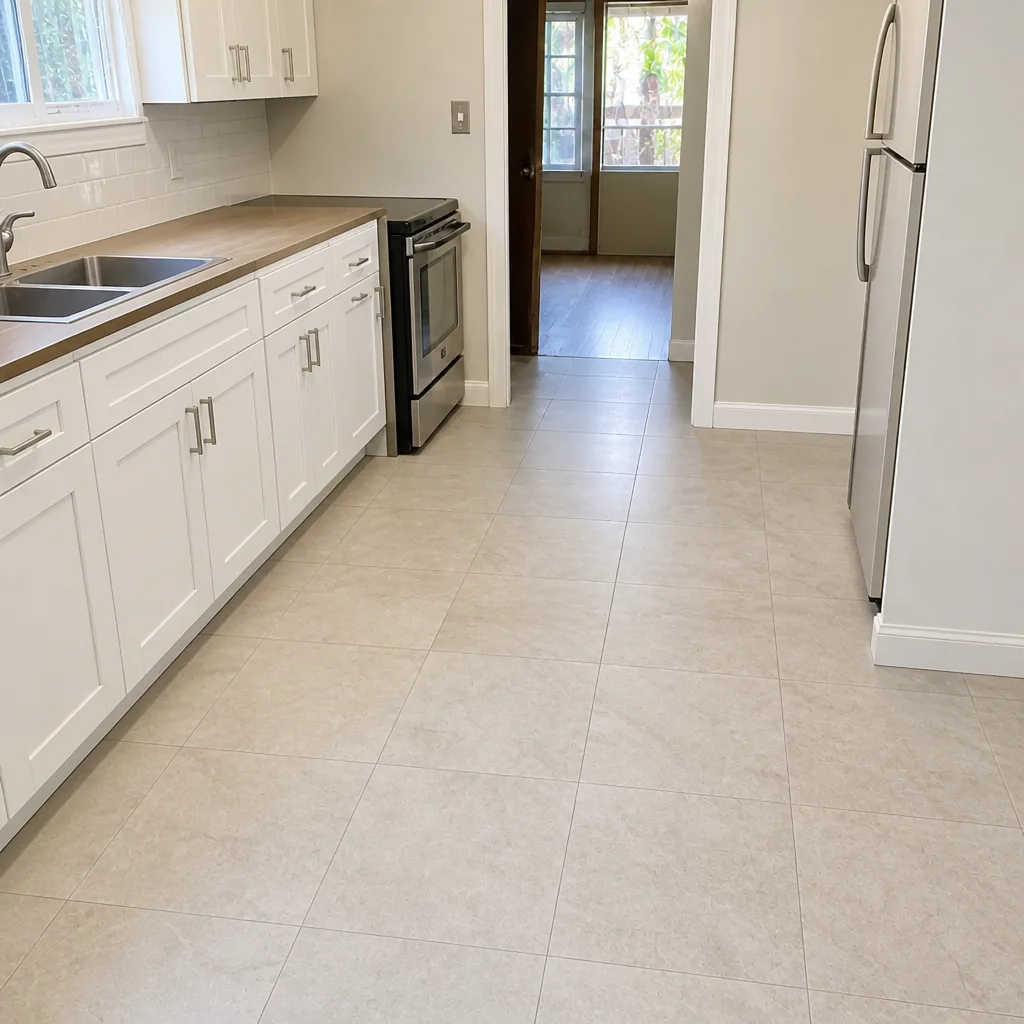 After
When to Call a Professional
Some projects are DIY-friendly. In Miami Beach, the list is shorter than you’d think. Call a professional when the scope touches load-bearing walls, the exterior envelope, impact-rated glazing, or anything requiring a permit (which in Miami-Dade is most remodels). Call when the project is in a condo and the board requires licensed-contractor paperwork. Call when the demo will uncover what the drawings couldn’t show: water intrusion, old code violations, or a substrate that’s failed from years of humidity. And call when the scope spans multiple trades, because coordinating plumbing, electrical, tile, and cabinetry across a Miami Beach permit ladder is a full-time job. Penhallow Remodeling Miami Beach offers free estimates in Miami Beach. Call (844) 656-1986 to schedule yours.
Frequently Asked Questions
A full bathroom remodel in Miami Beach typically runs $18,000 to $45,000, with mid-range projects landing in the low $20s. Miami-Dade permits, association fees in condo buildings, and coastal-rated materials push the range higher than an equivalent Broward job. A written price before demo protects you from the surprises that surface during demo, which are common in barrier-island buildings. Call (844) 656-1986 for an exact quote; estimates are free.
Yes, in almost every case. Miami-Dade requires a permit for work that touches plumbing, electrical, structural elements, or the building envelope, and most condo remodels involve at least one of those. The association also requires its own approval before a contractor can start. Skipping either step can stall the job at inspection or trigger a stop-work order. Call (844) 656-1986 to talk through your specific scope.
Check two places: the Florida DBPR portal and the Miami-Dade County contractor licensing search. They’re separate databases, and a contractor registered in one may not appear in the other. Ask for the license number in writing, verify the license type (a CGC can work statewide), confirm the qualifying agent, and read any disciplinary actions or complaints on file. Call (844) 656-1986 if you’d like help understanding what you find.
General liability and workers’ compensation at minimum, with current certificates you can verify directly with the carrier. In a coastal flood zone and a high-rise building, ask about builder’s risk coverage and whether the association requires additional-insured status. A contractor who can’t produce active certificates on request is a contractor to pass on. Call (844) 656-1986 to see our certificates before you sign anything.
A kitchen remodel in Miami Beach typically takes six to twelve weeks of active construction, plus two to five weeks for Miami-Dade plan review and up to six weeks for association approval in a condo building. The front-end review and association steps are where schedules slip. A contractor who has built that timeline into the estimate is a contractor who’s done this before. Call (844) 656-1986 for a written timeline and price.
A written price fixes the number before demo starts; an estimate range lets the cost climb when coastal projects turn up surprises. Here’s a quick look at the two documents:
- Estimate range: “Should run $30,000 to $45,000.” The low number is aspirational; the high number is where it lands.
- Written fixed price: Line-item scope, material specifications, permit costs, payment milestones, and a defined change-order process, all signed before work begins. The number on day one is the number on the invoice.
The fixed price is the document that protects your money if the job goes sideways. Call (844) 656-1986 for a written price on your project.
The Bottom Line
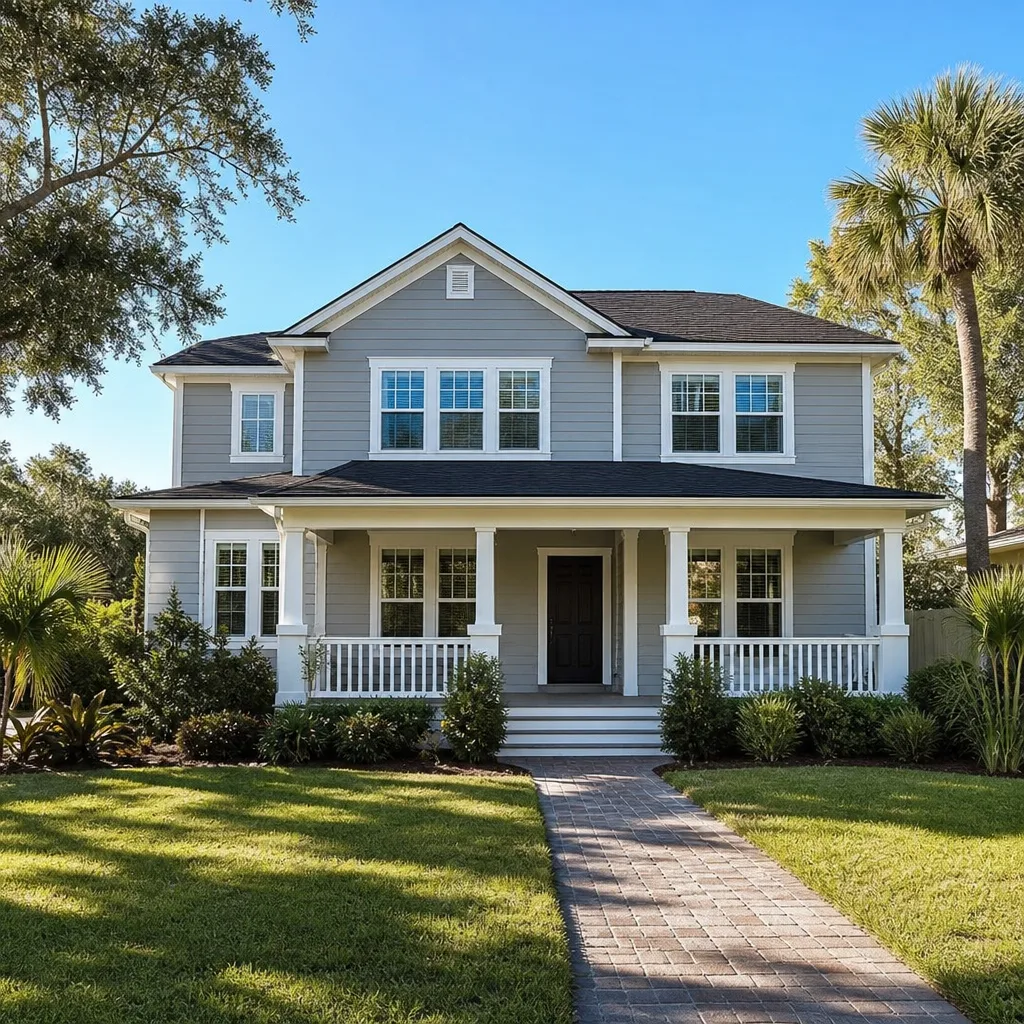
Hiring a general contractor in Miami Beach comes down to filtering, not hoping. Verify the license in both databases, confirm the insurance is current, get association approval in writing before demo, and refuse to sign anything without a fixed written price. Those four steps eliminate most of the contractors who won’t survive their first Miami-Dade permit review. The rest is material selection suited to salt air and a team that answers the phone. Penhallow Remodeling Miami Beach is part of the Kingswell family of companies, and our technicians have up to 22 years of experience. Start at our Penhallow Remodeling Miami Beach home page, or call us directly for a free estimate.
Call (844) 656-1986 to schedule your free estimate. A live person answers, day or night, and every project gets a written price and a written guarantee before any work starts.
Written by the team at Penhallow Remodeling Miami Beach.