Last updated November 18, 2026

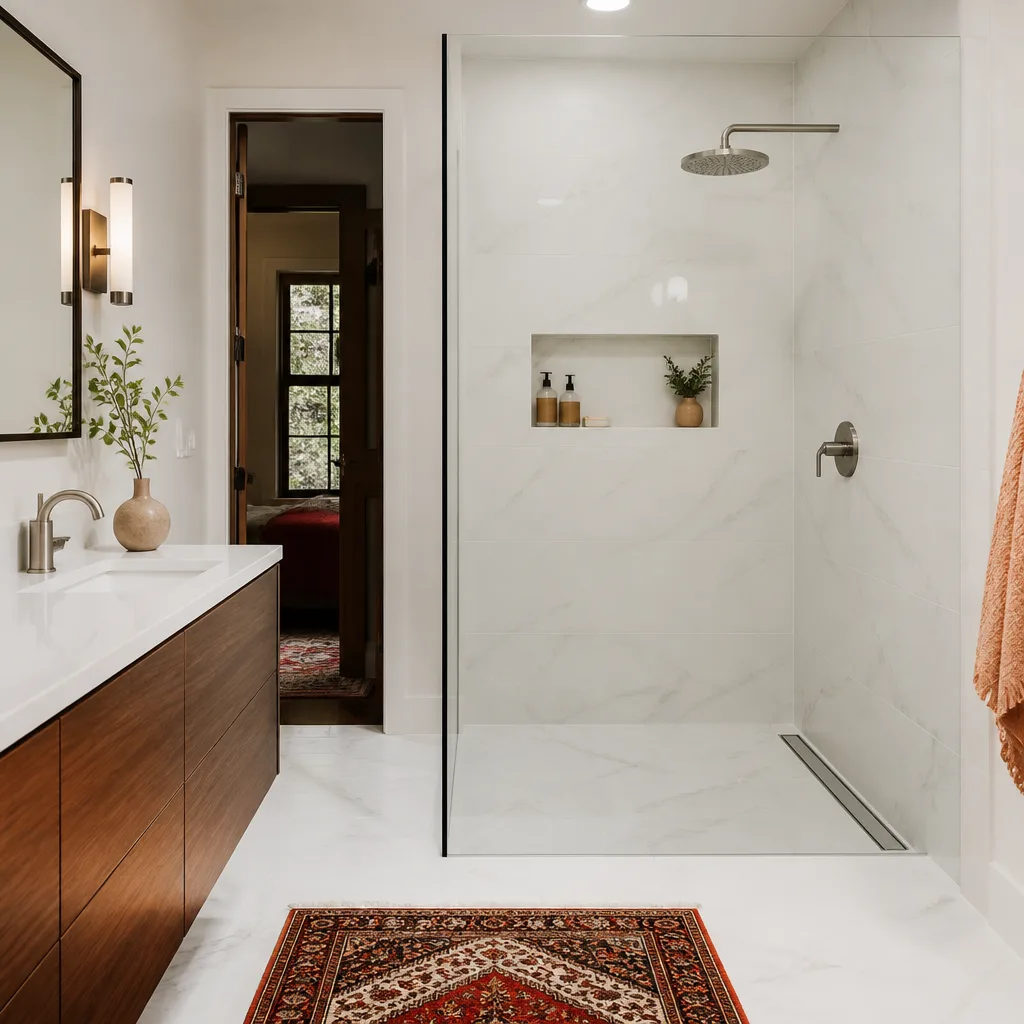
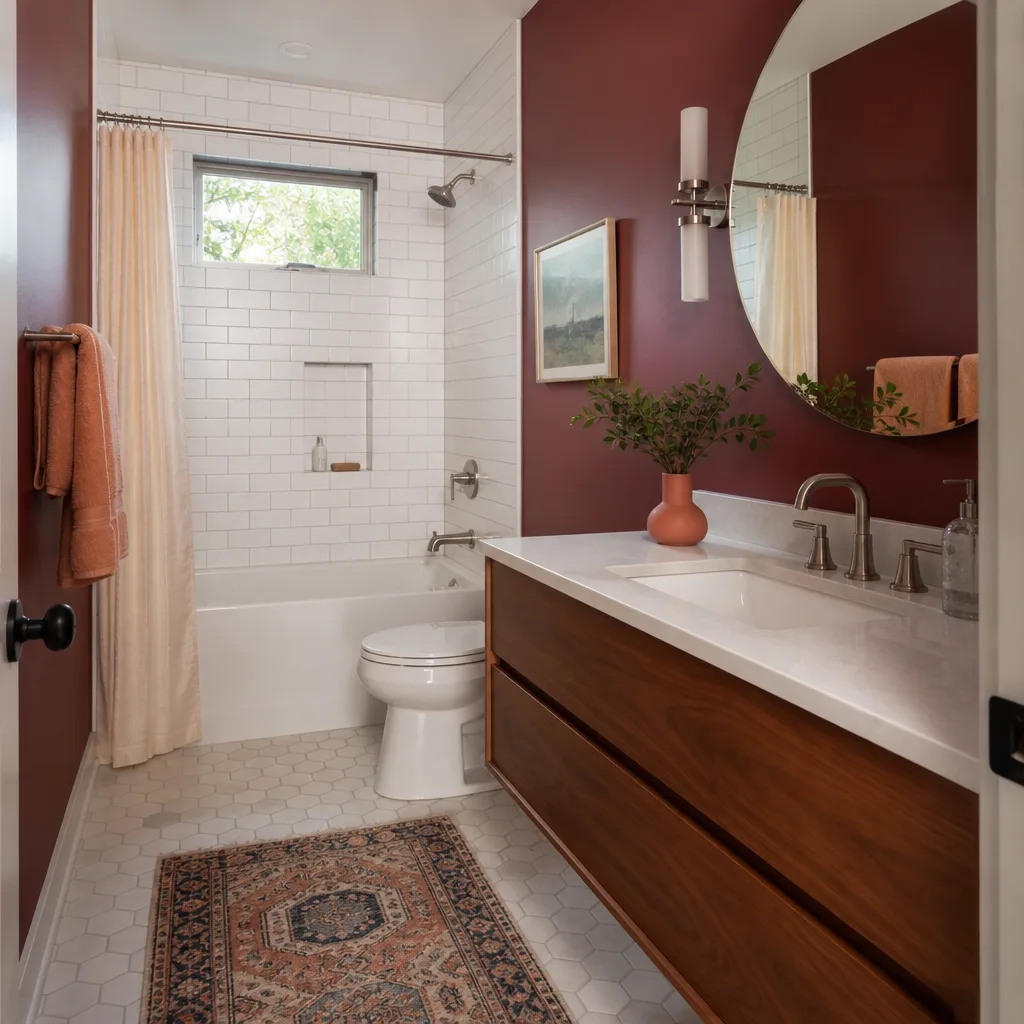
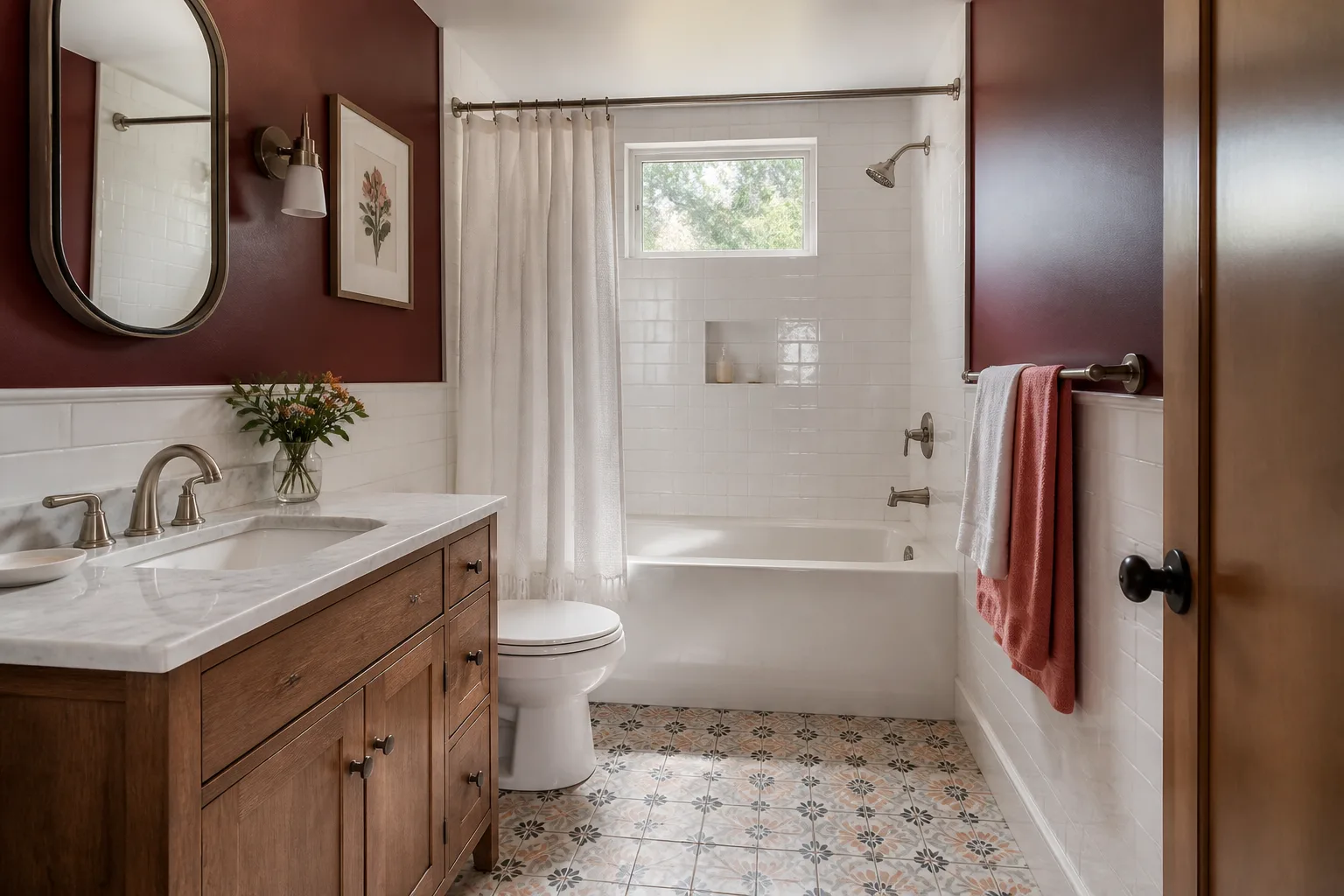
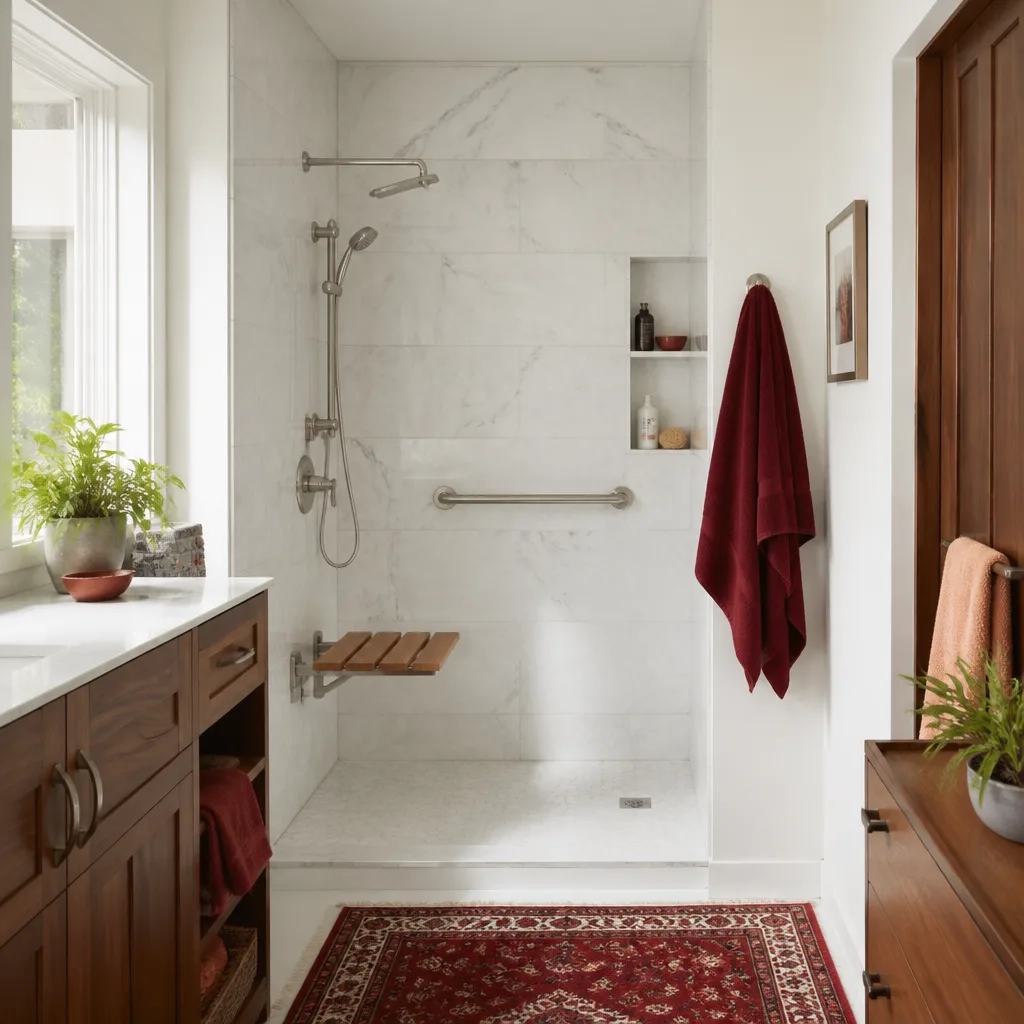

Free written scope consultation - allowances, timeline, and change-order rules on paper before a single trade is scheduled
The Complete Bathroom Remodeling Guide for Miami Beach Homeowners
In Miami Beach’s older condo and home stock, roughly 1 in 3 bathroom remodels uncovers hidden water damage once the tile is removed. That discovery is normal, manageable, and far less stressful when you knew it was possible before demo day. Island bathrooms face a moisture load that inland rooms never see: ocean humidity pressing on the outside wall, daily steam on the inside, and decades-old plumbing that often hides its failures behind tile that still looks perfectly fine. This guide explains what’s behind the walls, what permits Miami-Dade will require, why ventilation specs matter more here than in a national remodeling magazine, and how to budget for the surprises so a leak doesn’t wreck your project halfway through. We’ll show you what to inspect, what to ask, and the exact places homeowners get blindsided.
Quick Answer
A bathroom remodel in Miami Beach typically runs $14,000 – $48,000, driven mostly by size, tile selection, and whether the walls hide water damage. Budget an extra 10 – 20% contingency for what demo reveals, expect Miami-Dade plumbing and electrical permits with mandatory inspections, and insist on a waterproofing membrane spec built for coastal humidity. A written price before work starts and a written guarantee after it’s the baseline you should never negotiate away.
Styles & brands we work with
- Kitchen remodeling
- Bathroom remodeling
- Home additions & ADU
- Roofing
- Windows & doors
- Driveway & pavers
- Fence
Table of Contents
- Why Miami Beach Bathrooms Face More Moisture Than Inland Rooms
- Waterproofing Membranes: The Spec That Decides Your Remodel’s Future
- Miami-Dade Permits and the Inspections a Bathroom Remodel Triggers
- Ventilation: Why a 50 CFM Fan Is Undersized Here
- What a Miami Beach Bathroom Remodel Costs
- Building a Contingency Budget for Hidden Water Damage
- Coastal-Rated Materials vs. Showroom Traps
- Common Mistakes to Avoid
- When to Call a Professional
- Frequently Asked Questions
Why Miami Beach Bathrooms Face More Moisture Than Inland Rooms
A bathroom in Kendall or Doral deals with steam. A bathroom in Miami Beach deals with steam plus a building envelope under constant vapor pressure. The Atlantic-facing wall of a mid-rise condo or a 1940s bungalow is wet on the outside for much of the year, and that moisture migrates inward through porous concrete block, old stucco, and tile set without a proper membrane. When we open up a bathroom in South Beach or along the Collins Avenue corridor, the failure pattern is remarkably consistent: soft drywall two feet up from the floor, rusted fasteners, and grout that looked intact but was passing water for years.
This matters because a bathroom remodel isn’t just cosmetic. It’s a chance to reset the moisture barrier on the most water-exposed room in the house. Three forces drive the load here:
- Exterior humidity. Miami Beach averages relative humidity above 70% for most of the year. That pressure pushes vapor through any wall assembly that isn’t detailed correctly.
- Interior steam. Daily showers in a room with a door closed and a weak fan create the equivalent of a small indoor rain cloud.
- Building stock age. Many Miami Beach condos date to the 1950s-1970s. Original cast-iron drains, copper supply lines, and concrete-block walls with no modern substrate are the norm, not the exception.
What you should know before demo: every wall you open is a chance find. That’s why we tell homeowners the substrate (the layer behind the tile – cement board or waterproof membrane) matters more than the tile itself. A beautiful tile over a failed substrate is a two-year project, not a twenty-year one. If you’re planning a larger renovation that touches adjacent rooms, a general contractor in Miami Beach can assess the whole envelope rather than just the bathroom.
Waterproofing Membranes: The Spec That Decides Your Remodel’s Future
Most national remodeling guides tell you to use cement board behind tile. That’s not wrong, but it’s not enough for coastal Miami Beach. Cement board resists water but doesn’t stop vapor; the tile and grout are not waterproof, no matter how well you seal them. The standard here is a continuous waterproofing membrane that covers the entire wet area – walls, floor, shower pan, and curb – as one sealed system, not a patchwork.
Three membrane approaches are common, and each has a right application:
- Sheet membrane (roll-on bonded membrane). A waterproof sheet applied over the substrate with thinset and sealed at seams. It’s the gold standard for shower pans and full wet walls because it creates a continuous barrier with predictable thickness. Schluter’s Kerdi system is the best-known example. We typically spec sheet membrane for full showers in Miami Beach because the vapor load warrants it.
- Liquid-applied membrane (RedGard and similar). A paintable waterproof coating applied in two or three coats. Good for walls and lower-cost, but requires careful thickness control and cure time – rushed application is a common cause of later leaks. Ask exactly how many coats and what thickness the contract specifies.
- Foam board with integrated waterproofing. Rigid panels with a factory-bonded membrane. Fast to install and excellent for tile, but a premium line item and not always the right fit for a small Miami Beach bathroom footprint.
Whatever the system, the spec should be written into your contract – brand, product, and where it goes. A vague “we waterproof the shower” line is a promise, not a spec. We’ve seen remodels in Mid-Beach where the shower looked great for a year and then developed a soft spot at the curb because the linear drain connection was never sealed correctly. That’s a membrane problem, not a tile problem.
Miami-Dade Permits and the Inspections a Bathroom Remodel Triggers
A cosmetic bathroom remodel – paint, fixtures, new toilet in the same location – may not require a permit. But most Miami Beach renovations cross the line into permitted work quickly, and the inspections are where a lot of unlicensed or rushed contractors get caught. Here’s the plain reality of the Miami-Dade process:
- Plumbing. Any change to the location of a fixture (moving a shower drain, relocating a sink, adding a niche with a connection) or replacement of supply/drain lines triggers a plumbing permit and a rough-in inspection before the walls close.
- Electrical. New circuits for a heated towel bar, exhaust fan upgrade, or GFCI protection in a wet location trigger an electrical permit with a rough-in inspection.
- Mechanical/ventilation. Replacing the exhaust fan or running new ductwork to the exterior typically requires a mechanical permit and inspection, and the fan must exhaust to the outside – not into the attic or a wall cavity. This is where a lot of older Miami Beach bathrooms fail inspection, literally venting into a soffit.
- Structural. Removing a wall or altering a structural element requires engineering and a structural permit. In older Miami Beach buildings, this is more common than homeowners expect because interior walls often carry load.
- Final inspection. After rough-ins pass and the finishes are in, the final inspection closes the permit. If a contractor asks you to skip it, walk away.
A legitimate bathroom contractor pulls the permits. Our written price includes permit fees and the inspection schedule, so there are no surprise “permit extras” mid-build. If you’re also handling the rest of the house, our bathroom remodeling in Miami Beach breakdown covers the timeline of each phase and when the inspector needs to be on site.
Ventilation: Why a 50 CFM Fan Is Undersized Here
The standard exhaust fan sold in home centers is rated around 50 CFM – cubic feet per minute of air moved. In an inland bathroom with dry winters and a window, that’s often workable. In Miami Beach, it’s a moisture waiting to happen. The combination of year-round humidity, small bathroom footprints, and often-sealed windows means we typically spec exhaust fans at 80 – 110 CFM for a standard Miami Beach bathroom, and higher for oversized or double-shower rooms.
Three ventilation rules that go beyond what most guides say:
- Duct to the outdoors, always. The fan must discharge outside the building envelope. Ducting into an attic or soffit just relocates the moisture and causes mold elsewhere – a common failure in older Miami Beach condo stacks.
- Match the fan to the room’s volume, not just the wall. The industry rule is one CFM per square foot of bathroom floor, minimum. Add 50 CFM for a jetted tub or a very humid coastal location, which is exactly where Miami Beach sits.
- Run it longer than you shower. A timer switch that continues the fan for 20-30 minutes after you leave the room is one of the cheapest upgrades you can make. Humidity needs time to clear, not just airflow during the steamy part.
If you’re replacing the fan, do it during the remodel while the ceiling is open. Retrofitting later usually means patching drywall and re-running duct, which is more expensive than doing it once. This is one of those details where a written line-item quote tells you exactly what’s included and what’s not – a spec we insist on before work starts.
What a Miami Beach Bathroom Remodel Costs
Real dollar ranges, based on what we quote in Miami Beach. These are remodeling costs for the full job – labor, materials, permits, and proper waterproofing. The number will move up or down with tile choice, fixture line, and what demo reveals.
- Full guest bathroom remodel (5×8, standard finish): $14,000 – $24,000
- Full primary bathroom remodel (8×10, upgraded tile and fixtures): $22,000 – $36,000
- Larger or double-shower primary bath: $32,000 – $48,000
- Vanity replacement with countertop (KraftMaid or Wellborn cabinetry, Cambria or Silestone top): $3,500 – $8,500
- Shower rebuild with sheet membrane and tile: $7,000 – $14,000
- Tub-to-shower conversion, includes plumbing and membrane: $8,000 – $15,000
- Exhaust fan upgrade with ducting and timer: $450 – $950
- Water damage remediation (per affected wall/floor area): $1,200 – $4,500
Why the spread? Miami Beach pricing reflects three local realities: coastal delivery costs, permit and inspection fees, and the substrate work that a real waterproofing system requires. A cheap quote that skips the sheet membrane or doesn’t pull the permit is cheaper for a reason. If you’re comparing bids, compare what’s in the spec, not just the bottom line.
That’s why we do a written price before work starts. Not a range, not a verbal ballpark – a written number you can hold us to, with a defined scope. The materials behind that number come from familiar trade brands – KraftMaid and Wellborn cabinetry, Cambria and Silestone countertops, Kohler and Moen fixtures – so the layers of protection are clear. If the job runs into a hidden find, that goes through a written change order, not a surprise invoice.
Building a Contingency Budget for Hidden Water Damage
We tell Miami Beach homeowners to hold 10 – 20% of the project budget in reserve before demo starts, and to know what that money might buy. Roughly one in three bathroom remodels in the area uncovers water damage once the tile comes down, and in older condo stock the number runs higher. The discovery is not a crisis. It’s a normal part of opening a 40- to 70-year-old bathroom in a climate that stays wet all year.
What that contingency pays for, in real terms:
- Subfloor or wall framing repair: rotted wood or rusted fasteners replaced before the new substrate goes in.
- Drain and supply-line replacement: a cast-iron drain or galvanized supply line that’s failed its pressure test once exposed.
- Membrane extension: if water traveled beyond the shower enclosure, the waterproofing system may need to cover more area than the original spec.
- Mold remediation: limited surface treatment is a few hundred dollars; if it’s inside a wall cavity or behind drywall it’s a bigger scope and usually a separate permit-level job.
A written change order should state exactly four things: what was found (with a photo or description), what it takes to fix it, the cost, and the revised timeline. You approve it in writing before work expands. No verbal “we found a little something” and no invoice after the fact. That’s the standard we hold to. A proper change order is the difference between a project that stays on budget and a project that spirals because the scope kept moving.
If you’re remodeling a kitchen at the same time, the same contingency logic applies – our kitchen remodeling in Miami Beach guide covers hidden-find risks specific to that room. And if you’re considering a broader update to the home, our Penhallow Remodeling Miami Beach home page is the place to understand how a bathroom fits into a full-home plan.
Coastal-Rated Materials vs. Showroom Traps
A showroom in Miami will sell you the same tile and grout that works in a dry Colorado bathroom. Some of it fails here within two years. The distinction comes down to water absorption, vapor permeability, and how a material behaves under constant humidity.
What holds up in coastal bathrooms:
- Porcelain tile (water absorption under 0.5%). Dense, non-porous, and the safest tile for a Miami Beach shower or floor. Larger format reduces grout lines and cleaning.
- Epoxy grout. Not just stain-resistant: it doesn’t absorb water the way cementitious grout does, so it’s the right choice in a shower that stays humid. It costs more and takes skill to install cleanly, but it eliminates the re-grouting cycle.
- Solid-surface or quartz vanity tops (Cambria, Silestone, Caesarstone). Non-porous, no sealing every year, and they handle bathroom humidity without issue.
- Kohler, Moen, Grohe, and Toto fixtures. Recognized brands with parts availability and finish durability – important when salt air is attacking every metal surface on the property.
- Painted or solid wood cabinetry rated for damp environments (KraftMaid and Wellborn lines are typically specified with moisture-resistant finishes). Good ventilation and a sealed floor make the difference here.
What looks great in a showroom and fails in Miami Beach:
- Natural stone tile (travertine, marble) in showers without sealant maintenance. Beautiful, but porous and needs sealing every 6-12 months in this climate. If you’re committed to stone, plan for the maintenance.
- Cementitious grout in wet areas. Absorbs water over time, cracks with building movement, and grows mold in the grout joints – the exact failure pattern behind “the tile looked fine and then everything leaked.”
- Polished chrome in a salt-air bathroom. It pits and clouds within a couple of years in oceanfront condos. Brushed nickel, matte finishes, and bronze hold up far better.
- MDF or particleboard cabinetry in a high-humidity room. Swells at the edges, especially under a sink with a slow leak. Plywood or specified moisture-resistant construction is the safer choice.
Material selection isn’t a design afterthought. It’s a durability decision, and it should be in the written scope before work starts.
Common Mistakes to Avoid
- Skipping the waterproofing membrane to save money. It’s the single biggest cause of two-year bathroom failures in Miami Beach. A proper sheet membrane or two-coat liquid system costs more up front and saves the whole job later.
- Letting a contractor skip the permit “to keep it simple.” Unpermitted Miami-Dade bathroom work usually surfaces at resale and can cost far more to correct than the permit fee. Always pull it.
- Running the exhaust fan into the attic or soffit. It’s a very common shortcut in older Miami Beach condo stacks, and it just puts the moisture somewhere else. Duct to the exterior, always.
- No contingency. If you spend the budget down to the last dollar before demo, a $2,000 hidden find becomes a $2,000 emergency. Hold 10-20% aside.
- Accepting a verbal estimate. Verbal ballparks are how the number balloons at the door. Insist on a written line-item price before work starts.
- Picking tile before picking a membrane and substrate. The tile should be chosen to fit the waterproofing system, not the other way around. Design after the substrate decision.
- Not checking the contractor’s insurance and guarantee in writing. A good contractor will show you both before asking for a deposit and will put the warranty in writing. Ours is the 365-Day Done Right Promise – if it fails inside the guarantee period, we come back and fix it at no charge.
When to Call a Professional
Some bathroom work is a weekend project. A Miami Beach bathroom remodel with moving fixtures, new waterproofing, and permit-level work is not. Call a professional when the shower pan is failing, when you suspect a leak behind the wall, when the plumbing layout is changing, when the exhaust fan needs to be re-ducted, or when the electrical panel can’t support a GFCI circuit upgrade. Those jobs involve genuinely dangerous components – electrical wiring, gas, and water intrusion that can rot framing for years before you see it – and a trained, insured professional should do them. Our technicians have up to 22 years of experience, are background-checked, and arrive in uniform so you know exactly who is in your home. Penhallow Remodeling Miami Beach offers free estimates in Miami Beach – call (844) 656-1986 to schedule a written quote before you commit. A live person answers the phone 24/7.
Frequently Asked Questions
A full bathroom remodel in Miami Beach typically runs $14,000 – $48,000 depending on size, tile, fixtures, and what demo reveals. A guest bath with standard finishes sits on the lower end; a primary bath with a double shower and premium tile sits on the higher end. Call (844) 656-1986 for an exact quote – estimates are free.
Your written price stays your price unless a hidden condition is discovered that could not be seen before demo. In that case, work expands only through a written change order you approve, with a photo or description, the cost, and the revised timeline spelled out in advance. There are no verbal surprise invoices. Call (844) 656-1986 to see how the process works on a free estimate.
Yes. Any plumbing, electrical, or mechanical change in a Miami Beach bathroom requires a Miami-Dade permit and inspections, and we pull them and schedule the inspections as part of the job. Permit fees are included in your written price so you’re not surprised later. Call (844) 656-1986 to talk through your specific scope.
A typical Miami Beach bathroom remodel takes 3 – 6 weeks from demo to final inspection, with more complex or larger bathrooms running toward the longer end. Permit review adds time before work starts, and hidden finds can add days within the 3 – 6 week window. We give you a defined arrival window and keep you updated on the schedule.
Roughly 1 in 3 Miami Beach bathroom remodels uncovers hidden water damage once the tile is removed, so it’s a normal discovery, not a crisis. We treat it as a written change order with photos, cost, and timeline before work expands. Repairing it correctly now is what protects the whole remodel. Call (844) 656-1986 to plan your contingency.
Every project carries the 365-Day Done Right Promise in writing: if it’s not done right, we make it right, and if the repair fails inside the guarantee period we come back at no charge with no re-inspection fee. We also bring you a written price before work starts, so the number on day one is the number on the invoice. Call (844) 656-1986 to ask what the guarantee covers on your specific job.
The Bottom Line
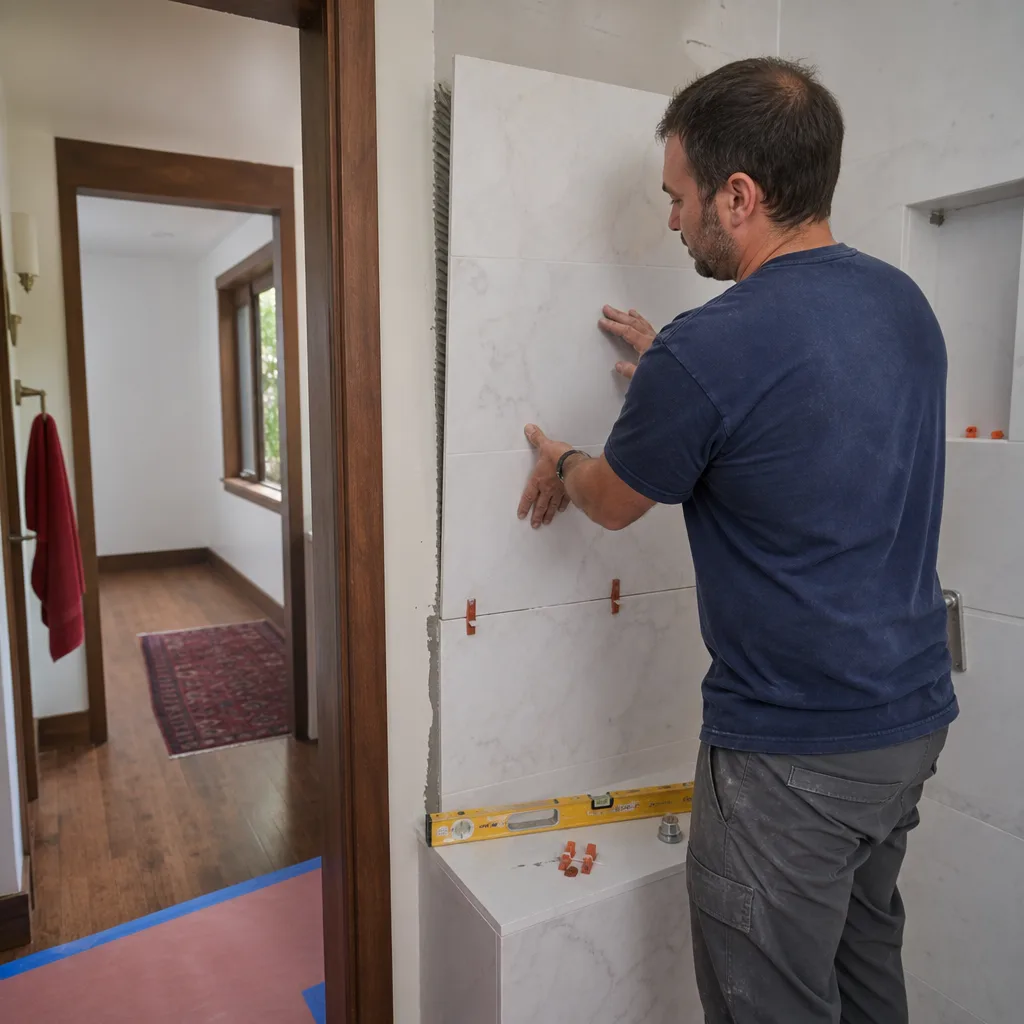
A Miami Beach bathroom remodel is a moisture-management project first and a tile-selection project second. The three decisions that decide whether your bathroom still looks good in five years are the waterproofing membrane spec (sheet or two-coat liquid, full wet area), the ventilation (80 – 110 CFM, ducted outside, on a timer), and the contingency budget (10 – 20% for what demo reveals). Get those right and the rest – tile, fixtures, vanity – is the part you’ll actually enjoy looking at every day. Compare bids on what’s in the written spec, not just the bottom line, and hold out for a written price and a written guarantee before the first tile comes down.
Penhallow Remodeling Miami Beach can give you a written price before work starts, a defined arrival window, background-checked technicians in uniform, and the 365-Day Done Right Promise in writing. Call (844) 656-1986 to schedule your free estimate – a real person answers the phone 24/7.
Written by the team at Penhallow Remodeling Miami Beach.
See the difference
 Before
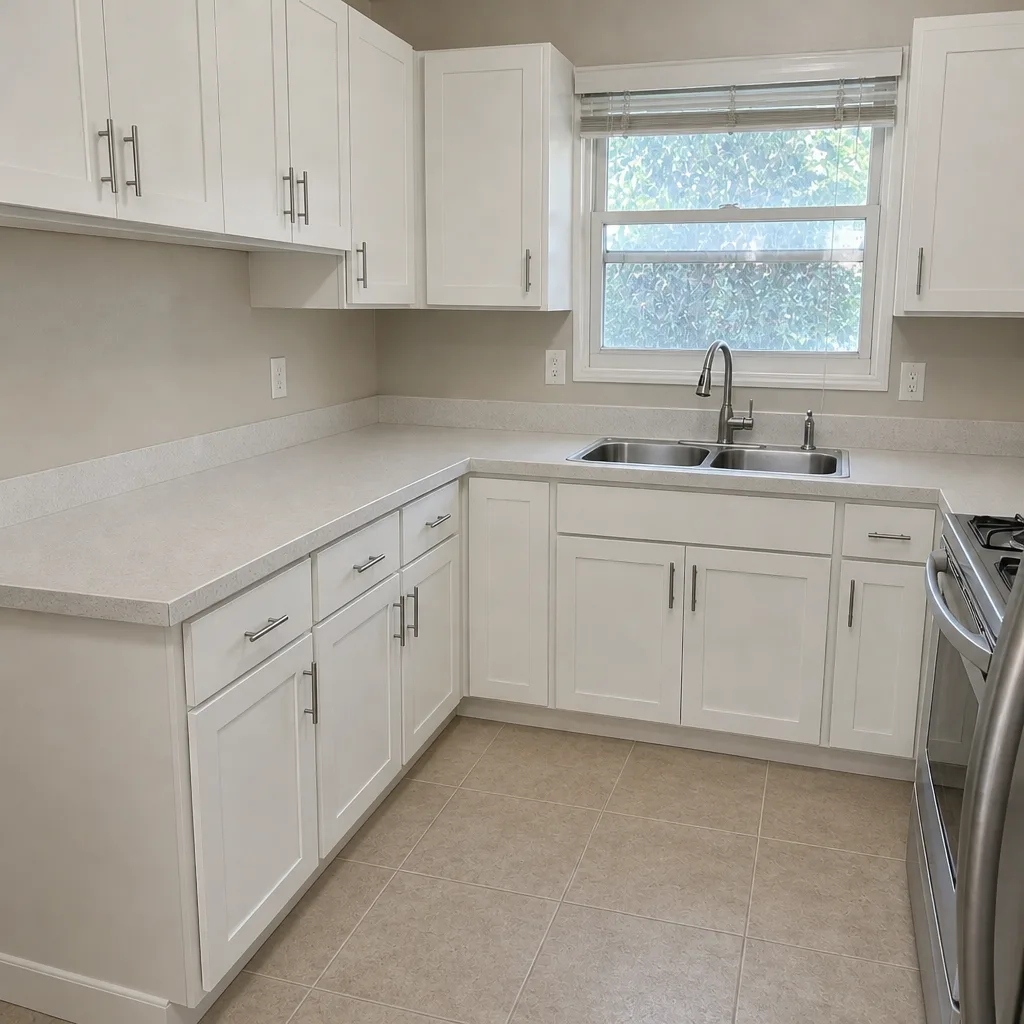 After
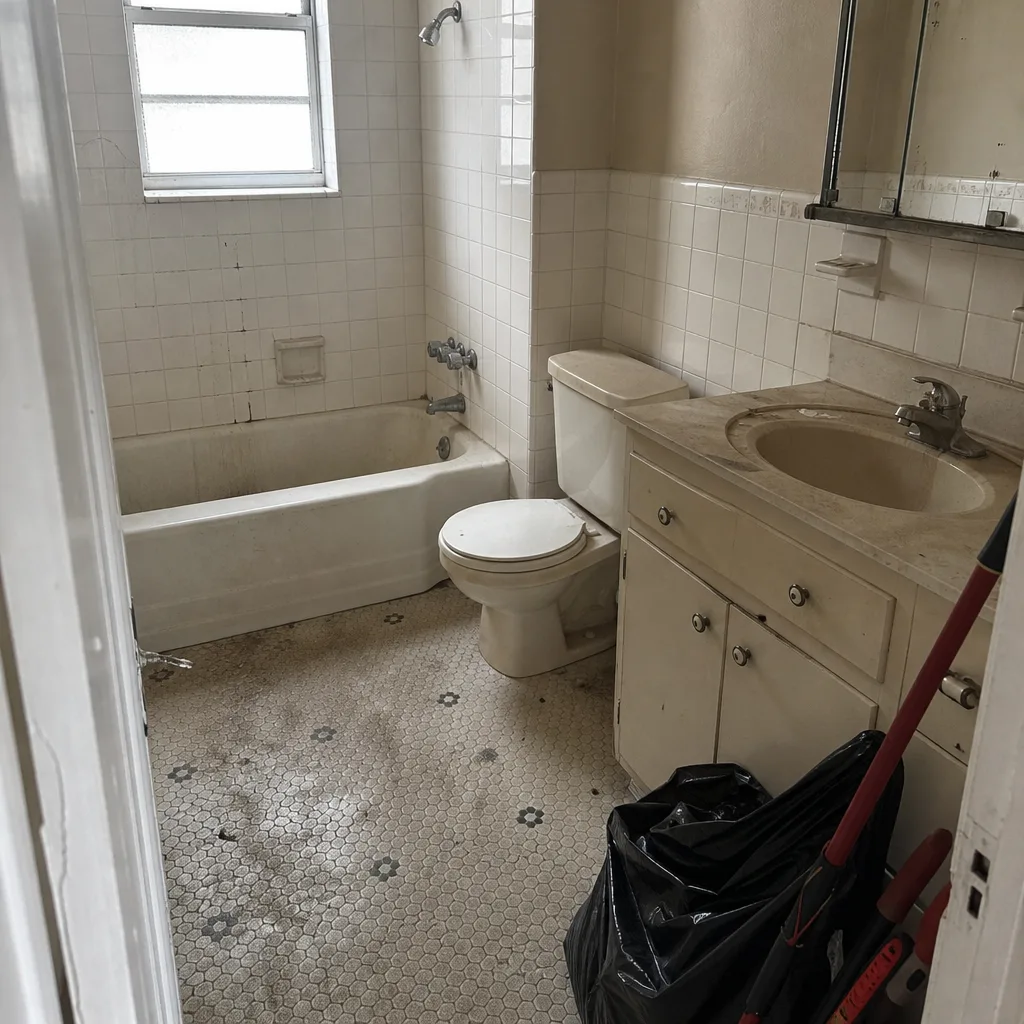 Before
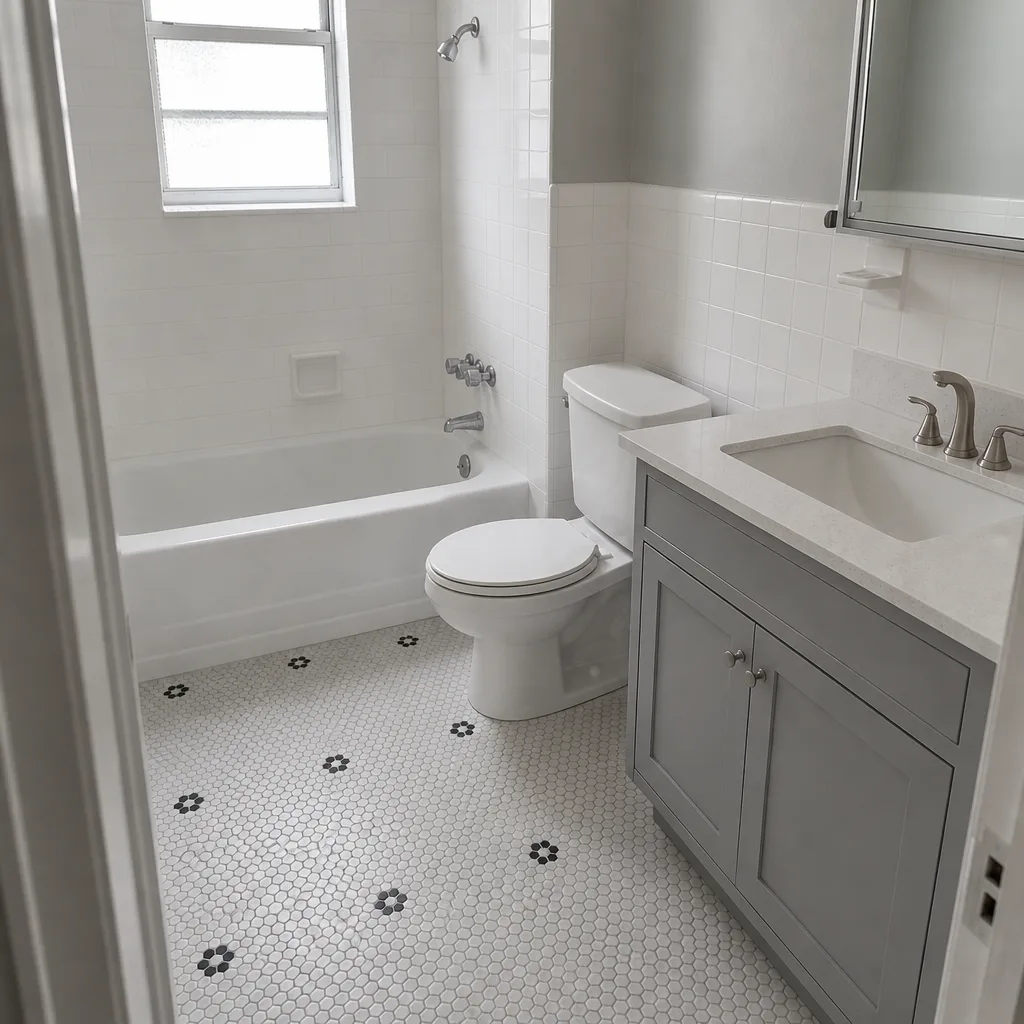 After
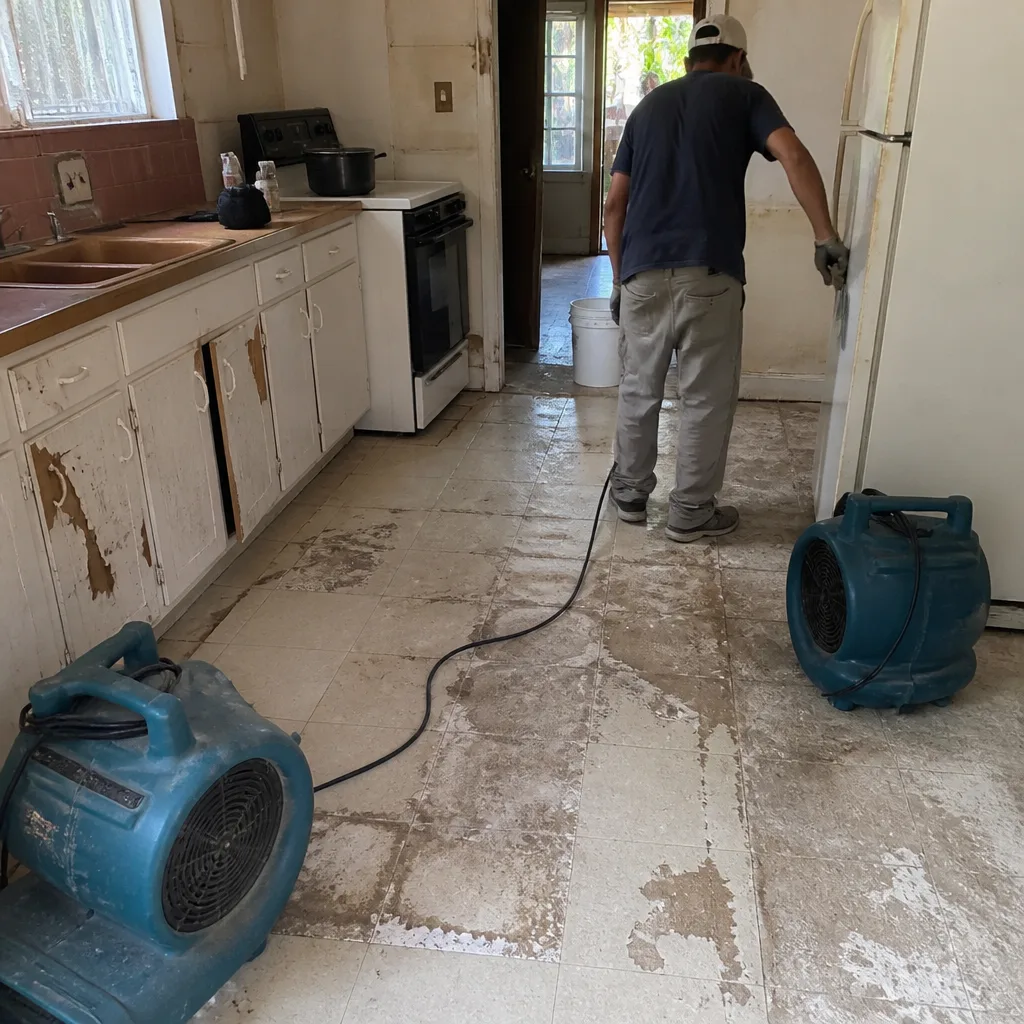 Before
 After