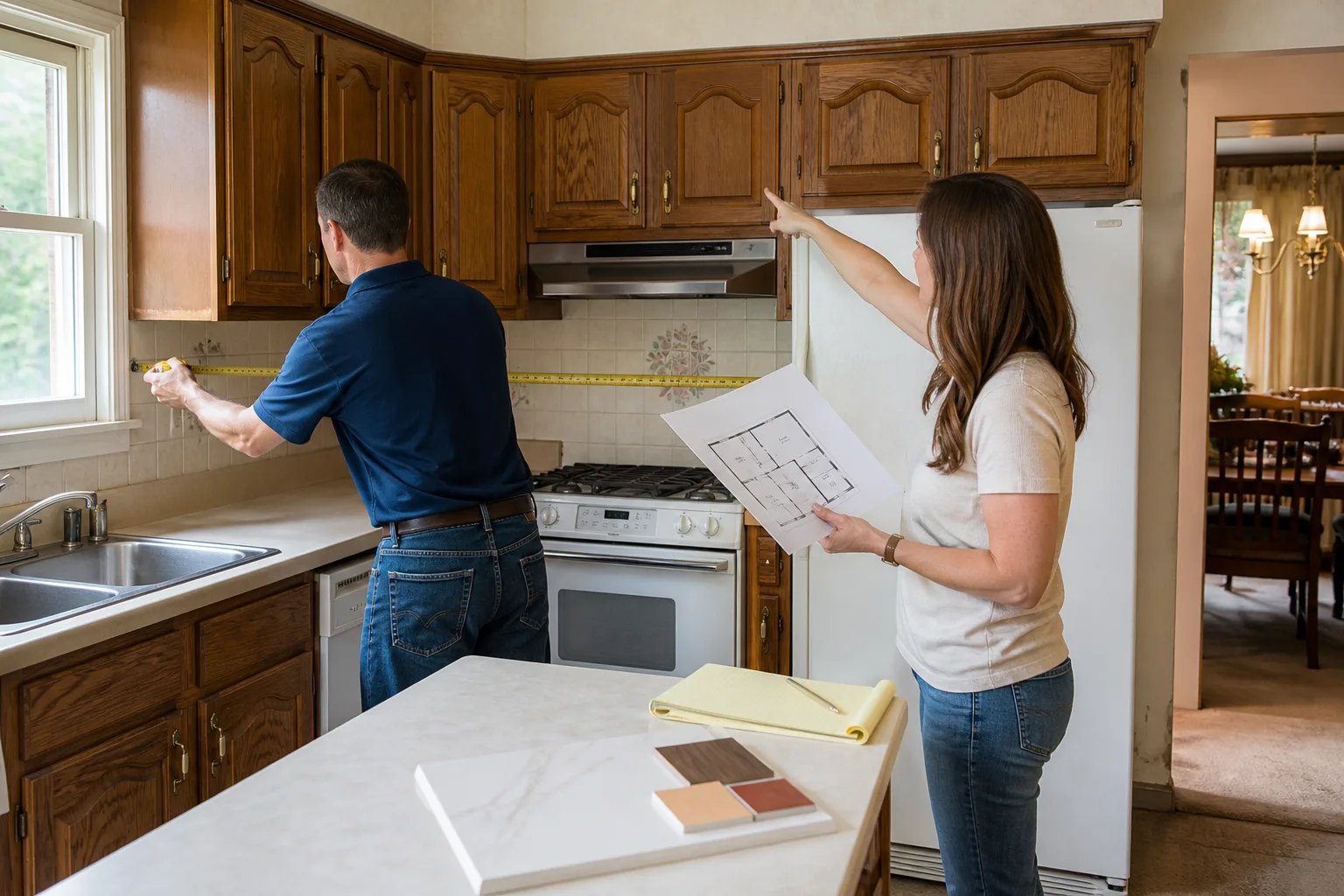
Last updated November 18, 2026




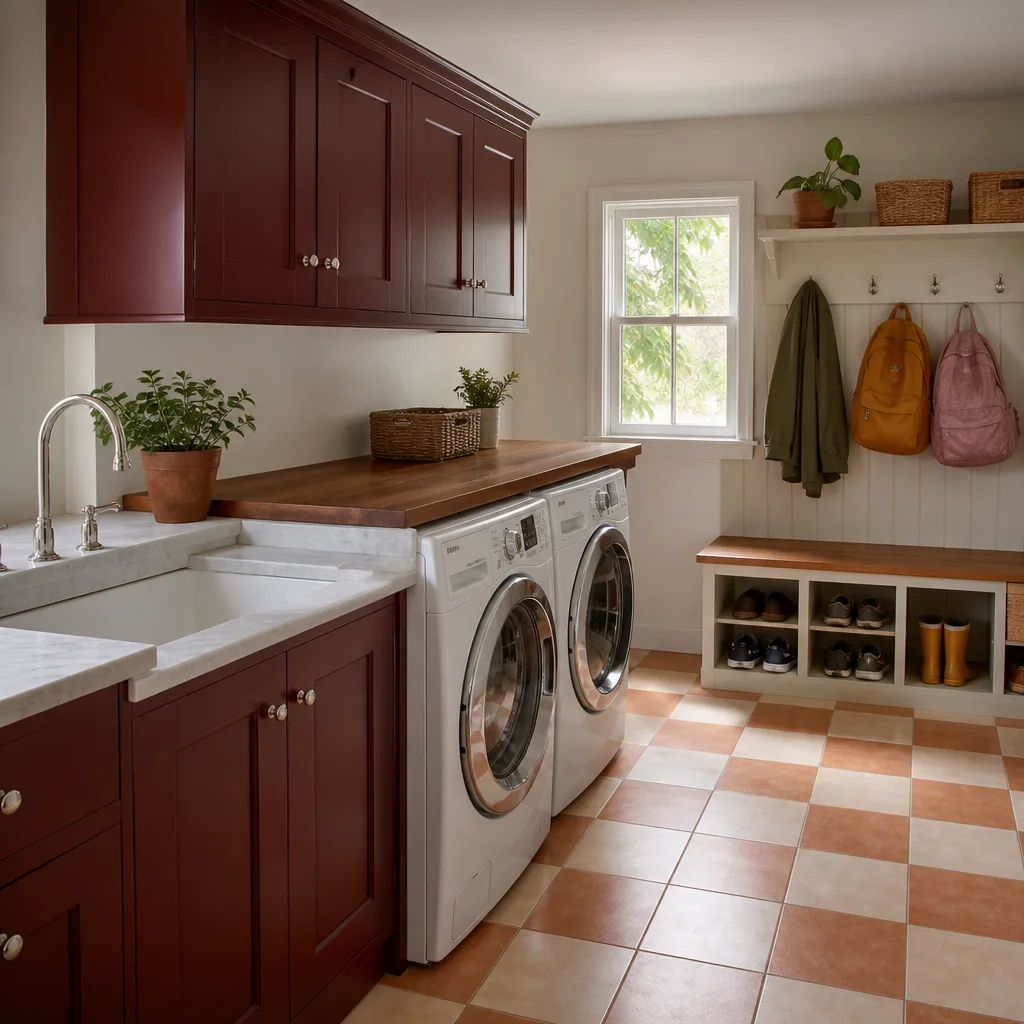



Free written scope consultation - allowances, timeline, and change-order rules on paper before a single trade is scheduled
Choosing the Right Construction Brand: A Buyer’s Guide for Miami Beach
There is no Yelp review that tells you what happens on day 47 of a 30-day project. Reviews capture the handshake and the final walkthrough. They rarely capture the Tuesday afternoon when a tile shipment comes in wrong, the inspector flags a nailing pattern, or a cabinet door arrives with a hairline crack. Those moments are where a remodeling brand either holds or folds. The only reliable signal of how a contractor behaves when things go sideways is what they were willing to put in writing before they started. This guide shows you how to evaluate that in writing, on Miami Beach, before you sign anything.
Quick Answer
Choose a remodeler in Miami Beach by demanding three documents before work begins: a written line-item price, a written schedule with arrival windows, and a written post-completion guarantee that names what it covers and for how long. Verify the contractor’s license history and Miami-Dade permit records, and treat any bid well under the local market as a signal of non-compliant materials rather than a bargain. Brand recognition tells you almost nothing. What’s on paper tells you everything.
Styles & brands we work with
- Kitchen remodeling
- Bathroom remodeling
- Home additions & ADU
- Roofing
- Windows & doors
- Driveway & pavers
- Fence
Table of Contents
- The Three Documents That Constitute a Real Commitment
- What “Written” Actually Requires to Be Enforceable
- How to Evaluate Contractor Longevity in Miami Beach
- Why the Lowest Bid in Miami Beach Is Structurally Different
- What a 365-Day Workmanship Guarantee Should Cover
- The Kitchen Table Test: Reading the First Conversation
- A Step-by-Step Vetting Process
- Common Mistakes to Avoid
The Three Documents That Constitute a Real Commitment
A contractor’s brand, in any practical sense, is the paper trail they hand you before a single cabinet is pulled. Three documents matter, and a fourth can’t hurt. Here’s what each one should contain.
- A written, line-item price. Not a total at the bottom of a single page. Every line should name the scope: demolition and haul-away, framing changes, electrical rough-in, plumbing relocation, cabinet line and model, countertop material and edge profile, tile selection, trim, paint. A range with “TBD” sprinkled through it isn’t a price; it’s a conversation starter.
- A written schedule with arrival windows. The start date, the phases, and a defined window for each crew arrival. “Sometime next week” is not a schedule. A two-hour arrival window is.
- A written post-completion guarantee. The length, what’s covered, what isn’t, and the exact process if something fails. Vague language like “we stand behind our work” is a courtesy, not a commitment.
- A written change-order process. How a mid-project change gets priced, who approves it, and how it affects the schedule. This is where verbal promises quietly become someone else’s problem.
We put all of this in front of homeowners before work starts, because the number on day one should be the number on the invoice. That’s the whole point of a written price. If a contractor can’t produce these documents for a Miami Beach kitchen or bath project, keep looking.
What “Written” Actually Requires to Be Enforceable
A document that says “price to be finalized” isn’t enforceable, and neither is a handwritten scratch pad with a number circled. Enforceability, in plain terms, requires four things.
- Signatures from both parties. A contractor’s signature on their own bid means they stand behind it. It should be there.
- Specificity of scope. If the line item says “miscellaneous,” it should say what that covers. Line items that open the door to add-ons are the mechanism by which a $40,000 job becomes a $52,000 job.
- A defined process for changes. Written change order, signed before the extra work happens. No exceptions.
- A named guarantee period and named remedies. “365 days from substantial completion, covering workmanship defects” is enforceable. “Lifetime warranty” on a remodel scope is a marketing phrase.
In Miami Beach, this matters more than in most markets because the barrier to entry for licensed work is real but the barrier to entry for unlicensed work is basically zero. A written contract is the dividing line. If the contractor’s paperwork looks like a text message, that’s what you’ll be working with for the next three months.
How to Evaluate Contractor Longevity in Miami Beach
Years in business is a weak signal on its own. In Miami Beach, longevity needs to be verified through three specific channels, because the local construction environment is genuinely unusual.
- License history through the state and county. Confirm the license type, its status, and whether it’s tied to the qualifying individual’s name. A current license in good standing on a county-held record is verifiable; a business license alone isn’t the same thing.
- Miami-Dade permit records. Search the contractor’s permit history through Miami-Dade’s online portal. You’re looking for permits pulled, inspections passed, and no pattern of expired or abandoned permits. A contractor who has never pulled a permit in Miami-Dade has never done compliant work here.
- A local project portfolio you can actually visit in person. Ask for addresses in Miami Beach neighborhoods they’ve worked in recently. We see repeat failures on Miami Beach barrier island construction when contractors transplant a Florida mainland playbook to saltwater frontage without adjusting substrate, fastener, or flashing details.
Worth flagging: if a contractor shows you photos of “recent work” that shows palm trees and stucco that could be anywhere in Florida, ask for the address. Miami Beach is a specific small market. Genuine local experience shows up in small details, like which Miami Beach buildings have concrete structures that behave differently than wood-frame renovations in Coral Gables or Aventura.
Why the Lowest Bid in Miami Beach Is Structurally Different
Miami Beach sits in the High Velocity Hurricane Zone, which means the Florida Building Code sets minimum product standards for impact protection and wind-load resistance that don’t apply most places in the U.S. That structural minimum is why a below-market bid here usually signals one thing: non-compliant materials.
A qualifying impact window from a recognized manufacturer (PGT, CGI, CWS, or ES Windows, to name the ones we see on compliant Miami Beach jobs) costs real money. A window that looks similar but doesn’t carry the HVHZ product approval number is cheaper, and often installed by contractors quoting against homeowners who don’t know to look for it. The consequence shows up years later at insurance renewal or resale inspection.
Below-market bids in Miami Beach also tend to short-line the following:
- Waterproofing and substrate. Cement board substrate (the moisture-resistant layer behind tile) plus proper waterproofing membrane adds cost. Skimping here shows up as cracked grout and failed shower pans within a year.
- Cabinet grade. A KraftMaid or Wellborn cabinet line costs more than an unbranded box. The difference is drawer construction, hinge hardware, and shelf load.
- Exterior prep and finish. James Hardie siding and proper stucco prep aren’t cheap. On a Miami Beach home, they’re what keeps salt air off the framing.
- Permit pulls and inspections. Contractors who “don’t bother with permits” are saving money on your risk, not theirs.
If a Miami Beach bid is meaningfully below the local market, ask for the product approval numbers and the permit number. The answer tells you everything.
What a 365-Day Workmanship Guarantee Should Cover
Here’s the distinction that gets blurred in most contractor contracts: the manufacturer warranty covers the product; the workmanship guarantee covers the installation. A leaking shower pan six months after a remodel is a workmanship failure even though the tile itself was fine. A cracked grout line is a workmanship failure even though the grout met spec.
A 365-day workmanship guarantee should explicitly cover:
- Installation defects across all trades on the job: tile, plumbing rough-in and finish, cabinetry installation, countertop seams, drywall, trim, and paint
- Failed shower pans, waterproofing failures, and moisture intrusion attributable to the install
- Subfloor and substrate defects that emerge after construction
- A named remedy: repair at no charge, or replacement if repair isn’t sufficient
It should not need to cover what a manufacturer warranty already handles (a failed appliance, a defective fixture, a cracked countertop slab from a known material defect), but the language should make clear who is responsible for chasing that claim. “Manufacturer warranty applies” on its own is a deflection, not a guarantee. Some materials come with their own protection layered on top. Cambria quartz carries its own lifetime warranty; that sits alongside our workmanship guarantee rather than replacing it.
Our 365-Day Done Right Promise means that if the work fails inside the guarantee period, we come back and fix it at no charge. The guarantee is included in writing on every project. That’s the standard we ask you to hold any contractor to.
The Kitchen Table Test: Reading the First Conversation
Before you ask for a bid, notice how the first conversation goes. One detail separates a professional contractor from a persuasive salesperson: whether they give you numbers before they ask for yours.
A contractor confident in their pricing will tell you what a Miami Beach kitchen remodel typically runs, what drives the number up or down, and what a realistic range looks like for your scope. Kitchen remodels on the barrier island generally run $18,000 to $55,000 depending on layout, cabinet line, and countertop material. A bathroom runs $12,000 to $32,000 depending on whether the layout moves. A whole-home remodel is a different conversation entirely. If the contractor hedges on all of it, or asks for your budget first, that’s information.
The kitchen table conversation also reveals:
- Whether they name the products. “We use quality cabinetry” is a marketing phrase. “KraftMaid and Wellborn” is a specific choice you can research.
- Whether they discuss permits unprompted. If permits come up only after you ask, the process is reactive.
- Whether they commit to an arrival window in the conversation. A contractor who won’t give you a two-hour window on the first visit won’t give you one on day 30 either.
- Whether the follow-up is on paper. A verbal follow-up call is a verbal follow-up. A written follow-up with a scope is a company prepared to commit.
We’ve sat at enough of these tables to know that the one thing a homeowner remembers six months after the project ends isn’t the tile selection. It’s whether the contractor showed up when they said they would and answered when they called. Everything else is easier to fix.
A Step-by-Step Vetting Process
If you’re evaluating several Miami Beach contractors, run each one through these six steps in order. A contractor who fails an early step rarely passes a later one.
- Verify the license. Check state and Miami-Dade county records. Confirm current status, the qualifying name, and any disciplinary history.
- Check permit history. Ask for permit numbers for recent Miami Beach work and verify them through the county portal. Look for passed inspections and no pattern of expired permits.
- Request a written scope and line-item price. Not a total. Every line should name the work. Declining to itemize is a red flag.
- Ask for the guarantee in writing before signing. Length, coverage, remedy, and process. If it’s not in the contract, it’s not there.
- Ask about the change order process. Who signs, how it’s priced, and how it impacts the schedule. Written in the contract.
- Confirm the technicians arriving at your home. Background-checked, uniformed technicians are a baseline standard; ask whether that’s the company’s practice.
If you’re comparing contractors across the trades, our guides on general contractor work in Miami Beach, kitchen remodeling in Miami Beach, and bathroom remodeling in Miami Beach walk through scope, pricing, and what’s typical on each project type. Our Penhallow Remodeling Miami Beach home page covers how we approach the whole standard.
Common Mistakes to Avoid
- Accepting a verbal estimate. The number on day one and the number on the final invoice should match. If the bid was verbal, the invoice is whatever the contractor decides it is on the last day.
- Treating “we pull permits” as proof they did. Pulling permits is the job. Verifying permit numbers through Miami-Dade’s portal takes five minutes and tells you whether they actually did.
- Choosing a bid materially below the Miami Beach market. HVHZ product minimums set a floor on compliant pricing. A bid much below the local range usually means impact-rated product was swapped for something without an approval number.
- Confusing “manufacturer warranty” with a workmanship guarantee. They cover different failures. Read the contract language closely; the word “warranty” alone doesn’t tell you who comes back when the tile cracks.
- Skipping the arrival window question. A contractor who commits to a two-hour window before signing will commit to one after signing. A contractor who says “we’ll text you when we’re close” won’t.
- Ignoring the follow-up pattern. If the company is slow to answer before you hire them, they’ll be slow to answer after. Live phone coverage by a real person, not a voicemail prompt, is a practical test you can run tonight.
- Letting the scope drift without a written change order. Every change should be priced and signed before the work happens. If it’s not, it becomes a dispute at the end.
See the difference
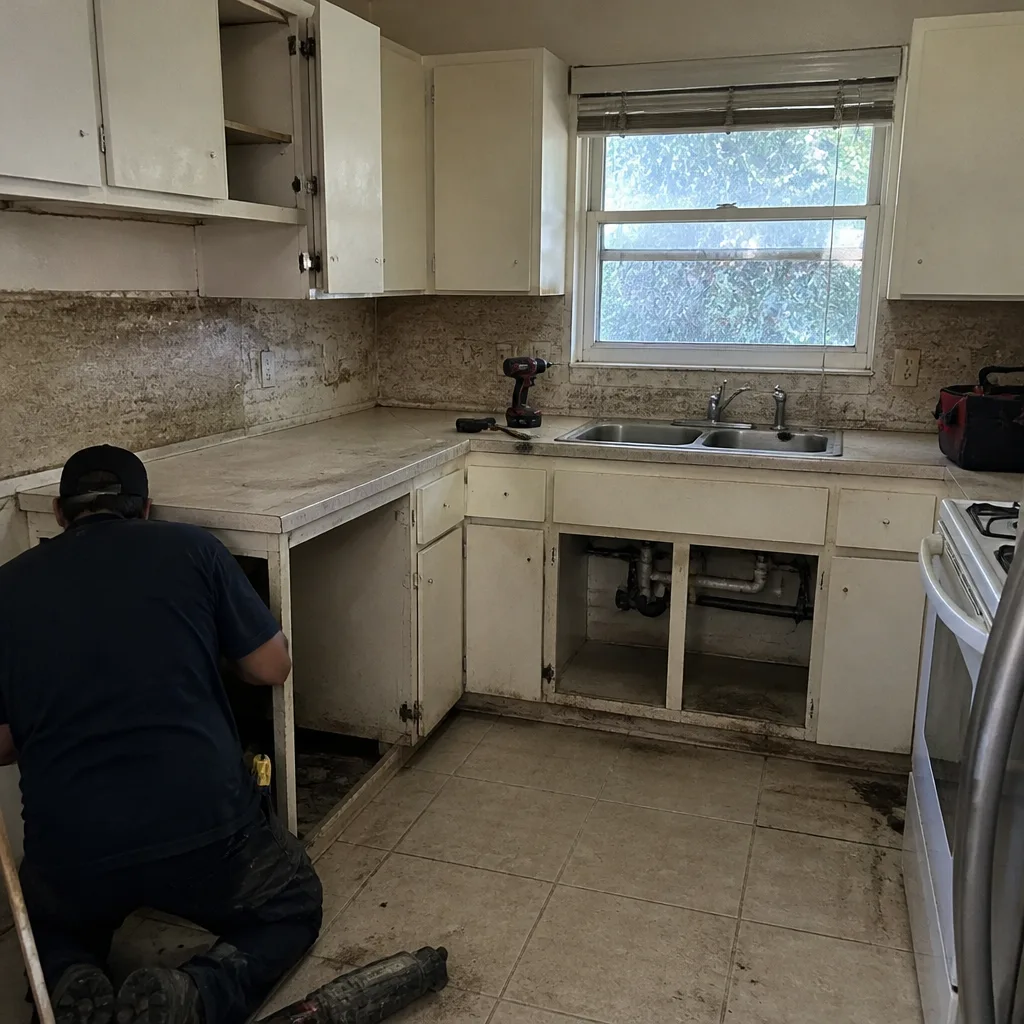 Before
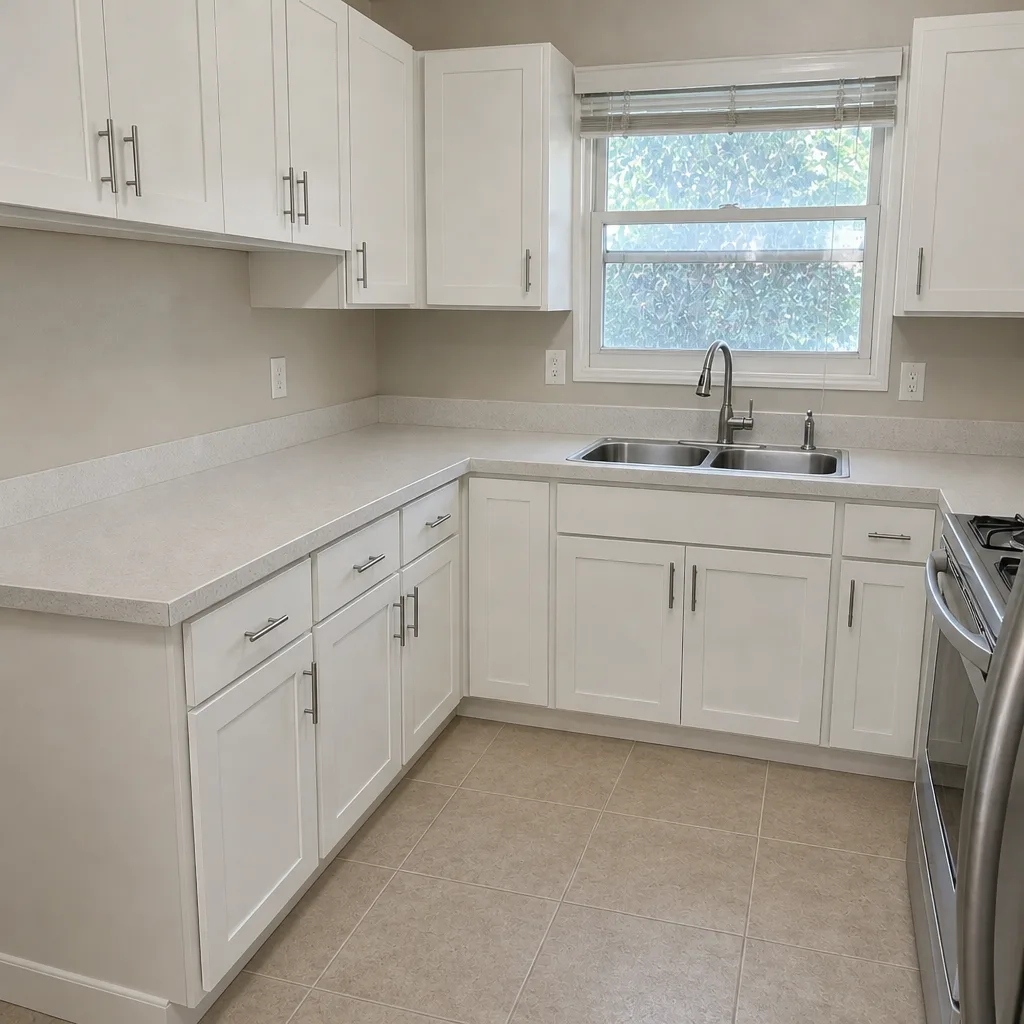 After
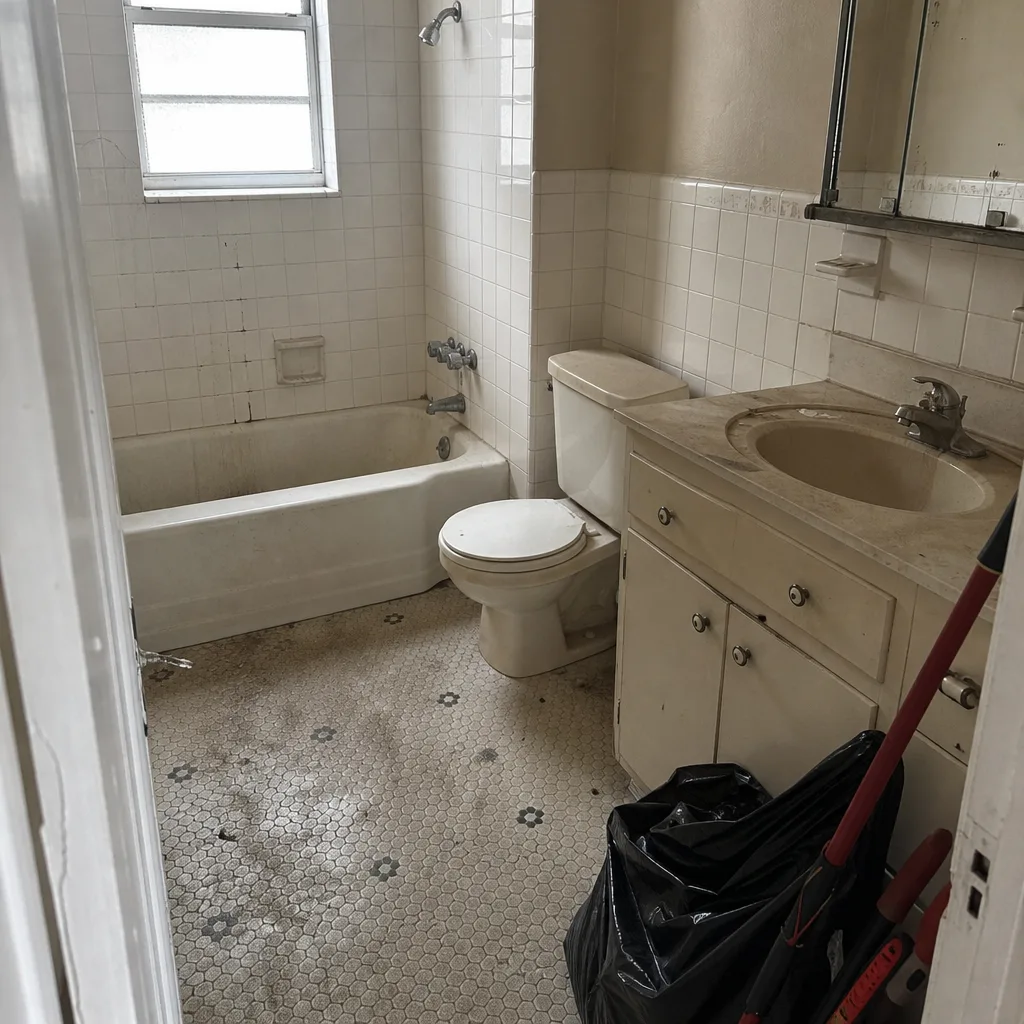 Before
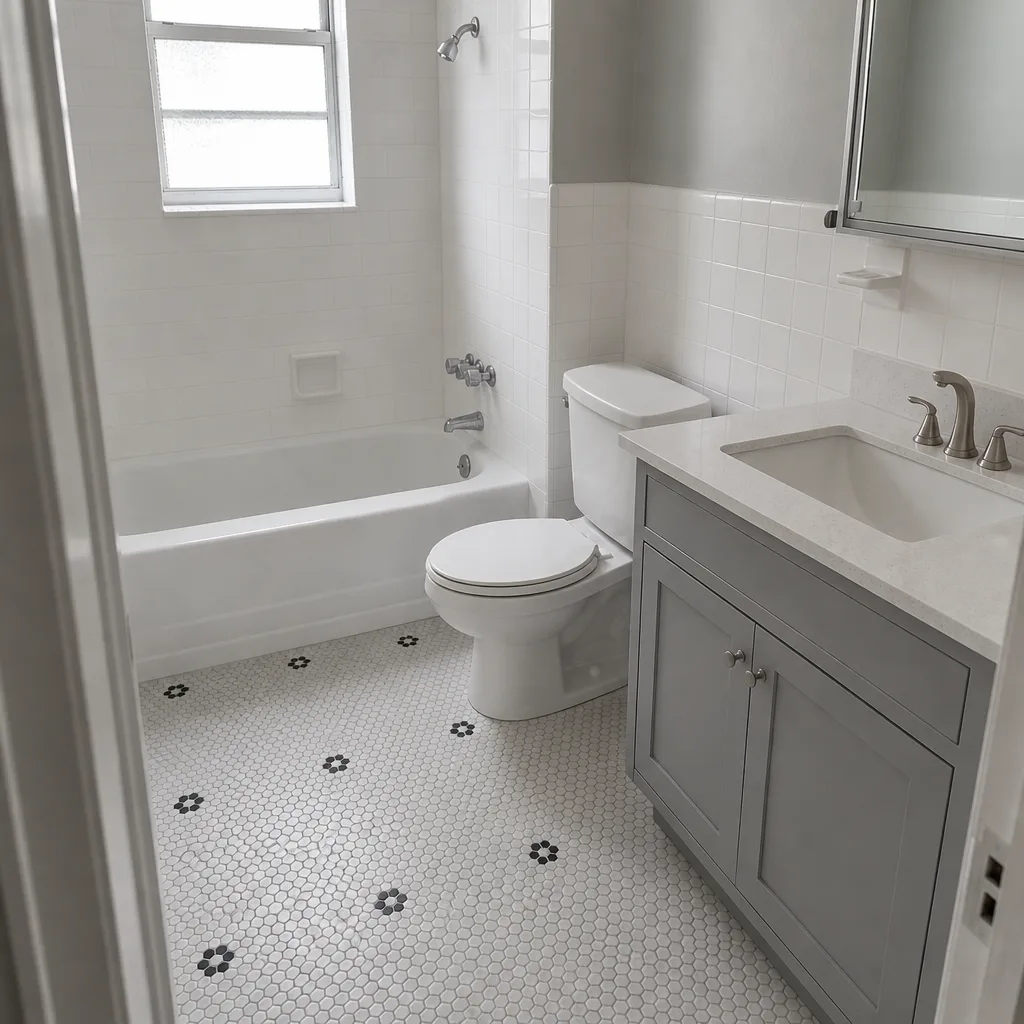 After
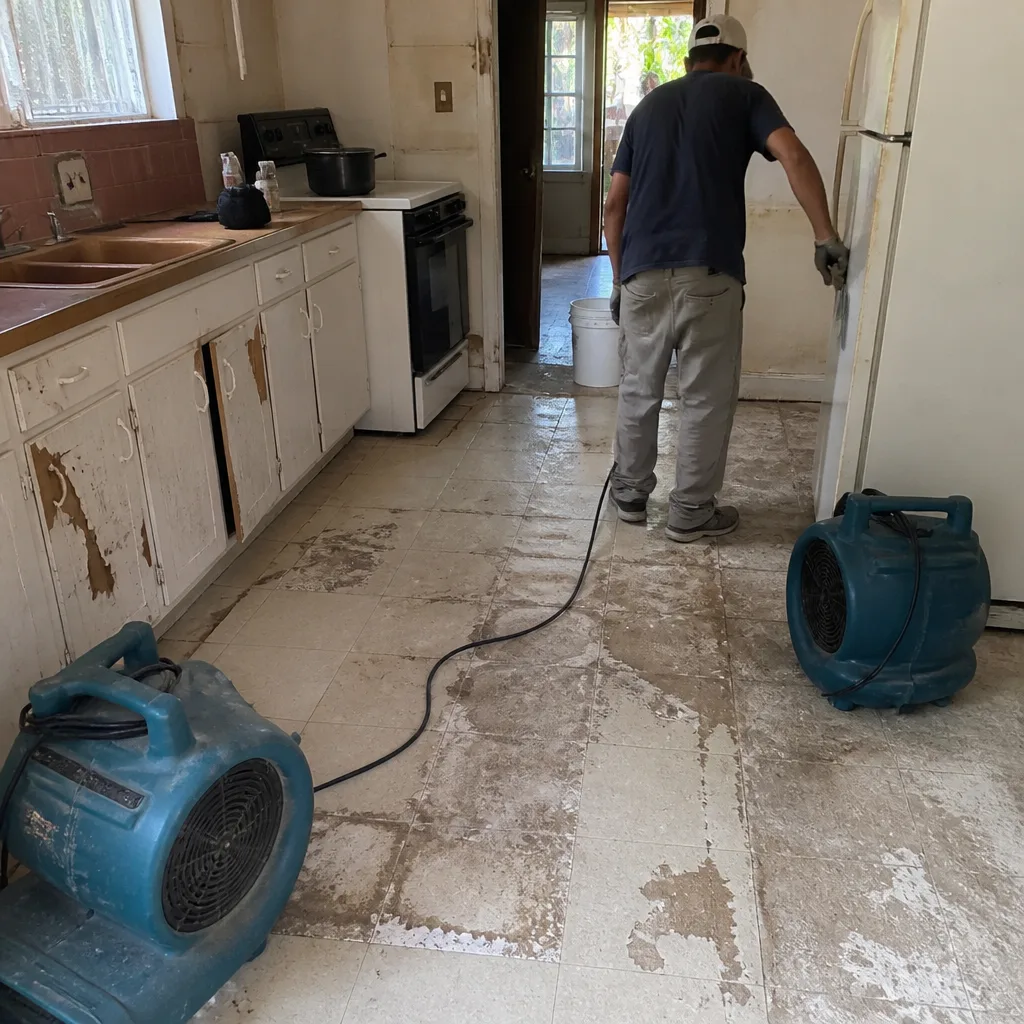 Before
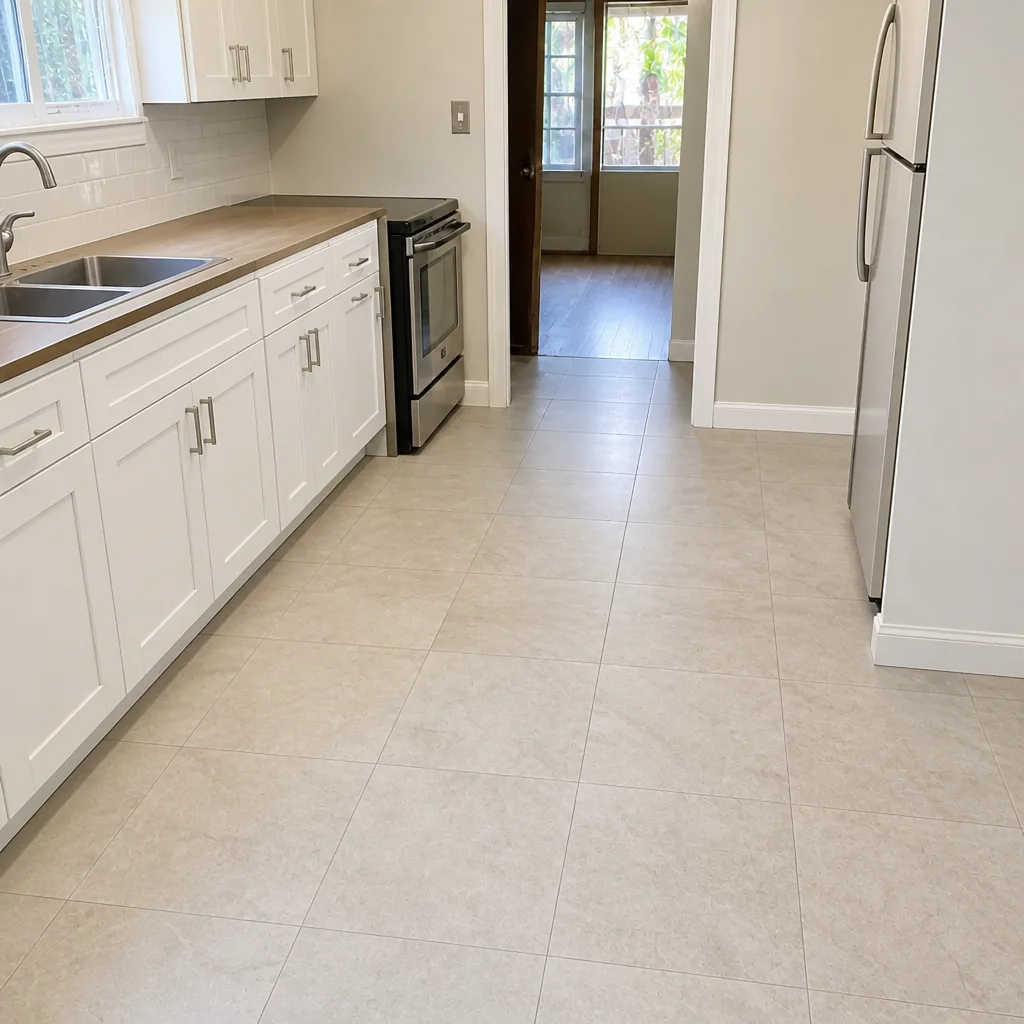 After
When to Call a Professional
Some projects are straightforward DIY territory. Remodeling in Miami Beach at any real scope isn’t. Call a professional contractor when your project touches plumbing relocation, electrical rough-in, structural changes, permit-required work, or anything involving HVHZ impact window or door replacement. Same when a previous remodel is showing early failure signs (cracked grout, water stains at the shower curb, doors that have started dragging) inside the first year; those often trace back to installation, not the product, and the earlier they’re addressed the cheaper they are to resolve. Peninsula-wide, Miami Beach homes carry their own structural quirks and salt-air weathering patterns that are easy to miss; a contractor who’s worked the barrier island knows them. Penhallow Remodeling Miami Beach offers free estimates in Miami Beach – call (844) 656-1986.
Frequently Asked Questions

Kitchen remodels in Miami Beach typically run $18,000 to $55,000 depending on layout, cabinet line, and countertop material. Layout changes that involve moving plumbing or electrical push the number toward the upper end; keeping the footprint and upgrading cabinetry and counters keeps it lower. Call (844) 656-1986 for an exact quote – estimates are free.
It shouldn’t. A written line-item price is the mechanism that prevents day-one-to-invoice drift. If the scope changes, the change gets a written change order, signed before the extra work happens, with its own price and its own schedule impact. Call (844) 656-1986 to see what our written price looks like for your project.
Yes. Permits are pulled and inspections are scheduled as part of the job, and the permit numbers should be in the contract from the start. Verifying them through Miami-Dade’s portal takes a minute and tells you whether the work is being done compliantly. Call (844) 656-1986 with any permit questions about your scope.
A Miami Beach bathroom remodel typically runs two to four weeks; a kitchen runs six to ten weeks; a whole-home remodel runs longer depending on scope. The timeline that matters is the written schedule with arrival windows, which is a document you can hold us to. Call (844) 656-1986 to get a schedule sketch on your project – estimates are free.
It covers installation failures, not product failures. Cracks in grout that trace to installation, failed shower pans, defective waterproofing, cabinetry installs, drywall, trim, and paint all fall under workmanship. Manufacturer warranties cover the product itself. Both should be in the contract language. Call (844) 656-1986 and we’ll walk you through what ours covers.
Usually because the materials don’t meet HVHZ product approval requirements. Miami Beach sits in the High Velocity Hurricane Zone, which sets minimum impact-protection and wind-load standards for windows, doors, and roofing that don’t apply most places in Florida. A bid well under the local market should prompt you to ask for product approval numbers and the permit history. Call (844) 656-1986 if you want a second opinion on a bid you’ve received.
The Bottom Line
The right construction brand in Miami Beach comes down to what the contractor is willing to put in writing. A line-item price before work starts. A schedule with arrival windows. A 365-day workmanship guarantee with named coverage. A written change order process. Verify the license and the permit history through Miami-Dade records. Treat any bid well below the local market as a signal that HVHZ product minimums are being skipped. Read the first conversation the way you’d read the contract, because the pattern of communication you see at the kitchen table is the pattern you’ll live with for the length of the project. Everything else – the brand name, the truck, the logo – is decoration.
Penhallow Remodeling Miami Beach offers free estimates in Miami Beach. Call (844) 656-1986 to schedule yours. A live person answers the phone every time, and you’ll get a written number before any work starts.
Written by the team at Penhallow Remodeling Miami Beach.