Last updated November 18, 2026



Free written scope consultation - allowances, timeline, and change-order rules on paper before a single trade is scheduled
Bathroom Remodeling Warning Signs Every Homeowner Should Know
Florida’s Department of Business & Professional Regulation lists bathroom remodeling among the top five categories for unlicensed contractor complaints statewide, and Miami-Dade is the leading county for those filings. That number deserves a second look, because the money is not usually lost to a bad tile set or a crooked vanity. It is lost in the first fifteen minutes of the first conversation, when a homeowner shakes hands on a verbal price with someone who cannot recite a license number. This guide covers the warning signs that show up before a single cabinet is pulled, and the ones hiding inside the bathroom itself. It is written from Miami Beach, where humidity, salt air and a deep pool of unlicensed operators make the stakes higher.
Quick Answer
The biggest bathroom remodeling warning signs are a contractor who quotes a price verbally instead of in writing, who can’t name and prove a Florida license type, and whose “estimate” shifts after demo day. In Miami Beach, also look for missing inspection stickers inside access panels and grout laid over drywall instead of cement board, both signs of a previous remodel done without permits.
Styles & brands we work with
- Kitchen remodeling
- Bathroom remodeling
- Home additions & ADU
- Roofing
- Windows & doors
- Driveway & pavers
- Fence
Table of Contents
- How to verify a Florida bathroom contractor license in under 90 seconds
- Why a price that changes between the phone call and the job site is a structural warning
- What a written fixed price looks like versus a ballpark
- What a real waterproofing warranty covers in writing
- Red flags inside the bathroom that show a previous remodel skipped permits
- How to spot a low bid that hides $1,200 to $2,800 in extra line items
- Why Miami Beach bathrooms are a special case
- The questions that separate a real contractor from a talker
How to Verify a Florida Bathroom Contractor License in Under 90 Seconds
Florida does not license “bathroom remodelers.” It licenses general, building and residential contractors, and any company performing structural, plumbing or electrical work inside a bathroom needs to operate under one of them. The specific types that legally cover a bathroom remodel are the Certified General Contractor (CGC), Certified Building Contractor (CBC) and Certified Residential Contractor (CRC). A handyman license does not cover a shower pan replacement, and a specialty license for tile or cabinetry does not cover the plumbing behind it.
Verification is faster than most homeowners expect. Here is the exact process:
- Ask the contractor for their license number in writing, not just for the phrase “we’re licensed.” A real one gives it without a pause.
- Go to the DBPR license lookup on the Florida Department of Business & Professional Regulation website. The tool is public and free.
- Enter the number. Confirm the license status is active, the type matches the work, and the name on the license matches the company on your paperwork.
- Check for complaints or disciplinary history on the same page. A clean record does not guarantee good work, but a history of complaints is a fair warning.
Ask this question in the first phone call. If the person on the other end needs to “get back to you with that,” you have your answer. You can see how a licensed general contractor in Miami Beach structures a first conversation, and note that the number comes before the pitch, not after.
Why a Price That Changes Between the Phone Call and the Job Site Is a Structural Warning
A verbal estimate that shifts after demo day is not a negotiating tactic. It is a structural warning about how the contractor runs the entire job. In our experience, the company that gives you a ballpark on the phone and “adjusts” once the wall is open is the same company that will not have a written change-order process, will not pull the permit on time, and will not answer the phone when the tile cracks six weeks later. The price moving is a symptom. The disease is that nothing about the job was defined in advance.
Here is what actually drives the shift. Once demo begins, the homeowner is committed: half a bathroom is on the driveway, the family has no shower, and the contractor has all the leverage. A crew that quoted $14,000 over the phone suddenly discovers “hidden rot,” “bad plumbing” and “unexpected framing.” Some of that is real. But a legitimate contractor prices the job with a written scope that anticipates the known risks and locks them into a number, not a shrug.
The Kingswell Way, our parent group’s operating standard, is short enough to memorize: say the price before the work, show up in the window we gave, leave the place cleaner than we found it. That standard exists because verbal pricing is the single most common complaint homeowners bring to us after a bad first attempt with someone else.
What a Written Fixed Price Looks Like Versus a Ballpark
A written fixed price is not a single number on a napkin. It is a document with line items, and the difference between that and a verbal ballpark is the difference between being able to hold a contractor to something and being told “well, that was just a rough estimate” three weeks later. In Miami Beach, a full bathroom remodel typically runs $22,000 to $65,000 depending on layout, tile, vanity and whether the footprint moves. A written quote breaks that range into its actual parts.
A real written quote includes:
- Scope by line item – demo, rough plumbing, rough electrical, waterproofing, tile, cabinetry, countertop, fixtures, paint, cleanup. Each with a quantity and a material allowance.
- Permit fee, stated separately – Miami Beach permit fees on a typical bathroom remodel commonly run $450 to $1,400 depending on valuation and whether the electrical or plumbing has to be redrawn.
- Inspection hold days as a scheduled line – the crew cannot install tile until the rough-in inspection passes, and a real timeline reflects that.
- Written change-order process – if something hidden is found, you get a written change with a price before the work continues. No verbal “it’ll be a couple hundred more.”
- Payment schedule tied to milestones – not to the first day of demo.
Compare any quote you receive to the bathroom remodeling service we run in Miami Beach and see whether the line items match what you were handed. If a quote arrives as one number and a handshake, ask for the breakdown in writing before you sign anything.
What a Real Waterproofing Warranty Covers in Writing
Every contractor says “we stand behind our work.” That phrase is worth exactly what the paper it is printed on is worth, which is nothing if there is no paper. A real waterproofing warranty names the membrane system, the installation standard it was applied to, the length of coverage, what triggers a claim, and what the contractor does when you call. Verbal promises cover none of it.
Waterproofing is the part of a bathroom remodel that fails most expensively. A shower pan that leaks will not show a problem for eighteen to thirty-six months, then ruin the ceiling below and the subfloor around the drain. By the time the stain shows, the original contractor is often unreachable, and the homeowner is paying for a full tear-out. This is why the guarantee has to be in writing before tile goes down, not after.
A written waterproofing warranty should include:
- The specific membrane system installed (cement board substrate with a bonded sheet or liquid-applied membrane, named in the quote)
- A coverage length, stated in months or years
- What the contractor will do if a leak is traced to their install, at no charge
- How to file a claim and how fast you hear back
The 365-Day Done Right Promise at Penhallow backs every bathroom project in writing: if something fails inside the guarantee period, we come back and fix it at no charge. A free return visit is included if a repair fails, no service call fee, no re-inspection charge. That is what the phrase “we stand behind our work” should cost a contractor to say, and it should be put in writing before the job starts.
Red Flags Inside the Bathroom That Show a Previous Remodel Skipped Permits
Before you hire anyone to remodel your bathroom, look at the bathroom you already have. A prior remodel done without permits leaves physical evidence, and once you learn the signs, you can spot them in about five minutes. Here is what to check:
- Pop the access panel behind the shower or under the sink. If the last renovation was permitted, Miami Beach and Miami-Dade inspectors leave a sticker or tag inside the panel documenting the inspection. No sticker, no permit is a fair assumption.
- Check the drain height relative to the tile. A properly set shower drain sits flush or within a few millimeters of the tile. A drain sunken an inch or more often means a pan replacement that was never inspected, and a leak waiting to happen.
- Look at the wall behind any loose tile. Grout applied directly over drywall, instead of over cement board substrate (the moisture-resistant layer behind your tile), is a common shortcut. It is also how mold gets a foothold in a Miami Beach bathroom within a year.
- Ask for the permit history at Miami Beach’s Building Department. Permits are public record. If the previous owner pulled a permit for a “bathroom refresh,” the record exists. If they did a full gut without one, the record is silent.
- Look at the electrical. A GFCI outlet within six feet of the tub or shower is code. A standard outlet there is a sign the electrical was never inspected.
Each of these is a warning sign that the last company cut corners. That matters for two reasons. First, you may be inheriting a problem you did not create. Second, if the previous contractor skipped permits, the same company is not one you want back. Our bathroom remodeling team in Miami Beach pulls the permit and passes the inspection on every job, and the sticker inside the panel is the proof.
How to Spot a Low Bid That Hides $1,200 to $2,800 in Extra Line Items
A low bid is not always a lie. It is often an omission, and the omissions have price tags. Three line items show up again and again in a bid that came in “surprisingly low,” and together they commonly add $1,200 to $2,800 to the invoice the homeowner actually pays. Here is what to look for:
- The permit fee was excluded. A line that says “permits by owner” means the contractor is not going to pull the permit, and you will be responsible for the fee, the drawing, and the inspection hold. In Miami Beach, that runs $450 to $1,400 and rolls into your schedule, not theirs.
- The inspection hold days were not counted in the timeline. A rough-in inspection can hold a bathroom job two to five working days. A bid that schedules tile install the day after rough-in is either planning to skip the inspection or planning to surprise you with a delay later.
- Tile substrate was not included. Cement board and a waterproof membrane behind the tile add $600 to $1,400 on a typical tub-to-shower conversion. A bid that installs tile directly to drywall saves that money now and costs three to four times as much when the wall fails.
Add those three items to the “low” bid and you will usually find it lands within a few hundred dollars of the real quotes you received. That is not a savings. It is a deferral. Our bathroom remodeling in Miami Beach prices all three as separate, visible line items so you can compare apples to apples across bids.
Why Miami Beach Bathrooms Are a Special Case
Miami Beach humidity runs high all year, salt air eats through cheap fixtures and grout lines faster than inland, and the building stock includes pre-war condos, mid-century ranches and modern high-rises, each with its own inspection quirks. A shower that lasts twenty years in a dry climate can fail in eight on Miami Beach if the waterproofing was done to a lesser standard. We see this in South Beach, in Mid-Beach and up through North Beach, and the pattern is consistent: the failures cluster in bathrooms that were remodeled without permits, without a membrane, and without a written guarantee.
Condominium work adds a layer most contractors skip. Many Miami Beach condo associations require board approval, a certificate of insurance naming the association, and sometimes a specific work window of 9 to 5 on weekdays only. A contractor who does not ask about your building’s rules on day one has never done a condo bathroom in Miami Beach. That is a warning sign on its own.
Permit timelines also run differently here. The City of Miami Beach Building Department can take three to six weeks to process a bathroom permit depending on the review queue and whether structural work is involved. A contractor who promises a two-week start is either pulling the permit under someone else’s name or planning to skip it.
The Questions That Separate a Real Contractor From a Talker
Before you sign anything, ask these five questions. The answers tell you more than any brochure:
- “What is your Florida license number, and what type is it?” You are listening for CGC, CBC or CRC, spoken without hesitation.
- “Will I get a written price before demo day?” The answer is yes or the conversation ends.
- “What is your waterproofing warranty, in writing, and what happens when I file a claim?” Listen for a specific length and a specific process.
- “Who pulls the permit, and is the fee in the quote?” The contractor pulls it. The fee is on the quote.
- “How do change orders work?” Listen for “written change with a price before work continues.”
A real contractor answers all five eagerly because these questions protect them too. A talker gets vague around number two and starts talking about all the jobs they have running, which is itself a sign.
If you are also considering a kitchen project, our kitchen remodeling in Miami Beach follows the same standard: written price, permit pulled, guarantee in writing.
Common Mistakes to Avoid
- Taking the verbal price “to think about it.” A word-of-mouth number is worth what memory is worth. Get it in writing or move on.
- Skipping the DBPR lookup because the contractor “seemed honest.” Every unlicensed operator in Miami-Dade seemed honest on the first visit. The lookup takes 90 seconds and settles the question.
- Assuming a low bid is a smart bid. Add the permit fee, the inspection hold days and the tile substrate to any suspiciously low quote, and you will usually find it matches the real bids.
- Accepting “permits by owner” to save the fee. That sentence transfers the legal exposure and the schedule risk to you, and Miami Beach inspection requirements do not get easier when the homeowner pulls the permit.
- Choosing the crew without asking who they are. In a home with children or a home office, knowing the technicians are background-checked and arrive in uniform matters. Ask.
- Trusting “we stand behind our work” without a paper copy. A written guarantee is the only one that exists after the crew leaves.
- Ignoring condo association rules until demo week. Board approval and insurance certificates take time. A contractor who does not raise this on day one has not done a Miami Beach condo job.
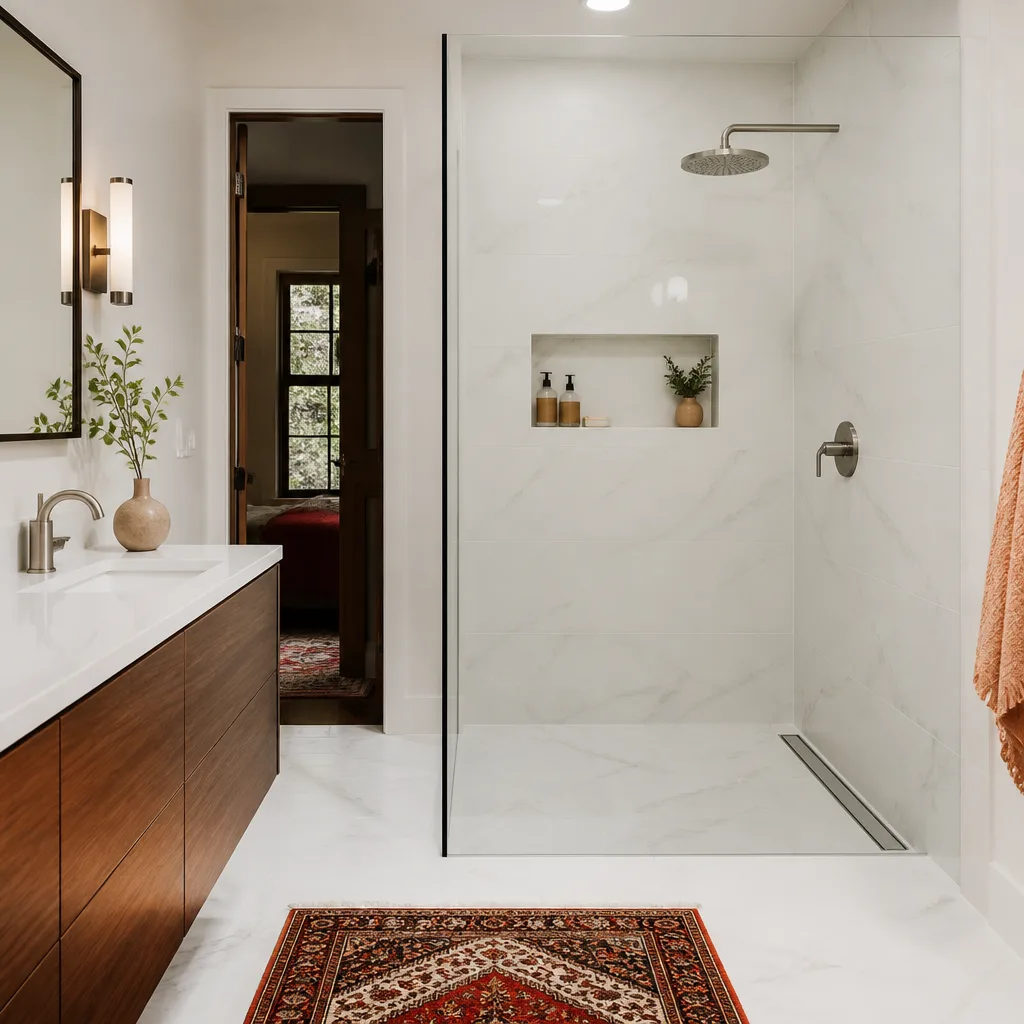
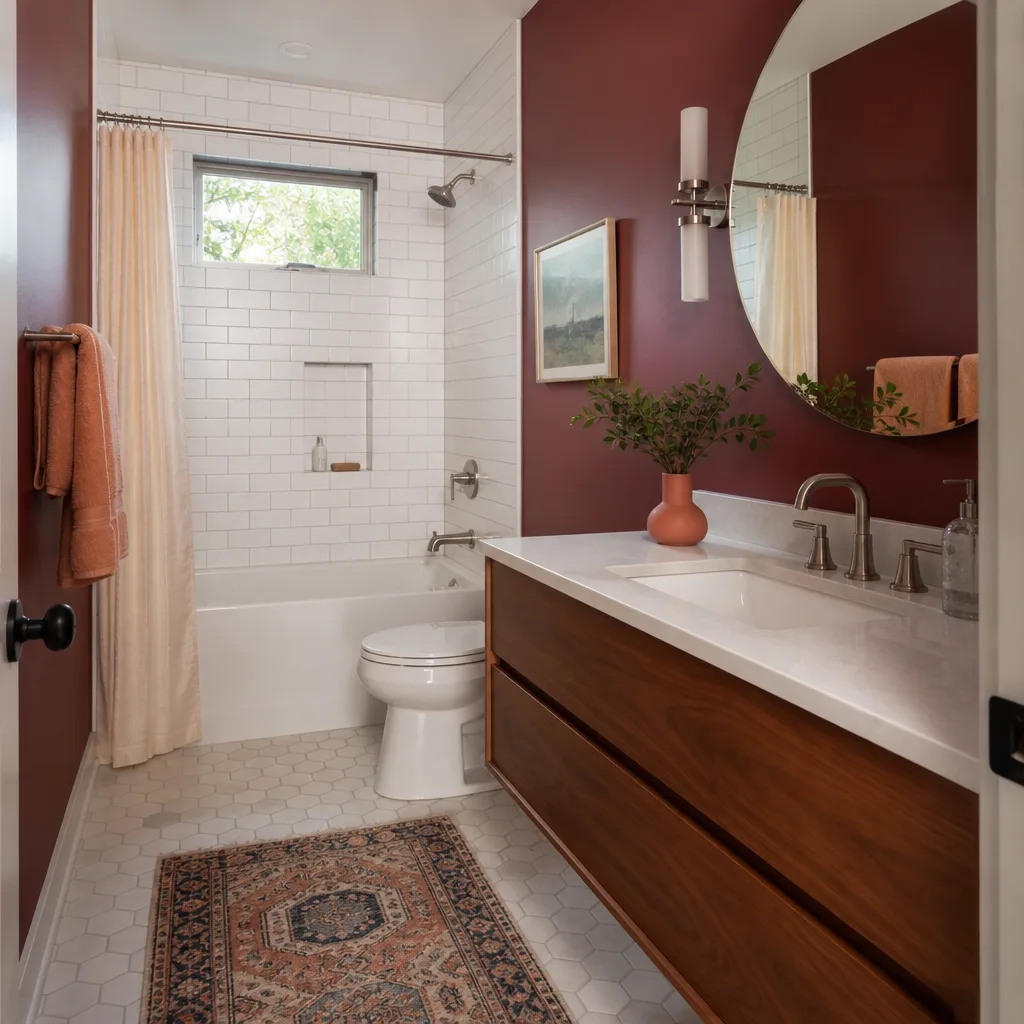
See the difference
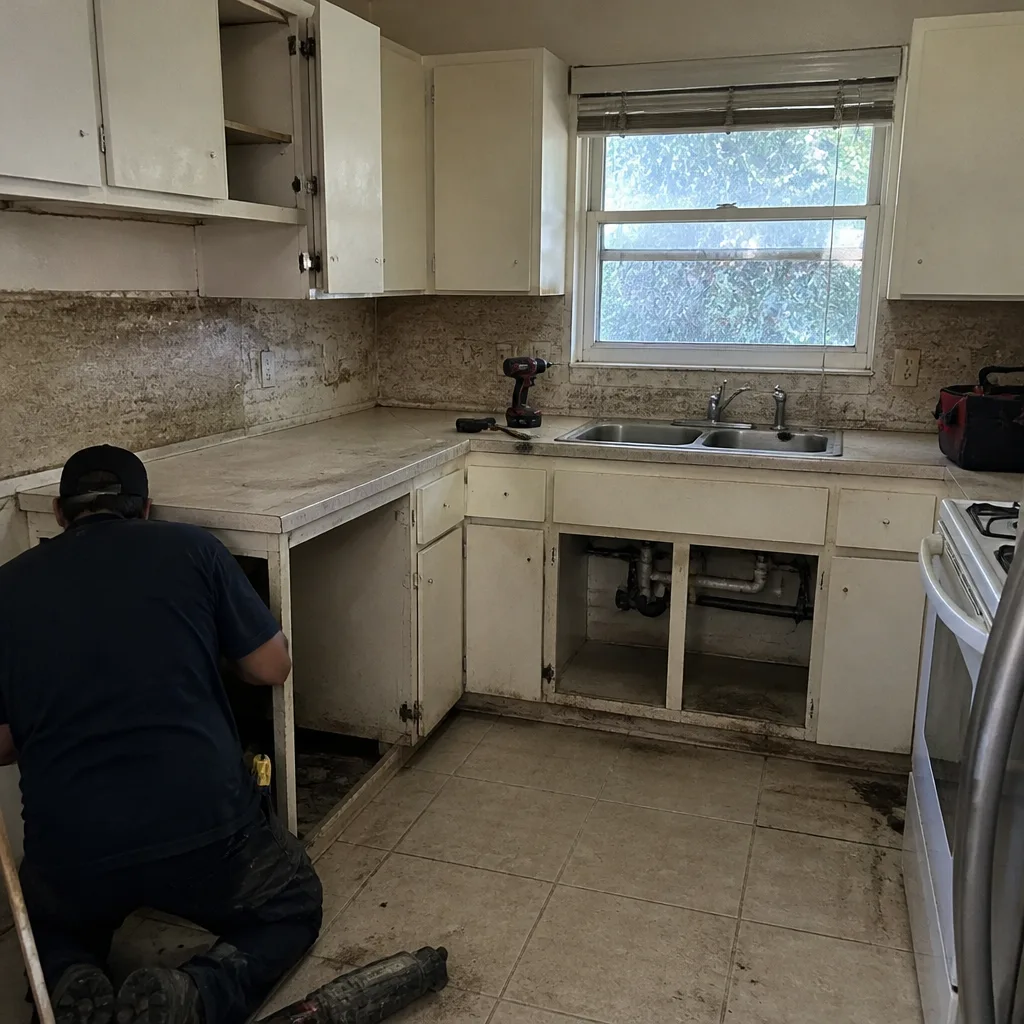 Before
 After
 Before
 After
 Before
 After
When to Call a Professional
Some of these projects are small enough to live with. Others are not, and it is worth naming the ones that should not be touched without a licensed contractor and a permit. Any change to plumbing rough-in, any shower pan replacement, any electrical work inside a wet zone, and any remodel that moves a wall or changes the fixture layout all require a licensed professional and a Miami Beach permit. If your bathroom has a cracked tile over a soft substrate, a shower that leaks into the unit below, or a previous remodel with no inspection sticker, those are all jobs for a licensed crew.
Penhallow Remodeling Miami Beach offers free estimates in Miami Beach. Our technicians have up to 22 years of experience, every quote comes in writing before work starts, and every job carries the 365-Day Done Right Promise. Call (844) 656-1986 to schedule your free estimate.
Frequently Asked Questions
A verbal price is the biggest warning sign. If the contractor cannot hand you a written, line-item quote before demo begins, the number on day one is not the number you will pay. Call (844) 656-1986 for a written quote at no cost.
Ask for the license number and look it up on the Florida DBPR website. Confirm the type is Certified General, Certified Building or Certified Residential, the status is active, and the name matches the company. The check takes about 90 seconds and it is public and free.
A full bathroom remodel in Miami Beach typically runs $22,000 to $65,000 depending on layout, tile, vanity and whether the footprint moves. Permit fees add $450 to $1,400, and condo association requirements can add more. Call (844) 656-1986 for an exact quote, written before any work starts.
Check the access panel behind the shower or under the sink for an inspection sticker, then pull the permit history at the Miami Beach Building Department. Missing stickers, a sunken drain, or grout laid over drywall instead of cement board all suggest the work was done without permits. Call (844) 656-1986 to have a licensed contractor inspect before you plan a new remodel.
Not on a job with a written fixed price and a written change-order process. If hidden problems are found after demo, a real contractor writes a change with a price before work continues. Anything verbal is a red flag. Call (844) 656-1986 for a written quote you can hold us to.
We do, and the permit fee is a visible line item on every quote. In Miami Beach, permits run three to six weeks through the building department, and inspection hold days are baked into our schedule rather than discovered later. Call (844) 656-1986 to start with a free estimate.
The Bottom Line
The costliest bathroom remodeling mistakes are made in the first conversation, not during construction. A verbal price, an unverified license number, and a ballpark that shifts after demo day are the three signals worth walking away from, and each one is checkable in under ten minutes. In Miami Beach, add the hidden signals inside the bathroom itself: missing inspection stickers, sunken drains, grout over drywall, and low bids that quietly exclude the permit fee and the tile substrate. Our advice is simple. Ask for the license number, ask for the written price, ask for the written guarantee, and verify all three before anyone picks up a tool. Our Penhallow Remodeling Miami Beach home page is a good place to start if you want to see how we structure that first conversation.
Ready to see what a real written quote looks like? Call (844) 656-1986 to schedule your free estimate with Penhallow Remodeling Miami Beach.
Written by the team at Penhallow Remodeling Miami Beach.