Last updated November 18, 2026








Free written scope consultation - allowances, timeline, and change-order rules on paper before a single trade is scheduled
General Contractor Warning Signs Every Homeowner Should Know
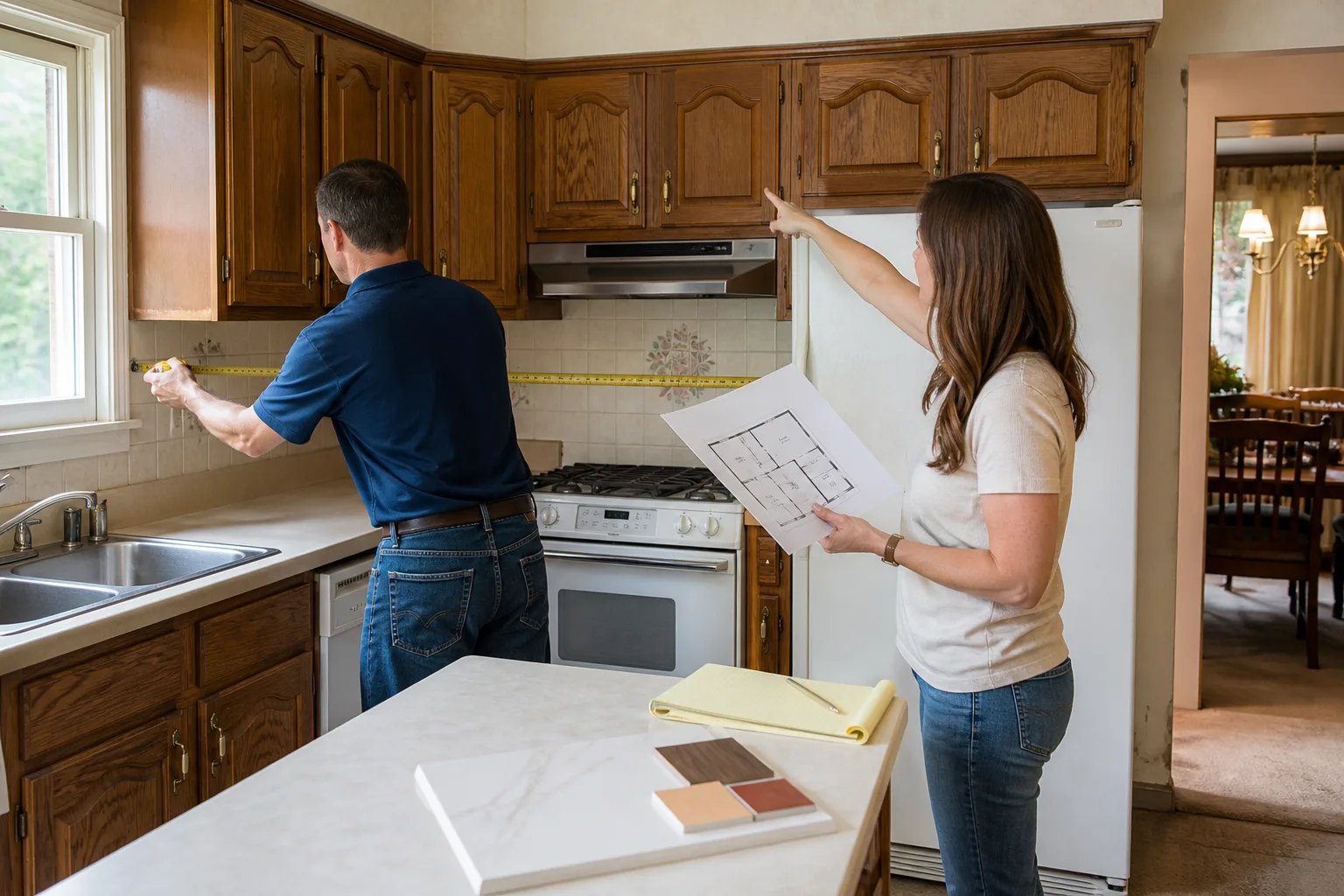
A contractor who gives you a verbal estimate that “shouldn’t change much” is not being casual. That phrase is doing legal work. It ensures no written number exists to hold them to, which means the figure in your head is the only one that was ever said out loud, and it’s your word against theirs once the cabinets are in a dumpster. Over the years working jobs across Miami Beach, we’ve seen homeowners get talked into five-figure projects on nothing more than a handshake and a friendly tone. The warning signs that actually predict failure are rarely the obvious ones. They’re quiet, they live in the paperwork, and they almost always show up before a single tool comes out of the truck. This guide covers what to look for and what to say when you find it.
Quick Answer
The biggest red flags when hiring a contractor are a refusal to put a written price in writing before work starts, a payment schedule that asks for large upfront cash, a license that doesn’t actually cover the trade being done, and vague assurances that replace a written guarantee. Any one of these is enough to walk away. Two or more together usually means the job will cost more and take longer than promised.
Styles & brands we work with
- Kitchen remodeling
- Bathroom remodeling
- Home additions & ADU
- Roofing
- Windows & doors
- Driveway & pavers
- Fence
Table of Contents
- Why a Refusal to Give a Written Price Is the Loudest Warning Sign
- How to Spot a License That’s Real but Misclassified
- The Payment Schedule Red Flag – What a Legitimate Draw Looks Like
- What “We Stand Behind Our Work” Actually Means Without a Written Guarantee
- How to Check for Liens and Complaints Before You Sign Anything
- The Change Order Problem – How Prices Balloon Mid-Job
- Miami Beach-Specific Warning Signs Most Homeowners Miss
- What a Contractor Who Won’t Fail You Looks Like
Why a Refusal to Give a Written Price Is the Loudest Warning Sign
A written price is a contract. A verbal estimate is a conversation. Contractors who don’t hand over a written number before demo day are not being “old school” – they’re protecting themselves from ever having to honor a figure. In our experience, this is the single most predictive warning sign of a job that will cost more than you agreed to, and it shows up months before anything goes wrong on site.
Ask for a written price and watch what happens. A legitimate contractor will hand it over, sometimes within a day, sometimes after a walkthrough and a measurement pass. One who pushes back with “we’ll work it out” or “the price depends on what we find” is telling you something important. What they find behind the drywall is not a price, it’s a scope problem, and scope problems are handled with change orders, not a number that never existed.
Here’s what to say when they push back: “I need the number in writing before any work starts, including what it covers and what it doesn’t.” That sentence is not rude. It’s the baseline. Any contractor who resists it is either unaccustomed to being held to a number or unwilling to be, and both are reasons to keep looking.
We build every estimate this way because it’s the only version of a price that means anything. A written price tells you what cabinets are included, what the countertop material will be, whether permits are in the number, and what happens if the substrate (the layer under your tile or floor) turns out to be rotten. A verbal number tells you none of that. If you’re comparing contractors, this is also the moment to look at what’s included in each quote, and you can see the way we structure one on our General Contractor in Miami Beach page.
How to Spot a License That’s Real but Misclassified
A license can be real and still not cover your job. This is one of the trickiest warning signs because it passes a casual check. A roofing contractor’s license doesn’t authorize interior remodeling. A painting license doesn’t authorize structural work. If the contractor is licensed but licensed for the wrong scope, your project has no legitimate paper trail behind it, and if something goes wrong, the licensing board may not be able to help you.
Florida issues different license types for different work. A general contractor license covers broad residential construction and remodeling. A specialty license covers a narrower trade. The license number on their card or truck should match both the person and the scope of work you’re hiring for.
- Look up the license number on Florida’s Department of Business and Professional Regulation (DBPR) license search.
- Confirm the license type matches the work, not just the contractor’s name.
- Check the status – “active” and “current” are not the same thing.
- Check whether the license is held by the individual you’re dealing with or by a business entity that hasn’t been verified.
In Miami Beach, this matters for a specific reason. The building department runs its own permitting and inspection process, and inspectors will check the scope against the license on file. If your contractor is licensed for roofing and you’re remodeling a kitchen, the inspection can stop cold, and so does your project. We’ve seen homeowners in South Beach and Mid-Beach sit for weeks waiting on a scope correction that should never have been needed.
The good news is the check takes about ten minutes. Do it before you sign, not after demo day.
The Payment Schedule Red Flag – What a Legitimate Draw Looks Like
A legitimate contractor doesn’t need 50 percent upfront. That request usually signals one of two things: the contractor is using your money to fund the previous job, or the contractor has no working capital of their own. Either is a risk you don’t want to take on. If they need half the contract price to begin, they’re borrowing from you, and if the job stalls, you’ve already paid for most of it.
Florida law caps how much money a contractor can collect before starting work on most residential projects. The purpose is simple: to keep homeowners from funding a project that never gets finished. Ask for the proposed draw schedule in writing and check it against what’s been completed, not what’s been promised.
A reasonable schedule typically looks like this:
- Small deposit at signing to secure the schedule and order materials – not half the job.
- Second draw when materials are delivered and work physically begins.
- Progress payments tied to inspections passed or milestones completed.
- Final payment after the job is finished, inspected, and walked with you.
Be wary of any contractor who wants cash only, wants the final payment before the final walkthrough, or asks for a “draw” that doesn’t match a visible milestone. In our experience, payment schedules are one of the clearest windows into how a contractor runs a business. If you’re remodeling a kitchen or a bathroom, this is the part of the process that usually decides whether the job runs smoothly or turns into a fight.
What “We Stand Behind Our Work” Actually Means Without a Written Guarantee
“We stand behind our work” with no document behind it means nothing legally. A verbal promise is not enforceable in any way that matters when the tile cracks or the cabinet door sags six months after install. The only guarantee that exists is the one in writing, with a defined period, defined coverage, and a defined procedure when something fails.
Ask three questions before signing:
- What does the guarantee cover, specifically – labor, materials, or both?
- How long does it last from the date of completion?
- What happens when a repair fails – do I pay for the return visit or is it included?
If the contractor can’t answer all three in writing, you don’t have a guarantee. You have a friendship. And friendships don’t survive a failed repair when nobody’s ever coming back.
The reason this matters is that everything in a home moves. Wood expands and contracts with humidity. Tile substrate shifts. Cabinet doors go out of alignment. Miami Beach’s coastal air and seasonal moisture swings make this even more common than in drier climates. A written guarantee is the part of the relationship that covers the moment the contractor has been paid and moved to the next job. Our company promise is called the 365-Day Done Right Promise, and what it says is simple: if the work fails inside the first year, we come back and fix it at no charge, and the free return visit if a repair fails is written into the job. That’s the standard we hold ourselves to, and it’s the standard you should expect from anyone quoting work on your home.
How to Check for Liens and Complaints Before You Sign Anything
A contractor can look clean on the surface and still be carrying a paper trail of unpaid suppliers, subcontractor disputes, or complaints. Florida gives homeowners real tools to check, and the check is fast. The two most important are the DBPR complaint search and the county clerk of court records.
- DBPR complaint search: The Florida Department of Business and Professional Regulation keeps complaint records tied to license numbers. A pattern of complaints, especially about unfinished work or non-payment, is worth asking about directly.
- Miami-Dade County Clerk of Court: Search for construction lien filings against the contractor’s business name and license holder. A lien means someone wasn’t paid on a prior job, and it can become your problem if you hire the same contractor and the supplier files against your property.
- Florida Sunbiz: Confirm the business entity is active and in good standing.
- BBB and Google reviews: Not the star rating alone – read the negative reviews and see whether the contractor answered them.
Liens are the one most homeowners never think to check. In Miami Beach, a construction lien filed against your property can cloud the title and complicate a future sale or refinance. It can also surface months after you thought the job was over. A 15-minute check before signing is the cheapest insurance available, and it tells you more about a contractor than any reference list they hand you themselves.
The Change Order Problem – How Prices Balloon Mid-Job
Most price explosions don’t come from a contractor being dishonest on day one. They come from a scope that was never defined and a change order process that was never explained. Once demo starts, the contractor owns the information, and you own the risk. A written price protects you only if it also spells out what’s covered and what happens when something new is found.
A well-written scope does a few specific things:
- Names materials by brand and line – not “mid-grade cabinets” but the actual product, the way we specify Cambria quartz or a Kohler fixture so the price is tied to a real product.
- Explains the change order process: who signs off, how the price is calculated, and whether the number can move without your approval.
- Separates unknowns – what’s behind the wall, what’s under the floor – from known scope, so you understand what’s a surprise and what isn’t.
- States who pulls the permit and who pays the permit fees.
Red flag: a contractor who says “we’ll work out the changes as they come.” That’s not flexibility. It’s a blank check. When you sign off on a written price with a defined scope, the number on day one is the number on the invoice. When you sign a verbal estimate, you’re signing a document that says the price is whatever the contractor decides on the day they hand you a new number.
Miami Beach-Specific Warning Signs Most Homeowners Miss
Miami Beach has a few conditions that make some warning signs more costly here than elsewhere. The climate, the building stock, and the inspection process all add layers that a contractor from outside the area often misses.
Salt air and humidity. A contractor who specs ordinary drywall screws and untreated fasteners in a beachfront building is setting up a corrosion problem you’ll pay for in two years. The coastal environment shortens the life of everything, and a contractor who doesn’t acknowledge that in their material choice is either inexperienced with Miami Beach or counting on you not noticing.
Flood zone rules. Much of Miami Beach sits in a flood zone, and remodeling in those areas can trigger elevation and flood-proofing requirements. A contractor who doesn’t ask about your flood zone or check with the Miami Beach building department is missing the first step of the permit process. This is the kind of thing that stalls a project mid-job, and it’s exactly what a written price and a proper permit pull are designed to catch before demo.
Aging building stock. Mid-Beach and South Beach have a lot of buildings from the mid-century era. Cast iron plumbing, galvanized supply lines, and old electrical panels turn up behind the walls more often than homeowners expect. A contractor who doesn’t warn you this is possible and doesn’t explain how it will be handled is one who will hand you a change order the day the wall comes down.
High-rise and condo rules. Many Miami Beach buildings require contractor COIs (certificates of insurance), elevator reservations, work hour restrictions, and building management sign-off. A contractor who hasn’t done this before will lose days to logistics, and the days are yours. If you’re working in a condo, see how a proper Bathroom Remodeling in Miami Beach project is sequenced, since bathroom work in a high-rise is where these building rules hit hardest.
What a Contractor Who Won’t Fail You Looks Like
It’s easier to spot a good contractor once you know what the warning signs are, because the good ones are doing the opposite of every one of them. A written price comes before demo. The license matches the work. The draw schedule is tied to milestones. The guarantee is in writing, with a defined period and a defined return process. The permit is pulled by the contractor and the inspection gets passed.
The other things that show up in a legitimate operation are quieter. You get a real arrival window, not “sometime Tuesday.” The technicians walking into your home are background-checked and arrive in uniform, and you know exactly who’s in the house. The job site stays clean. When you call with a question, a real person answers, not a voicemail tree. These are not marketing extras. They’re the day-to-day mechanics of a company that runs a professional operation, and they’re the mechanics that keep your project from becoming a cautionary tale.
The last thing to look for is honesty about the messy parts. A good contractor will tell you that old Miami Beach buildings are full of surprises, that some changes will cost more, and roughly how much. A bad contractor will tell you it’ll all be fine. The ones who tell you the truth are the ones you hire.
Common Mistakes to Avoid
- Hiring off the lowest bid alone. The lowest bid is often the one with the smallest scope, then a change order on day two. Compare what’s included, not just the total.
- Skipping the license lookup. A license number on a business card means nothing until you’ve checked the DBPR that it’s active and covers the trade. Ten minutes of checking beats a stopped inspection.
- Paying 50 percent upfront. A draw schedule tied to milestones protects your money. Cash upfront hands the contractor all the leverage before the work starts.
- Accepting a verbal guarantee. “We stand behind our work” is not a guarantee unless the coverage, duration, and return process are in writing.
- Ignoring the lien search. In Miami Beach, a lien filed against your property by a supplier on a prior job can surface months later and cloud your title. Check before signing.
- Not asking about the flood zone. A contractor who doesn’t ask about flood zone requirements in Miami Beach is skipping a step that will stall the permit.
- Accepting “we’ll work it out” on materials. “Mid-grade cabinets” is not a spec. Get the brand, line, and model in the written price so there’s no argument later.
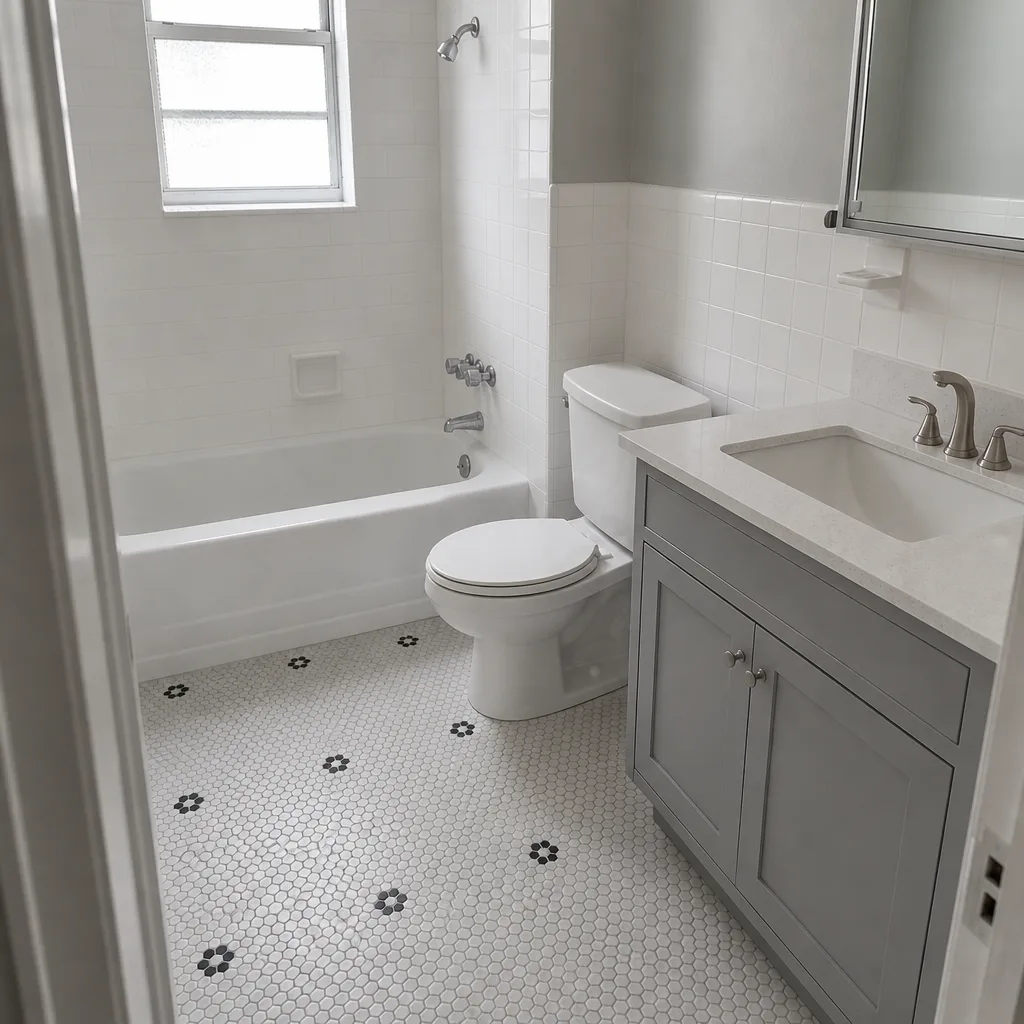
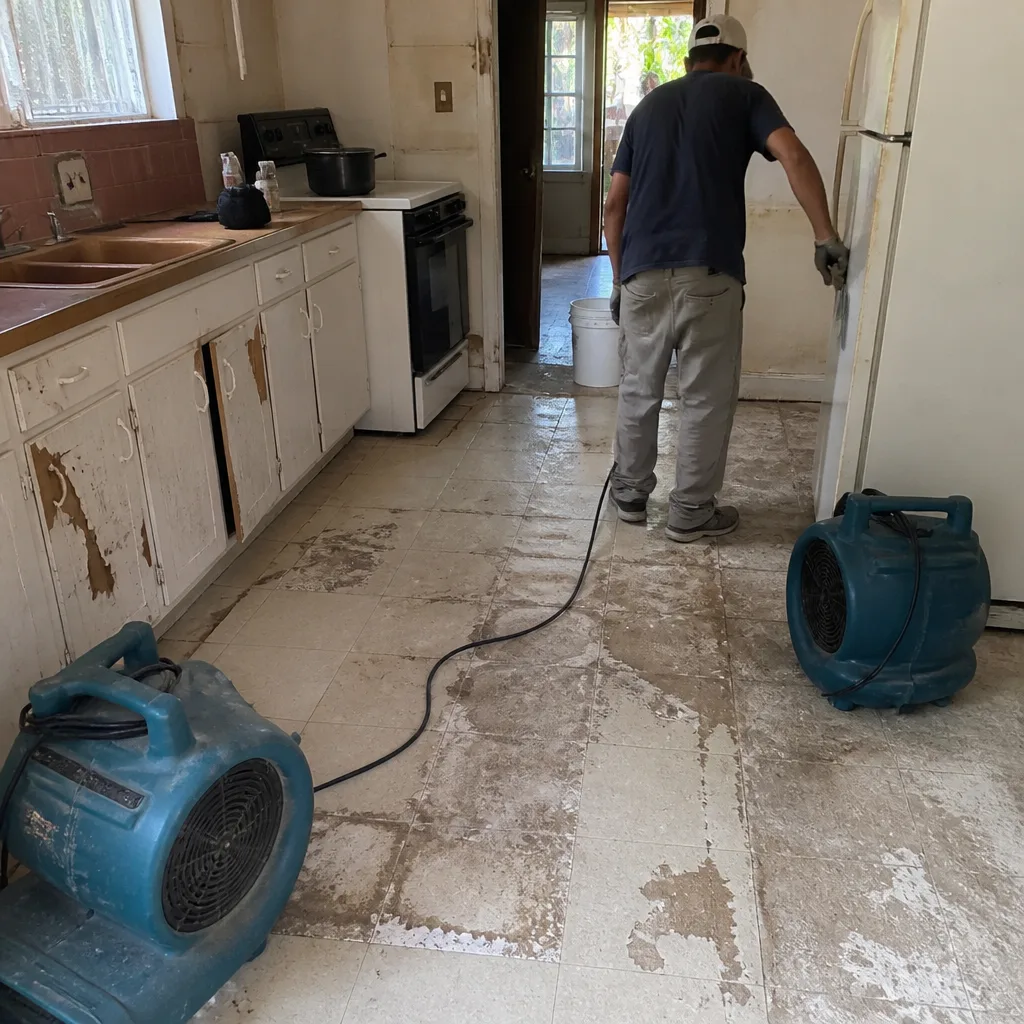
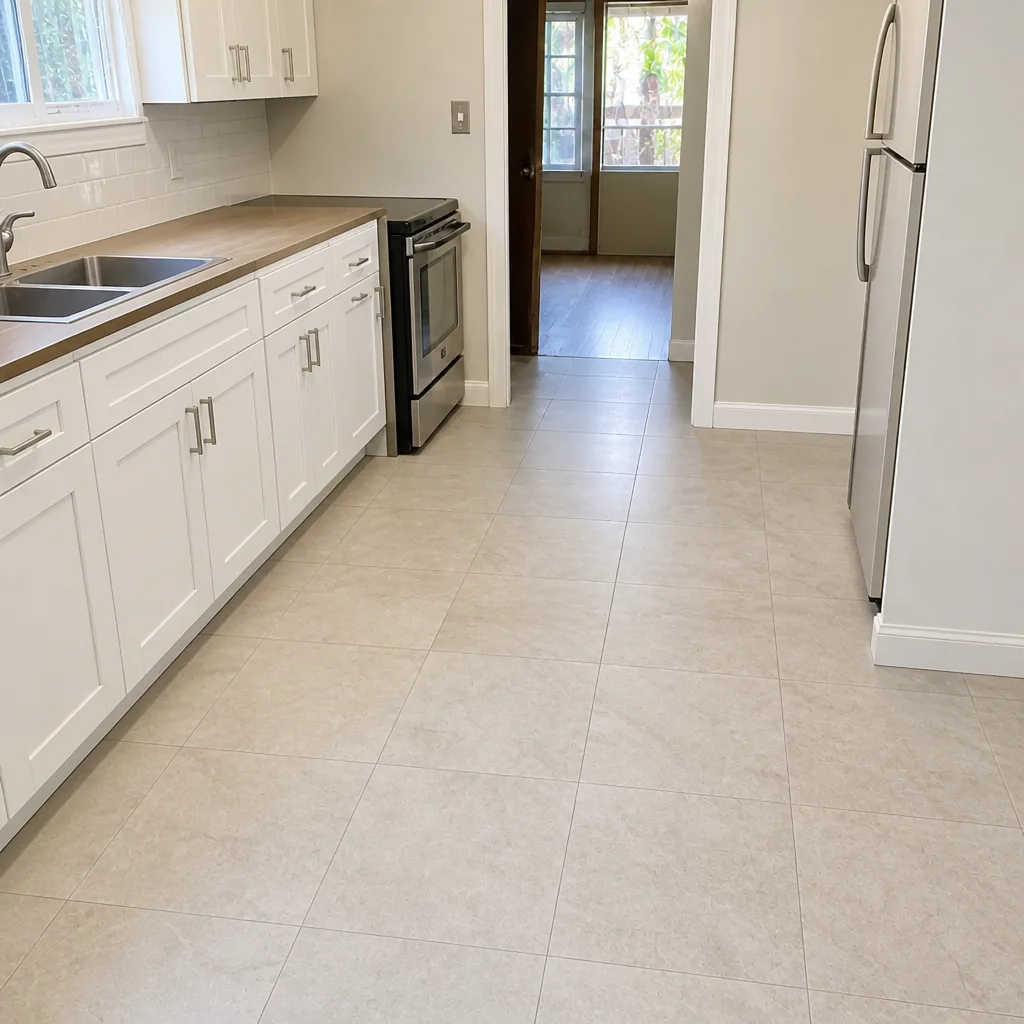
See the difference
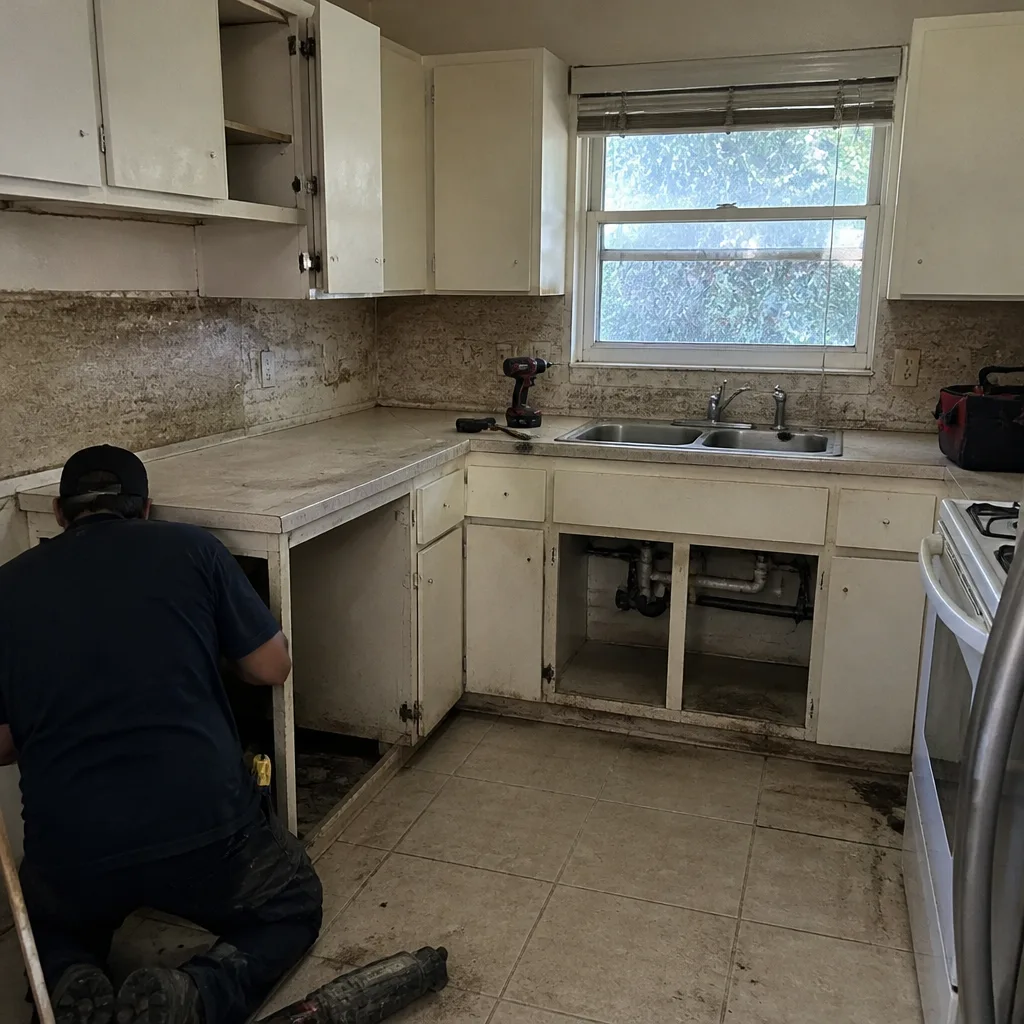 Before
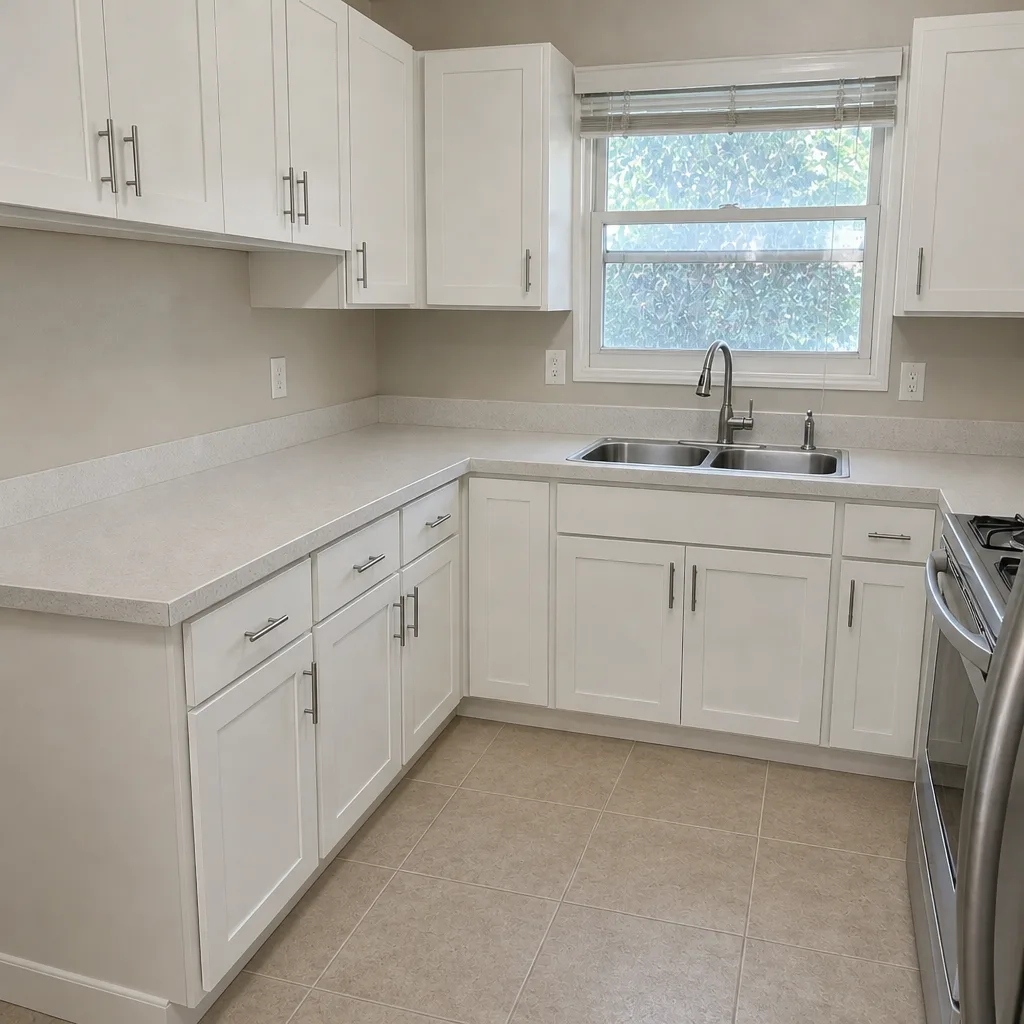 After
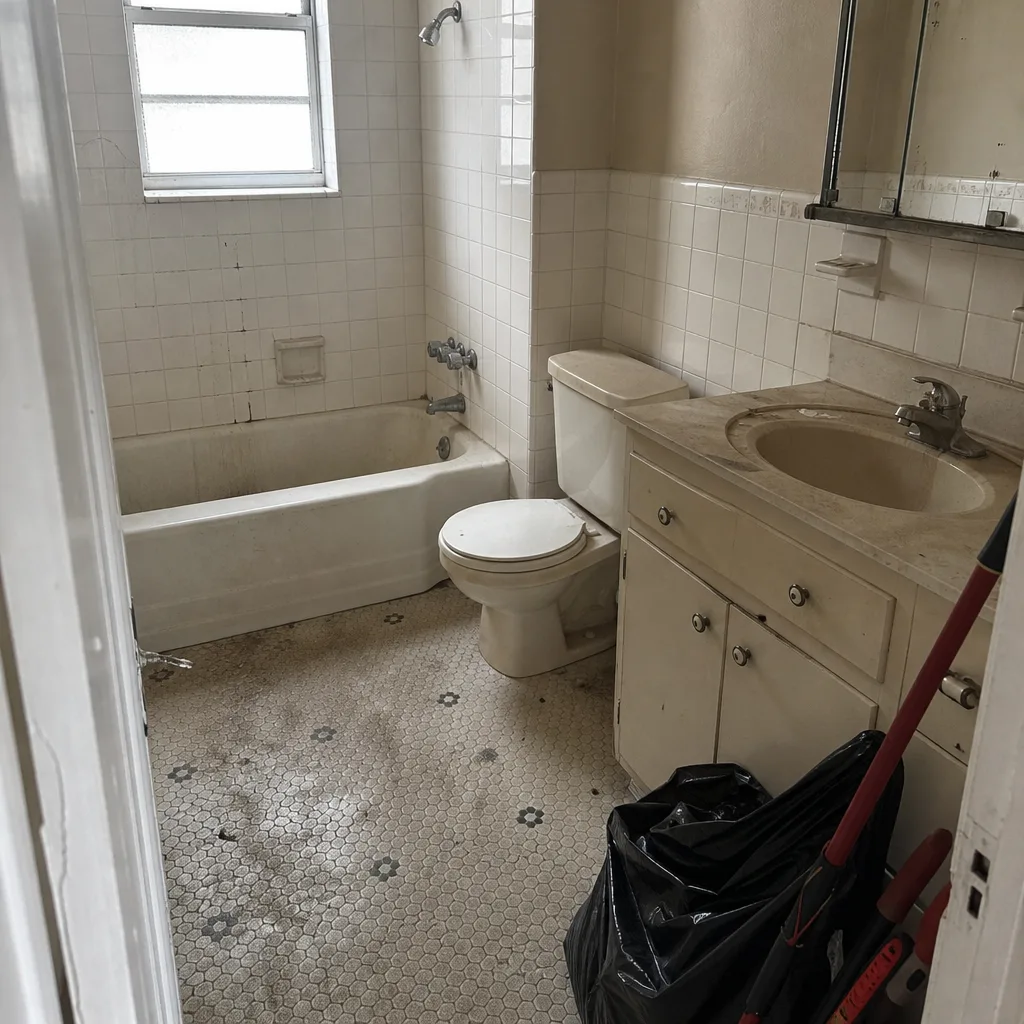 Before
 After
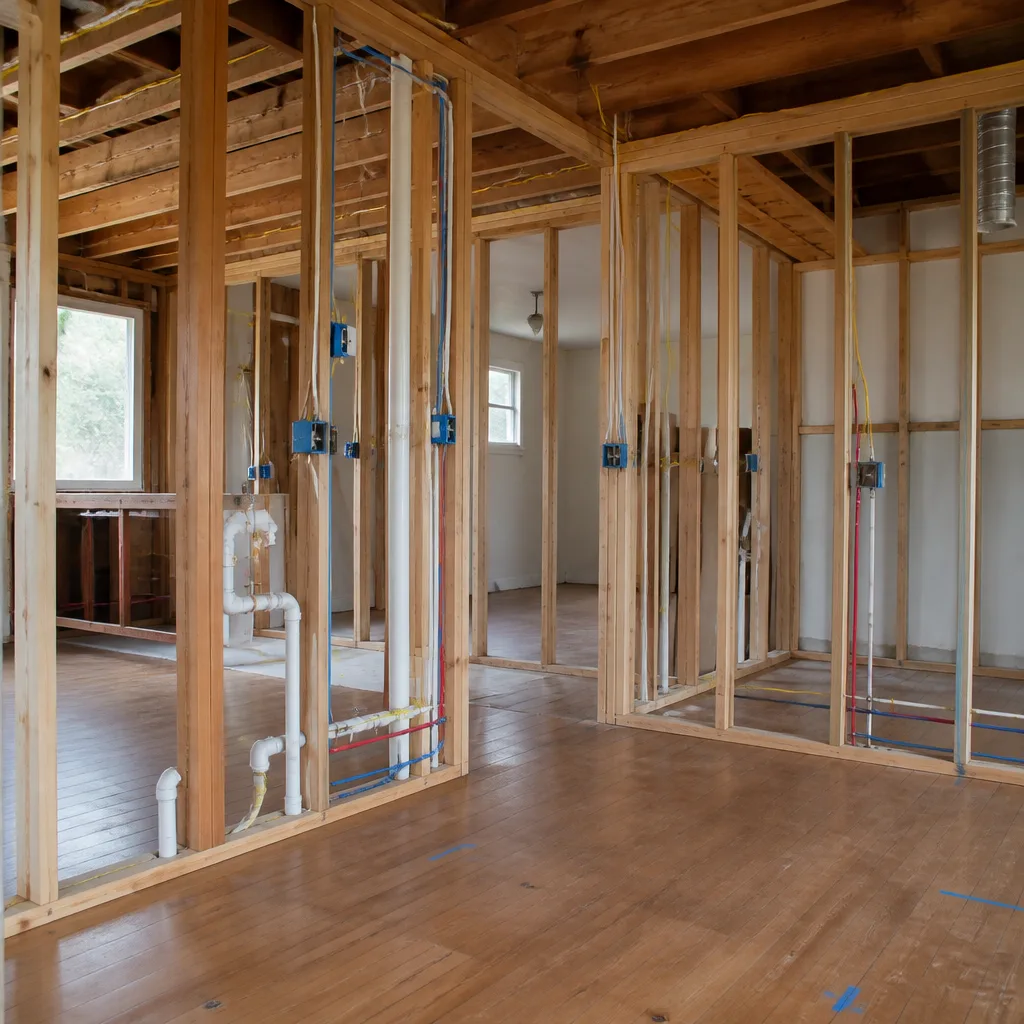
 Before
 After
When to Call a Professional
Some of what we’ve covered is checkable on your own: the license lookup, the lien search, reading reviews. But when it comes to evaluating a contractor’s scope, comparing written prices, or figuring out whether a Miami Beach building’s flood zone or condo rules will affect your project, the guidance of a professional saves you from the expensive mistakes. That’s especially true when you’re already partway into a job and something feels wrong: the price moved, the schedule slipped, the work doesn’t match the plan. Those are the moments to bring in another set of eyes before you sign the next draw or accept the next change order. A free estimate is a low-risk way to get a real number from a contractor who will put it in writing. Penhallow Remodeling Miami Beach offers free estimates in Miami Beach – call (844) 656-1986.
Frequently Asked Questions

A refusal to provide a written price before work starts is the most important warning sign. A written price is the document that holds the contractor to a number. Without one, the price is whatever they say it is on the day they hand you the next figure. If a contractor resists putting the estimate in writing, that alone is a reason to walk away. Call (844) 656-1986 if you want a written estimate you can hold us to.
A 50 percent upfront deposit is not normal, and Florida law caps what a contractor can collect before starting most residential work. A legitimate draw schedule ties payments to milestones and inspections, with a small deposit at signing. A large upfront ask usually means the contractor is funding another job with your money. Call (844) 656-1986 for a free estimate with a fair draw schedule in writing.
Look up the contractor’s license number on the Florida DBPR license search, confirm the license type matches the scope of work, and verify the status is active. A roofing license does not cover interior remodeling. In Miami Beach, the building department will also check that the license on file matches the project scope, so a mismatch can stop your inspection. Call (844) 656-1986 if you want help understanding what license your project requires.
A proper written guarantee covers defined work for a defined period, and it explains the process when something fails. It’s not the same as “we stand behind our work,” which is not enforceable. The guarantee should specify whether labor and materials are both covered, how long it lasts, and whether a return visit is free. Our 365-Day Done Right Promise covers the first year, and the free second visit if a repair fails is included in writing. Call (844) 656-1986 to see a copy before you hire.
Vague language about materials, a scope that doesn’t name brands and models, and a change order process that puts the contractor in charge of the price are the big ones. If the written price says “mid-grade cabinets” rather than a specific product line, the price is already loose. We specify products by brand, like Cambria quartz or a Kohler fixture, so the price is tied to a real product you can compare. Call (844) 656-1986 for a written price with defined materials.
Search the Miami-Dade County Clerk of Court records for construction lien filings against the contractor’s business name and the license holder. You can also check DBPR complaints and Florida Sunbiz for the business status. A lien filing means someone wasn’t paid on a prior job, and it can become your problem if the same contractor works on your property. Call (844) 656-1986 if you want a second opinion before signing anything.
The Bottom Line
The warning signs that predict contractor failure are mostly paperwork problems, not personality problems. A refusal to put a price in writing. A license that doesn’t match the work. A payment schedule that asks you to fund the job upfront. A guarantee that lives only in conversation. A lien filed against a prior client. None of these announce themselves. Each one costs you money the moment you ignore it. Check the license, check the liens, require the written price, and require the written guarantee. If a contractor won’t do those four things, they’ve told you everything you need to know. If you’re remodeling a whole home, a Kitchen Remodeling in Miami Beach project, or a bathroom, a contractor who does all four is the one worth hiring. You can start from our Penhallow Remodeling Miami Beach home page or call (844) 656-1986 for a free estimate.
Contact
If you’ve read this far and you’re wondering whether your contractor’s quote would pass these checks, the fastest way to find out is to get a second written price to compare. Call Penhallow Remodeling Miami Beach at (844) 656-1986 to schedule a free estimate. We’ll walk your project, put a real number in writing before any work starts, explain exactly what the estimate covers, and hand you a written guarantee alongside it. No pressure and no phone tree – a real person answers the phone 24/7. Our technicians bring up to 22 years of experience, arrive background-checked and in uniform, and every job carries the 365-Day Done Right Promise in writing. If something we install fails inside the first year, we come back and fix it at no charge, no service call fee, no re-inspection charge. That’s the standard we build to, and it’s the standard you should expect.
Written by the team at Penhallow Remodeling Miami Beach.