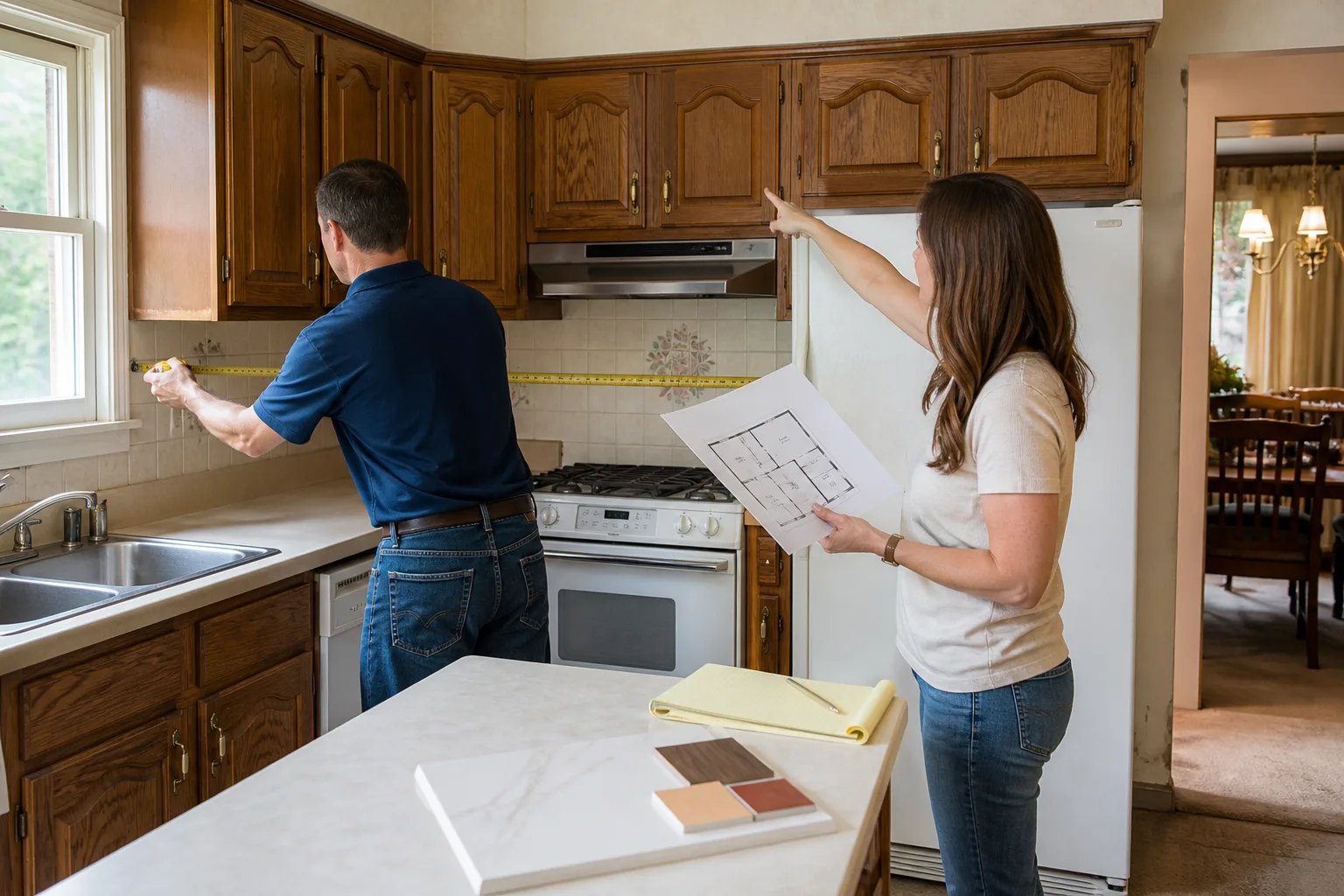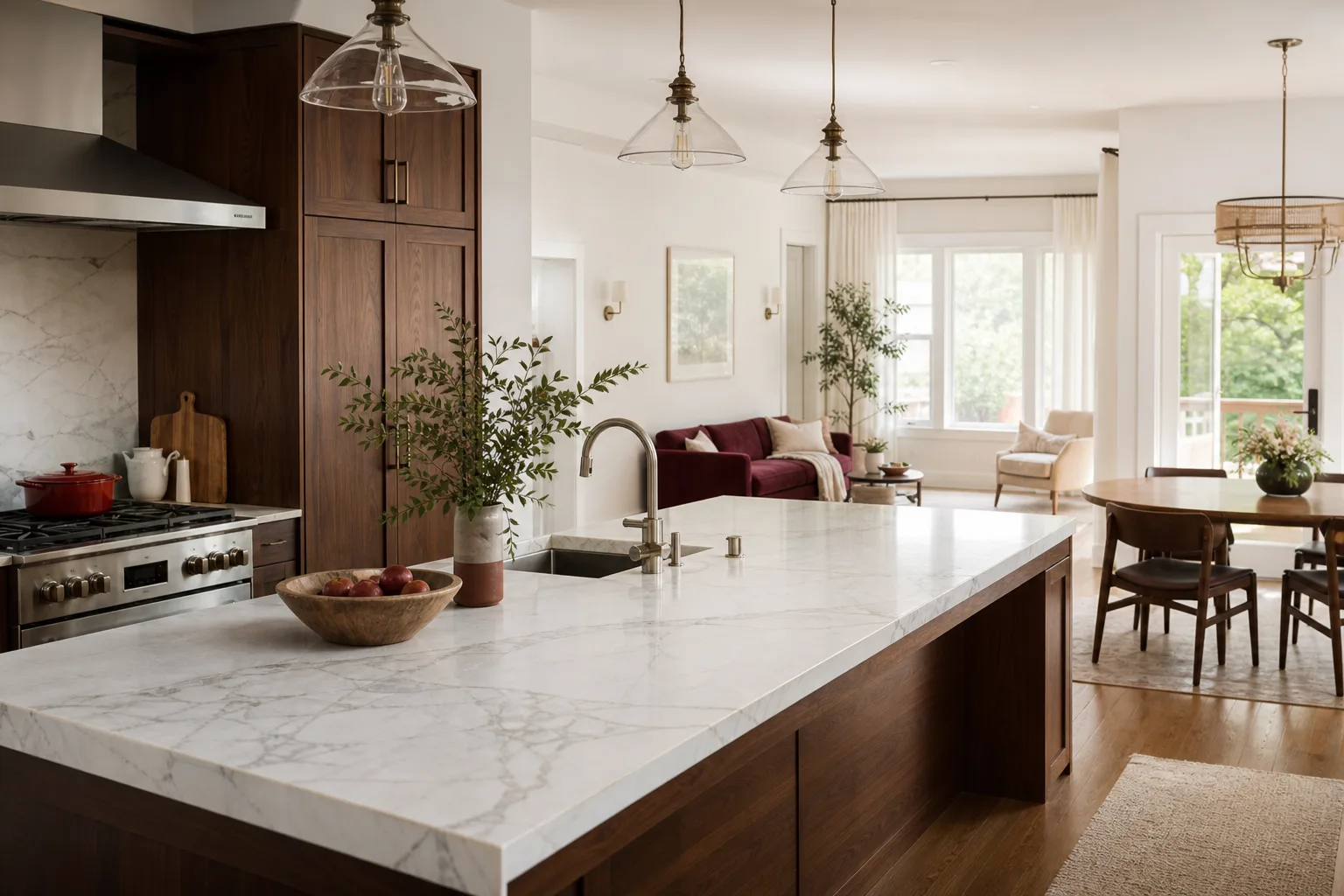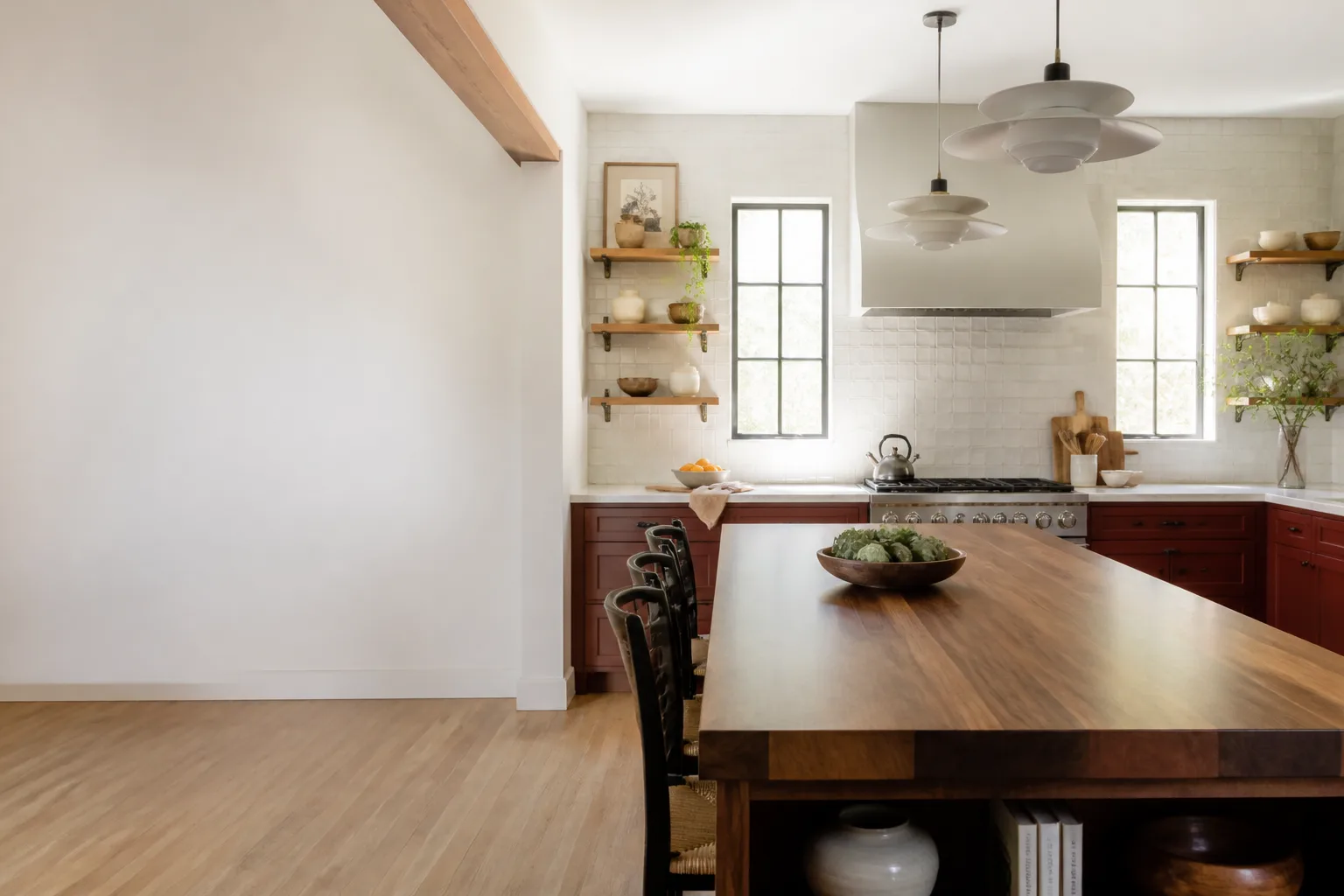
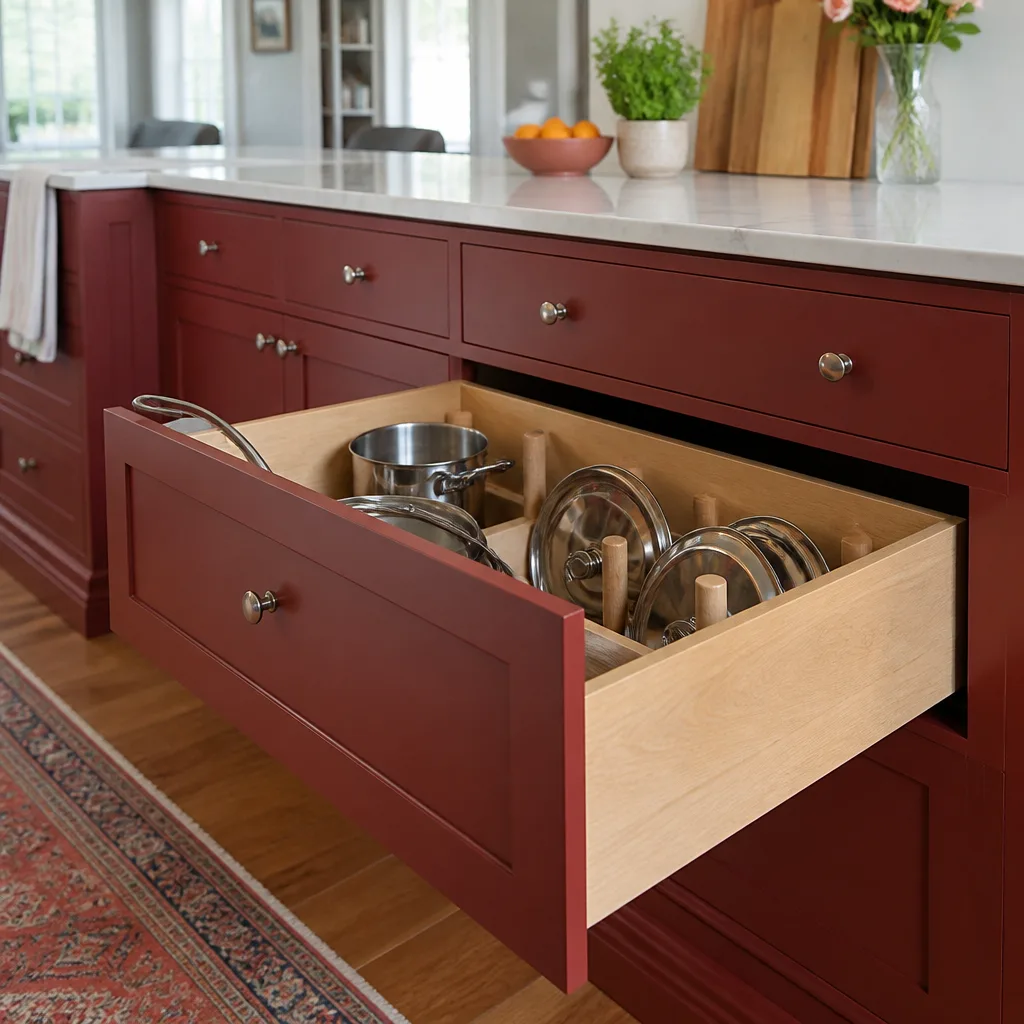





Free written scope consultation - allowances, timeline, and change-order rules on paper before a single trade is scheduled
Styles & brands we work with
- Kitchen remodeling
- Bathroom remodeling
- Home additions & ADU
- Roofing
- Windows & doors
- Driveway & pavers
- Fence
See the difference
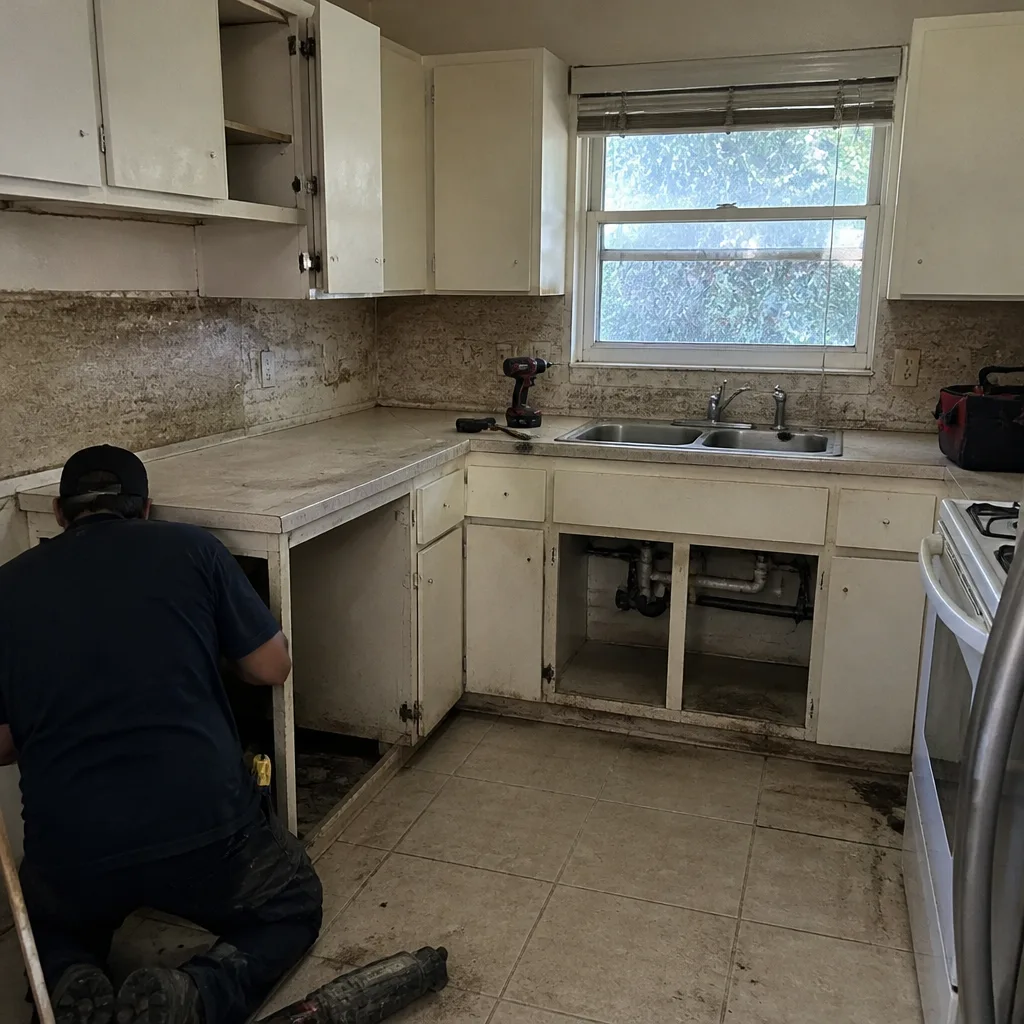 Before
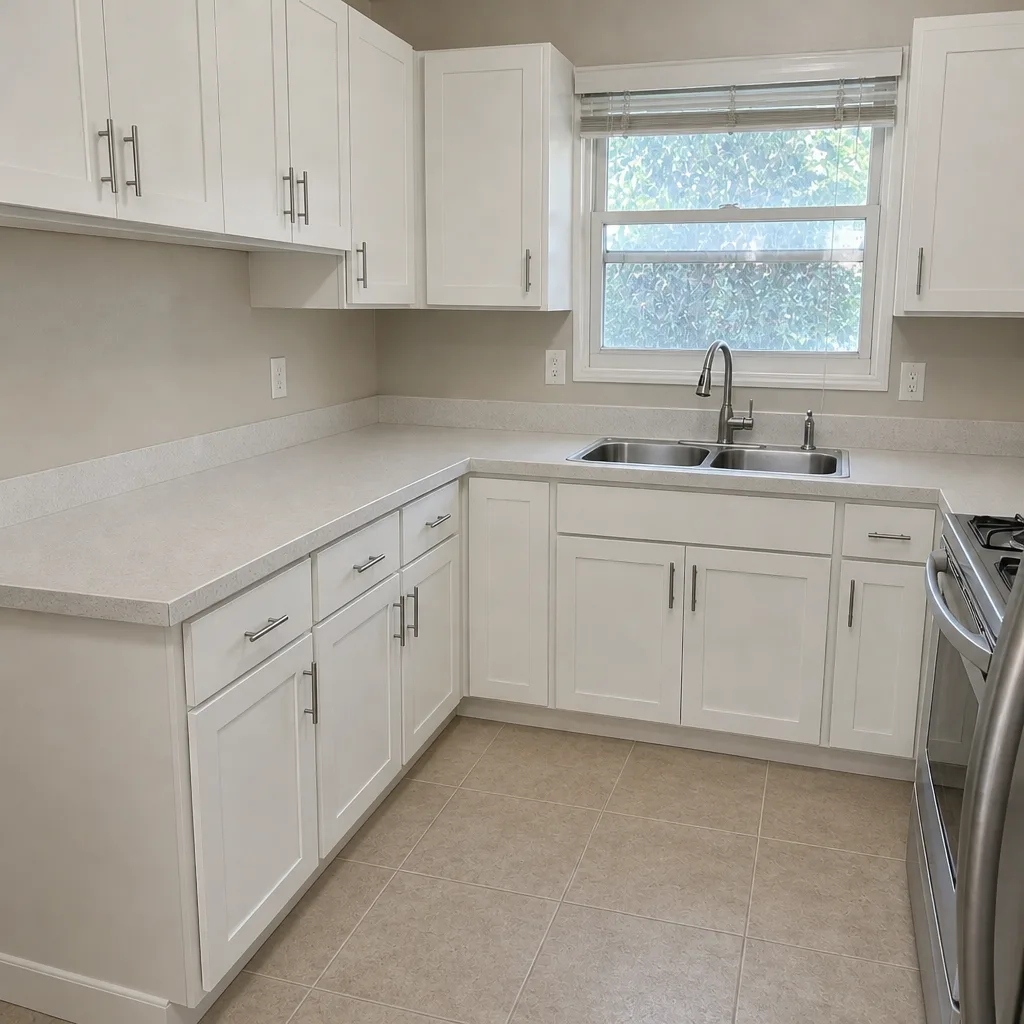 After
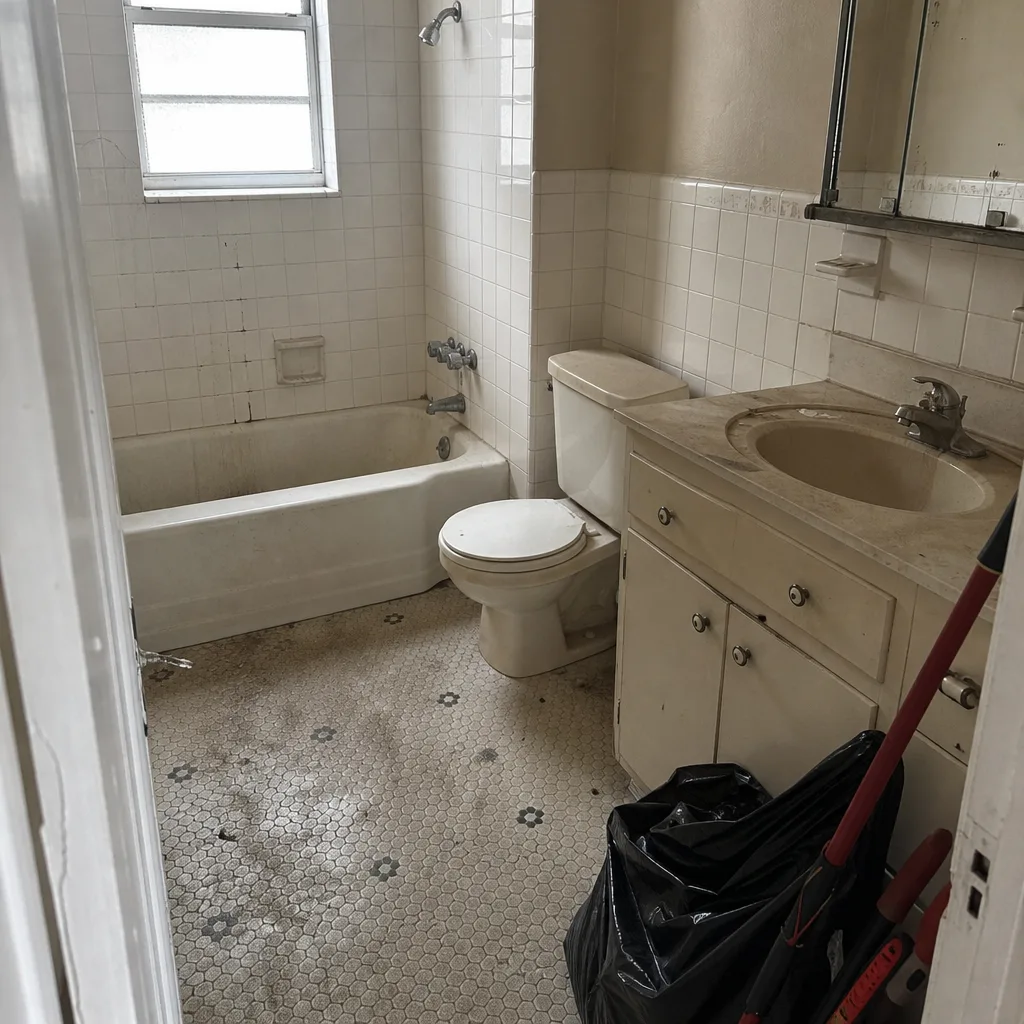 Before
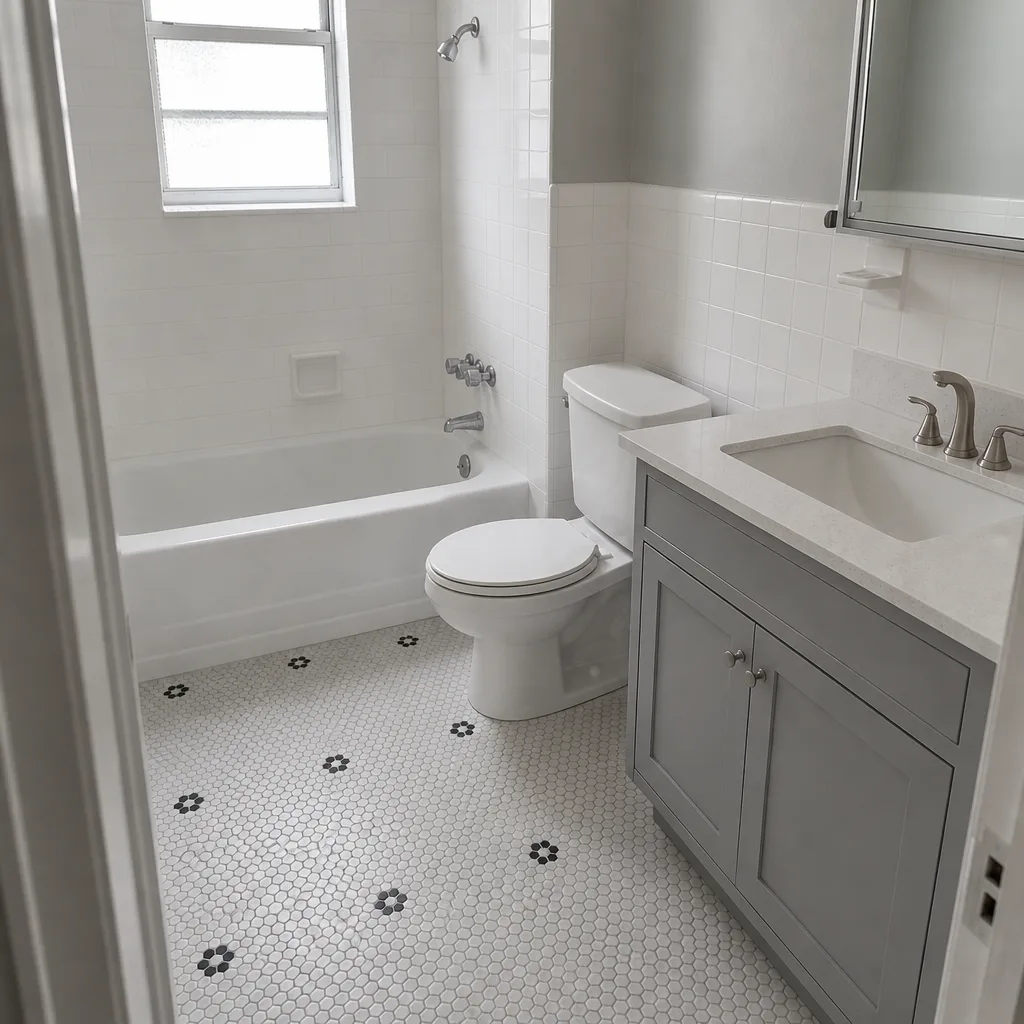 After
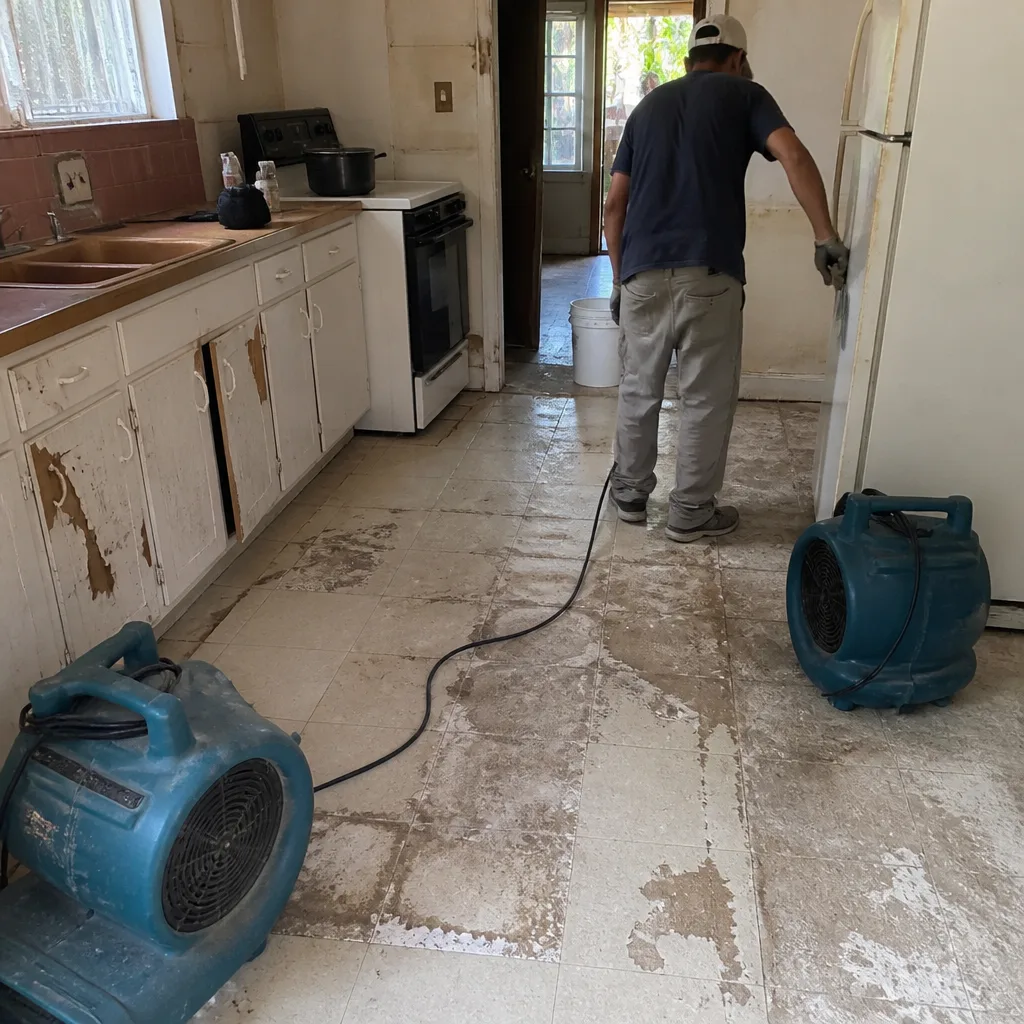 Before
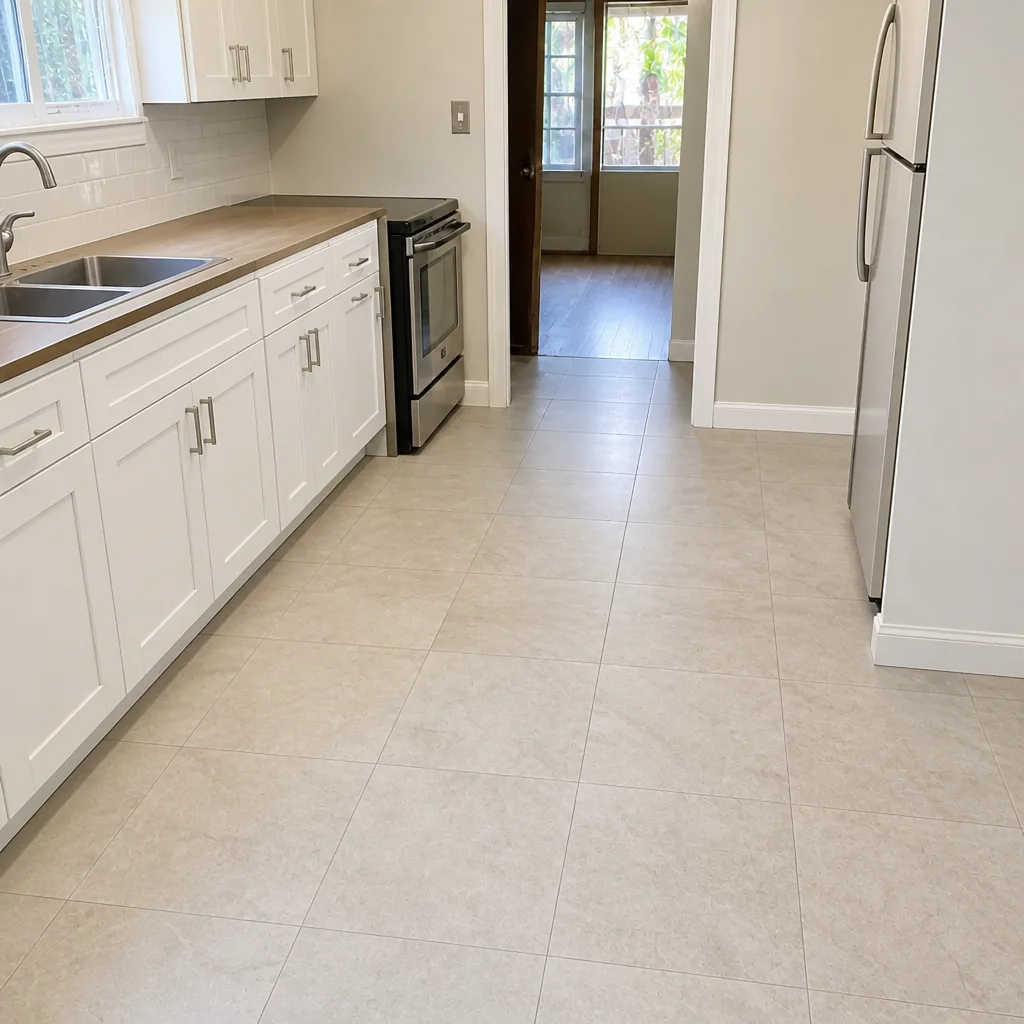 After
Do You Need a Permit to Remodel a Kitchen in Miami Beach, FL?
Yes, most kitchen remodels in Miami Beach need a permit. Any change to electrical, plumbing, gas, or structural framing triggers a Miami-Dade building permit, and if your building sits in a designated historic district, a City of Miami Beach zoning review and a Historic Preservation Board approval may come first. Cosmetic work alone (paint, cabinet hardware, non-structural shelving) is the only category that typically doesn’t need a permit. This is where you get off the phone and get a straight answer: call (844) 656-1986.
Why Miami Beach Is Harder Than a Standard Florida Permit
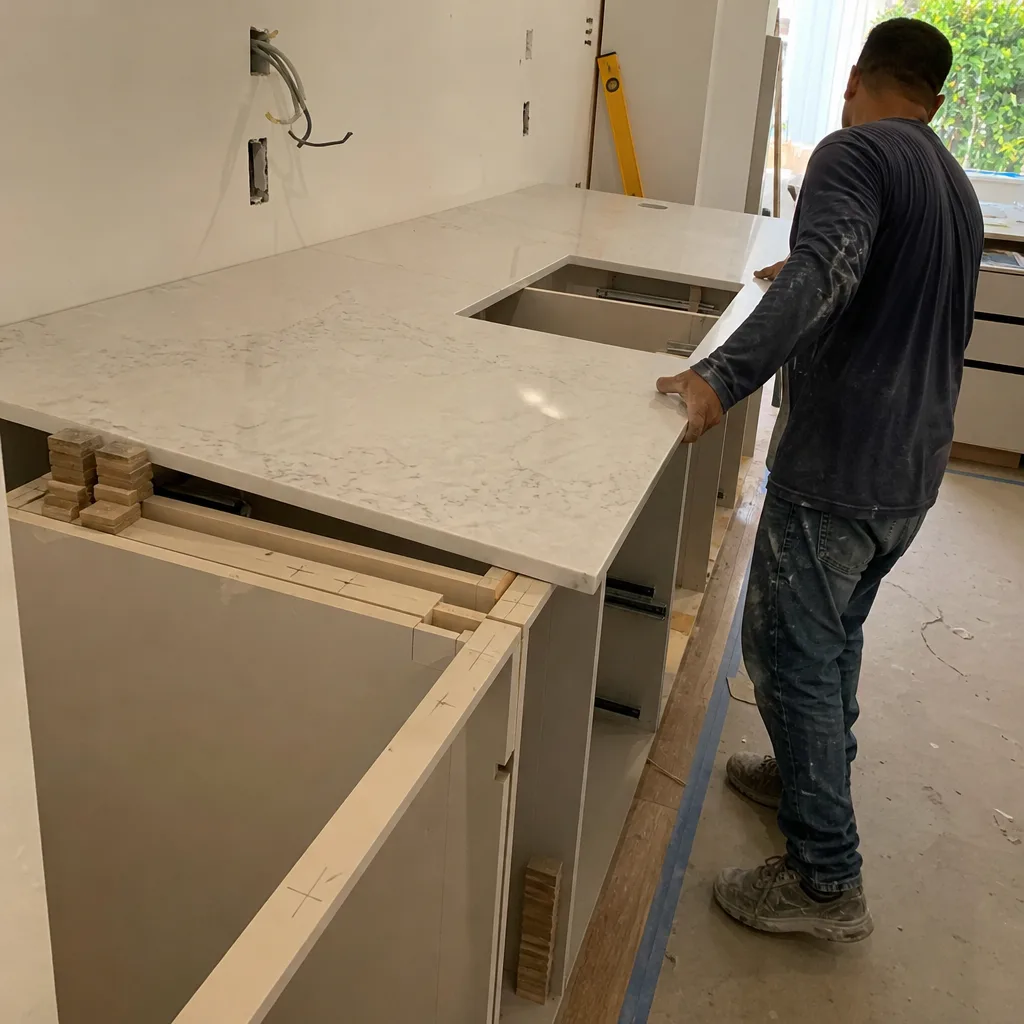
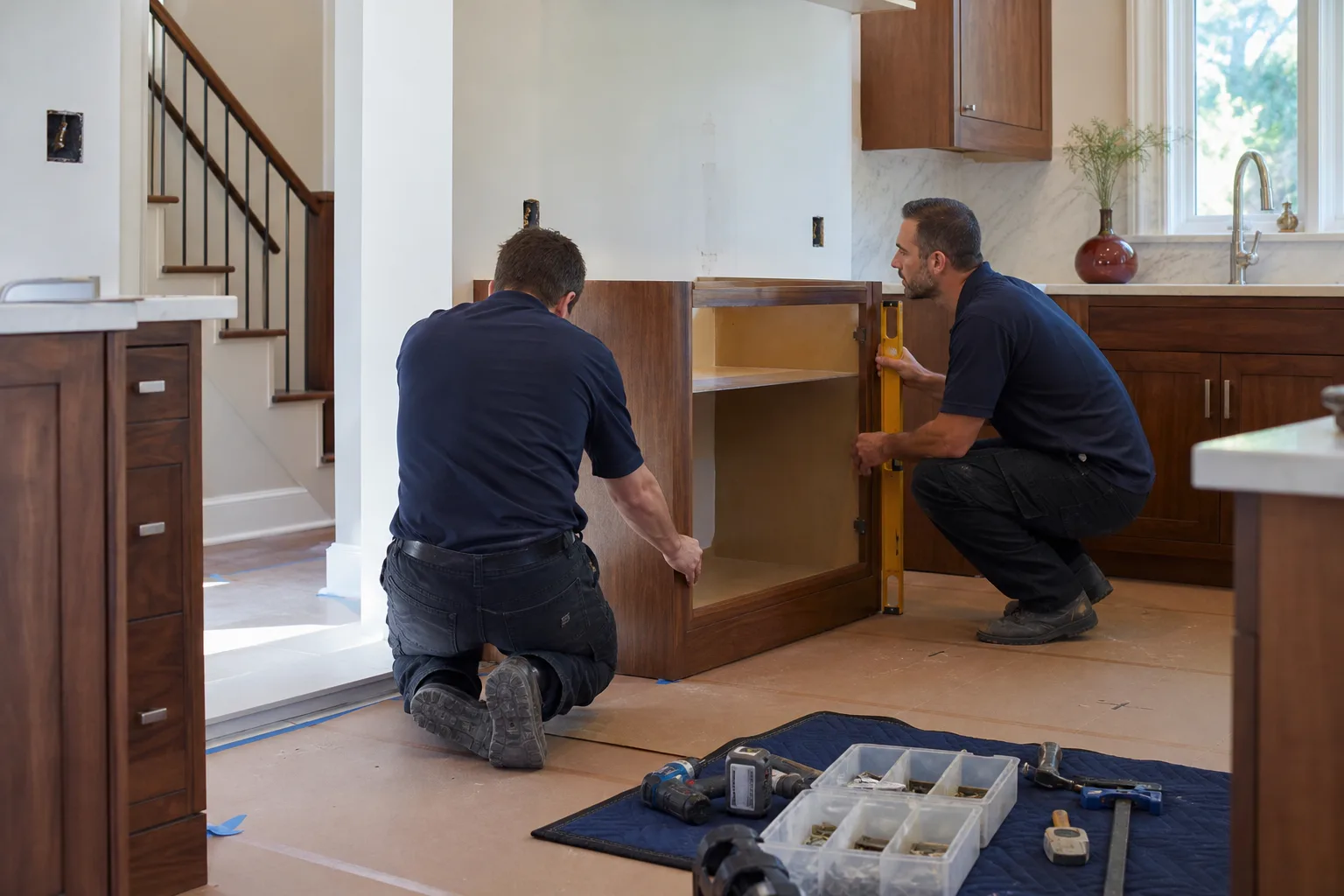
In Miami Beach, you can need three separate approvals to replace your kitchen cabinets: a Miami-Dade building permit, a City of Miami Beach zoning sign-off, and, if your building is in a historic district, a Historic Preservation Board review. That’s not bureaucratic overkill; it’s the legal reality of remodeling on a barrier island with a protected architectural legacy.
The City of Miami Beach sits inside Miami-Dade County, so the county’s building code governs construction while the city runs its own zoning, concurrency, and historic rules on top. That layering is the part most homeowners underestimate. A filing that would be one stop in Hialeah or Doral can be three stops here.
It also matters what kind of building you live in. Miami Beach’s stock leans heavily on 1920s-1940s Mediterranean Revival and Art Deco masonry, many with original coral rock footings and Dade County pine framing, mixed with 1950s-1970s mid-rise condos and new supertall towers. Each building type meets the permit desk with its own paperwork trail, and older ones meet it with the 40-year recertification file attached.
The Three Layers, Explained
- Miami-Dade County building permit – issued for electrical, plumbing, mechanical (including new ventilation penetrations), structural changes, and anything that alters the building envelope.
- City of Miami Beach zoning approval – confirms the work matches the unit’s legal use, setbacks, and any floodplain requirements the site carries.
- Miami Beach Historic Preservation Board review – required when your building was constructed before 1942 and sits in a designated historic district. Much of South Beach qualifies.
What Actually Triggers a Kitchen Remodel Permit in Miami Beach
Here’s the line homeowners want us to draw clearly. If the work cuts into a wall cavity, moves water, or touches power, it needs a permit. If it’s surface-only, it usually doesn’t.
Replacing your electrical panel or adding under-cabinet circuits, moving a sink rough-in, relocating a range hood or adding a vent penetration through the wall or roof, opening a load-bearing wall, or changing any window above the kitchen sink: all permit items in Miami Beach. Painting cabinets, swapping hardware, and freestanding shelving are cosmetic and normally pass without one.
The Historic Preservation Board rule catches people on that window. Even a like-for-like replacement of the window over the sink can require HPB review if the building predates 1942 and is in a historic district, because it affects the visible envelope. The board reviews plans before a building permit is issued, and that sequencing matters for your schedule. Salt-laden ocean air and hurricane season are hard on original glazing, so this comes up more than you’d think.

The Condo Master Permit Problem (and How It Adds Cost)
If you live in a mid-rise condo, your permit may not be yours to file. Several Miami Beach condo associations operate under a master permit held by the building’s registered general contractor. Your unit work then gets filed as a sub-permit under that master, which means your contractor has to coordinate with the association’s representative and the building’s registered contractor before the county will review anything.
This is an administrative step, not a construction one, and it costs time. It also can add a permit coordination fee for the building’s side of the paperwork. The same coordination applies to floodplain and impact-glazing compliance on the building envelope, where the association, not the unit owner, often controls the decision. Knowing this before the first day prevents a stack of change orders later.
What an Unpermitted Kitchen Really Costs in Miami Beach
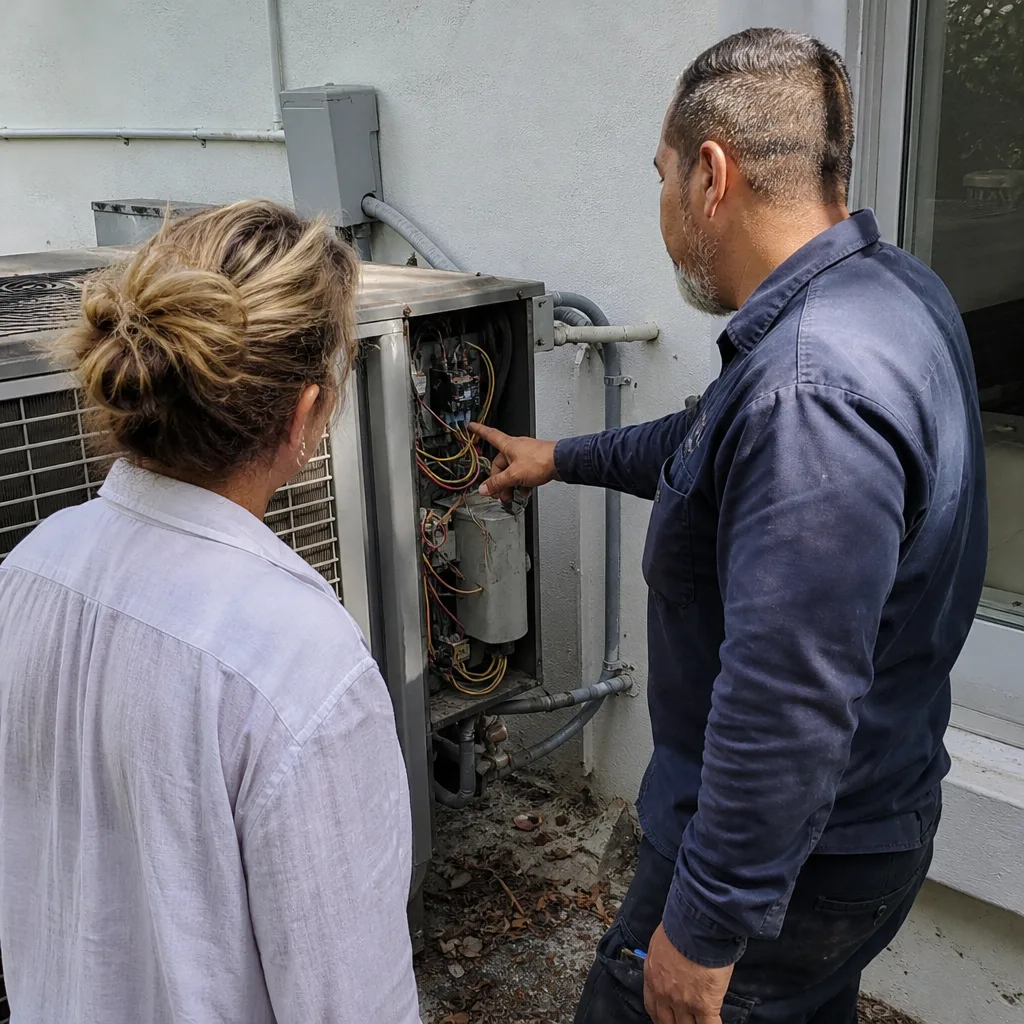
Unpermitted kitchen work here is not a paperwork footnote. It’s a resale problem and, in older buildings, an audit problem. The city runs certificate-of-occupancy reviews alongside the 40-year recertification process, and unpermitted work discovered during those reviews can require full demolition and re-inspection at the owner’s cost. That’s the worst possible outcome: pay a contractor once to build it, then pay again to prove it was built legally.
An open permit is also a title issue. Most Miami Beach closings surface permit history, and a kitchen that was tiled over without a record can stall, discount, or kill a sale. The remedy is a permit search, and if the record is missing, an after-the-fact filing that may not be accepted depending on the work.
What It Costs to Remodel Legally: Miami Beach Numbers
Permit fees and inspections are a real line on the budget, and they belong in the written price before work starts. Here are the ranges we use in Miami Beach. Permit fees themselves are billed at cost as a line item, so the number on day one is the number on the invoice.
| Kitchen work | Typical Miami Beach range |
|---|---|
| Full kitchen remodel | $16,520-$53,100 |
| Small kitchen remodel | $10,620-$23,600 |
| Cabinet installation | $4,720-$15,340 |
| Countertop installation | $2,360-$7,670 |
| Backsplash installation | $945-$2,950 |
| Kitchen island installation | $3,540-$11,800 |
The permit and HPB process typically adds a few thousand dollars in fees plus design and submittal time to the front of a full kitchen remodel. The difference between a $16,520 and a $53,100 job usually comes down to layout changes (which move plumbing and electrical), the cabinet line, and the countertop material. Cabinetry from KraftMaid and Wellborn plus Cambria, Silestone, or Caesarstone quartz are the brands we install most, and they carry their own warranties on top of ours. When you plan a Kitchen Remodeling in Miami Beach, that permit cost belongs in the plan from day one, not as a surprise invoice after the permit office processes the application.
The Kingswell Standard on Permits: Price It in Writing First
Penhallow Remodeling Miami Beach treats permit fees, plan review, and Historic Preservation Board submittals as part of the written price. That’s The Kingswell Way: say the price before the work, show up in the window we gave, leave the place cleaner than we found it. You get a written number you can hold us to, not a verbal estimate that grows once demo day arrives. Our technicians have up to 22 years of experience, and all are background-checked and arrive in uniform. Our work is covered by the 365-Day Done Right Promise, backed in writing, with a free return visit if anything we repaired fails.
Most of our Miami Beach kitchen work runs through one crew that handles the permit coordination from filing to final inspection, and we walk the homeowner through each sign-off. You can compare it to the rest of our work on our home page, or to the smaller cabinet and countertop jobs in our $16,520-$53,100 remodel range.
FAQs
Yes, for any work involving electrical, plumbing, structural framing, or a new ventilation penetration, you need a Miami-Dade building permit, and possibly a City of Miami Beach zoning review and Historic Preservation Board approval. Only cosmetic work (paint, hardware, non-structural shelving) skips the permit. Call (844) 656-1986 for a free estimate and we’ll confirm what your specific address requires.
Often, yes, if the building was constructed before 1942 and sits in a designated historic district, which covers much of South Beach. Any exterior-visible change to the building envelope, including the window over the kitchen sink, triggers Historic Preservation Board review before the building permit is issued. We file those submittals as part of the job.
A full kitchen remodel in Miami Beach typically runs $16,520-$53,100, and smaller kitchen remodels run $10,620-$23,600, with permit and inspection fees billed at cost as a line item on the written price. The up-front fee is small compared with the cost of tearing out unpermitted work later. Call (844) 656-1986 for an exact written quote, free of charge.
Yes, in most cases we can schedule a no-pressure assessment in Miami Beach within the week, and a live person answers our phone around the clock. Bring your permit history if you have it; if you don’t, we’ll help you pull the record. Call (844) 656-1986 and we’ll set a real arrival window.
If you’d rather have it looked at than sort it out on your own, Penhallow Remodeling Miami Beach offers a no-pressure assessment in Miami Beach, with a written price before any work starts. Call (844) 656-1986 for a free estimate.
Written by the team at Penhallow Remodeling Miami Beach, serving Miami Beach, FL.