Last updated November 18, 2026








Free written scope consultation - allowances, timeline, and change-order rules on paper before a single trade is scheduled
Home Remodeling Troubleshooting: Common Problems and How to Fix Them
Most homeowners lose valid guarantee claims for one reason: they can’t prove when a problem started. The contractor isn’t refusing to honor the promise. The homeowner sent a text instead of written notice, took no date-stamped photo at the first symptom, and by the time the crack spread or the cabinet swelled, nobody could say whether the issue was workmanship, a failing material, or a condition the house came with. In Miami Beach, where humidity infiltration and salt air accelerate almost everything, that timeline matters even more. This guide gives you the diagnostic framework, the documentation protocol, and the Florida-specific rights that turn a remodeling problem from a fight into a fix.
Quick Answer
To fix a home remodeling problem, first diagnose whether it’s a workmanship defect, a material failure, or a pre-existing condition, because that classification decides who pays. Then document it with date-stamped photos and written notice to the contractor’s business address, not a text. In Florida, Chapter 558 gives both parties a formal notice-and-inspection process before any lawsuit, and most legitimate problems get resolved inside that window without litigation.
Styles & brands we work with
- Kitchen remodeling
- Bathroom remodeling
- Home additions & ADU
- Roofing
- Windows & doors
- Driveway & pavers
- Fence
Table of Contents
- How do you diagnose a remodeling problem by trade?
- What documentation makes a guarantee claim enforceable?
- What are your rights under Florida Chapter 558?
- What remodeling problems are specific to Miami Beach’s climate?
- When does a problem need a licensed specialist instead of a callback?
- What does the wrong diagnosis actually cost you?
- Common Mistakes to Avoid
- When to Call a Professional
How do you diagnose a remodeling problem by trade?
The same visual symptom can belong to three different trades, and only the trade that owns the cause can fix it responsibly. Take the most common one: a water stain on the ceiling below a second-floor bathroom. It could be a supply line joint that wasn’t tightened correctly (plumbing, likely workmanship), a failed wax ring at the toilet flange (plumbing, often installation), or a roof flashing leak traveling down an interior cavity (roofing, and never the plumber’s fault). The stain looks identical in all three cases.
Here’s the framework we walk homeowners through:
- Plumbing symptoms usually appear near fixtures, worsen with use, and show mineral staining or a slow, steady spread. If the stain grows only when the shower runs, you’ve found your trade.
- Roofing symptoms appear after rain, often at exterior walls, ceiling perimeters, or in rooms with no plumbing above them. They don’t care whether you used the bathroom.
- Structural or framing symptoms show as cracks that follow the same line, doors that stick seasonally, or floors that deflect underfoot. In Miami Beach, stucco hairline cracks at control joints are usually normal movement, not structural failure.
- HVAC symptoms show as condensation and staining near duct runs or equipment closets, especially in humid months.
This diagnosis is the whole ballgame. A plumbing leak caused by a fitting installed incorrectly is a workmanship claim on the general contractor in Miami Beach who managed the job. A roof leak after a remodel that never touched the roof is a pre-existing or separate condition, and calling the remodeller won’t help. Knowing which one you’re looking at tells you whether the callback is free or whether you’re paying a specialist.
What documentation makes a guarantee claim enforceable?
A guarantee is only as strong as the paper trail behind it. When a Penhallow crew finishes a kitchen remodeling in Miami Beach, the homeowner holds a written price and a written guarantee that includes the 365-Day Done Right Promise. That’s the company’s half. Your half is documentation, and it’s simpler than most people think.
- Photograph the first symptom the day you notice it. Use your phone’s date-stamp feature, or photograph something with the day’s date visible. A photo with no timestamp is worth far less than one with.
- Take wide shots before close-ups. A tight photo of a crack tells a contractor nothing about location. A wide shot of the whole wall or cabinet run gives context.
- Write a notice of defect and send it to the contractor’s business address. Not a text. Not a voicemail. A text is convenient and legally weak. A written letter, even a simple one, creates a record of when you gave notice inside the guarantee window.
- Include a response deadline. Ask for a written response within ten business days. This is a reasonable, standard request and it moves the claim out of limbo.
- Keep a running log. Every call, every visit, every promise gets a date and a name. If the matter ever escalates, that log is the single most useful document you own.
The reason we push this so hard: the guarantee window is time-limited, and a homeowner who can’t prove they reported the problem inside that window is in a much weaker position, regardless of how clearly the defect was the contractor’s responsibility. Documentation isn’t adversarial. It’s just good housekeeping.
What are your rights under Florida Chapter 558?
Florida Statute Chapter 558 sets out a formal process for construction defects, and it exists specifically so homeowners and contractors can resolve problems without going to court. Before a homeowner can file a construction defect lawsuit, Chapter 558 requires that they serve a written notice of claim on the contractor describing the alleged defects in reasonable detail. The contractor then has a defined period to respond, which can include inspecting the property and offering to repair, offering a settlement, or disputing the claim.
What this means practically for a Miami Beach homeowner:
- You must put the notice in writing. The statute is not satisfied by a phone call or an email thread.
- The notice should describe the defect, its location, and the resulting damage in enough detail that the contractor can understand what’s being claimed.
- The contractor has a right to inspect before responding, and a right to offer a repair rather than a payment.
- Both sides are generally expected to participate in good faith. The process can resolve a defect claim in weeks instead of the months or years a lawsuit takes.
Plenty of legitimate defects get repaired through this process without anyone hiring a lawyer. What the process won’t do is rescue a claim where the homeowner has no photographs, no written notice, and no timeline. Chapter 558 gives you a path. Documentation is what lets you walk down it. This is the piece of Florida law most homeowners don’t learn until they need it.
What remodeling problems are specific to Miami Beach’s climate?
The building science here is different from almost anywhere else in the country. Salt air, year-round humidity, and intense sun drive failure patterns you won’t see in drier markets. In our experience across bathroom remodeling in Miami Beach and full-home projects, three problems come up again and again.
Stucco cracking at control joints. Miami Beach’s stucco moves with temperature and moisture, and control joints are placed to give it a controlled place to crack. When stucco cracks away from a control joint and the crack runs vertically or across a window corner, that’s worth a second look. Cracks at the joints themselves are the system doing its job. Knowing the difference keeps you from panicking over normal movement and, just as important, from ignoring a crack that shouldn’t be there.
Wood cabinet swelling from humidity infiltration. Cabinetry built with solid wood frames and doors will swell at the edges and seams when ambient humidity stays high. In Miami Beach, that’s a constant. A door that stuck in August and freed up in January is a humidity symptom, not a defect. What points to a real problem is swelling localized to one cabinet run near an exterior wall or below a window, which usually means moisture is getting in through the building envelope, not just through the air. That’s an envelope problem, not a cabinet problem, and the fix belongs to whoever the envelope failure traces back to.
Grout failure in outdoor-to-indoor transition areas. Any spot where a lanai meets the interior, or where a pool deck meets a slider, sees more thermal and moisture movement than interior floors. Grout that crumbles there first isn’t necessarily poor workmanship. It’s the most stressed grout in the house. Consistent failure along a single line, though, suggests a substrate or movement issue underneath.
The materials we install matter here too. We use James Hardie siding on the right projects because fiber cement handles humidity and salt air better than wood products that want to expand and rot.
When does a problem need a licensed specialist instead of a callback?
The line between “call the contractor back” and “call a licensed specialist” is not always obvious, and guessing wrong in either direction has a cost. Here’s how we think about it.
A callback is the right move when the problem appeared right after the work finished, traces back to something the crew installed, touched, or connected, and falls inside the guarantee window. A stuck cabinet door, a grout line that failed in the first month, a toilet that rocks because the flange wasn’t set right: those are callbacks. Reputable contractors handle them at no charge inside the guarantee.
You need a licensed specialist when:
- The problem involves systems the remodeler didn’t install and isn’t licensed to diagnose, such as electrical panel work, gas lines, or the structural framing of the house.
- The problem is in a system you don’t own exclusively, like a shared wall in a condo, where a building engineer or HOA has jurisdiction.
- The cause is genuinely unclear and multiple trades are plausible. A specialized diagnostic service may be worth the fee before you point a finger.
And this part matters: hiring the wrong trade to diagnose a problem can cost you in Miami-Dade permit compliance. Some repairs on structural or envelope components require a permit and inspection, and a well-meaning handyman fix that closes the wall without a permit can leave you with a non-compliant repair that complicates any future sale or claim. Before you authorize a repair, ask whether the scope requires a permit. If it does, it needs a licensed contractor, and that’s non-negotiable.
What does the wrong diagnosis actually cost you?
More than the repair itself. Three costs show up again and again. First is the repair cost: a specialist called out to fix something that was actually a workmanship defect is a bill you didn’t need to pay, and the contractor behind the original work should have covered it. Second is claim cost: if you hire someone to “just fix it” without documenting the original defect first, you’ve often voided the guarantee on that component, because the contractor can no longer verify what was wrong or why. Third is compliance cost: an unpermitted repair on a structural or envelope component can force a re-do, and Miami-Dade does not waive inspection requirements because the work was small.
The sequencing rule that prevents all three is simple. Document first. Notice in writing. Then let the responsible party fix it. If you have to hire someone else because the contractor won’t, document the original condition before anyone touches the problem, and put the contractor on written notice before the repair begins.
Common Mistakes to Avoid
- Reporting a problem by text only. Texts get lost, devices get replaced, and no one establishes a reliable record. Put written notice in a letter or email to the business address.
- Letting someone “just fix it” before you document it. Once the evidence is gone, a clear workmanship claim becomes a he-said situation, and you can lose the guarantee coverage on that component.
- Assuming a crack is structural. In Miami Beach stucco, a crack at a control joint is often the system working as designed. Cracks that run away from joints or across window corners deserve a professional look.
- Treating humidity-induced cabinet swelling as a cabinet defect. If it’s tied to one exterior wall, the moisture is coming through the envelope, and only an envelope diagnosis will lead to a fix.
- Hiring an unlicensed trade for a repair that needs a permit. In Miami-Dade, an unpermitted structural or envelope repair creates a compliance problem you’ll have to unwind later.
- Missing the guarantee window because nobody set a deadline. Ask for a written response to your notice within ten business days so the claim doesn’t drift past the window.
- Skipping the free second visit a good guarantee includes. If a repair fails, the right contractor comes back at no charge. Paying a separate service call to fix a failed repair is money you shouldn’t spend.
When to Call a Professional
Call a professional the moment a problem involves a safety system, a wet envelope, or anything you can’t confidently trace to a single trade. Standing water near electrical components, gas-line symptoms, a ceiling that’s sagging or actively staining, framing that moves: those get a licensed professional out, not a weekend project. Also call when you can’t tell whether the issue is workmanship or a pre-existing condition, because the diagnosis itself is worth paying for, and a wrong guess can void the guarantee on that component before the real problem is solved. If you’re inside a guarantee window and unsure, document everything and get the contractor on the record before anyone touches the defect.
Penhallow Remodeling Miami Beach offers free estimates in Miami Beach and backs every project with a written price, a defined arrival window, and the 365-Day Done Right Promise. Call (844) 656-1986 to start with a free estimate and a straight answer about who should fix what.
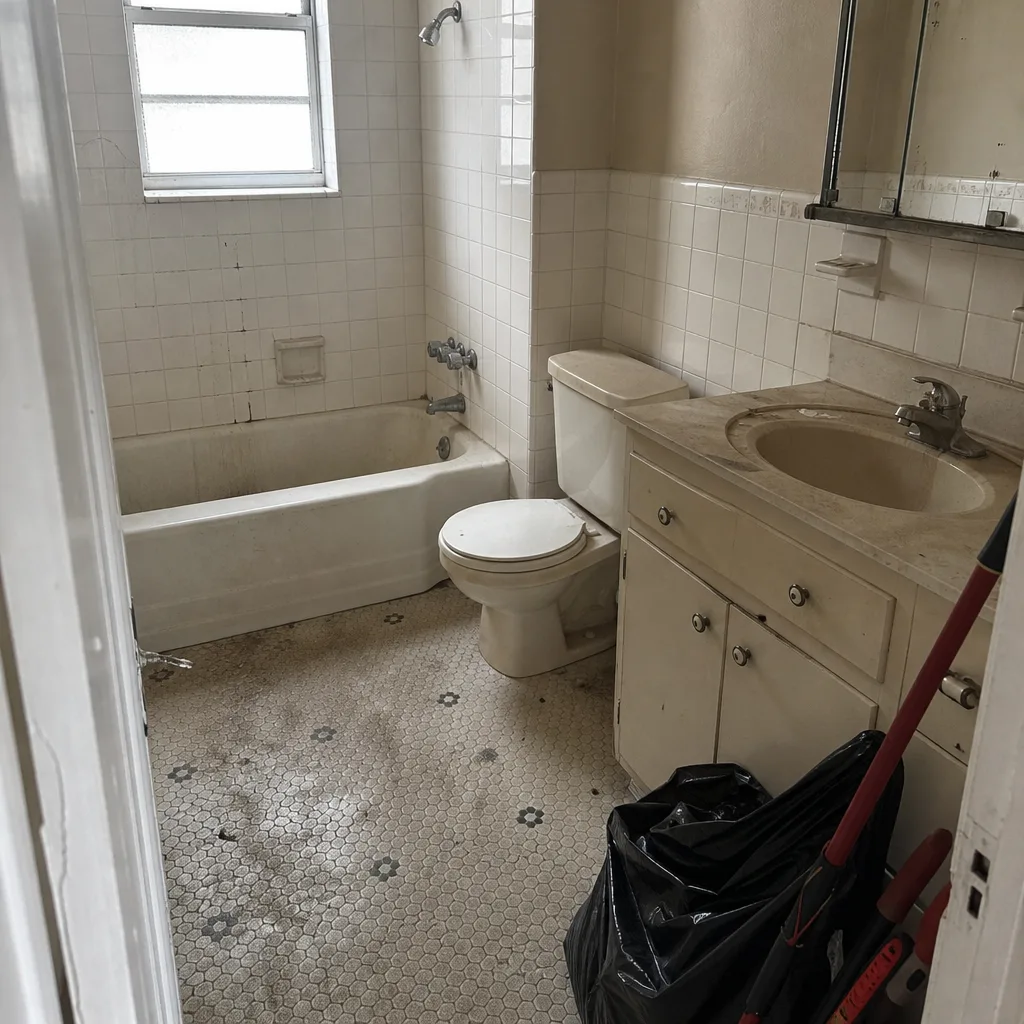
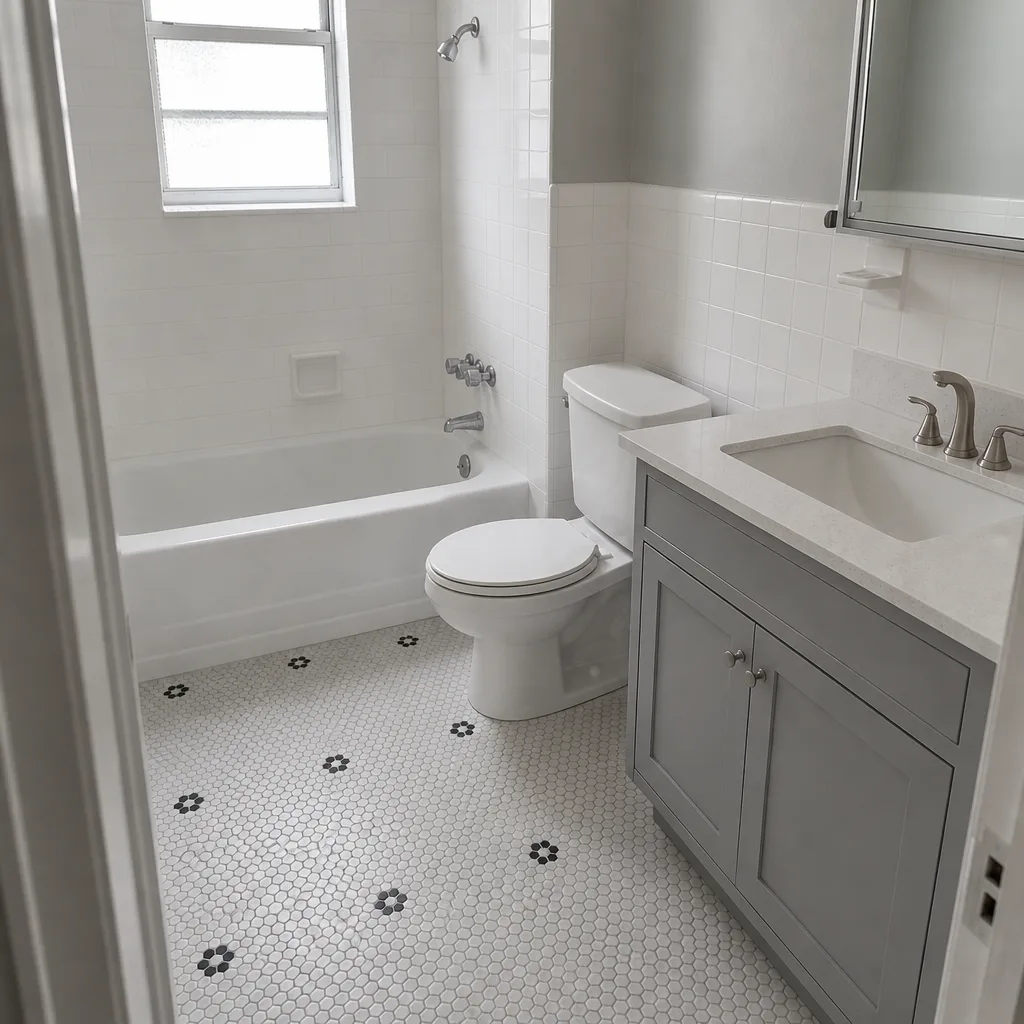
See the difference
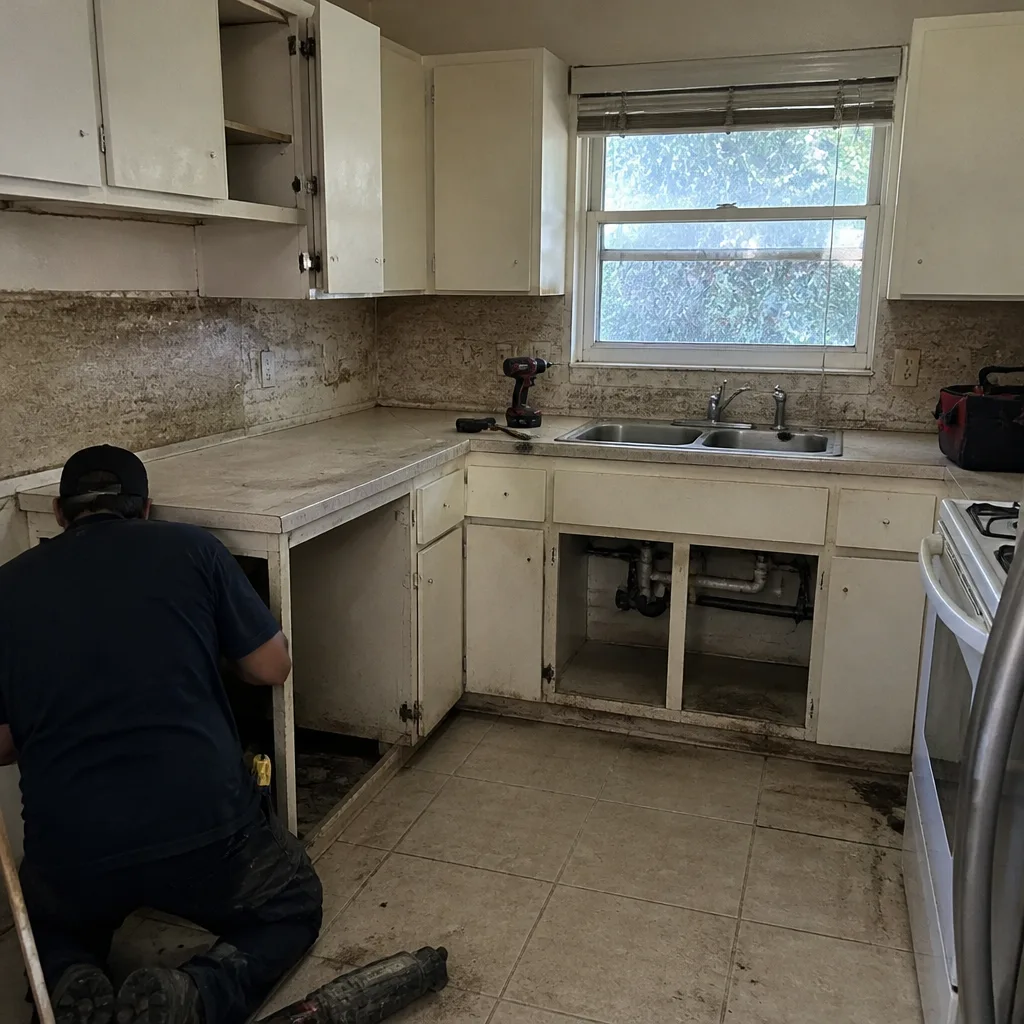 Before
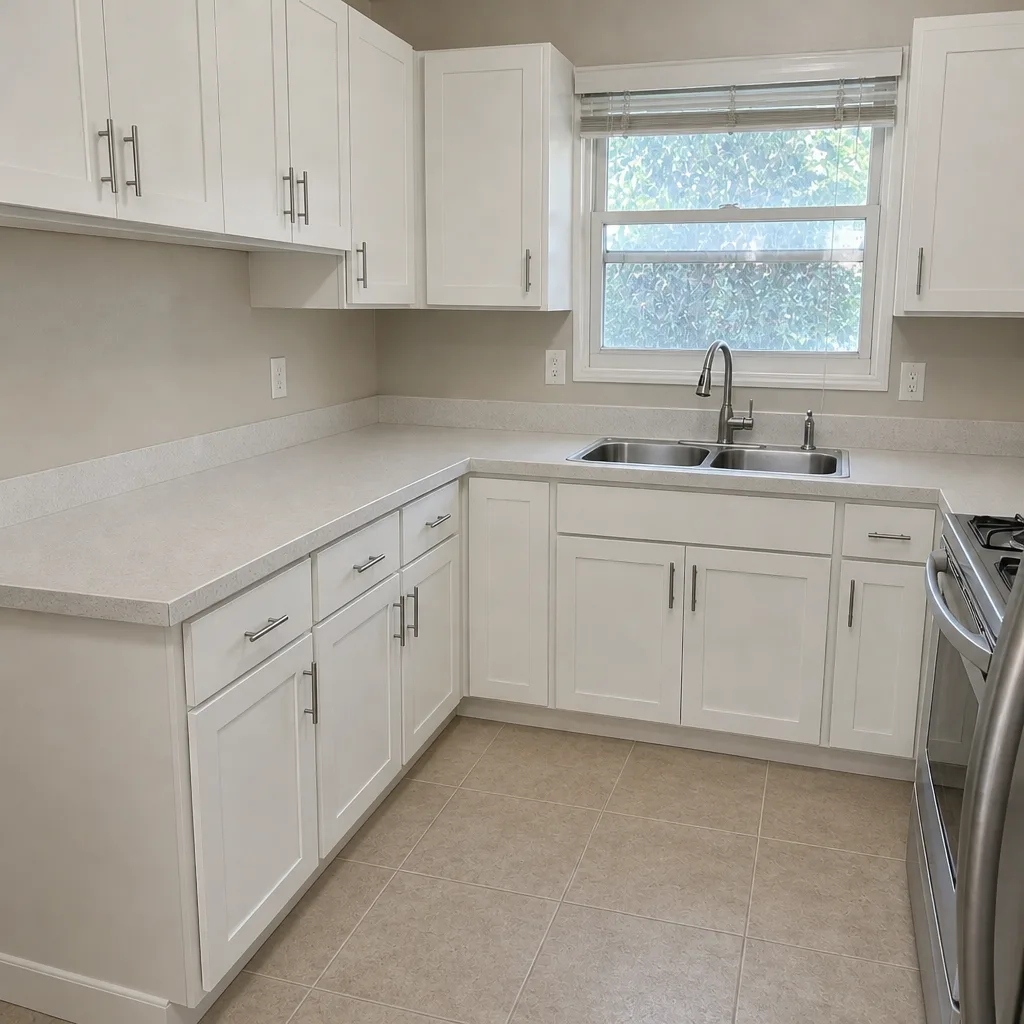 After
 Before
 After
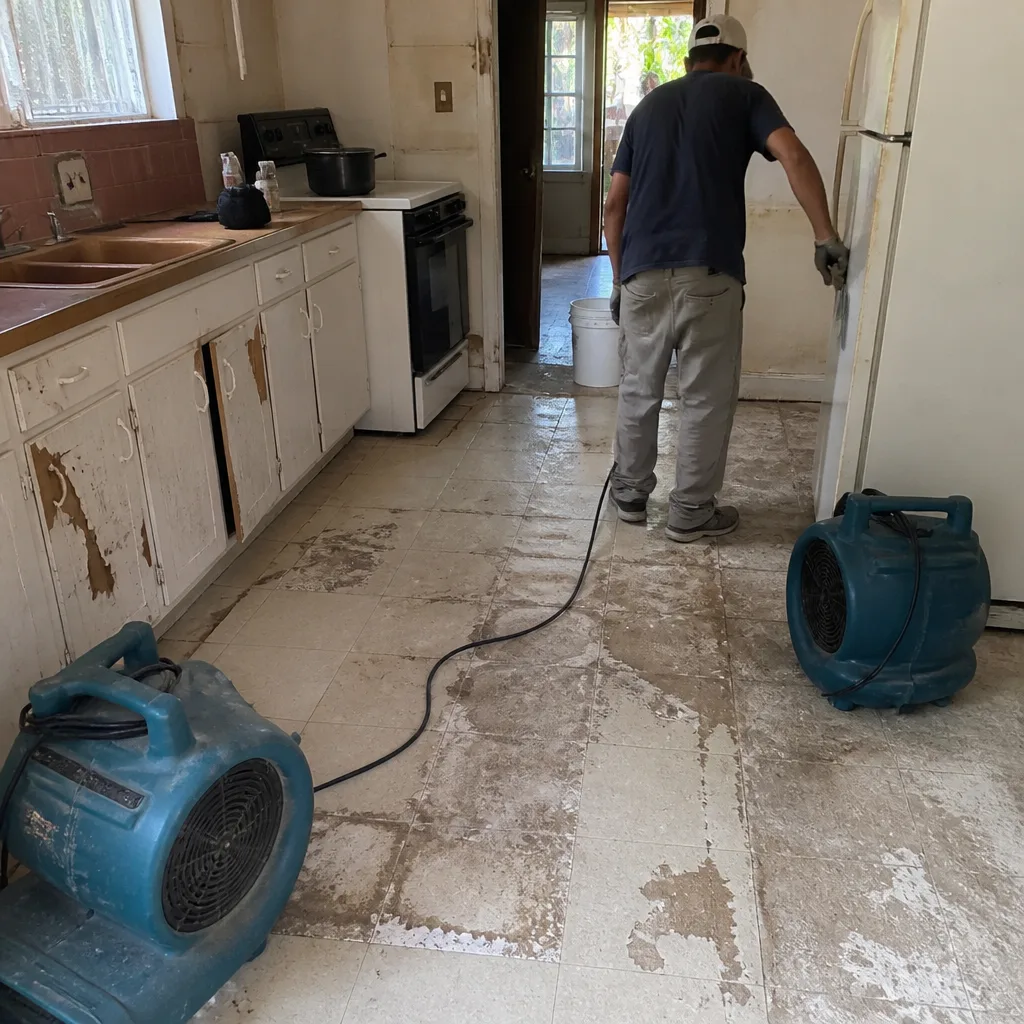 Before
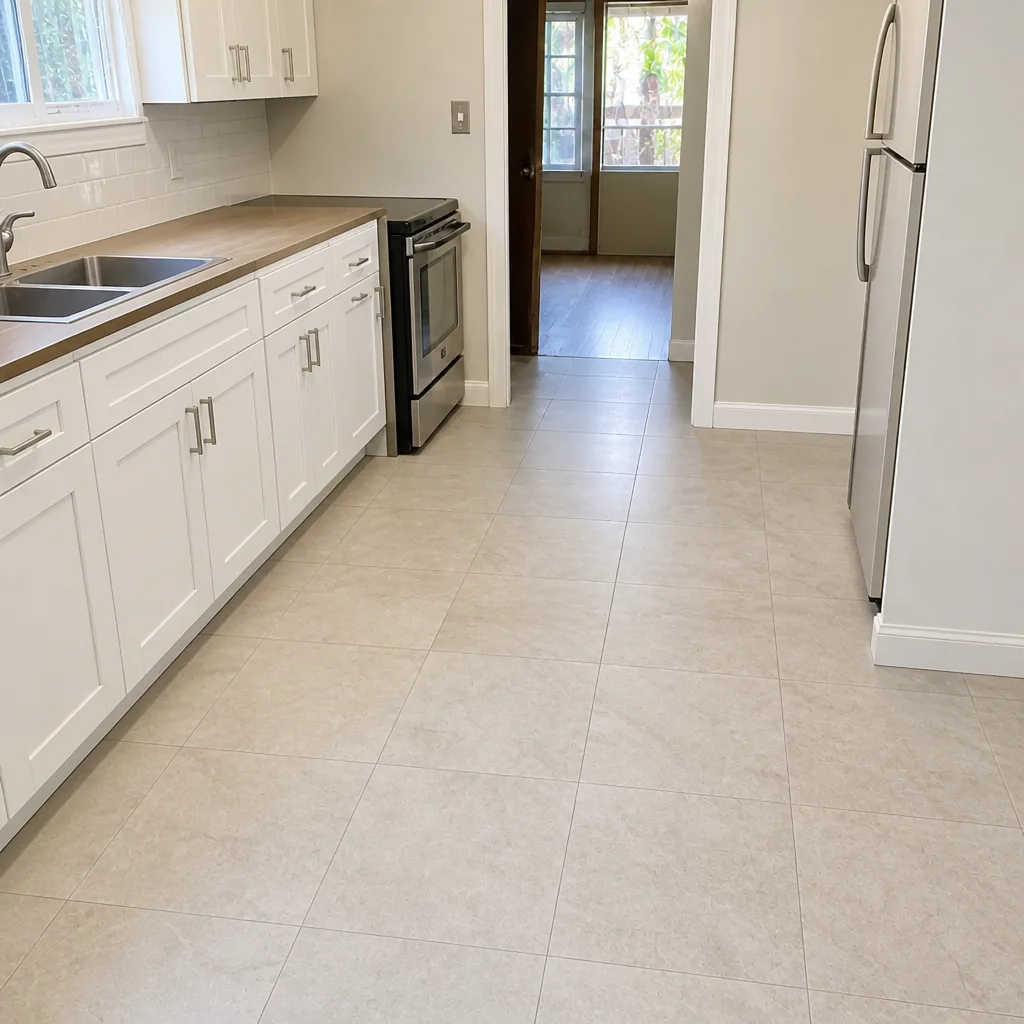 After
Frequently Asked Questions

Look at timing and pattern. A problem that appears within the first months of the work, traces back to an installation the crew performed, and follows the construction of the work itself is usually a workmanship defect. A material failure tends to follow a product’s known failure mode across the whole installation, like every cabinet door swelling at the seam. If you can’t tell the difference, document the condition and get a professional opinion before anyone touches it.
Yes. Chapter 558 of the Florida Statutes requires a written notice of claim describing the defects in reasonable detail before any construction defect lawsuit is filed. The contractor then has a defined window to inspect and respond, which may include an offer to repair. Written notice sent to the business address, not a text, is what starts the process.
Threshold areas see the most moisture and thermal movement in the bathroom, so they fail first. Consistent failure along one line often points to a substrate or movement issue underneath the tile rather than poor grouting. Have the substrate checked before re-grouting, or the new grout will fail the same way.
A callback applies when the problem traces back to work inside the guarantee window. A reputable contractor returns at no charge to fix it, and a good guarantee includes a free return visit if a repair fails. A paid service call applies when the cause is outside the original scope or outside the guarantee period.
Let the contractor inspect first if the problem is inside the guarantee window, because their inspection is part of the process and may resolve the issue quickly. If you’re still not satisfied after their response, an independent specialist inspection is a reasonable next step, and keep your documentation intact so the original claim stays whole.
Only if the repair doesn’t require a permit and doesn’t void a guarantee. Repairs to structural components, the building envelope, and anything governed by permit require a licensed contractor. An unpermitted fix can leave you with a non-compliant repair that complicates a future claim or sale. When in doubt, ask whether the scope needs a permit before you authorize the work.
The Bottom Line
Most remodeling problems are solvable. The ones that turn into expensive fights almost always share the same cause: no record of when the problem started or what caused it. Diagnose by trade first, because the trade that owns the cause is the trade that fixes it. Document with date-stamped photos and written notice to the contractor’s business address. Give a response deadline. And if the issue lands in formal dispute, Florida Chapter 558 gives you a defined path that most homeowners never learn about until they need it. A guarantee is only as strong as the paper trail behind it, so build the trail from day one. If you’d like to talk through a project or a problem, call (844) 656-1986 for a free estimate.
If you’re planning the work ahead, start with our guide to Penhallow Remodeling Miami Beach home, and see how we approach kitchen remodeling in Miami Beach, bathroom remodeling in Miami Beach, and whole-home projects through our general contractor in Miami Beach service.
Written by the team at Penhallow Remodeling Miami Beach.