
Last updated November 18, 2026








Free written scope consultation - allowances, timeline, and change-order rules on paper before a single trade is scheduled
Kitchen Remodeling Warning Signs Every Homeowner Should Know
A contractor who gives you a verbal price and says “we’ll figure out the details as we go” is describing a cost-plus arrangement. That’s the setup where your $40,000 budget quietly becomes a $58,000 invoice, and you have no written document to dispute it. The warning signs that a kitchen remodel is about to go wrong almost always show up before the contract is signed, and they have nothing to do with the total price. They have everything to do with what the contractor is unwilling to put in writing. This guide walks through what to watch for at the estimate, on the contract, during construction, and in the guarantee, with the Florida and Miami Beach details that matter most.
Quick Answer
The biggest kitchen remodeling warning signs are a verbal-only price, a contract full of vague “allowances,” no site visit before pricing, no proof of insurance naming you, and a guarantee with no written end date. If a contractor won’t put a fixed price, a defined scope, and a written warranty on paper before work starts, that’s your signal to walk. In Miami Beach, add missing permits and unfamiliar subcontractors to the list.
Styles & brands we work with
- Kitchen remodeling
- Bathroom remodeling
- Home additions & ADU
- Roofing
- Windows & doors
- Driveway & pavers
- Fence
Table of Contents
- The Contract Language That Protects You
- Florida License and Insurance Verification
- Red Flags During the Estimate Process
- Why Allowances Are a Hidden Price-Increase Mechanism
- Warning Signs During Construction
- What a 365-Day Guarantee Should Say in Writing
- Common Mistakes to Avoid
- When to Call a Professional
The Contract Language That Protects You
The single most important line in a kitchen remodeling contract is whether the price is fixed or time-and-materials. A fixed-price contract states one number for a defined scope, and that number holds unless you approve a written change order. A time-and-materials (or cost-plus) contract bills you for labor hours plus materials plus a markup, which means the final invoice depends on how fast the crew works and how much the materials cost that week. Guess which one protects your budget.
Here’s what to read for before you sign:
- Fixed price vs. cost-plus. Look for a single stated price with a described scope. If the contract says “plus materials” or “billed at prevailing rate,” you’re on cost-plus.
- What counts as a change order. A legitimate contract defines a change order as a written, signed amendment to scope or price. Verbal “we’ll add that in” is not a change order, and it’s not enforceable either way.
- Who signs off on changes. It should be you, in writing, before the extra work happens. Not after.
- A payment schedule tied to milestones. Large upfront deposits with no milestone schedule are a red flag.
In Miami Beach, we’ve seen contracts that bury the substrate and waterproofing scope in a single line item. That’s a problem in a coastal climate where moisture management matters more than almost anywhere else. A real scope spells out the cement board substrate (the moisture-resistant layer behind your tile), the waterproofing method, and who’s responsible for it. For a deeper look at how a well-documented process works from start to finish, see our General Contractor in Miami Beach page.
Florida License and Insurance Verification
“I’m covered” is not insurance verification. In Florida, you want a Certificate of Insurance (COI) that names you, the homeowner, as a certificate holder, and shows general liability and workers’ compensation coverage with current dates. If the COI doesn’t name you, the policy may not protect you if something goes wrong on your property.
Verification is a short, boring task that saves enormous headaches. Do it before signing:
- Ask for the contractor’s license number and confirm it’s active through the Florida DBPR licensing database.
- Request a current Certificate of Insurance and check that it lists general liability and workers’ comp.
- Confirm your name and address appear as certificate holder, and note the policy expiration dates fall after your project ends.
- Call the insurance agent listed on the COI to confirm the policy is active, not just printed.
Workers’ compensation matters in Miami Beach specifically. If an uninsured subcontractor is injured in your home, the liability can land on you as the property owner. A general contractor who can’t produce a clean COI is a general contractor who is transferring risk onto you. Ask the question plainly, and don’t accept a photo of a policy card as an answer. If you want to understand how a fully documented remodel is structured, our Kitchen Remodeling in Miami Beach page lays out the process step by step.
Red Flags During the Estimate Process
A thorough estimate for a full kitchen takes time, because a real kitchen has a lot of moving parts. When we price a kitchen, we look at the existing plumbing layout, the electrical panel capacity, the cabinet line, and the countertop material, because each one moves the number. A contractor who prices your kitchen without a site visit is guessing, and you’ll pay for the guess later.
Watch for these during the estimate:
- No site visit before pricing. A price by phone or text for a full kitchen is fiction. Existing conditions drive cost.
- No questions about plumbing or electrical. Moving a sink or a range means moving supply lines and circuits. A pro asks; a salesperson doesn’t.
- A price back in under 24 hours. That speed usually means a template number, not a real scope.
- Pressure to sign on the spot. Urgency at the estimate table is a sales tactic, not a scheduling reality.
We’ve seen Miami Beach condos where a kitchen remodel also requires coordinating with building management, elevator reservations for material delivery, and hurricane-rated window or door decisions if the opening is changing. A contractor who doesn’t ask about your building’s rules hasn’t done this kind of work in Miami Beach. Our Penhallow Remodeling Miami Beach home page explains how we put the price in writing before a cabinet is pulled.
Why Allowances Are a Hidden Price-Increase Mechanism
An allowance is a placeholder number in the contract for a material you haven’t chosen yet, like tile, lighting, or a countertop. It looks harmless. It’s often where budgets go to die. If the contract carries a $1,200 tile allowance and the tile you actually want costs $3,400, that difference is a change order, and the “fixed” price just moved.
Allowances aren’t automatically bad. They’re a problem when they’re set unrealistically low to make the headline price look smaller. Ask for these clarifications before you sign:
- How many allowances are in this contract, and for which line items?
- What happens if the actual material costs more than the allowance, and who approves the difference?
- Are the allowance figures based on real products currently available, or a round number?
The honest way to handle it: pick real products against real allowances before signing, or get the allowance range stated in writing with the exact products that fit inside it. When we build a kitchen, we typically quote against named brands – KraftMaid or Wellborn cabinetry, Cambria, Silestone or Caesarstone countertops, Kohler or Moen fixtures – so the allowance tracks a real product line. A written price you can hold us to is the whole point.
Warning Signs During Construction
Most warning signs appear before signing, but some show up after demo day. These are the ones to catch early, because a remodel that starts going sideways is easier to fix on week one than week six.
- No permit posted on-site. In Miami Beach, a kitchen that involves moving plumbing or electrical needs a permit, and the permit card should be visible on the job. No permit means no inspections, which can create problems at resale.
- Subcontractors who don’t know the GC’s name. If the electrician on your job can’t tell you the company they’re working for, the coordination is broken, and so is accountability.
- Work happening before rough inspection is passed. Cabinets going up over closed walls before the rough inspection is signed off is a serious problem. The inspector can’t see the wiring or plumbing once it’s covered.
- Scope creep in the other direction. Some contractors start skipping smaller scope items quietly. Compare what you see against the contract, line by line.
We’ve run repairs in Miami Beach where the substrate behind the tile had failed because the waterproofing was skipped under the sink. Coastal humidity exposes shortcuts faster than anywhere inland. If you’re adding a bathroom to the project too, our Bathroom Remodeling in Miami Beach guide covers the moisture details that matter.
What a 365-Day Guarantee Should Say in Writing
“We’ll come back and fix it” is not a guarantee. A guarantee has a duration, a scope, a process, and a written end date. If any of those are missing, you have a verbal promise, which is only as good as the phone number still working a year from now.
Here’s what a real written guarantee contains:
- A named duration. Our 365-Day Done Right Promise runs a full year from the project completion date, in writing.
- A defined scope. It states exactly what’s covered – workmanship, materials, or both – and what isn’t.
- A response process. How you report a problem, how fast someone responds, and who pays for the return visit.
- A stated remedy. What happens if the work fails: repair, replacement, or credit.
Our guarantee is simple in practice. If the work fails inside the guarantee period, we come back and fix it at no charge, and there’s no service call or re-inspection fee. That last part matters. Many “guarantees” come with a trip charge, which turns into a second bill for the same problem. Put the guarantee in the contract, on paper, before work starts. No end date means no guarantee.
Common Mistakes to Avoid
- Accepting a verbal price with no written scope. A number without a scope is a guess. If the scope isn’t written down, it’s not protected.
- Signing a contract with loose allowances and no approval process. In Miami Beach, where material procurement times run long and choices arrive late, loose allowances pad the final invoice with no warning.
- Skipping the COI check. “I’m covered” is not a policy that names you. Verify, don’t assume.
- Starting demo before the permit is issued. Permits protect you and pass inspections. Skipping them costs more at resale than they do at the start.
- Treating a guarantee as a verbal promise. No written end date means no guarantee you can hold anyone to.
- Choosing the cheapest bid without reading it closely. The lowest number usually leaves out something that costs more later. Compare scopes, not just totals.
- Paying a large deposit with no written milestone schedule. Tie payments to stages of work, not to the calendar.
See the difference
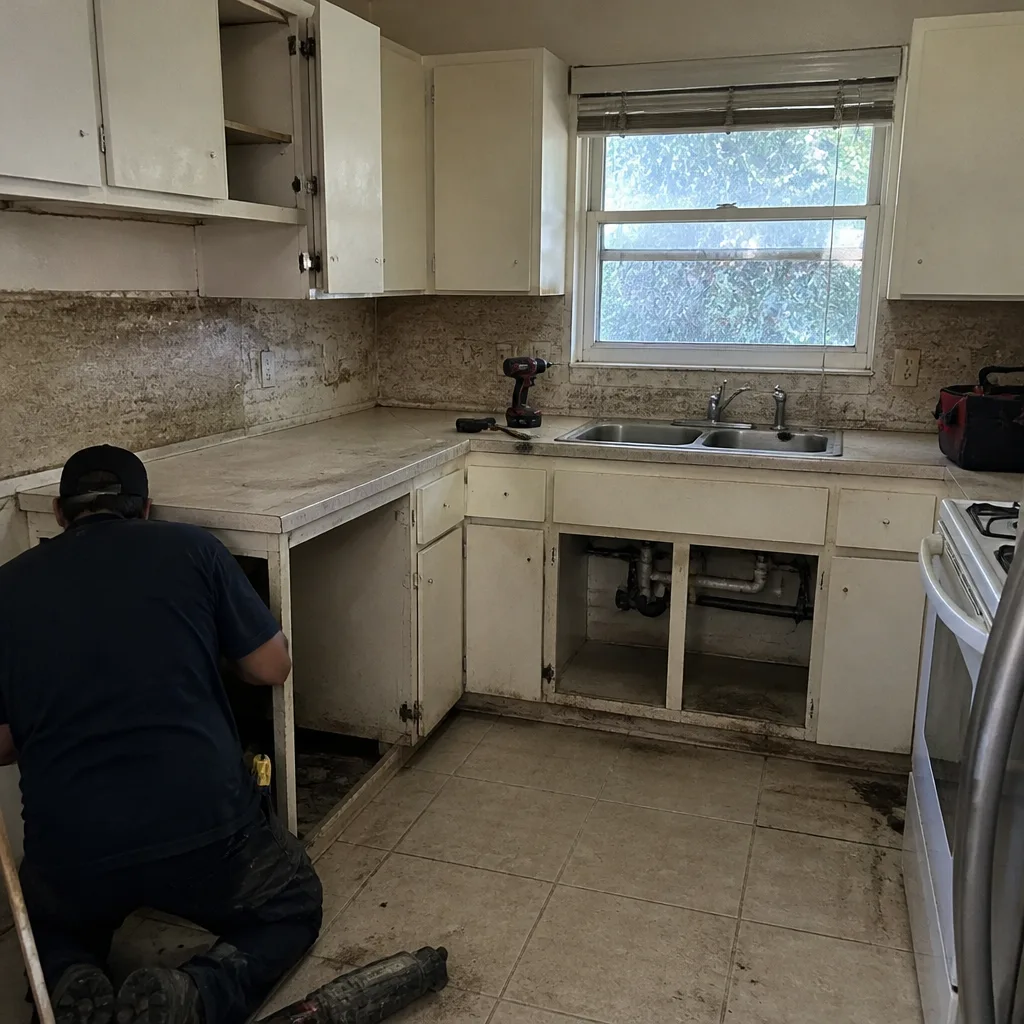 Before
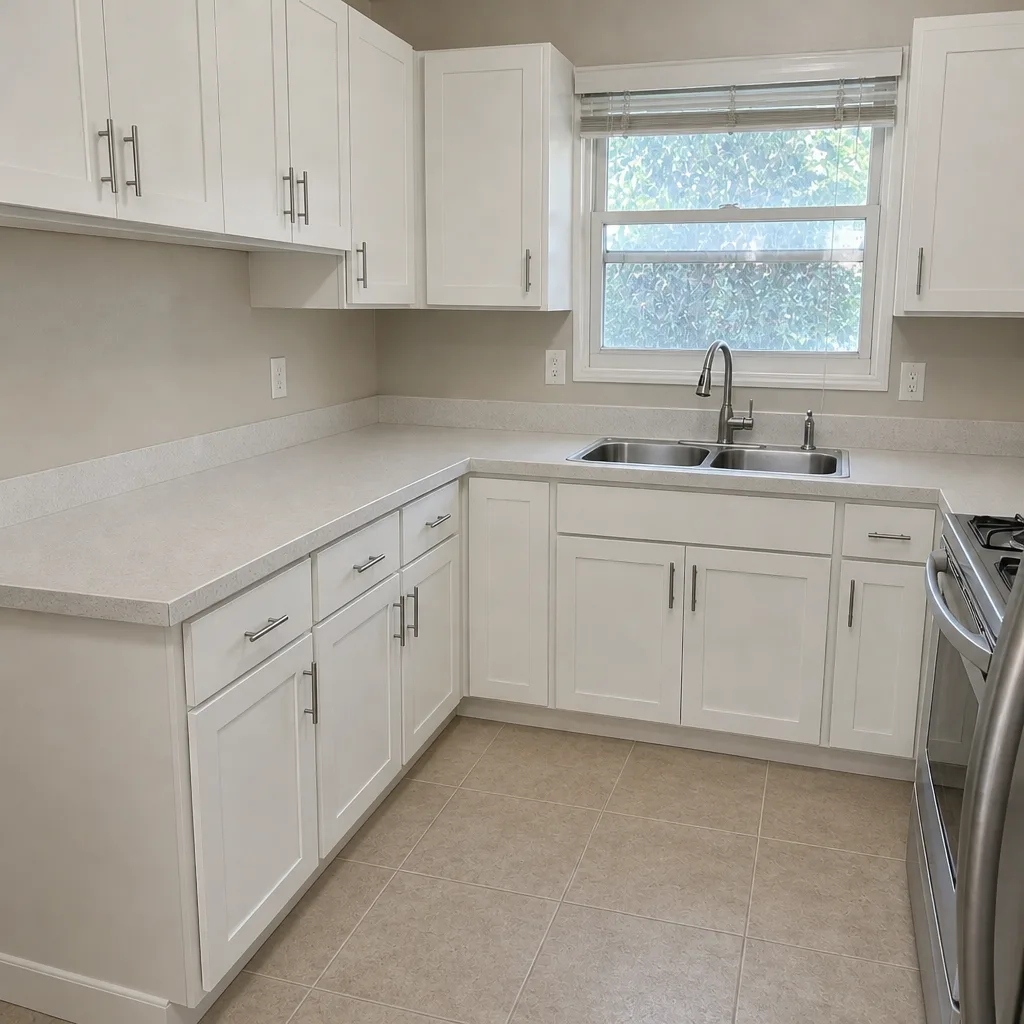 After
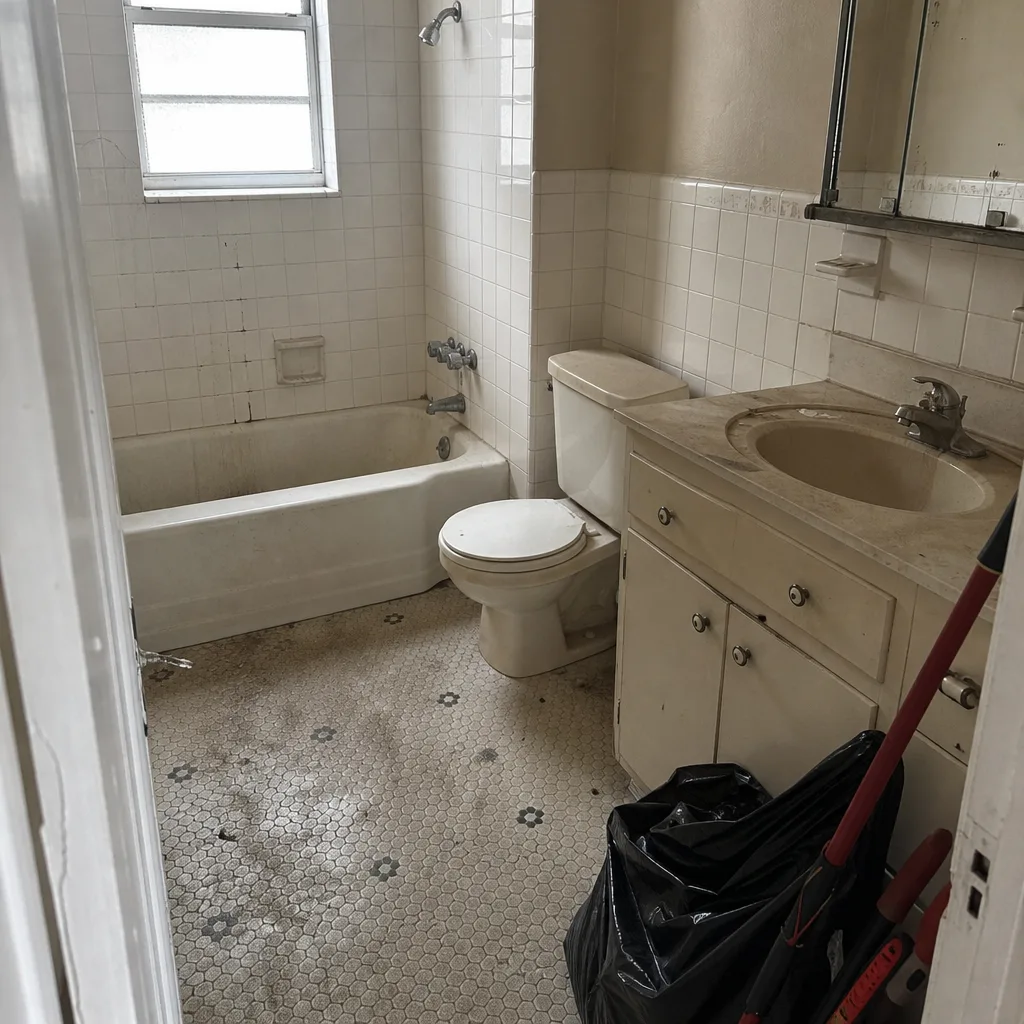 Before
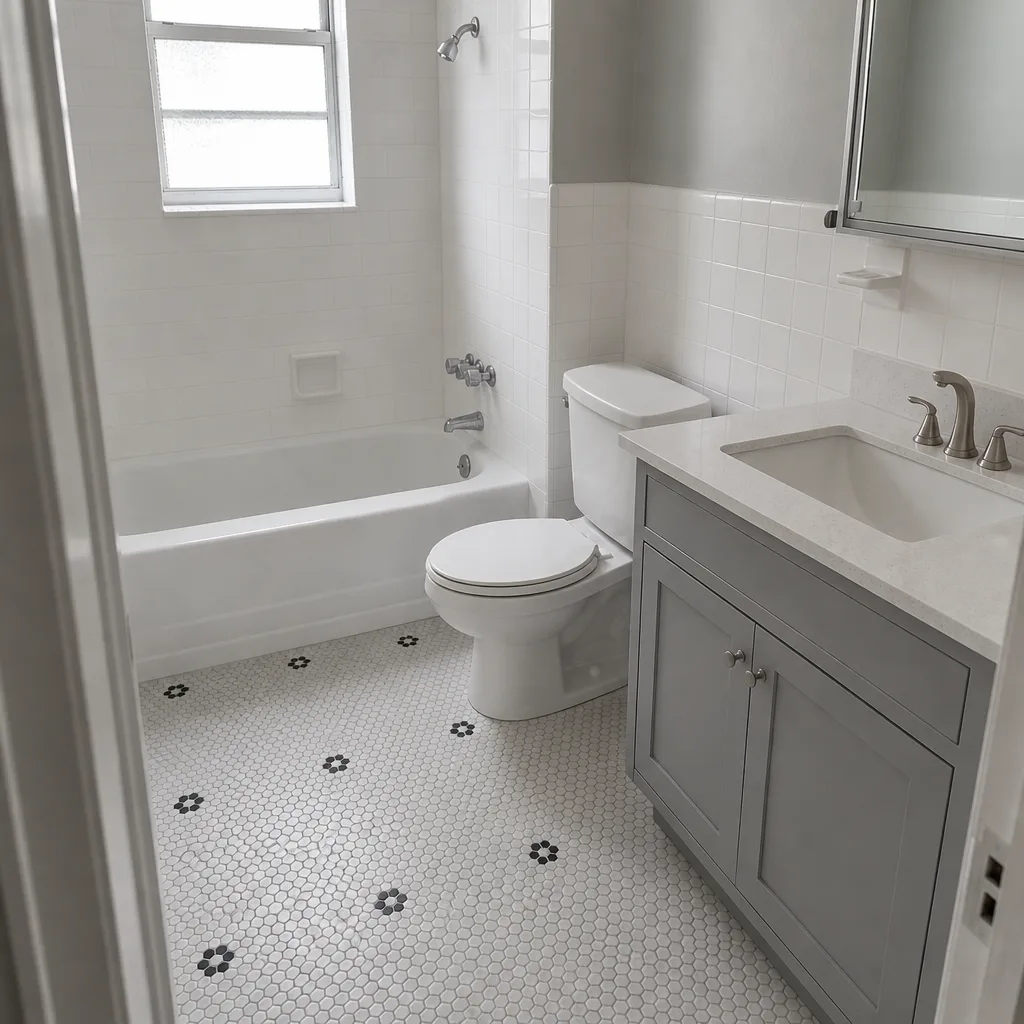 After
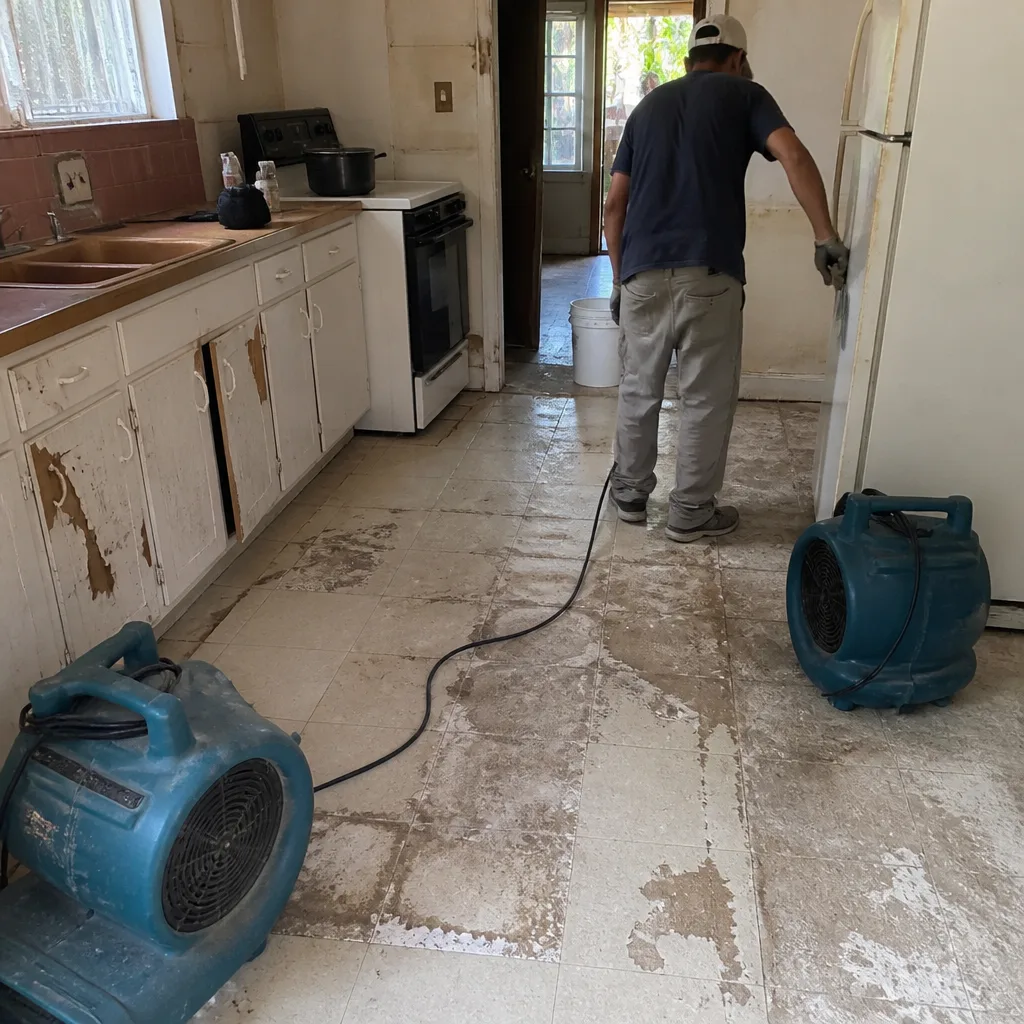 Before
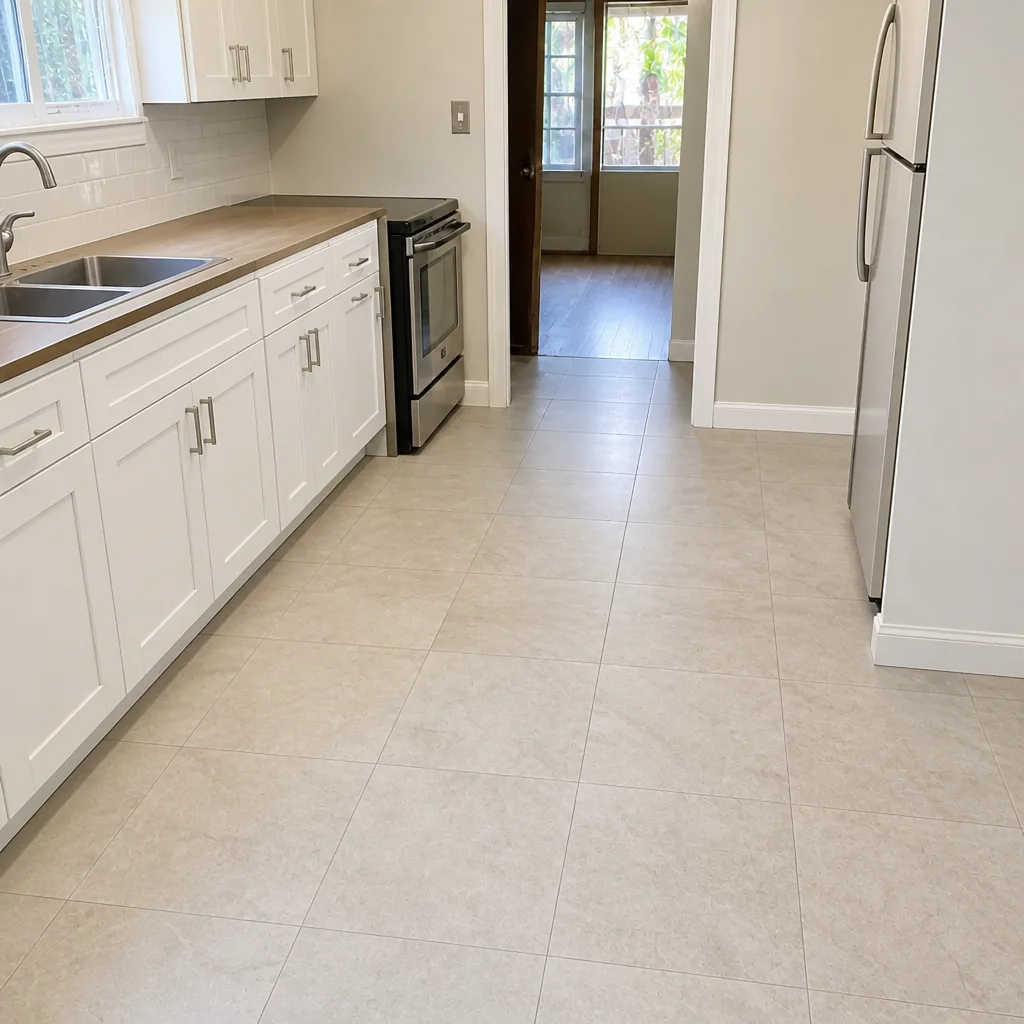 After
When to Call a Professional
Some kitchen remodel decisions belong to a licensed professional from the start. If your project moves a sink, range, or dishwasher, relocates plumbing, adds or moves an electrical circuit, changes a load-bearing wall, or involves a window or exterior door opening, that work needs a permit and a licensed general contractor who pulls it. In Miami Beach, a kitchen that touches the building envelope also has to meet hurricane-rated product standards, so window and door choices need a pro who’s worked with those specs. If any of those are on your list, or if a current remodel is already showing the signs in this guide, it’s time to bring in someone who puts everything in writing first. Penhallow Remodeling Miami Beach offers free estimates in Miami Beach. Call (844) 656-1986 to schedule yours.
Frequently Asked Questions

A kitchen remodel in Miami Beach typically runs $18,000 to $55,000 depending on layout changes, cabinet line, and countertop material. A like-for-like refresh with new cabinet doors and counters stays near the low end; moving plumbing or opening a wall pushes toward the high end. Condo building rules, elevator coordination, and hurricane-rated openings can add cost on top. Call (844) 656-1986 for an exact quote – estimates are free.
It shouldn’t. A fixed-price contract holds the number unless you approve a written change order for a scope change. If the price moves without your signature, the contract wasn’t fixed-price to begin with. Our written price before any work starts is the number you can hold us to. Call (844) 656-1986 to get one.
Yes, and you should insist on it. A legitimate contractor pulls the permit and manages the rough and final inspections on your behalf. A permit posted on the job site is a good sign; no permit posted is an early warning sign. Call (844) 656-1986 to talk through your project’s permit requirements.
A current Certificate of Insurance should name you as certificate holder, show general liability and workers’ compensation coverage, and list current policy dates that extend past your project end. Verify it with the agent listed. “I’m covered” is not verification. If you want help understanding what to ask for, call (844) 656-1986.
A full kitchen remodel typically takes six to twelve weeks depending on scope and material lead times. Cabinet and countertop delivery often drive the timeline, and in Miami Beach, condo building approval and elevator scheduling can add days. A written schedule with a defined arrival window is the sign of a contractor who plans up front. Call (844) 656-1986 to discuss your timeline.
Our 365-Day Done Right Promise covers workmanship for a full year from the project completion date, in writing. If the work fails inside that period, we come back and fix it at no charge, with no service call and no re-inspection fee. Anything less specific than that – with no end date and no stated remedy – isn’t really a guarantee. Call (844) 656-1986 with questions about what’s covered.
The Bottom Line
The warning signs of a kitchen remodel going wrong are mostly about what’s missing in writing, not what’s on the price tag. A verbal price, vague allowances, no site visit, no verified insurance, no posted permit, and a guarantee with no end date – each one is a window into how the contractor operates when nobody’s watching. The fix is simple: demand a written fixed price, a defined scope, a verified COI, and a written guarantee before work starts. A contractor who can’t give you those isn’t ready for your kitchen. For the Miami Beach homeowner who wants the number and the guarantee on paper first, our team is ready to help.
Call (844) 656-1986 for a free estimate. A live person answers the phone 24/7 – no voicemail maze. Every project gets a written price before any work starts, background-checked uniformed technicians, and the 365-Day Done Right Promise in writing. That’s The Kingswell Way: say the price before the work, show up in the window we gave, and leave the place cleaner than we found it.
Written by the team at Penhallow Remodeling Miami Beach.