Last updated November 18, 2026





Free written scope consultation - allowances, timeline, and change-order rules on paper before a single trade is scheduled
DIY vs Professional Kitchen Remodeling: What’s Safe to Do Yourself
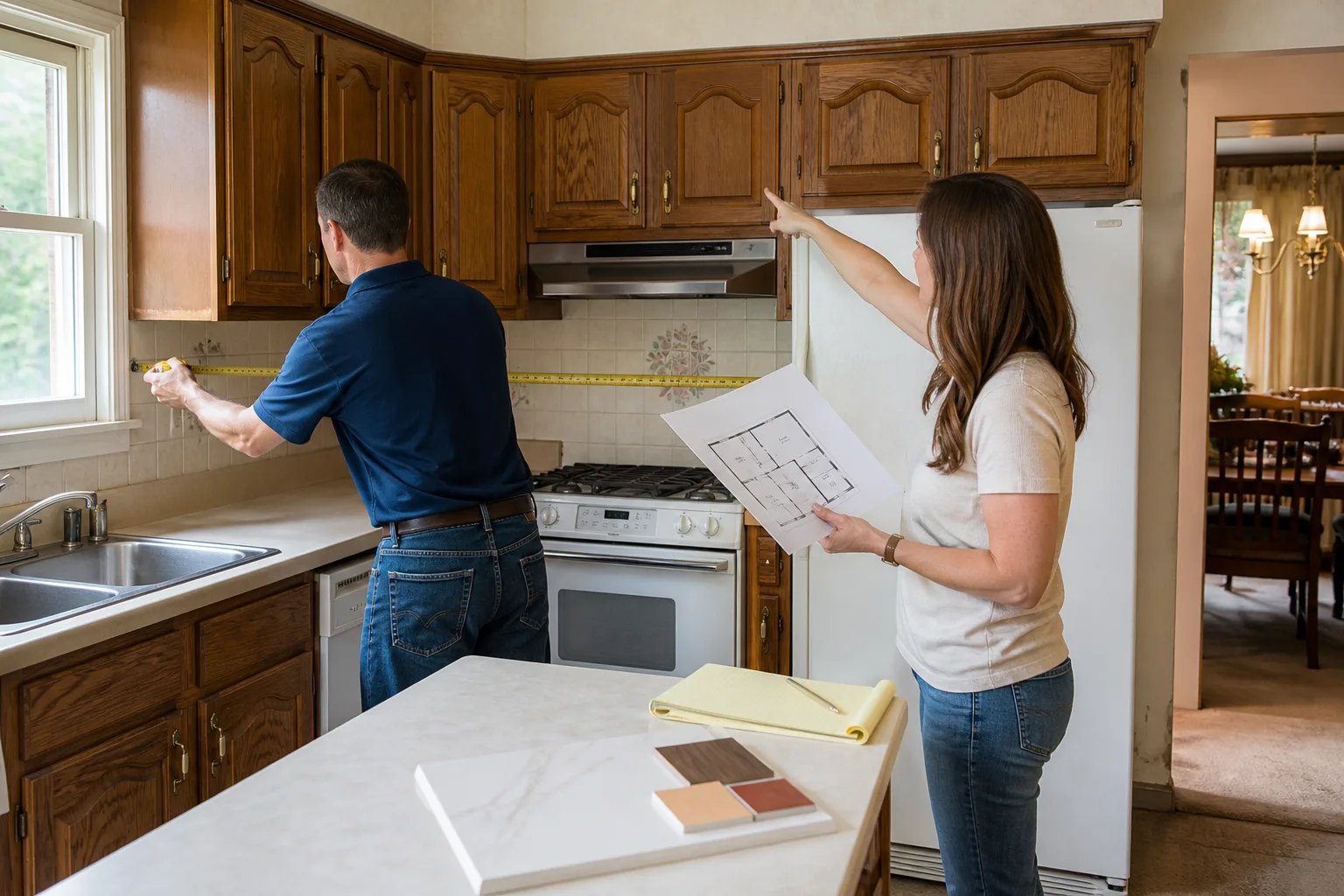
In Miami-Dade County, you can legally replace your own kitchen faucet on a Saturday afternoon. But move that same drain line six inches to the left and you’ve crossed into licensed-plumber territory, and the permit you skipped can trigger a stop-work order that freezes your whole kitchen for weeks. This guide is about that line: the exact point in a Miami Beach kitchen where a confident homeowner’s project becomes a licensed contractor’s job. We’ll walk through Florida Statute 489 in plain language, what a 4-point inspection can find at resale, and the honest list of tasks that really are safe to do yourself.
Quick Answer
Painting cabinets, swapping hardware, installing a backsplash in a dry zone, and replacing a faucet on existing supply lines are generally safe for a homeowner to do. Moving plumbing, running new electrical circuits, installing cabinets on out-of-level floors, and templating countertops around sinks require licensed trades and permits in Florida. Do the surface work yourself if you’re careful; hire licensed professionals for anything that touches water lines, gas, electrical panels, or structural framing.
Styles & brands we work with
- Kitchen remodeling
- Bathroom remodeling
- Home additions & ADU
- Roofing
- Windows & doors
- Driveway & pavers
- Fence
Table of Contents
- What Florida Statute 489 Says You Can Do Yourself
- The Resale and Insurance Risk of Unpermitted Kitchen Work
- The Safe DIY Scope: Five Tasks You Can Actually Tackle
- Three Tasks That Look DIY-Friendly But Aren’t
- How to Structure a Hybrid Project: DIY What You Can, Hire What You Can’t
- How Do You Vet the Contractor for the Licensed Portion?
- What Do the Licensed Portions Cost in Miami Beach?
- Common Mistakes to Avoid
What Florida Statute 489 Says You Can Do Yourself
Florida Statute 489 is the state law that governs construction contracting, and it draws a clear line between homeowner exemptions and work that requires a licensed professional. The core rule: a homeowner can pull permits and do work on a single-family home they actually live in, as long as the work is done by the homeowner themselves and not rented out as a business. That exception is read narrowly by county building departments, including Miami-Dade’s.
Here’s the plain-language breakdown for a typical Miami Beach kitchen:
- Homeowner-exempt: Painting, tiling a backsplash in a dry zone (no plumbing inside the wall you’re cutting), replacing cabinet doors and drawer fronts, swapping a faucet on existing supply lines and the same drain location, installing new cabinet hardware, changing a light fixture on an existing circuit, and replacing a dishwasher on the same supply and drain.
- Requires a licensed plumbing contractor: Any drain relocation, any new supply line, moving the sink or rerouting the vent stack, installing a gas range where there wasn’t one, and any toilet or dishwasher relocation.
- Requires a licensed electrical contractor: Adding a new circuit, upgrading the panel, moving a range or refrigerator outlet, adding a dedicated outlet for a microwave or instant-hot tap, and any work inside the panel itself.
- Requires a licensed mechanical contractor: Adding or relocating range-hood exhaust, adding a kitchen exhaust for a downdraft range, and any change to a gas appliance vent.
- Requires a licensed general contractor: Any work that moves a wall, widens a doorway, or touches the structural frame, plus anything where two or more trades are coordinated under a single permit.
The trap in Miami Beach is that plenty of work “feels” cosmetic but pulls in a licensed trade. A new island with a prep sink? That’s plumbing, and probably electrical for the outlet. A hanging range hood? That’s mechanical exhaust and electrical. A short answer to your own question, before the tools come out of the truck, saves you the stop-work order later.
The Resale and Insurance Risk of Unpermitted Kitchen Work
Miami Beach has a specific layer of scrutiny most of the country doesn’t: the 4-point inspection. Insurance carriers here require one at policy inception and often on renewal for homes over a certain age. It covers four things: roof, electrical, plumbing, and HVAC. Kitchen work that touched any of those four without a permit can show up as an open or missing inspection, and an insurance carrier can decline to write the policy, or write it with a much higher premium.
At closing, the story gets harder. A buyer’s inspector sees a newer kitchen, pulls the permit history through Miami-Dade’s online portal, and finds nothing. Now what you saved on the permit becomes a credit at closing, a repair escrow, or, in a slow market, a stalled contract. On a Miami Beach single-family home, kitchen-related unpermitted work regularly costs sellers far more than the original permit fee would have.
Two things worth knowing:
- Retroactive permitting exists, but the process is slower and more expensive than doing it up front, and it requires opening up finishes so an inspector can see what’s behind them. Cabinets come back off walls in some cases.
- Lenders and insurers are increasingly asking for signed-off permits, not just for structural work but for electrical panel upgrades and any new circuits in a kitchen. A cosmetic refresh usually clears; anything with a trade behind it usually does not.
Our General Contractor in Miami Beach practice exists because of this exact problem. The paperwork is the product as much as the tile is.
The Safe DIY Scope: Five Tasks You Can Actually Tackle
Here’s the honest list of kitchen projects we’d tell a capable homeowner to do themselves. All of these are surface-level, removable, and free from trade-permit triggers.
- Paint the cabinets. A proper cabinet repaint (degrease, sand, prime with a bonding primer, two finish coats) runs $600 to $1,400 in materials and a rented sprayer for a standard Miami Beach kitchen. The cabinets are the same boxes; you’re changing what they look like. Don’t paint over failing veneer or water-damaged MDF, though. On Miami Beach’s humidity, that combination peels inside a year.
- Swap cabinet hardware. Knobs and pulls are the single best dollar-for-dollar visual upgrade in a kitchen. A few hundred dollars on hardware, no permit, no trade.
- Tile a backsplash in a dry zone. If you’re tiling the wall above the counter between the base cabinets and upper cabinets, and you aren’t cutting into drywall to run new electrical or plumbing, this is homeowner work. Use the trade word first: that wall behind your tile is the substrate (the layer the tile bonds to). In a dry zone, the existing drywall is usually fine. Behind a range or sink, a water-resistant cement board substrate is the correct base, and that’s worth doing right.
- Replace a faucet on existing supply lines. Same supply locations, same drain. If the shutoff valves under the sink are old, replace them at the same time, or you’ll be the one dealing with the leak later.
- Replace a dishwasher on the existing supply and drain. The dishwasher swaps in on the same plumbing. If the plumber has to move anything, that’s a licensed plumber’s job.
Compare your list against ours. If your project includes a real backsplash tile over new cement board, remember that a decent wet saw and diamond blade costs $150 to $350, and the learning curve on your own wall is where the money hides. If you want tile work that reads “Miami Beach kitchen” and not “Instagram tutorial,” see our Kitchen Remodeling in Miami Beach page for what finished work looks like.
Three Tasks That Look DIY-Friendly But Aren’t
These three do the most damage when a homeowner tries them, and they’re the ones competitors don’t warn you about.
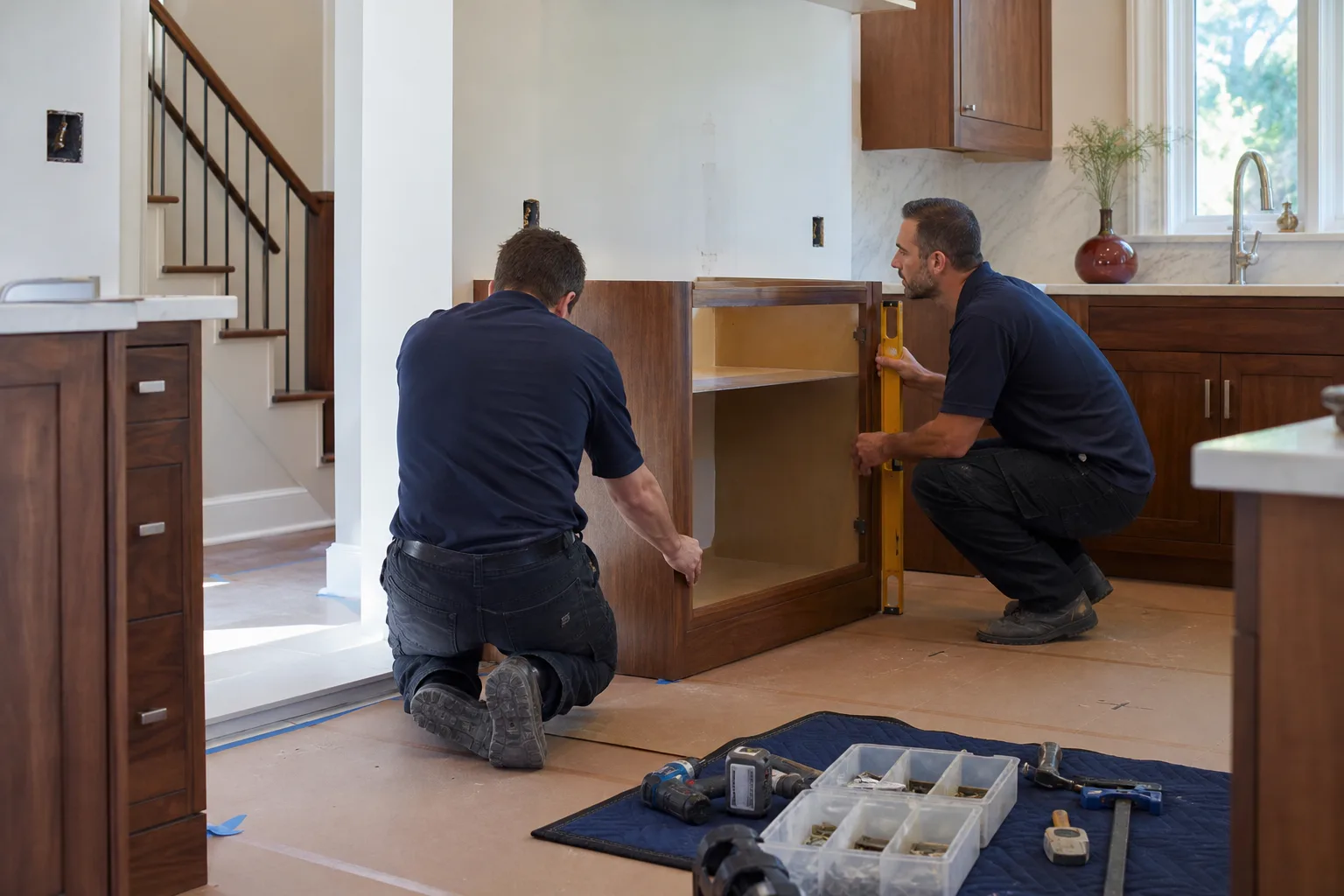
Cabinet installation over an out-of-level floor. Most Miami Beach kitchens, especially in older construction and near the beach, aren’t level floor to ceiling. A base cabinet installed level on a floor that slopes two inches across ten feet will show a widening gap at the countertop and doors that won’t stay true. Fixing it after the fact means pulling everything. Licensed cabinet installers shim, scribe, and adjust the boxes themselves to true the install, and that skill is what separates a kitchen that looks built-in from one that looks assembled.
Any work that touches the electrical panel circuit for a new appliance. The panel is where DIY goes from “I can handle this” to “I just burned a hand.” Adding a 240-volt range circuit or a dedicated 20-amp outlet for a microwave means opening the panel, sizing the breaker, running the cable, and having the circuit inspected. This is genuinely dangerous work. A licensed electrician handles it and the inspector signs off. The cost of the electrician is small compared to a fire or an insurance claim denied for unpermitted electrical.
Countertop templating when sinks are involved. A countertop isn’t measured, it’s templated (the physical cutting process). When a sink is going into the counter, the template has to account for the sink cutout, faucet hole placement, and the specific undermount clip system. Any error in that template is a wasted slab. Cambria, Silestone, and Caesarstone are not forgiving materials for a re-cut. This is why we template on-site, and the fabricator’s name is on the template along with ours.
How to Structure a Hybrid Project: DIY What You Can, Hire What You Can’t
The most cost-effective way to remodel a Miami Beach kitchen is usually the hybrid: you do the visible, removable work; a licensed crew does anything that touches water, electrical, gas, or framing. The trick is sequencing. Get it wrong and the DIY part blocks the licensed crew’s window or, worse, undoes it.
Here’s the order that works:
- Design first, choose everything. Pick the cabinet line, countertop material, tile, and fixtures before anyone swings a hammer. Changing the sink after the countertop templates means new templating.
- Permit pulled and inspected by the licensed crew. In Miami Beach, the electrical and plumbing rough-ins are inspected before insides of walls close. Don’t close anything until the inspector signs off.
- Demo, coordinated not DIY-only. If the licensed crew needs “demo-day” conditions to start, you can do the demo. But don’t remove anything that holds an active connection to water, gas, or electrical without the crew there or coordinating the disconnect.
- Rough-ins done and inspected. Plumbing and electrical, in the walls, signed off.
- Cabinets set, aligned, scribed to the floor. This is where the licensed crew’s work matters most. Don’t try to “help” by setting one cabinet yourself after they’ve gone for the day.
- Countertop templated, fabricated, installed. The fabricator’s template is the contract. Do not let a sink change happen after this step.
- Your DIY phase: paint, hardware, backsplash. Do this after cabinets and counters are in so you’re not painting behind or around a countertop. Backsplash tile goes in after countertops because the countertop edge dictates your tile line.
- Final inspection, punch list, walk-through.
A written schedule with arrival windows is worth more than any other tool. Say the price before the work. Show up in the window we gave. Leave the place cleaner than we found it. That’s The Kingswell Way, and it’s the same standard whether you’re doing half the job yourself or none of it.
How Do You Vet the Contractor for the Licensed Portion?
If you’re going hybrid, you’re hiring for the licensed portions, and that hire is the most important decision in the project. Here’s what to ask before signing:
- Are you licensed for the specific trade? A general contractor coordinates; a plumbing or electrical contractor holds the license for their scope. On a Miami Beach kitchen, the licenses are separate for a reason.
- Will you pull the permits, and will you show me the permits in my name? A permit should be on the address, with the licensed contractor’s name on it. If the contractor says “you’ll pull it as a homeowner,” get another contractor.
- Is my price in writing, line by line, before any work starts? A verbal range becomes a different number at the walkthrough. A written price is the number on the invoice.
- Are your technicians background-checked and uniformed? In a home remodel, someone is going to be alone in your kitchen. Knowing who’s walking in is not a marketing line.
- What’s the written guarantee, and what does it actually cover? A written guarantee on every job is the standard we hold ourselves to. Ask to see the document.
- Can I call a real person if something fails after the job closes? Ask this before you sign, not after the repair fails.
If the contractor is vague on any of the above, keep looking. If they give you the numbers in writing and stand behind them, you’ve found the right crew.
What Do the Licensed Portions Cost in Miami Beach?
These ranges reflect the licensed portions of a hybrid kitchen, not a full remodel. A full Miami Beach kitchen remodel typically runs $18,000 to $55,000 depending on layout, cabinet line, and countertop material. The line items below are what we’d quote for a homeowner doing the DIY portion themselves.
- Kitchen electrical (new circuit, range outlet, panel work): $1,200 to $3,400, depending on panel age and whether the panel needs to be upgraded.
- Plumbing rough-in (relocating a sink, adding a prep sink, moving drain): $800 to $2,600.
- Gas range install with new line and inspection: $600 to $1,400, if the gas service is sized correctly.
- Cabinet installation, set and scribed: $1,800 to $5,200, based on cabinet count and how out-of-level the floor is.
- Countertop templating and fabrication, on-site (Cambria, Silestone, Caesarstone): $2,200 to $6,800 typical for a standard Miami Beach kitchen, driven by square footage and edge detail.
- Range hood and exhaust ducting: $450 to $1,200 plus the appliance.
The materials matter to what the guarantee covers. We install Cambria quartz, which carries its own lifetime warranty alongside ours, and we source cabinetry from KraftMaid and Wellborn and plumbing fixtures from Kohler and Moen. Those brands back the work at the warranty level, and that’s where your protection gets a second layer.
Common Mistakes to Avoid
- Doing the demo before the permit is pulled. In Miami Beach, the inspector needs to see the walls open to look at rough-ins. If you demo, then the licensed crew starts, you’ve got an open wall and no permit. Pull the permit first.
- Skipping the 4-point inspection conversation with your insurance agent. Before you plan any kitchen work that touches electrical or plumbing, call your carrier and ask what triggers a 4-point re-inspection. It changes what you can and can’t do.
- Buying the faucet and sink after the countertop templates. The template is dictated by what goes into the counter. If you change the sink, you re-template.
- Tiling a backsplash over unsealed drywall in a wet zone. That wall behind the range and sink needs a water-resistant substrate. Regular drywall behind tile, in Miami Beach humidity, is a year-to-two-year problem.
- Assuming “handyman” work means “no permit.” A handyman who installs a new faucet on existing lines is fine. A handyman who reroutes a drain is doing plumbing without a license, which voids your insurance coverage if it fails.
- Skipping the written scope on the hybrid parts. Where does your DIY end and the licensed crew’s work begin? Write it down and sign it. Sequencing disputes are how projects stall.
- Treating the permit as a formality. The permit is the inspection at each phase, and the inspection is the only proof your work is to code when you sell.
See the difference
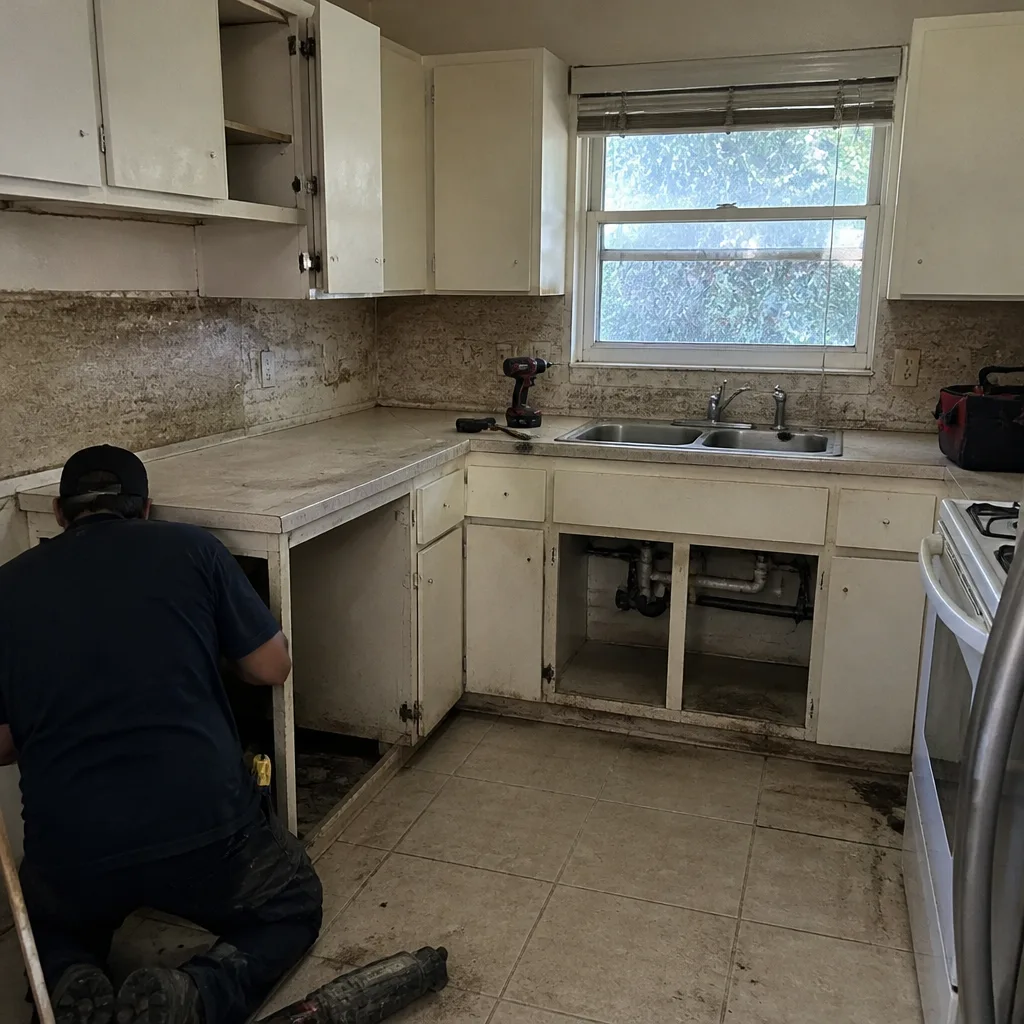 Before
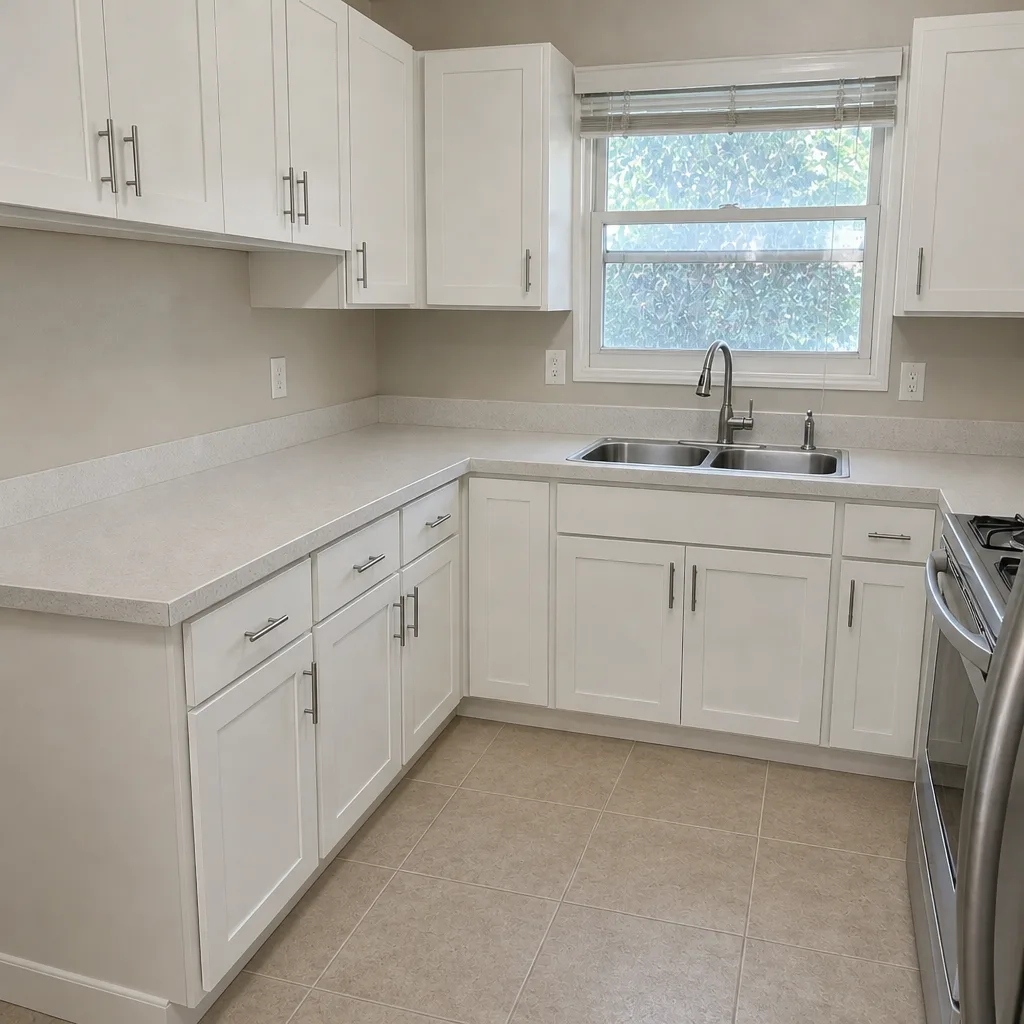 After
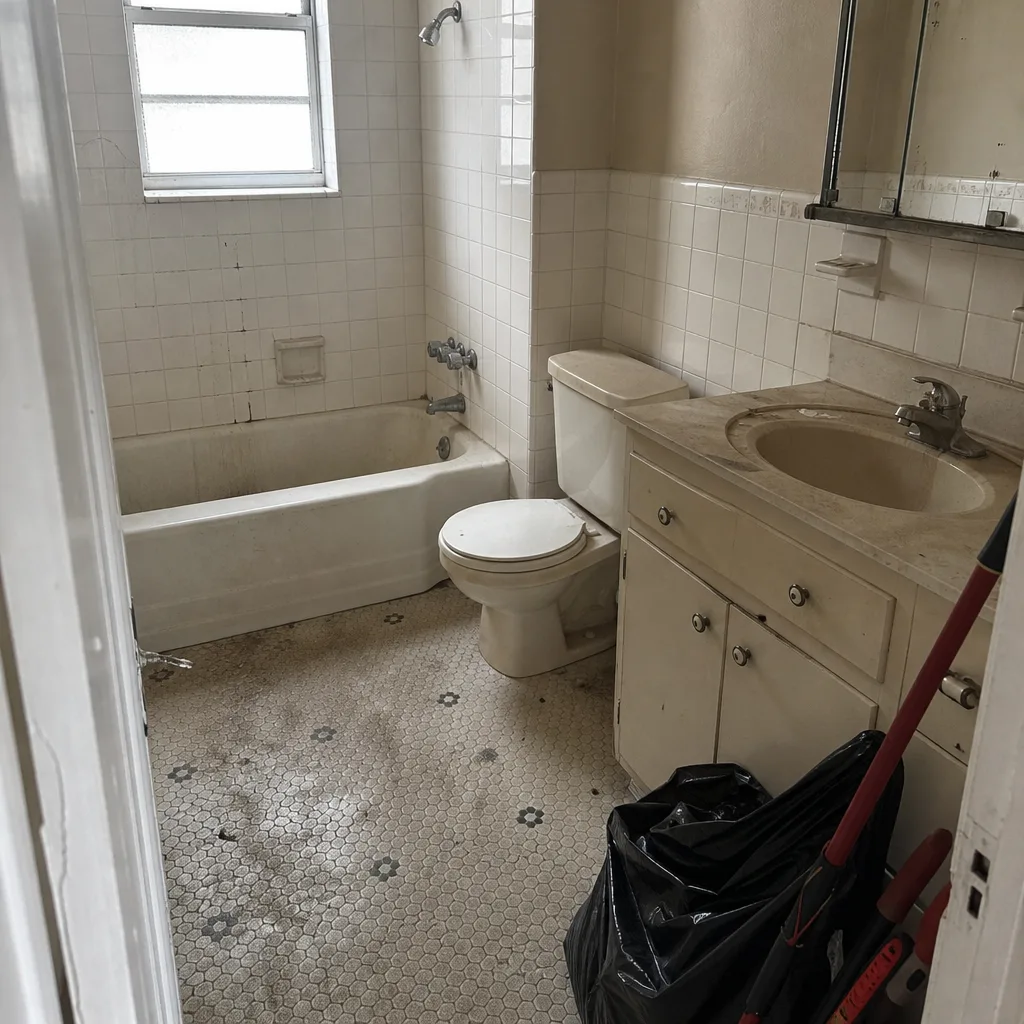 Before
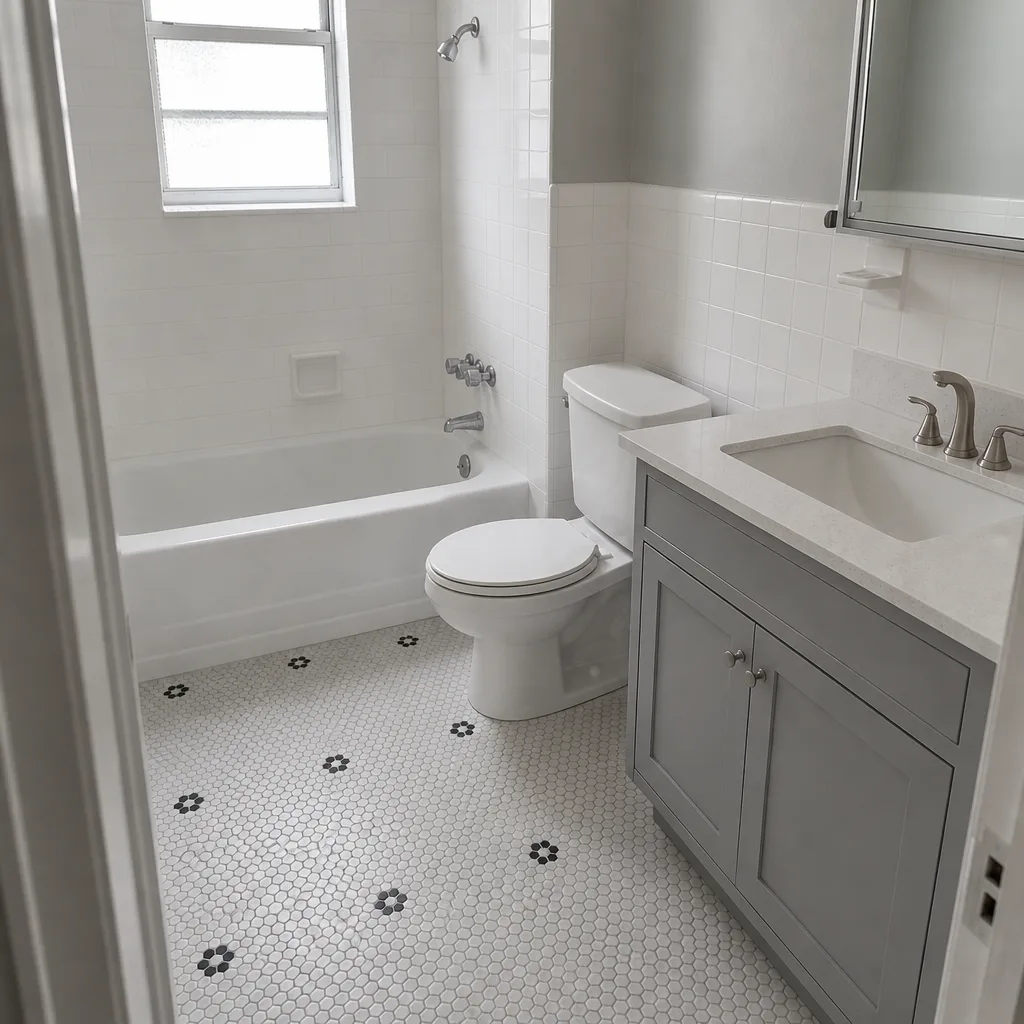 After
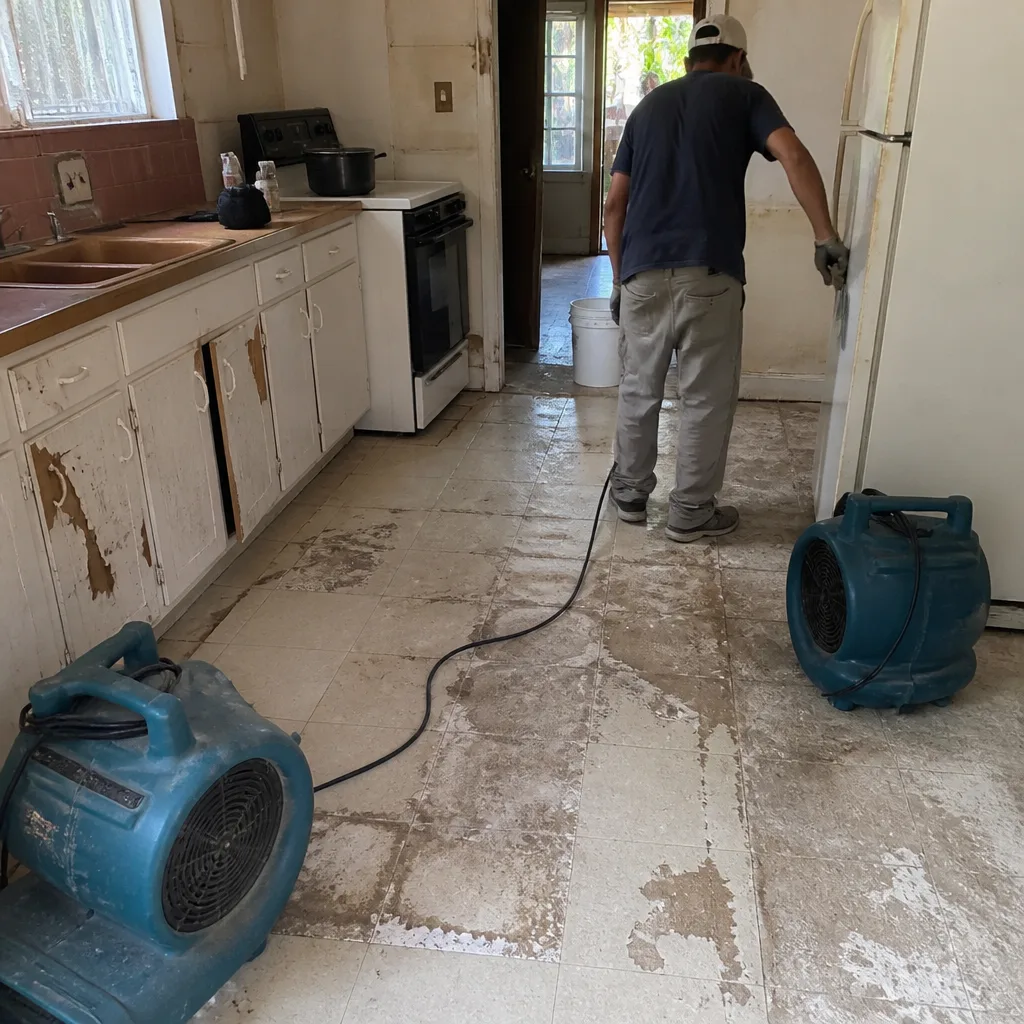 Before
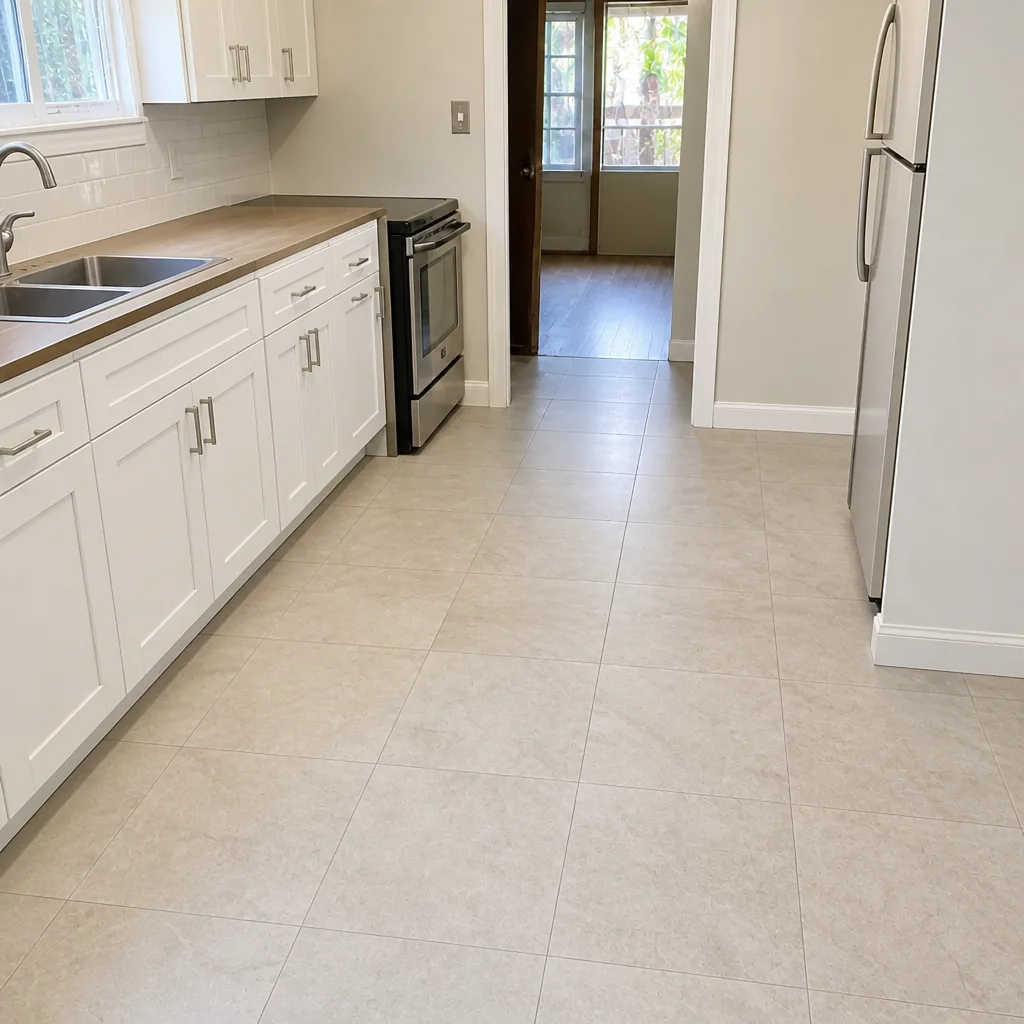 After
When to Call a Professional
Call a licensed professional when the work touches any system behind the walls: plumbing rough-in, new electrical circuits or panel work, gas appliances, range hood exhaust, moving a wall, or installing cabinets on a floor that isn’t level. Call if you’re planning a kitchen that will be sold within a decade, because the paperwork matters at closing. Call if your insurance carrier has required a 4-point inspection in Miami Beach, because the kitchen ties directly to the electrical and plumbing score. And call if you’re doing hybrid work and want someone to draw the line between what you do and what they do, in writing. Penhallow Remodeling Miami Beach offers free estimates in Miami Beach. Call (844) 656-1986. A live person answers the phone 24/7, and every job gets a written price and a written guarantee before any work starts.
Frequently Asked Questions
Yes, for surface work only. Painting cabinets, swapping hardware, installing a backsplash in a dry zone, and replacing a faucet on existing supply lines don’t require permits. Any work that moves plumbing, adds electrical circuits, changes gas appliances, or touches structural framing requires a permit and a licensed contractor in Florida.
It can, and it usually costs more than the permit would have. A buyer’s inspector pulls the permit history through Miami-Dade’s online portal. If the kitchen shows license work with no permits, you’ll be negotiating credits or repair escrow at closing. Unpermitted electrical or plumbing work can also make a 4-point inspection fail, which puts your insurance at risk before the sale ever happens.
The wet zone is behind the range and behind the sink, where splashing and steam are steady. Those areas need a water-resistant substrate like cement board under the tile. Dry zones, like the wall above a counter between base and upper cabinets away from the range and sink, can sometimes be tiled right over existing drywall if the drywall is sound. When in doubt, assume wet.
For a standard new install on a level floor, some homeowners do it. In Miami Beach kitchens, particularly in older homes and beachfront construction, out-of-level floors are common, and a self-installed cabinet line will telegraph every bit of it. The savings per cabinet are usually $150 to $400, which is often wiped out by the time you correct a single gap.
For the licensed portions of a hybrid kitchen, expect line items in the $800 to $6,800 range per trade scope. Cabinet installation runs $1,800 to $5,200, electrical typically $1,200 to $3,400, and countertop templating and fabrication $2,200 to $6,800 for a standard kitchen using Cambria, Silestone, or Caesarstone. A full kitchen remodel is $18,000 to $55,000 depending on scope. Call (844) 656-1986 for an exact written quote, and estimates are free.
A written price before any work starts should be the number on the invoice. If a contractor won’t put the price in writing, or the price is a range that drifts, find another one. Our standard is a written, line-item price up front, with the same written guarantee on every job and a 365-Day Done Right Promise that covers any failure inside the guarantee period at no charge.
The Bottom Line
The question isn’t whether you’re capable. The question is which tasks in a Miami Beach kitchen are yours to do by law and which ones carry real risk to your insurance, your resale, or your safety. Painting, hardware, dry-zone backsplash tile, and a faucet swap on existing lines are the safe DIY scope. Plumbing relocation, new electrical circuits, gas, structural framing, and cabinet installation on out-of-level floors belong to licensed trades. The hybrid approach, done in the right order with permits pulled before demo, is the safest and least expensive path. Get the licensed portions quoted in writing first; the DIY parts get easier once the number is on paper.
If you want a written scope and a written price for the licensed part of your kitchen, call (844) 656-1986 for a free estimate. A live person answers, day or night.
If you’re planning a full kitchen or bathroom as well, our Bathroom Remodeling in Miami Beach page covers the same permit and 4-point inspection rules for baths. And you can always start at the Penhallow Remodeling Miami Beach home page to see how we structure the process.
Written by the team at Penhallow Remodeling Miami Beach.