Last updated November 18, 2026



Free written scope consultation - allowances, timeline, and change-order rules on paper before a single trade is scheduled
How Long Does General Contractor Take? Timelines and What to Expect
Most remodel timelines you’ll find online quietly assume a permit gets approved in about ten business days. In Miami-Dade County, that same review frequently runs 30 business days or longer, because this is one of the busiest building departments in Florida. We’ve watched homeowners plan a summer kitchen around a two-week permit window and lose six weeks of it before a single cabinet arrived. This guide bakes the local variables in: real Miami Beach permit timelines, condo association approvals, coastal product lead times, and how to read a schedule so you know which delays are the contractor’s fault and which ones aren’t anyone’s. Miami Beach is a demanding place to build, but the surprises are predictable once you know where they hide.
Quick Answer
A general contractor typically takes 6 to 10 weeks for a bathroom remodel, 10 to 16 weeks for a kitchen, 16 to 24 weeks for a full-home gut remodel, and 24 to 40 weeks for an addition in Miami Beach. The single biggest variable isn’t labor speed, it’s the Miami-Dade permit review, which routinely runs 30 business days or more before construction can legally start. Budget for that clock up front and your schedule matches reality.
Styles & brands we work with
- Kitchen remodeling
- Bathroom remodeling
- Home additions & ADU
- Roofing
- Windows & doors
- Driveway & pavers
- Fence
Table of Contents
- Why the Miami-Dade Permit Clock Rules Everything
- Project-by-Project Timeline Table
- Condo Association Approval: The 4-8 Week Step After the Permit
- Coastal Windows, Doors, and Lead Times That Set Start Dates
- How to Read a Project Schedule
- What a Written Arrival Window Looks Like in a Contract
- Phases of a Miami Beach Remodel, Step by Step
Why the Miami-Dade Permit Clock Rules Everything
Here’s the number no one puts on their website: a permit that clears in 10 business days in a smaller Florida county routinely takes 30 or more in Miami-Dade. The Building Department juggles high-velocity construction across the entire county, coastal flood-zone review, and a heavy backlog of hurricane-era retrofits. No contractor, no matter how well connected, can sprint past a review queue that doesn’t route around him.
This is where most project budgets and relationships break down. A homeowner signs a contract in March expecting an April start. The permit comes back with comments in May, gets resubmitted, and clears in early June. That two-month gap is nobody’s mistake, but it feels like one when you’ve been living with a gutted kitchen.
What you can control:
- Plan quality. A complete drawing set with structural details, product specs, and flood-zone notes clears review in fewer comment rounds. Incomplete sets get kicked back, and each resubmission restarts the clock.
- Who submits. Some contractors pull permits in-house with staff who know the county’s review quirks; others outsource to an expediters. Ask which, and ask how many comments the last three sets in your neighborhood drew.
- Product substitution ahead of time. If your windows aren’t on the approved product list, you find out at review, not at install.
When we quote a Miami Beach project, the permit review sits as its own line item in the schedule, not a footnote. If that line says 30 to 45 business days, you can plan your life around it. Compare that to a contractor who says “we’ll be in before summer” with no dates attached.
Project-by-Project Timeline Table
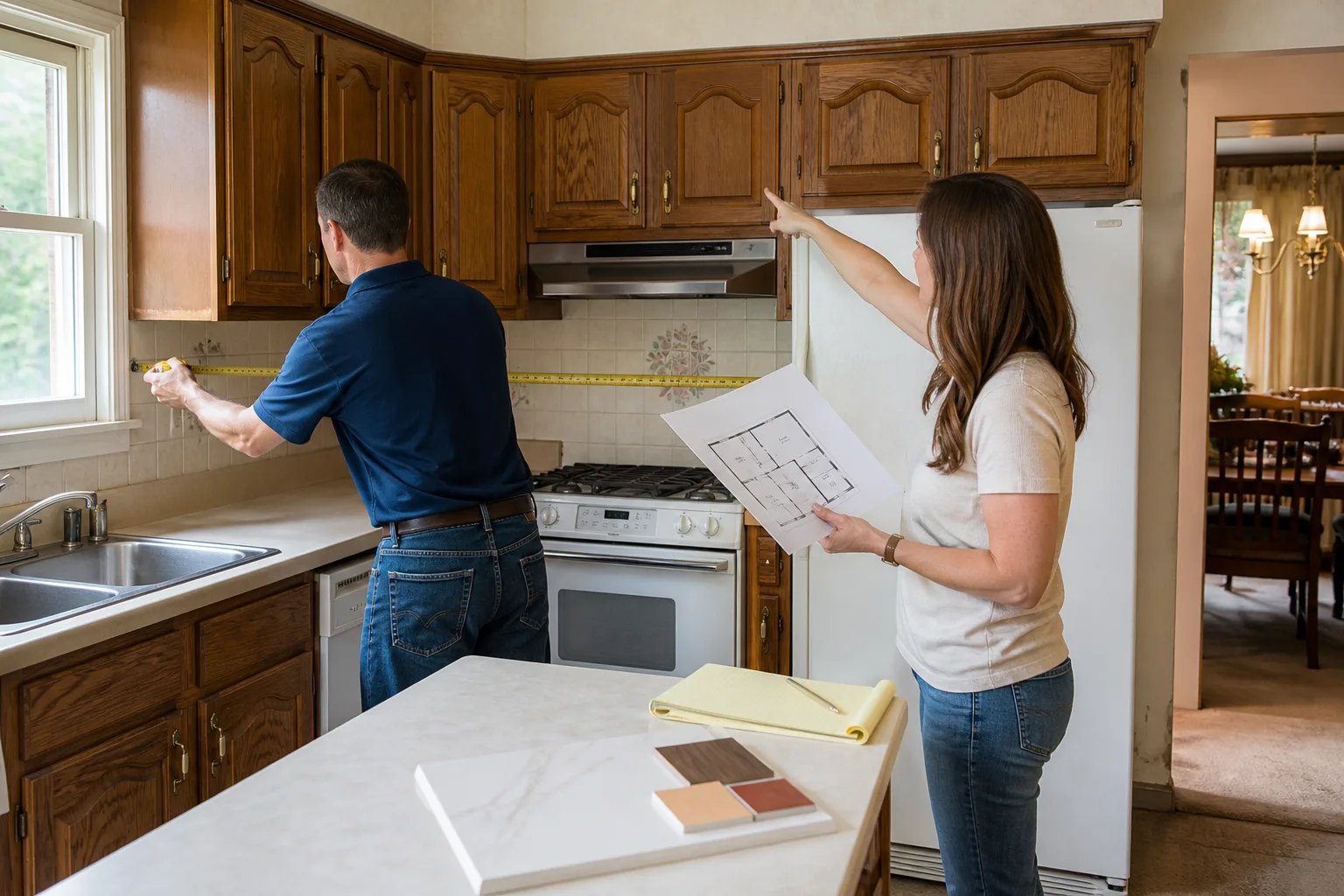
These ranges reflect real Miami Beach jobs, with permit review shown as a specific phase rather than folded into the total. Actual times shift with building age, structural surprises, and how fast your condo board moves.
| Project Type | Permit Review | Construction | Total Realistic Timeline |
|---|---|---|---|
| Bathroom remodel | 3-6 weeks | 3-5 weeks | 6-10 weeks |
| Kitchen remodel | 4-6 weeks | 6-10 weeks | 10-16 weeks |
| Full-home gut remodel | 6-10 weeks | 10-16 weeks | 16-24 weeks |
| Room addition | 6-12 weeks | 16-28 weeks | 24-40 weeks |
Community association approval gets added on top of these figures for condos, and it often lands before the permit even gets submitted. The construction ranges assume materials are ordered the week the permit clears. If you’re waiting on coastal-rated windows, add the lead time below.
Condo Association Approval: The 4-8 Week Step After the Permit
If you live in a condo or co-op on Miami Beach, the building department isn’t your first hurdle, the board is. Community association approval can add 4 to 8 weeks before your permit is even submitted, and no amount of chiseling changes that. Many boards meet monthly. Some require structural engineering letters, noise and work-hour restrictions, and proof of insurance from your contractor before they’ll put you on the agenda.
Documents to assemble in parallel with your design work:
- Completed association alteration application with all required signatures
- Full construction drawings, including structural and any exterior changes
- Building permit application package, ready to file the day approval lands
- Contractor insurance certificate naming the association as additional insured
- Work-hour and elevator-use agreement (stacked deliveries and elevator pads are usually your responsibility)
- Deposit check and any damage-review fee the association requires
- Engineer’s opinion letter if you’re moving walls or altering anything load-bearing
The mistake we see most in Miami Beach high-rises is starting the board process only after the design is finalized. Run both tracks at once. The weeks you save by preparing documents while the drawings are still in revision are weeks you don’t lose waiting for the next board meeting.
Coastal Windows, Doors, and Lead Times That Set Start Dates
Coastal-rated windows and doors on Miami Beach require impact ratings, product approval documentation, and often flood-zone review. That combination pushes lead times to 8 to 16 weeks for many lines. That number, more than contractor availability, decides when your job can actually start.
This is why we order long-lead items the week the permit clears, not the week the truck is needed. A kitchen that lands on time but waits four months for specialty windows isn’t a kitchen project anymore, it’s a waiting room. The same logic applies to custom cabinetry, imported tile, and most exterior door lines.
What a sensible start-date conversation looks like:
- Identify every long-lead product at contract signing, not after demo
- Write the order date and expected delivery date into the schedule
- Take the later of permit clearance or material delivery as your true start
- Use the slack for demolition, rough-in, and permitting phases that don’t depend on the material
Custom millwork and specialty stone are the other silent killers here. We usually quote stock and semi-custom options side by side because the lead-time difference between the two is often six to eight weeks, and knowing that number early is what lets you choose on purpose.
How to Read a Project Schedule
A real schedule has dates on it, not seasons. If your “schedule” is a one-page list of milestones with no durations, no dependencies, and no responsible party, you don’t have a schedule, you have a wish list. Here’s what the document should show.
- Start date, in writing. An actual calendar date on the contract, not “spring” or “after the holidays.”
- Milestone for permit submission and approval. Both dates, so you can tell how much of the delay lives with the county.
- Material order dates and expected delivery. Every long-lead item, with the vendor and the PO number if you want to double-check.
- Construction phases with durations. Demo, rough-in, inspection windows, drywall, finishes. Each gets a number of days.
- Inspection checkpoints. You can’t drywall over electrical without the county signing off first. Those hold points belong on the schedule so they don’t surprise you.
- Who controls each milestone. Contractor milestones (framing, tile, cabinet install) are on them. Municipal ones (permit review, inspection sign-off) are on the county.
Identifying which milestones are contractor-controlled and which are municipality-controlled is the single most useful skill a homeowner can bring to a project. Every delay is somebody’s, and a written schedule tells you whose before it happens. When a gap opens in the plan, you know whether to call the contractor or wait on the county queue.
What a Written Arrival Window Looks Like in a Contract
Vague language is a contract problem, not a personality problem. “We’ll start in spring” is a red flag because it protects no one. A real arrival commitment says what date work begins, what hours the crew will be there, and what happens if either slips.
- A defined start date. “Work begins by June 10, 2026, subject to permit issuance” is a commitment. “Spring start” isn’t.
- A defined daily window. “Crew on site Monday through Friday, 8 a.m. to 4 p.m.” tells you when you can plan deliveries, guests, and dogs.
- A notification rule. “We will notify you in writing at least five business days before any change to the start date or phase schedule.”
- A hold point for permits. “Construction does not begin until the permit is issued and posted on site.” Sounds obvious until you meet a homeowner whose tile went in before the county signed off.
The Kingswell Way, the standard we operate under, puts four things on paper before anyone picks up a tool: the price, the arrival window, the clean-site expectation, and a written guarantee on every project. That habit is why the arrival window in a Penhallow contract has a date on it instead of a season. Real commitments are specific enough to be kept.
Phases of a Miami Beach Remodel, Step by Step
A typical kitchen or bathroom remodel in Miami Beach runs through the same seven phases. The names matter because they’re what your schedule should reference when a milestone slips.
- Design and plan review (2-6 weeks). Measurements, drawings, product selections. Get the long-lead items identified now.
- Permit submission and plan review (3-10 weeks depending on scope). The county clock is the single biggest variable, and it’s out of anyone’s hands once the plans are in.
- Material ordering (1-2 weeks to order, delivery varies). Everything with a lead time over 4 weeks gets ordered the week your permit clears.
- Demolition (2-5 days). Short and dusty. Panels, cabinets, tile come out. Substrate conditions become visible here.
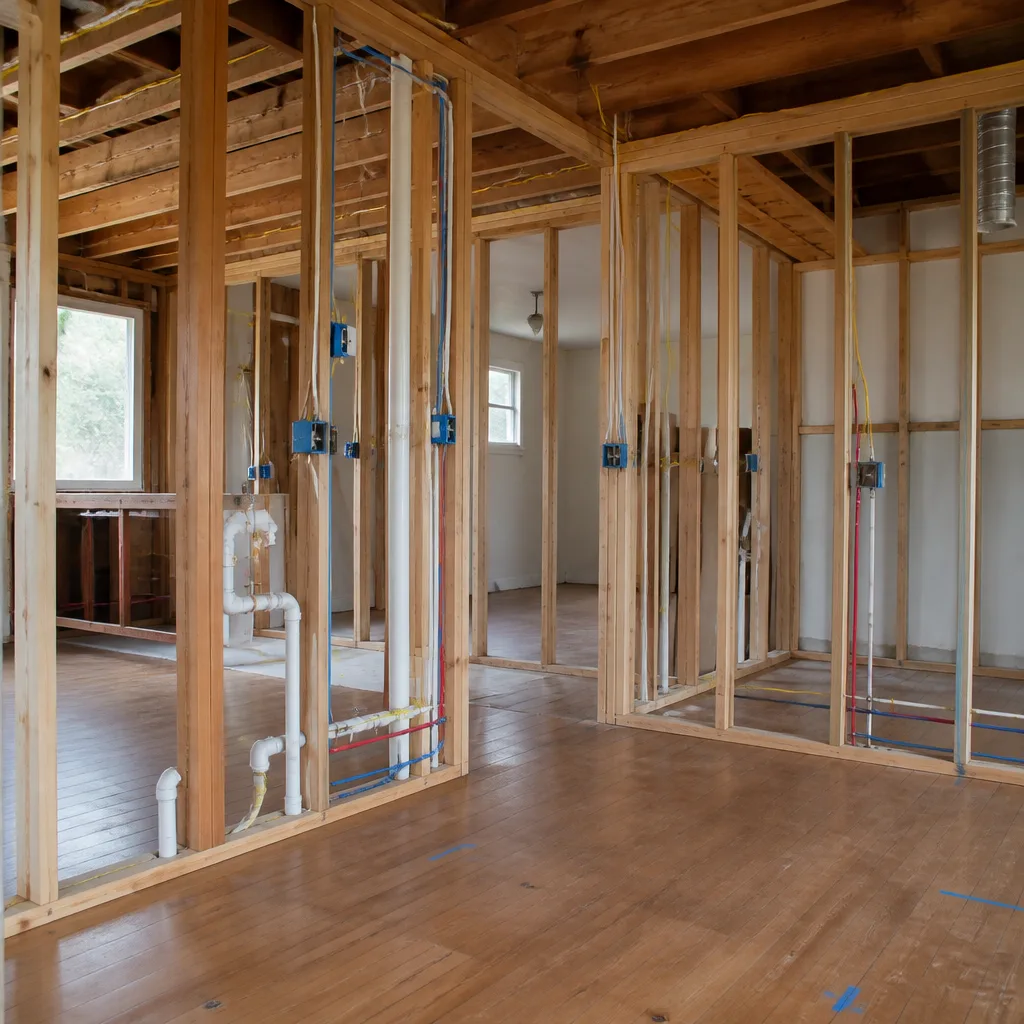
- Rough-in (1-3 weeks). Electrical, plumbing, and mechanical installations, followed by inspection sign-off before walls close.
- Drywall, finish, and install (2-5 weeks). Cement board substrate (the moisture-resistant layer behind your tile) goes in first in wet areas. Then drywall, paint, cabinets, countertops, tile, fixtures.
- Final touch-ups and punch list (3-7 days). Inspection, cleaning, and the walkthrough. This is where a good contractor catches every drawer gap and paint drip before you do.
In Miami Beach, the rough-in phase has a local wrinkle. Salt air and humidity punish older buildings, and we regularly find corroded plumbing, compromised framing, or out-of-code electrical in condos from the mid-20th century. We build a discovery buffer into the schedule (usually 5-10 business days) so a surprise doesn’t become a crisis.
Common Mistakes to Avoid
- Assuming a permit takes two weeks. In Miami-Dade it often takes 30 business days. Plan the schedule around the county’s pace, not a contractor’s best guess.
- Starting the condo board process late. In Miami Beach high-rises, association approval adds 4 to 8 weeks before the permit even gets submitted. Run both tracks in parallel.
- Ordering long-lead items after demo. Coastal-rated windows can take 8 to 16 weeks. Ordering them the week the permit clears keeps the schedule honest.
- Accepting a verbal schedule. “Spring” isn’t a date. A contract without a specific start date gives you nothing to hold anyone to.
- Skipping the substrate conversation. In wet areas, cement board goes behind tile. If a bid doesn’t mention what’s behind the tile, it probably isn’t priced into the job.
- Treating a low bid as a baseline. A bid that doesn’t include permit review time, material lead times, or a discovery buffer will balloon the moment reality arrives.
- Paying for materials before delivery. Pay for products when they arrive on site, not when they’re ordered. It’s how you keep a deposit from funding someone else’s project.
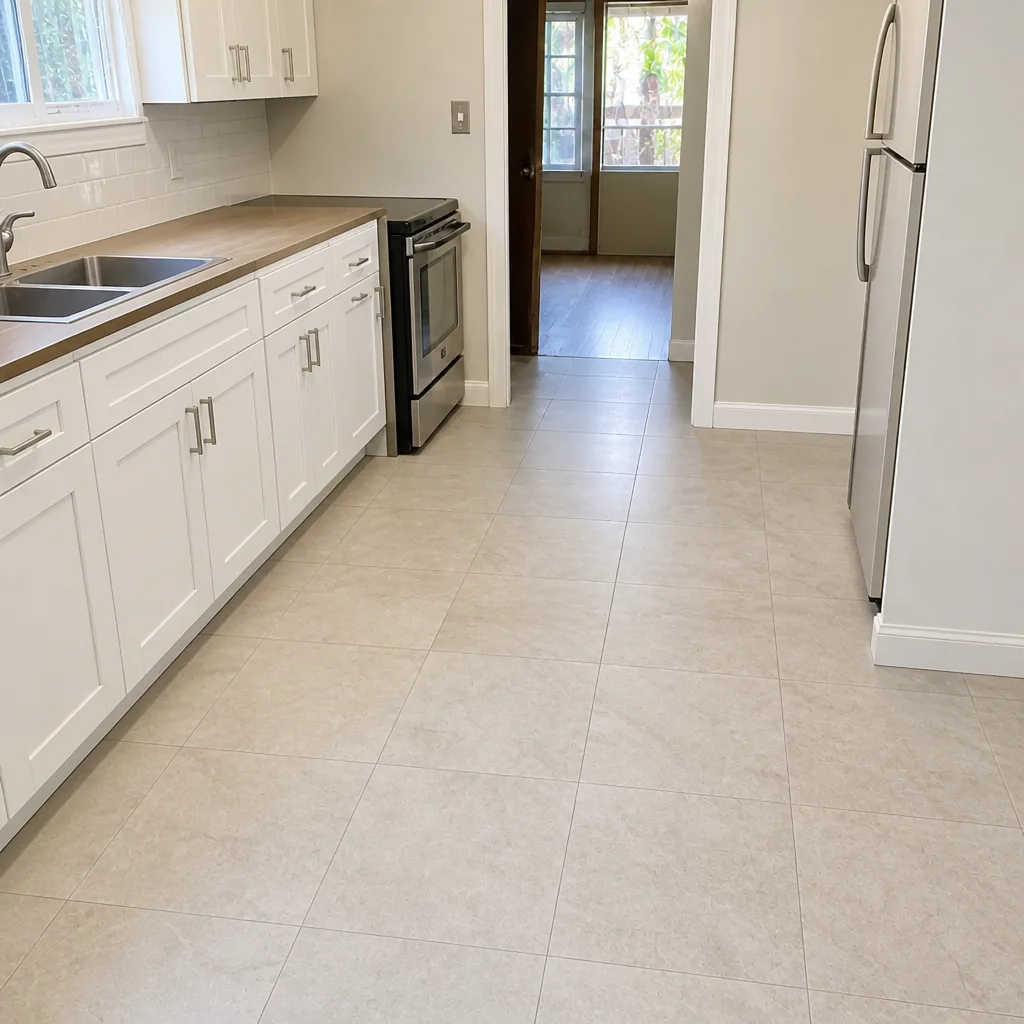
See the difference
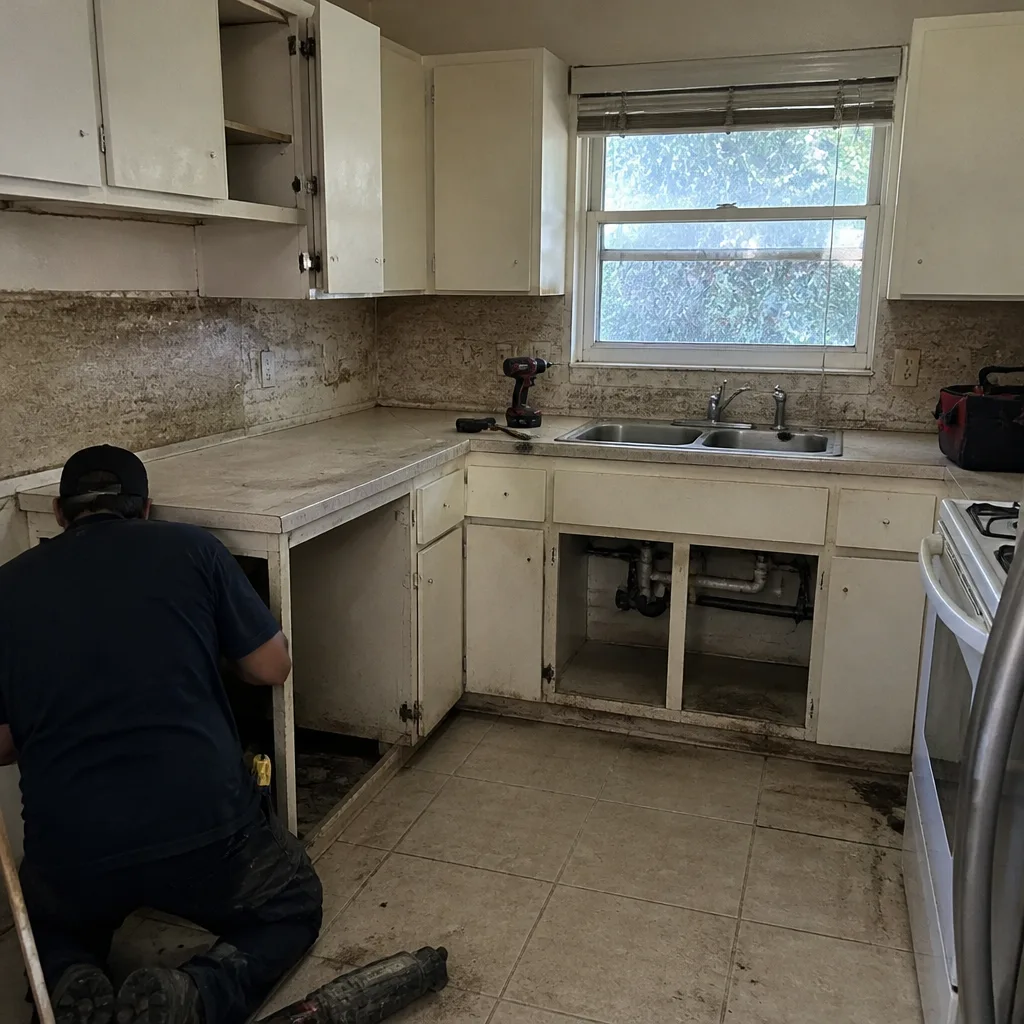 Before
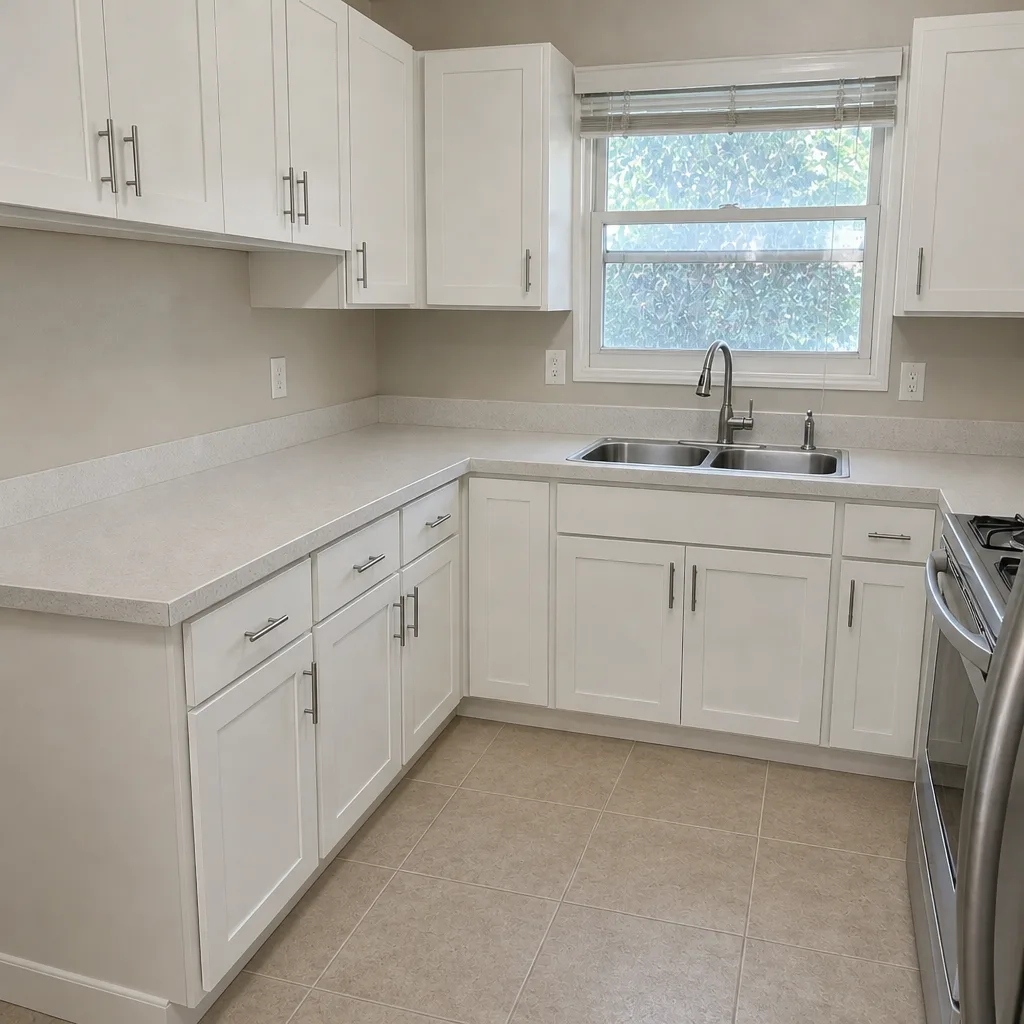 After
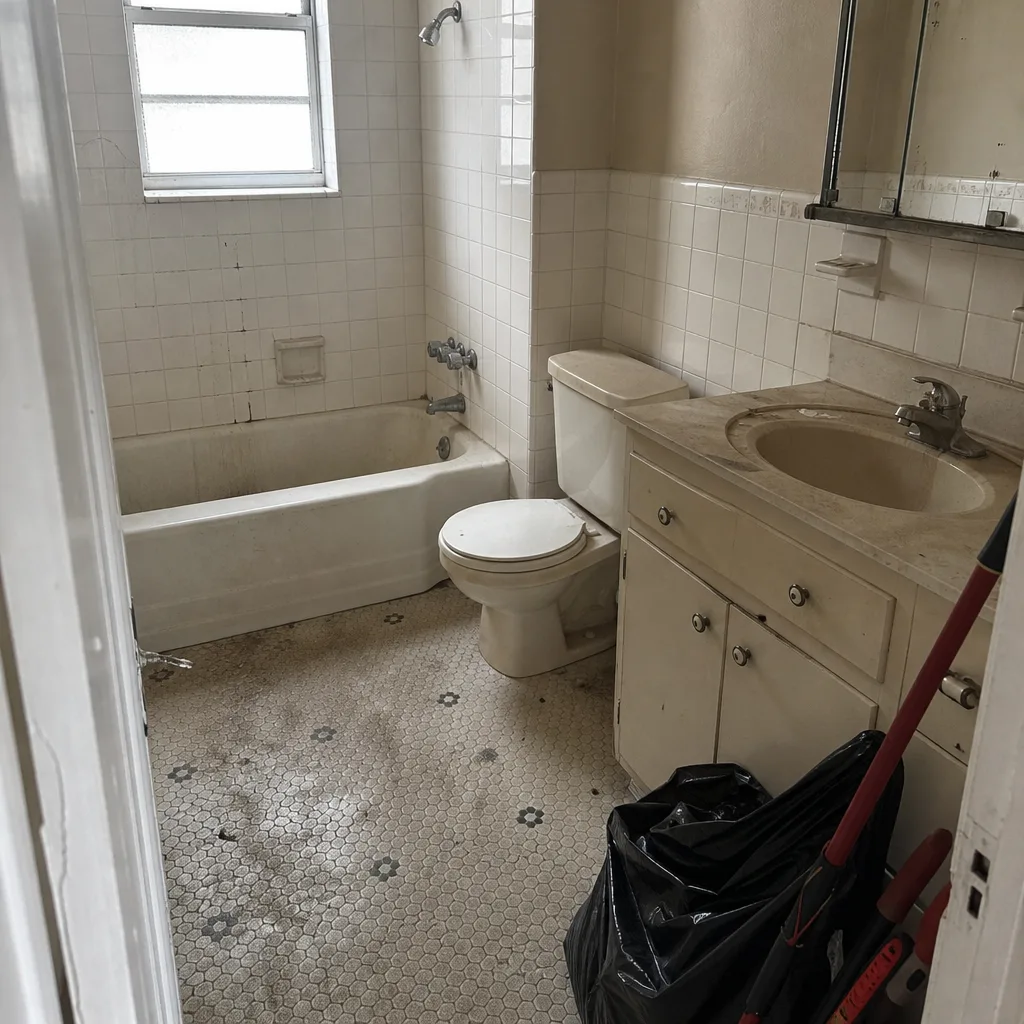 Before
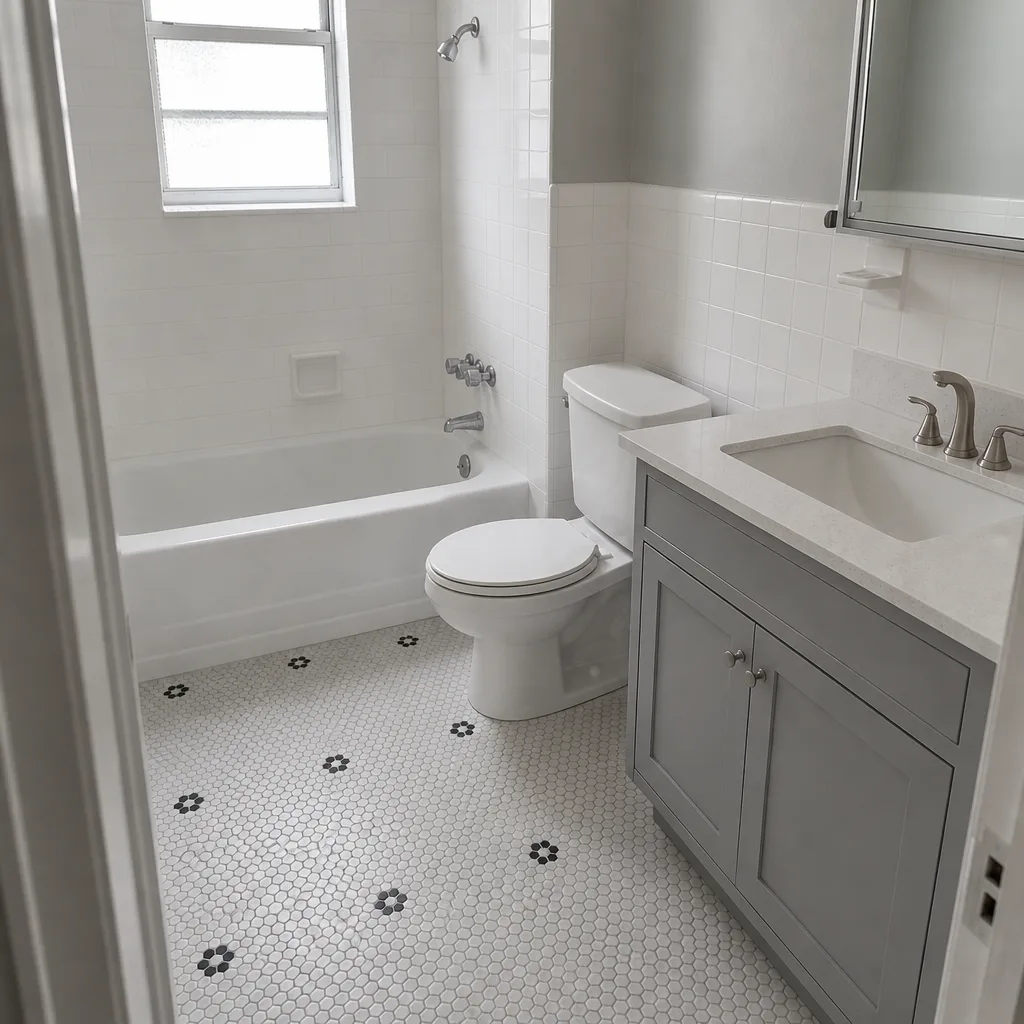 After
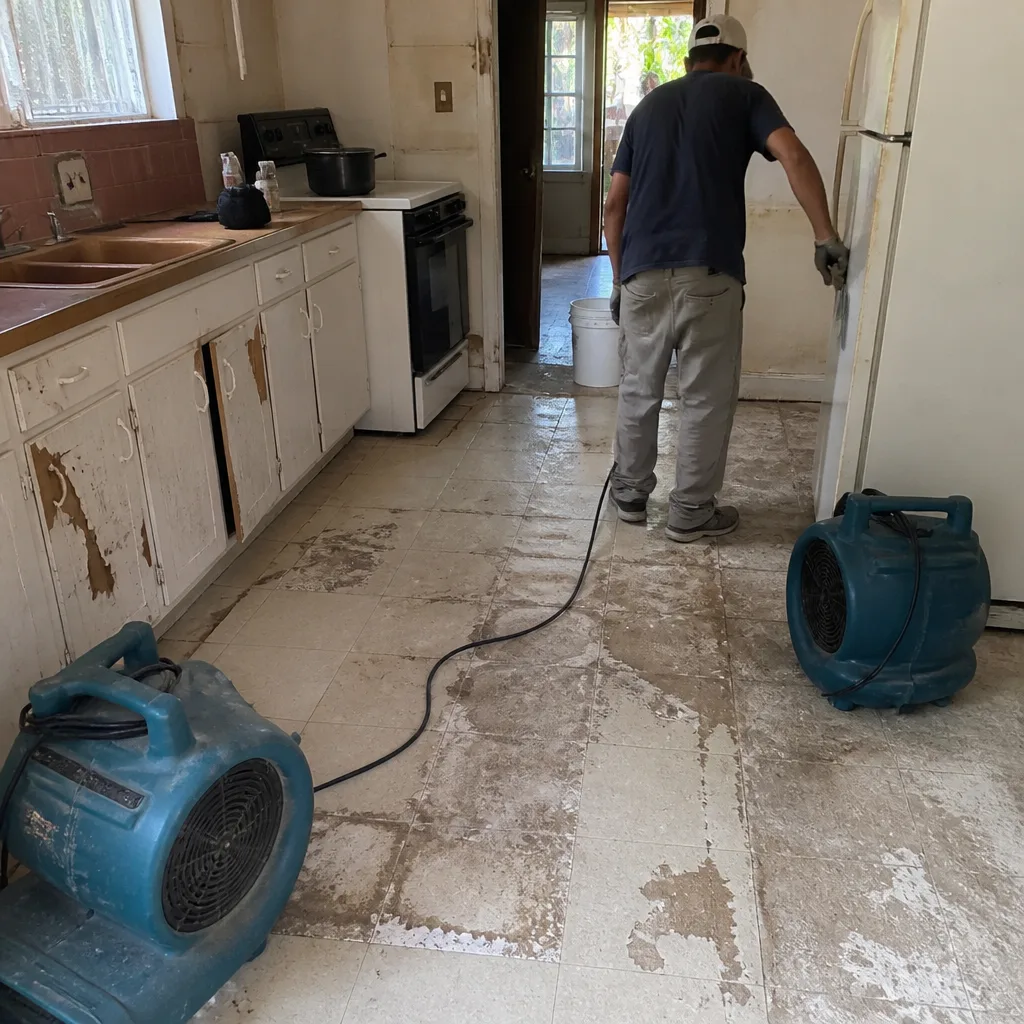 Before
 After
When to Call a Professional
Some projects you can nurse along yourself. Others require a licensed professional from day one: moving walls or altering anything structural, any electrical work beyond swapping a fixture, plumbing changes, and anything requiring a permit. In Miami-Dade, most work touching the above requires a permit, and pulling one is the contractor’s job, not yours.
We’ve also seen plenty of cases where the homeowner booked a tradesperson for a small repair, then discovered during demo that the wet area had no moisture barrier or the framing was compromised. That’s not a repair, it’s a remodel, and it deserves a proper plan. If you’re starting a kitchen, bath, or whole-home remodel in Miami Beach and want a written schedule before you commit, our General Contractor in Miami Beach page walks through how we quote. Penhallow Remodeling Miami Beach offers free estimates in Miami Beach. Call (844) 656-1986.
Frequently Asked Questions

Most Miami Beach home remodels run 10 to 24 weeks depending on scope, with the Miami-Dade permit review consuming 4 to 10 of those weeks before construction can start. A bathroom lands closer to 6 to 10 weeks; a kitchen to 10 to 16; a full gut to 16 to 24. Call (844) 656-1986 for a project-specific timeline built around your condo and product choices.
The Miami-Dade Building Department handles construction across the entire county, plus coastal flood-zone review and hurricane-era retrofit volume. A permit that clears in 10 business days in a smaller county routinely takes 30 or more here. No contractor can sprint past that queue. Call (844) 656-1986 and we’ll tell you what your specific scope will likely draw.
No. In Miami-Dade, work covered by a permit doesn’t legally start until the permit is issued and posted on site. Starting early risks stop-work orders, fines, and unwinding work that can’t be inspected. The permit is a hard gate, and no schedule is real if it ignores the gate. Call (844) 656-1986 to schedule a free estimate.
As a rough frame, bathroom remodels in Miami Beach typically run $18,000 to $45,000, kitchens often run $45,000 to $110,000 depending on cabinet line and countertop material, and full-home gut remodels climb from there. Cost depends on scope, materials, and how much 20th-century plumbing and electrical your walls are hiding. Call (844) 656-1986 for a written, line-item estimate before any work starts.
It shouldn’t, when the price is written before work begins. A written price, with a discovery-repairs clause that spells out what triggers a change order, is what you want in hand. Anything verbal is a verbal estimate. We give every Miami Beach homeowner a written number before a single cabinet is pulled or tile is set. Call (844) 656-1986.
Yes, usually. Most Miami Beach condo associations require a formal alteration application, drawings, contractor insurance certificates, and sometimes an engineer’s letter before they approve any unit work. Plan 4 to 8 weeks for association approval, and run it in parallel with design so it doesn’t stack on top of your permit timeline. Call (844) 656-1986 for help preparing the package.
The Bottom Line
The realistic answer to “how long does a contractor take” in Miami Beach is: longer than most timelines online, because they’re written for cities with faster permit queues. Build 4 to 10 weeks for Miami-Dade permit review into your plan, run condo board approval in parallel, and identify every long-lead window and door before demo day. Then ask for the schedule in writing. A contractor who gives you a specific start date, a defined arrival window, and a milestone list that names who controls each phase is one you can actually hold to the plan. The rest is paperwork.
Kitchen Remodeling in Miami Beach and Bathroom Remodeling in Miami Beach both follow the timelines in this guide. For whole-home projects, start from the Penhallow Remodeling Miami Beach home page to see how we quote and what’s in writing on every job. We install materials from brands including KraftMaid and Wellborn cabinetry, Cambria and Silestone countertops, and James Hardie siding, and those choices matter to lead time as well as longevity. Tell us your scope, your building, and your target start date, and we’ll give you a schedule that reflects the county, not a fantasy.
Get a Free Written Estimate
Call (844) 656-1986 to schedule your free estimate. Every Penhallow Remodeling Miami Beach project starts with a written price, a defined arrival window, a clean-site commitment, and the 365-Day Done Right Promise: if it’s not done right, we make it right, in writing. A live person answers the phone, and the call is free.
Written by the team at Penhallow Remodeling Miami Beach.