Last updated November 18, 2026

Free written scope consultation - allowances, timeline, and change-order rules on paper before a single trade is scheduled
DIY vs Professional General Contractor: What’s Safe to Do Yourself
Florida law lets homeowners pull their own building permits as “owner-builders,” and that’s the part most tutorials lead with. The part they skip: the same statute makes you personally liable for any structural defect for three years after the work is done, and it requires you to sign a disclosure saying you understand that. In our experience across Miami Beach, the real DIY question isn’t skill. It’s permits, licensing, and who owns the risk when something fails. This guide breaks down what Florida actually allows you to do yourself, what’s flat-out illegal to touch, and how to run a hybrid project where you handle the finishes and a licensed professional handles the permitted scope.
Quick Answer
You can legally DIY painting, demolition of non-load-bearing walls, finish hardware, tile backsplash, and cosmetic upgrades in Florida. You cannot legally DIY electrical, plumbing, or mechanical (HVAC) work in Miami-Dade, because those require licensed tradespeople regardless of your skill level. Anything structural, anything requiring a building permit, and anything affecting the building envelope is where the owner-builder exemption gets complicated fast – and where a licensed general contractor earns the money.
Styles & brands we work with
- Kitchen remodeling
- Bathroom remodeling
- Home additions & ADU
- Roofing
- Windows & doors
- Driveway & pavers
- Fence
Table of Contents
- What Florida’s owner-builder exemption actually covers
- The three trades you cannot DIY in Miami-Dade
- Jobs that are genuinely safe and cost-effective to DIY
- Why condo and HOA bylaws overrule your permit
- How to run a hybrid project with a licensed GC
- What the written contract should say
- When a permit is required and who pulls it
- Common mistakes we see on Miami Beach projects
What Florida’s Owner-Builder Exemption Actually Covers
Florida Statute 489.103(7) allows a homeowner to act as their own contractor on a single-family residence they own and occupy, without holding a contractor’s license. That’s the exemption. It sounds broad. In practice it’s narrow. The exemption applies only to a property you live in (or intend to live in), only to a single-family home or a duplex, and only for the structure you personally occupy.
Here’s the clause most DIY guides leave out. To use the exemption, you sign a disclosure stating that you understand you’re assuming all liability for the work, and that if the structure fails, you’re on the hook for three years. Not the inspector. Not the supply yard. You. If a homeowner-built deck collapses onto a neighbor’s property, the homeowner’s insurance may decline the claim because the work wasn’t done by a licensed contractor. We’ve watched this play out. A homeowner in Mid-Beach pulled his own permit for a bathroom gut, saved about $6,000 in margin, then discovered the shower pan he installed hadn’t been sloped to code and the subfloor had rotted through by year two. The repair cost more than the money saved.
What the exemption does not cover:
- Rental properties or investment homes (it applies only to your primary residence)
- Multi-family buildings, condos, or commercial structures
- Work on someone else’s property, even for free
- Any project where you sell the home within one year of completing the work
If any of those apply, the exemption is off the table and you need a licensed general contractor to pull the permit.
The Three Trades You Cannot DIY in Miami-Dade
Miami-Dade County enforces trade licensing tighter than most Florida counties, and this is where the “I watched a video, I can do it” plan hits a wall. Electrical, plumbing, and mechanical work each require a separate state license, and the county requires a licensed contractor to pull those permits. In Miami Beach, inspectors will fail a job on sight if they learn the homeowner did the trade work.
The scopes you can’t touch, regardless of skill:
- Electrical: running new circuits, moving outlets, replacing a panel, adding a dedicated line for a range, any work inside the panel itself. A licensed electrician is required.
- Plumbing: anything that touches supply lines or drain lines inside a wall or under a slab – including moving a sink, relocating a toilet, or rerouting a shower valve. Miami Beach homes built before 1975 often have cast iron drain lines that flex and crack when disturbed; we’ve opened walls in the Flamingo Park area to find a “DIY valve swap” that had been leaking into the wall cavity for months.
- Mechanical (HVAC): refrigerant lines, ductwork modifications, and equipment replacement all require a licensed mechanical contractor. This one surprises people – they assume a mini-split install is a Saturday project.
Work outside these three trades is where the DIY conversation becomes legitimate. But even then, Miami-Dade requires permits for structural alterations, additions, and anything affecting life safety. The permit isn’t the enemy, it’s the inspection – and the inspection is what protects you at resale.
Jobs That Are Genuinely Safe and Cost-Effective to DIY
We’ve walked through a lot of Miami Beach homes where the homeowner did some of the work themselves. The pattern is clear: the jobs that pay off in savings without creating liability are the cosmetic ones. Here’s the honest list of what makes sense.
- Demolition of non-load-bearing walls. Knocking down a closet wall or removing drywall from a partition is safe once you’ve confirmed it’s not structural and not hiding plumbing or electrical. Cost saved: $1,500 – $4,000 on a typical kitchen remodel. Confirm with a structural engineer or a licensed GC before you swing a sledgehammer – load-bearing walls and any wall containing plumbing or a panel need to stay.
- Painting. Interior painting is the highest return-on-effort DIY job there is. A full interior repaint in a 1,800 sq ft Miami Beach home runs $4,200 – $7,500 if hired out; material alone is $600 – $1,200. The catch is prep and moisture – salt air and humidity will bubble interior paint on unsealed walls, so use a mold-resistant primer.
- Finish hardware and fixtures. Cabinet pulls, door hardware, towel bars, light fixture swaps (with the breaker off and no new wiring), and faucet trim. Faucet trim (cosmetic cover only) is fine; the supply lines underneath are plumbing.
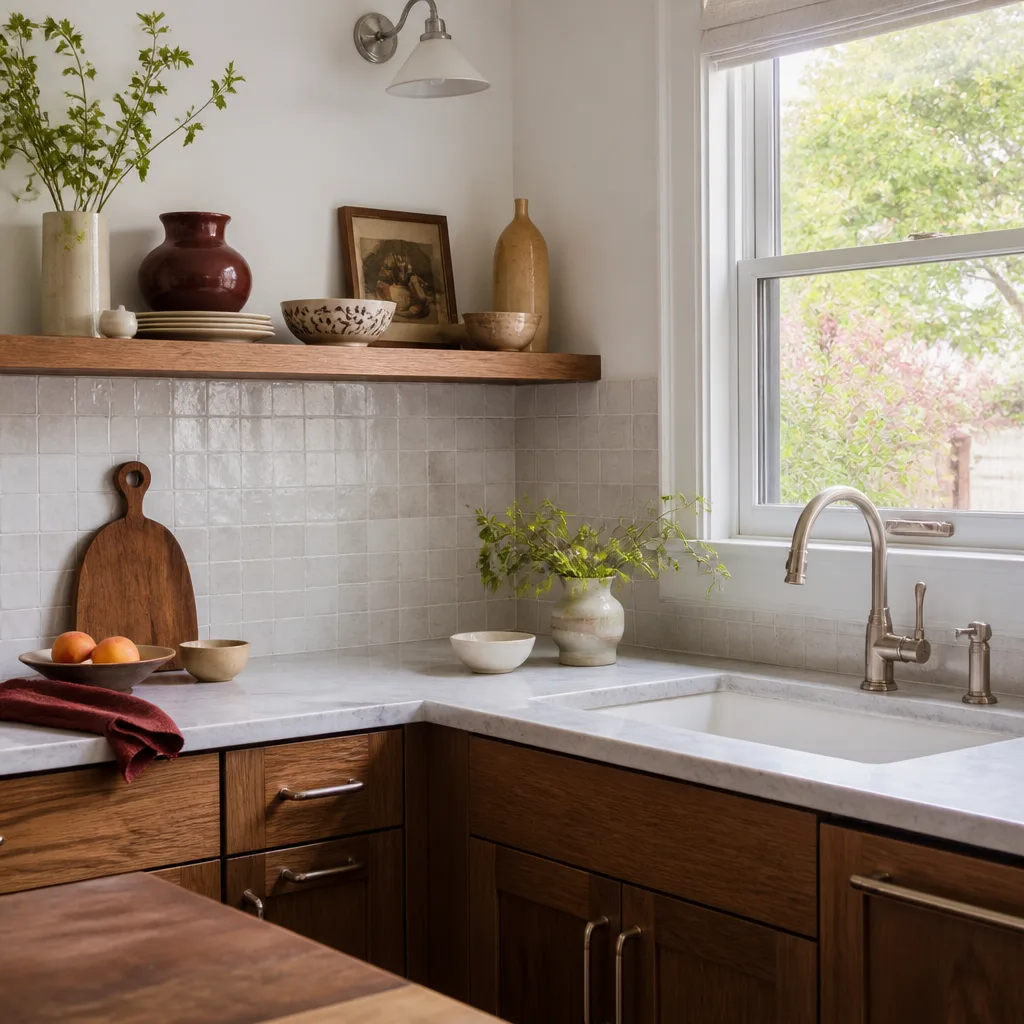
- Tile backsplash. Cosmetic and non-structural. Not for a shower or floor, where waterproofing and slope matter, but a kitchen backsplash is fine. Expect $800 – $2,000 in material and a weekend. Add a cement board substrate (the moisture-resistant layer behind your tile) even here; Miami Beach humidity finds a way through drywall.
- Landscaping and fencing. If the homeowners’ association allows it, fence installation (Barrette or Ameristar vinyl and aluminum are the products we see most in this market) and planting are low-risk.
What’s not a good DIY target: shower waterproofing, floor leveling, window replacement, roof repairs, and anything in the salt-air zone that requires a manufacturer warranty to hold. Cement board, waterproof membranes (Schluter, RedGard), and hurricane-rated windows all require specific installation techniques; a failed install voids the manufacturer warranty and often the insurance coverage.
Why Condo and HOA Bylaws Overrule Your Permit
This is the section most DIY guides skip entirely. In Miami Beach, a huge share of the housing stock is condominium and HOA-governed. Even where Florida law allows you to pull an owner-builder permit, your association’s declaration almost certainly overrides it. Typical condo bylaws prohibit any unit owner from pulling a permit in the building’s name, prohibit after-hours construction noise, and require building-management approval and a certificate of insurance before any work begins.
What this means in practice:
- You may not be able to pull the permit at all – the building or associaJon holds the permit, not you.
- You’ll need to submit the contractor’s insurance certificate, license, and scope of work to the association before demo day.
- If the building has a master insurance policy (most Miami Beach condos do), unapproved work can void the association’s coverage for your unit.
- Water intrusion from a DIY shower in a condo becomes a shared-property dispute with the building, the neighbors below, and the association’s insurer.
If you live in a North Beach or South-of-Fifth condo tower, read your declaration before planning any DIY project. Ten minutes with the bylaws saves three months of friction with the building.
How to Run a Hybrid Project with a Licensed GC
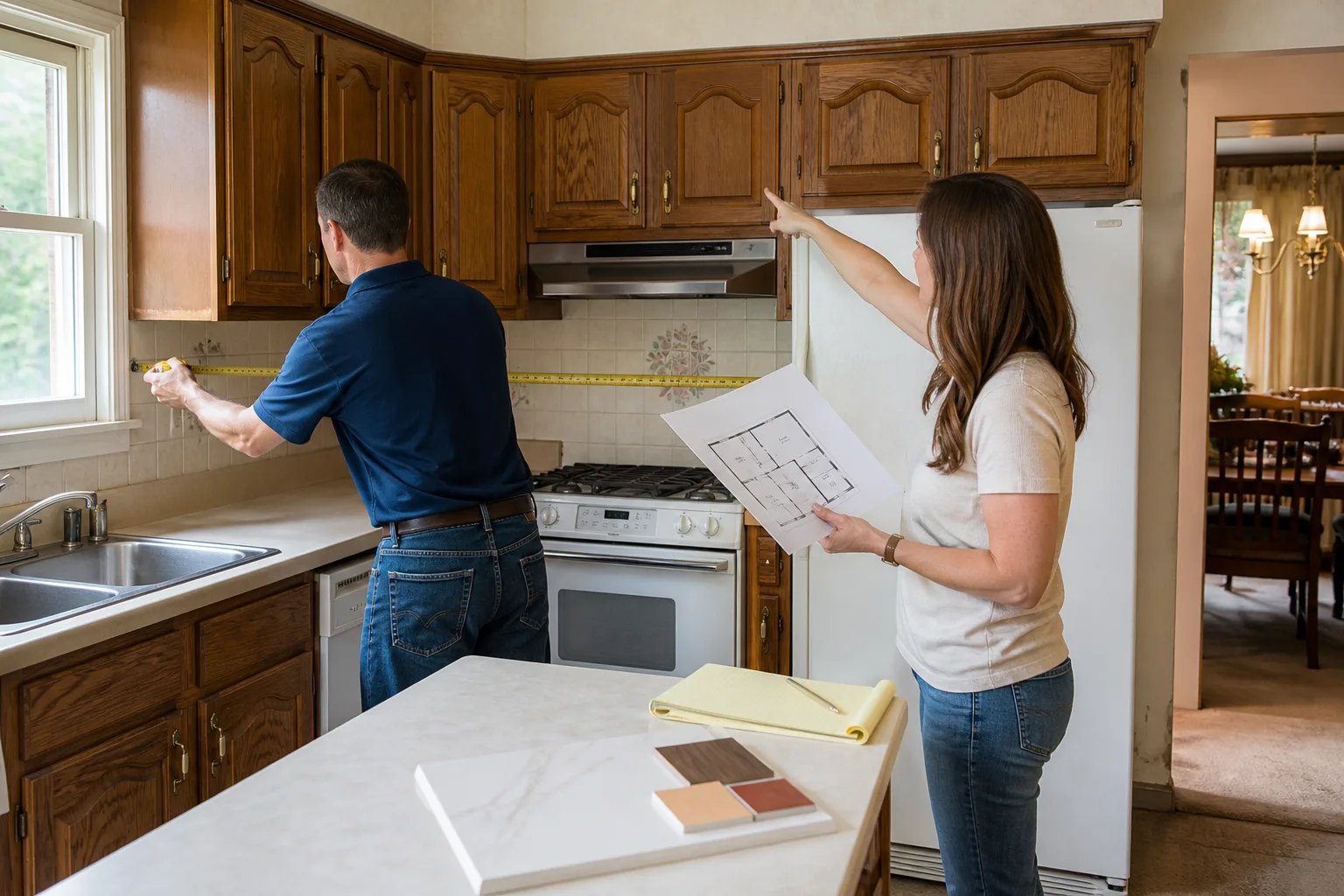
The best-value approach in Miami Beach isn’t pure DIY or pure hire-out. It’s a hybrid – you take the finish work, and a licensed GC covers the permitted scope and the trade work. We do this regularly, and it works when the boundary is written down before the first day.
A typical hybrid kitchen remodel looks like this:
- GC scope (licensed, permitted): demolition of load-bearing changes, electrical rough-in and panel work, plumbing relocation, cabinetry installation, countertop templating and install, drywall, and final inspections.
- Homeowner scope (DIY): painting after drywall, backsplash tile, cabinet hardware, fixture trim, and cleanup between phases.
- Schedule alignment: the homeowner’s tasks slot in after the GC’s phase completes and pass inspection, so no one is undoing anyone’s work.
Rules for a hybrid to work:
- The GC pulls every permit for the scope they touch. Never have two people pulling permits for one job.
- Every task is listed by name and by who does it, in the contract.
- The GC’s guarantee covers only their scope; your DIY work is your own risk. That’s a plain fact and any honest GC will say so.
- Both sides agree in writing on the inspection sequence before the crew arrives.
We’ve seen hybrid projects go sideways when the homeowner takes on a task that turns out to require a permit – say, moving a gas line for a new range. That’s when the schedule slips two weeks and the budget follows. Match the DIY scope to what genuinely doesn’t require a permit, and the hybrid model is the best value in this market.
What the Written Contract Should Say
A written contract is the difference between a hybrid project and a finger-pointing match. Most contractor complaints we hear start with “they told me verbally.” Never accept a verbal scope. The written contract should specify the following, and if any piece is missing, don’t sign it.
- A line-item price. Not a range, not a ballpark. A written number you can hold them to. If it changes after demo day, that’s a red flag – the price on day one should be the price on the invoice.
- Explicitly defined scope boundaries. Every task assigned to you, and every task assigned to the contractor. “Miscellaneous finish work” is not a scope line.
- Permit responsibility. Which permits the contractor pulls, which (if any) are yours, and who pays for the permit fees and inspections.
- Arrival windows. A defined arrival window isn’t a marketing flourish. It’s your ability to plan around the work.
- The written guarantee. Every legitimate contractor offers one in writing. Ask what it covers, for how long, and what happens if something fails. Our 365-Day Done Right Promise is on every project – if it fails inside the year, we come back and fix it at no charge.
- Insurance and licensing. Ask for proof of both. In Florida, a licensed contractor should produce a state license number and a certificate of insurance naming you, not just the company.
When a Permit Is Required and Who Pulls It
Here’s a quick reference for the Miami Beach remodel scopes we see most often.
- Permit usually required: structural changes, adding or moving walls, electrical rough-in and panel work, plumbing relocation, HVAC equipment and duct changes, window and door replacement in the building envelope, roof work, water heater replacement, bathroom and kitchen remodels (any scope involving the three trades).
- Permit sometimes required (call the county): fence installation over a certain height, deck additions, large landscaping regrading, gazebo and shed construction.
- No permit typically required: painting, interior tile backsplash, cabinet hardware, faucet trim, flooring over existing slab without structural change, interior cosmetic repair.
The rule of thumb in Miami-Dade: if it touches the structure, the electrical panel, the plumbing supply or drain lines, the HVAC ductwork, or the building envelope, it needs a permit and a licensed contractor to pull it. Cosmetic work done on top of that permitted scope is fair game.
One Miami Beach-specific wrinkle: the city’s historic-district overlays (parts of Española Way, the Art Deco district, and Collins Avenue) require a certificate of appropriateness from the Historic Preservation Board before any exterior work – including paint color choices in some cases. That review takes weeks. If your home is in an overlay district, the exterior scope is off the DIY table entirely.
Common Mistakes to Avoid
- Pulling an owner-builder permit on a rental property. The exemption applies only to your primary residence. The county will catch it at inspection, and the work may have to be torn out.
- Doing trade work under a cosmetic permit. We’ve seen homeowners pull a permit for a “cabinet replacement” and quietly move a drain line. The inspector’s visit is a full scope check, and anything outside the permit fails.
- Assuming the HOA approves because the county does. Miami Beach condo bylaws routinely prohibit homeowner-pulled permits. Confirm with the association first.
- Tiling a shower without proper waterproofing. Aesthetics look fine on day one. Water behind the wall travels. Miami Beach humidity makes any missing membrane express itself within months, not years.
- Using drywall in wet areas behind the sink or backsplash. Use cement board. The cost difference is small. The save is real.
- Buying material before the scope is drawn. A homeowner in Sunset Harbour once bought $3,400 of tile before the layout was finalized. Half of it didn’t fit the pattern and couldn’t be returned.
- Skipping the written contract on a hybrid project. “We agreed by text” is not enforceable in a dispute. The text history is a clue, not a contract.
See the difference
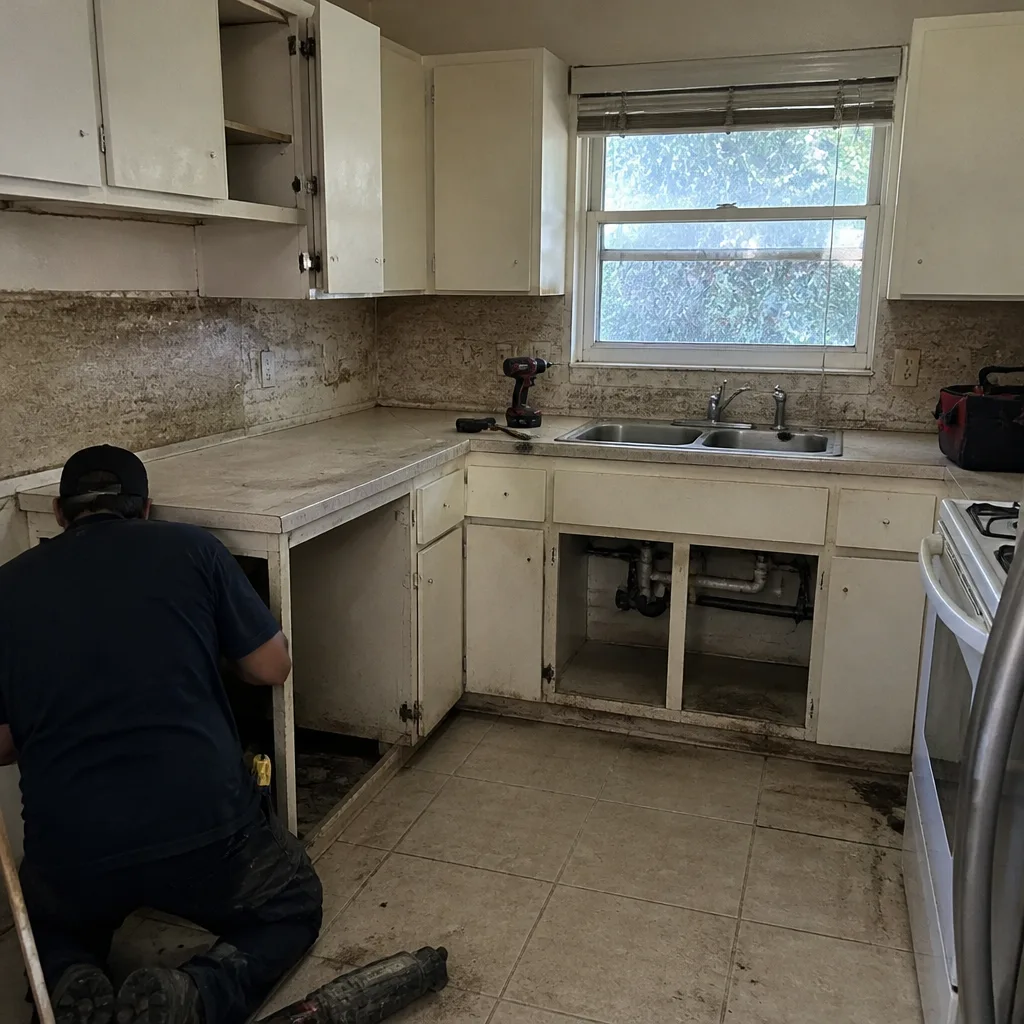 Before
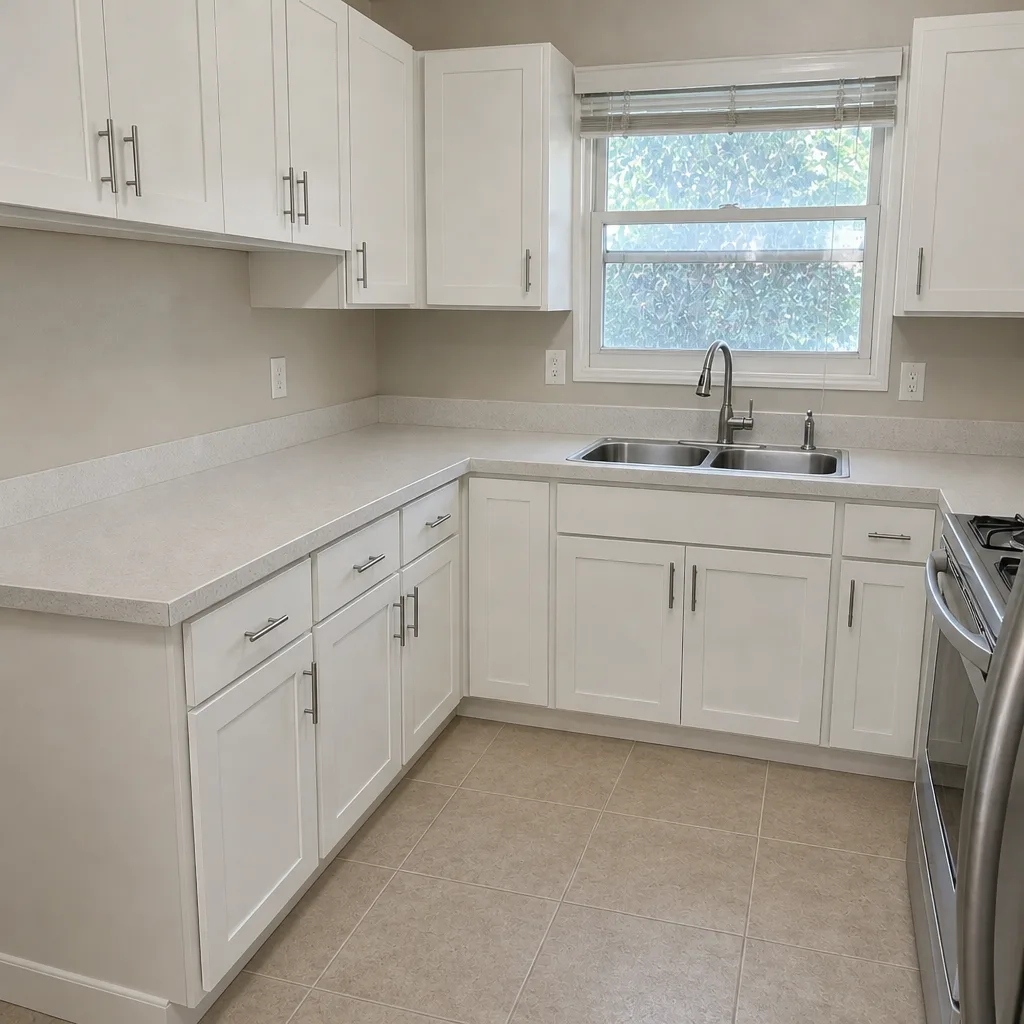 After
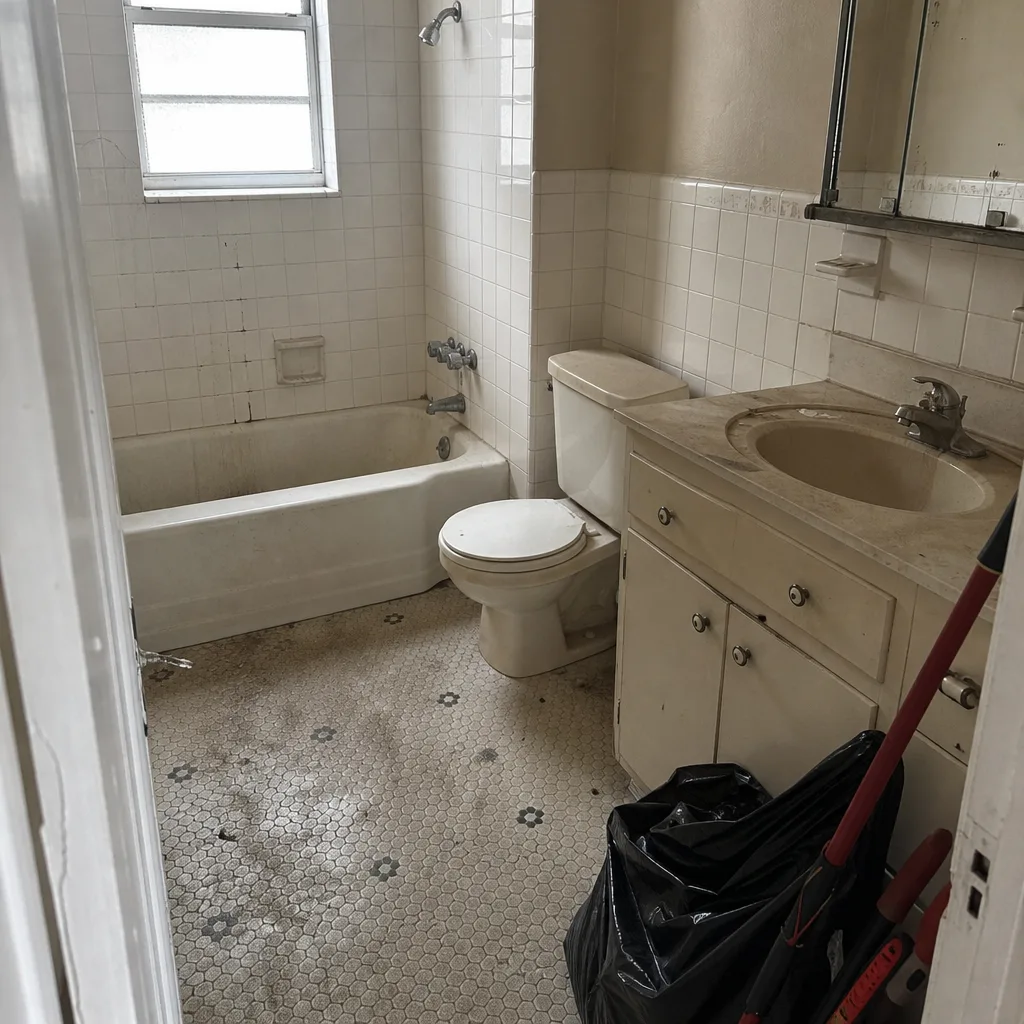 Before
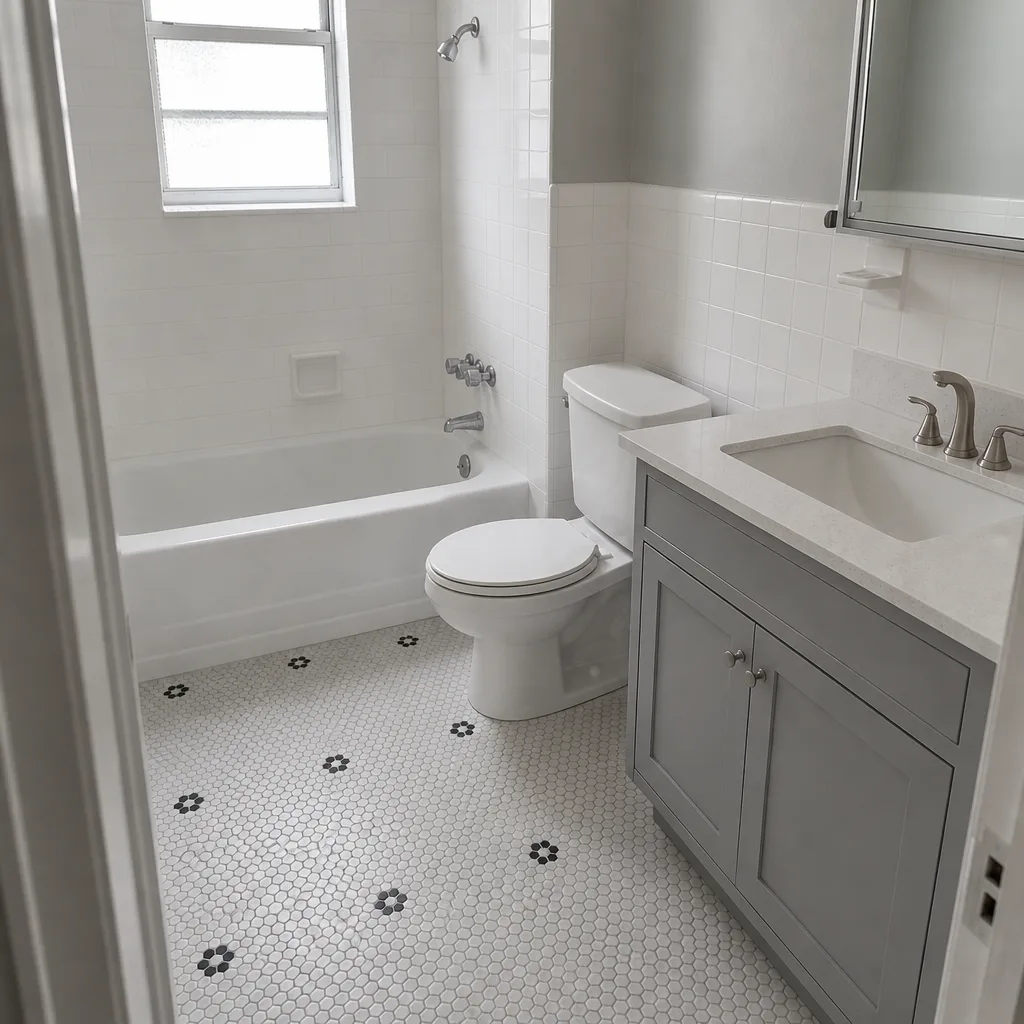 After
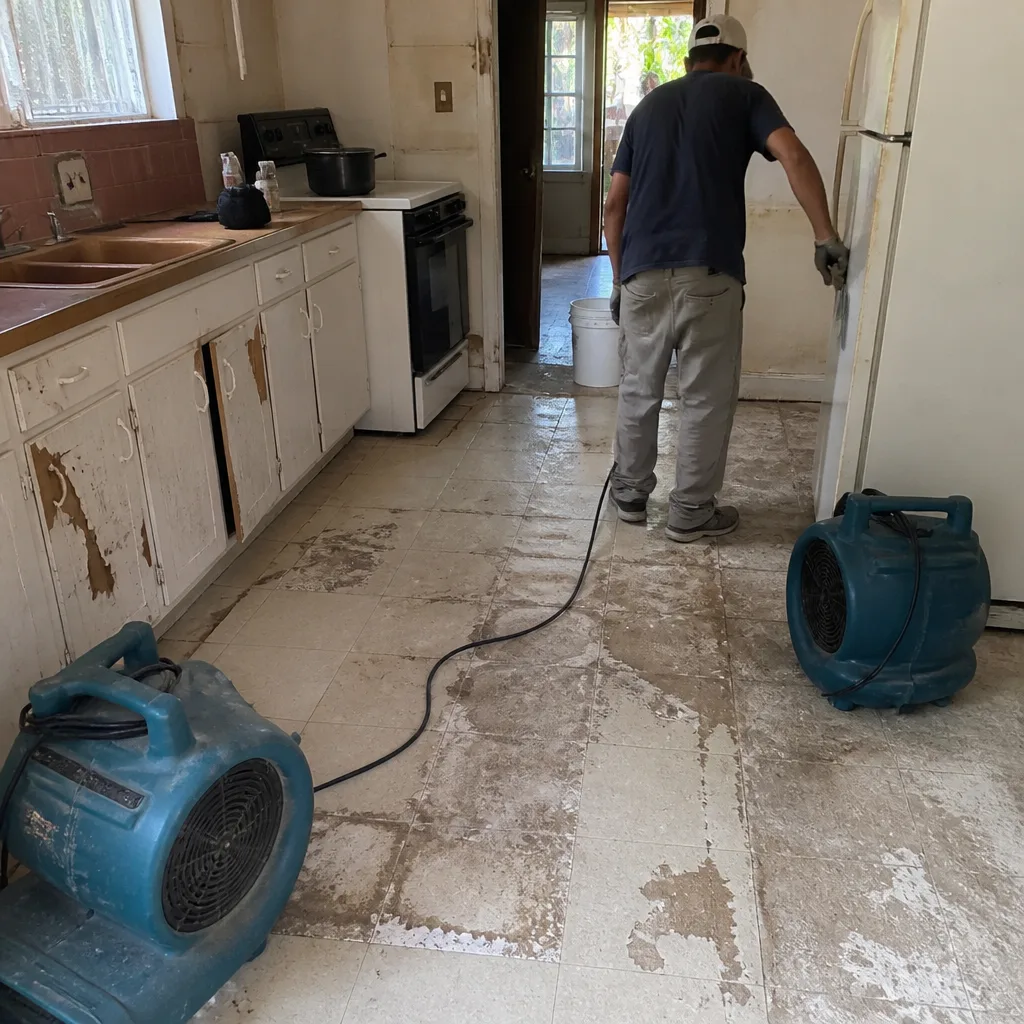 Before
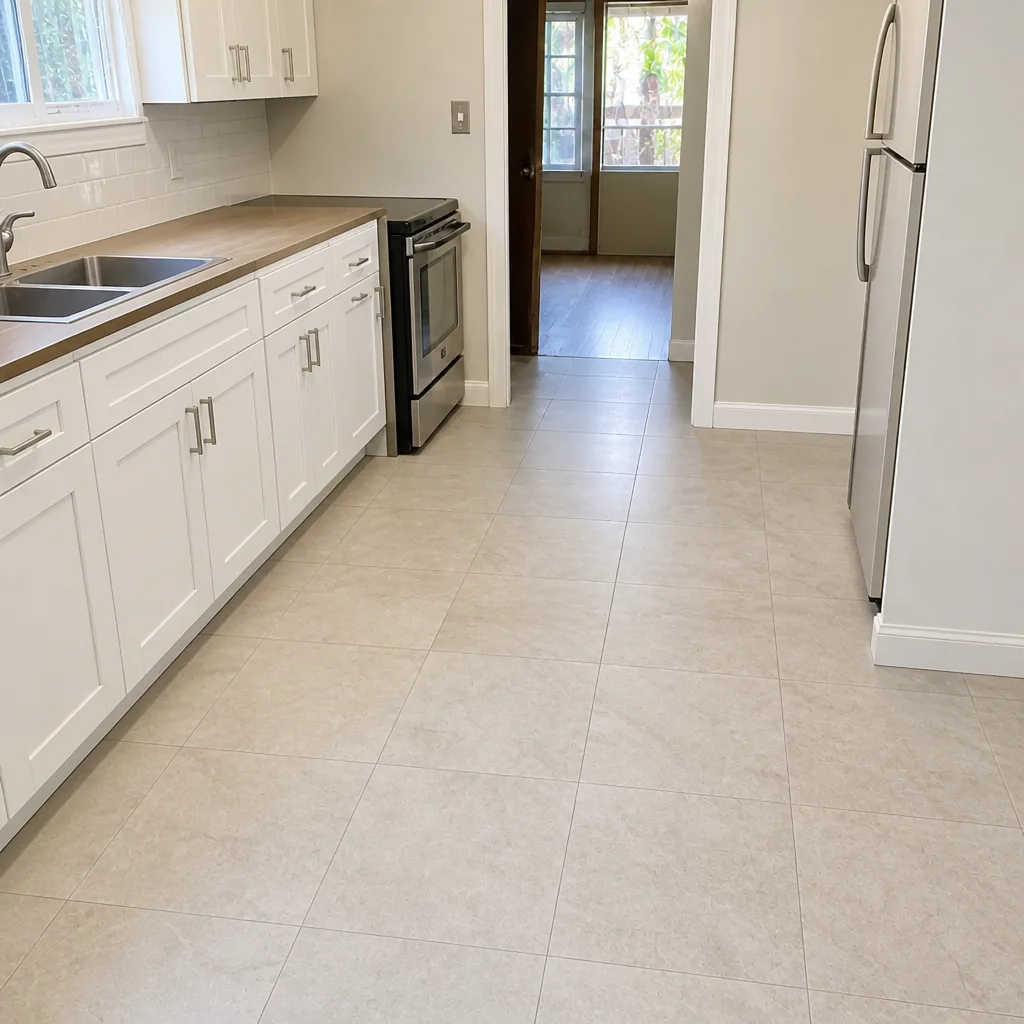 After
When to Call a Professional
Call a licensed general contractor the moment your scope touches any of the following: load-bearing structure, the building envelope, plumbing or electrical inside a wall, the HVAC system, or any project that requires a permit in a condo or HOA building. If your home sits in a historic overlay district, the exterior scope needs professional handling from the start – the review process is not DIY-friendly. And if you’re looking at a project over roughly $15,000 in scope, the risk-adjusted math usually tips toward hiring out; the owner-builder liability clause is real, and a written guarantee from a licensed contractor is worth more than the margin you save.
If you’re anywhere in Miami Beach and want a second opinion on your scope before you start, Penhallow Remodeling Miami Beach offers free estimates – call (844) 656-1986. We’ll walk the scope with you and tell you straight which parts make sense to DIY and which parts need a license. If you’re planning a broader remodel, our Penhallow Remodeling Miami Beach home page lays out what we do and how we price it, and our Kitchen Remodeling in Miami Beach and Bathroom Remodeling in Miami Beach pages cover the two room types where DIY scope decisions matter most.
Frequently Asked Questions

Yes, if the property is your primary residence and it’s a single-family home or duplex you occupy. The owner-builder exemption under Florida Statute 489.103(7) lets you pull permits without a contractor’s license – but you sign a disclosure accepting personal liability for any defect for three years, and the exemption does not apply to rentals, condos, or commercial property. In a Miami Beach condo, your association’s bylaws will likely prevent it regardless of state law.
No. Electrical work requires a licensed electrician and a permit pulled by that license holder. Miami-Dade enforces this strictly, and any work inside the panel or on new circuits is illegal to DIY. Cosmetic fixture swaps with the breaker off are the limit – anything involving wiring is not. Call (844) 656-1986 if you need a scope walked before you start.
Painting, cabinet hardware, kitchen backsplash tile, fixture trim, and demo of clearly non-structural, non-plumbing walls. Everything else – cabinet install, countertop templating and install, electrical, plumbing, and drywall in the wet zone – should be done by a licensed crew. On a typical Miami Beach kitchen remodel running $18,000 – $55,000, the DIY-safe portion usually represents $2,000 – $5,000 in savings.
It can. Most policies cover permitted, professionally-installed work and exclude damage from unpermitted or unlicensed work. If a homeowner-installed shower pan leaks into a neighbor’s unit, the insurer may deny the claim because the work wasn’t done by a licensed contractor. That’s the clause in the owner-builder disclosure you’re signing. Read it before you start.
If the scope touches plumbing, electrical, or mechanical – which a bathroom remodel almost always does – yes. Moving a shower valve, relocating a toilet, and adding a dedicated circuit for a towel warmer all require permits. Cosmetic tile and paint on top of the permitted scope do not. If you’re a condominium owner, confirm with the building before pulling anything.
Ask for a written line-item price that separates permit scope from finish scope, and a written guarantee on their work. A licensed GC should be able to quote the permitted portion of a hybrid project without pushing you to do the whole job. We do this regularly in Miami Beach – call (844) 656-1986 to set up a free estimate, and see our General Contractor in Miami Beach page for how we structure those projects.
The Bottom Line
The honest answer to “what can I DIY” isn’t a list of skills – it’s a list of scopes. In Miami Beach and across Miami-Dade, cosmetic work (paint, backsplash, hardware, non-structural demo) is fair game, and it’s a real savings on a remodel. Trade work, structural work, and anything touching the building envelope is not only risky, it’s illegal to DIY, and the owner-builder exemption doesn’t change that. Condo bylaws add a second layer the county doesn’t. And every hybrid project needs a written contract, a written price, and a written guarantee – which is what we put on every job. If you want a gut check on your scope before you start, call us. Estimates are free, and the phone is answered by a real person.
Ready to price your project or talk through what’s safe to do yourself? Call Penhallow Remodeling Miami Beach at (844) 656-1986 for a free estimate. We’ll walk the scope with you, give you a written price before any work starts, and tell you plainly which parts you can take on and which parts need a license. Every job comes with background-checked, uniformed technicians and our 365-Day Done Right Promise in writing. If you’d like to see how we approach a permitted remodel from start to inspections, look at our bathroom remodel and kitchen remodel services – or start with our General Contractor in Miami Beach overview to see how the hybrid model works on a real project.
Written by the team at Penhallow Remodeling Miami Beach.