Last updated November 18, 2026








Free written scope consultation - allowances, timeline, and change-order rules on paper before a single trade is scheduled
General Contractor Troubleshooting: Common Problems and How to Fix Them
The complaint we hear most often from homeowners isn’t about crooked tile or a cabinet door that hangs wrong. It’s about silence. A contractor finishes 95% of a job, packs up the tools, and then the phone stops working. Voicemail. No return calls. That final 5% – the punch list, the trim that doesn’t quite meet, the caulking that fails – sits unfinished for months because the person who promised to fix it has effectively disappeared.
We’ve spent enough time in Miami Beach homes to know that the problems which matter most don’t show up during the build. They surface six weeks after the crew leaves, when the contractor’s number goes to voicemail. This guide maps the most common failures to their root causes and tells you exactly which ones a written guarantee should already cover.
Quick Answer
Most post-remodel problems fall into four buckets: cosmetic settling that’s actually normal, water intrusion from Miami Beach humidity, punch-list abandonment where a contractor disappears before finishing, and subcode work that fails inspection. The fix depends on the bucket, but the common thread is documentation – the written price, the written guarantee, and a paper trail that protects you when the contractor goes quiet.
Styles & brands we work with
- Kitchen remodeling
- Bathroom remodeling
- Home additions & ADU
- Roofing
- Windows & doors
- Driveway & pavers
- Fence
Table of Contents
- Cosmetic Settling vs. Structural Movement: What’s Normal in the First 90 Days
- What Callback Work Is and How to Document It
- When the Contractor Goes Silent: The Certified Letter That Works
- How Florida’s Construction Lien Law Can Work Against You
- What a 365-Day Workmanship Guarantee Should Say
- Failed Inspections: Causes and Fixes
- Building a Punch List That Holds Up
- Permits and Code in Miami Beach
Cosmetic Settling vs. Structural Movement: What’s Normal in the First 90 Days
New construction moves. Drywall shrinks as it cures, caulk lines open a hair, doors that fit on day one need a quarter turn on the hinges by week six. That’s normal and it’s expected. What’s not normal is movement that gets worse each week, or movement that shows up in horizontal lines along a foundation wall or ceiling joint.
Here’s how to tell the difference in a Miami Beach home:
- Normal: Hairline cracks at drywall seams, corners, or above door frames that stop growing after four to eight weeks. Caulk shrinkage at tub surrounds and backsplashes.
- Watch it: Cracks wider than the thickness of a nickel, cracks that reappear after being patched, or diagonal cracks running from the corner of a window or door frame.
- Call someone now: Door or window frames that go out of square, floors that slope visibly, cracks wider than an eighth of an inch, or any crack you can fit a coin into.
Miami Beach sits on limestone and sand, and homes on the barrier islands shift more than inland homes because the water table moves with the tide. A certain amount of settling is baked into the local climate. What isn’t normal is movement that accelerates. If a hairline crack becomes a half-inch gap in two months, that’s not settling – that’s a structural question, and it needs a licensed engineer, not a handyman.
The 90-day window matters because that’s when most workmanship failures show up and when a written guarantee should still be live. If your contractor can’t tell you which cracks fall under the guarantee and which don’t, ask for it in writing. A repair covered on day 90 should still be covered on day 90 – that’s the whole point of a Penhallow Remodeling Miami Beach home warranty.
What Callback Work Is and How to Document It
Callback work is any return visit a contractor makes to fix something that failed after the job was signed off. It’s not a new job, and it shouldn’t be billed as one. Most contractor disputes start here, because the homeowner assumes a problem is covered under the guarantee and the contractor quietly treats it as out of scope.
The way to prevent that argument is documentation, and it starts on day one:
- Get the guarantee in writing before demo day. It should name what’s covered – workmanship, materials, labor – and for how long. A verbal “we’ll take care of you” is worth nothing in a dispute.
- Photograph the finished work at handoff. Every room, every corner, every fixture. Date-stamped photos on your phone are your strongest evidence if a problem surfaces at week six.
- Report problems in writing, the same day you notice them. Email or text is fine. Include the photo, the date you noticed it, and a plain description. “Master bath caulk line failing along the tub surround, noticed 3/14” beats a vague phone call.
- Ask for a callback confirmation in writing. When the contractor says they’ll come back, ask them to confirm the date in text. If they won’t, that’s your early signal.
We’ve seen this play out dozens of times in South Beach and Mid-Beach condos, where a contractor does the rough work, gets paid, and treats the callback as a favor rather than a contract term. The fix is a written guarantee with a defined return window – not just a promise to “make it right,” but a specific number of days within which they’ll return. If a repair fails inside the guarantee period, we come back and fix it at no charge, and we make that promise in writing on every project. That’s the standard every homeowner should expect, whether they hire us or anyone else in Miami Beach.
When the Contractor Goes Silent: The Certified Letter That Works
If a contractor stops returning calls after project completion, you don’t go straight to a lawyer. You send a certified letter with return receipt requested. That one act shifts the legal landscape in your favor, because it establishes a dated record that you notified them of a problem and gave them a defined window to respond.
Here’s a template you can adapt:
- Header: Your name, address, phone, email. The contractor’s legal business name and address (pull it from your contract or the DBPR license lookup, not from a business card). The date.
- Job reference: Contract date, project address, total project cost, and the written guarantee reference if there is one.
- The problem, plainly stated: “On [date], we observed [specific defect]. Photographs are attached.” Include one to five photos. Don’t editorialize.
- The ask: “We request that you schedule a return visit within 14 calendar days to inspect and repair the items listed.” Give a specific deadline. Two weeks is reasonable; 30 days is generous.
- The consequence: “If we do not hear from you by [date], we will pursue other remedies available under Florida law, including filing a complaint with the Florida Department of Business and Professional Regulation.” State it once, calmly. Don’t threaten.
- Signature block and a copy kept for your records.
Send it certified mail with return receipt. Keep the receipt. In our experience, the certified letter resolves most silent-contractor disputes within a week, because the contractor knows that a paper trail is the first step toward a DBPR complaint and a lien dispute. In Miami Beach, where the local contractor community is small and reputation travels fast, a certified letter is often enough on its own.
How Florida’s Construction Lien Law Can Work Against You
Florida’s Construction Lien Law gives subcontractors and suppliers the right to file a lien against your property if they aren’t paid for work performed on your home – even if you already paid the general contractor in full. This is the part that surprises homeowners, and it’s where a lot of post-project trouble starts.
The protection is a Notice to Owner (NTO), which you should receive from every sub and supplier within 45 days of starting work. If you get one and you’re paying the general contractor, you can protect yourself in two steps:
- Request a written release of lien from every sub and supplier before you make the final payment. This is standard practice, and any reputable general contractor will provide it.
- Don’t pay in full before punch-list sign-off. Hold back the final draw – typically 5% to 10% of the project cost – until the punch list is complete and signed off in writing. This is your leverage if the contractor disappears.
A general contractor working in Miami Beach should be pulling permits through Miami-Dade County and, where applicable, through the City of Miami Beach building department, and should be able to produce a lien release before you hand over the last check. If your contractor asks for final payment before the punch list is closed, that’s a red flag, and it’s one that costs homeowners thousands every year in South Florida. Our General Contractor in Miami Beach process requires a written scope, a written price, and a written guarantee before work starts, which makes the close-out straightforward – you know exactly what “done” means before you sign anything.
What a 365-Day Workmanship Guarantee Should Say (and What Vague Language Kills)
A workmanship guarantee is only as strong as the language in it. The vague phrase “we stand behind our work” sounds reassuring and means almost nothing in a dispute. A guarantee that’s actually enforceable names the covered items, the duration, the exclusions, and the process for making a claim.
Here’s what a real 365-day guarantee should specify:
- Covered items: Tile installation, caulking, cabinet installation, fixture installation, drywall finish, paint, trim, and any other work performed under the contract.
- Duration: 365 days from date of substantial completion. Written in plain language, not “one year from acceptance.”
- What happens if something fails: “If a covered item fails within the guarantee period, we will return and repair or replace it at no charge to the homeowner.” No call-out fee, no re-inspection fee.
- Exclusions: Damage from acts of God, homeowner modifications, or failures caused by pre-existing structural conditions. These should be named, not buried.
- Materials warranty: Separate from workmanship. A Cambria quartz countertop carries its own lifetime warranty alongside ours, so the homeowner has two layers of protection – one from the manufacturer, one from us.
Vague phrases that make guarantees unenforceable: “as needed,” “at our discretion,” “reasonable wear and tear,” “normal” (undefined), and “subject to conditions.” If you see those phrases in a guarantee, ask the contractor to define them in writing before you sign. If they won’t, that tells you everything you need to know. Every project we complete carries the 365-Day Done Right Promise in writing, which means if the work fails inside the year, we return and fix it at no charge. A free second visit if a repair fails – no service call, no re-inspection fee – is the floor, not the ceiling.
Failed Inspections: Causes and Fixes
A failed inspection is almost never the inspector’s fault. It’s almost always a scope, sequencing, or documentation failure on the contractor’s side, and it’s one of the most common post-project problems we hear about in Miami Beach.
Common causes we’ve seen:
- Permit discrepancy: Work performed outside the scope of the permit. Adding a fixture, changing a drain, or moving a wall after the permit was pulled triggers a failed inspection.
- Missing inspection at the right phase: Miami Beach requires specific phase inspections – rough-in, framing, electrical, plumbing, and final. If the contractor skipped one to “save time,” the final inspection fails.
- Product spec mismatch: Impact-rated windows and doors are required in Miami-Dade and Broward counties, and an inspector will check for the Miami-Dade Product Control approval number on every opening. James Hardie siding, Therma-Tru doors, and other exterior products need the right spec number for the zone.
- Electrical and plumbing code details: Missing GFCI protection in wet areas, improper venting, or undersized wire in a new kitchen. These are fixable, but they cost time.
The fix is to have the contractor return with the inspection report in hand, pull the exact code sections cited, and complete the work in the order the inspector listed. If the contractor refuses to return, call the Miami Beach building department directly – they’ll tell you what’s missing and, in most cases, the next step. A written price before work starts should include all permit and inspection costs, which means the final inspection is part of the job, not a surprise line item.
Building a Punch List That Holds Up
A punch list is the written list of items that aren’t finished or need correction before final payment. If it’s done well, it protects both sides. If it’s done as a verbal walkthrough, it protects no one.
- Walk the building with the contractor on the last day of work. Bring the contract, the plans, and a camera. Walk room by room.
- Photograph everything that isn’t right. Each photo should be date-stamped and referenced in the written list.
- Write each item as a separate line, with location and description. “Master bath, caulk line along the tub surround, failing” – not “bathroom issues.”
- Rank each item as a category: A = must be fixed before final payment; B = fix within 30 days; C = cosmetic, can wait. This keeps the list from being a standoff.
- Get it signed by both parties. A signed punch list is a contract modification. It binds the contractor to the list and gives you the standing to hold back final payment until it’s closed.
The punch list is where abandonment happens most often, in Miami Beach and everywhere else. It’s also why we require a clean punch list sign-off before final payment on every job. Say the price before the work. Show up in the window we gave. Leave the place cleaner than we found it. That’s The Kingswell Way, and it’s the standard the punch list should be measured against. For a kitchen specifically, the Kitchen Remodeling in Miami Beach process runs through a punch-list walkthrough before cabinets, counters, and fixtures are considered closed.
Permits and Code in Miami Beach
Permits in Miami Beach aren’t a formality – they’re a legal record that the work was done to code, and they matter for resale, insurance, and the workmanship guarantee itself.
- Pull the permit before demo. Miami-Dade County and the City of Miami Beach both require permits for kitchen remodels, bathroom remodels, and most structural or electrical changes. Work done without a permit can be red-tagged, and the homeowner is on the hook for the cost of correction.
- Check the product approval number on exterior products. Miami-Dade impact ratings apply to windows, doors, shutters, and some exterior cladding. The number is on the product label and must match the permit.
- Plan for the inspection schedule. Miami Beach inspections require specific phases, and a contractor who misses a phase inspection delays the entire job. A written timeline should include the inspection schedule.
- Get the final inspection signed before final payment. A passed final inspection is the last box to check before the job is legally closed.
If a contractor tells you permits “aren’t needed” or “we’ll pull them after demo,” find another contractor. In our experience, the permit conversation tells you almost everything about how the rest of the job will go. Every bathroom and kitchen we take on in Miami Beach gets permits pulled and inspections passed before we call the job complete, and the paperwork is available to the homeowner on request. If you’re weighing a bath project, the Bathroom Remodeling in Miami Beach page walks through what the permit and inspection schedule looks like in a typical Miami Beach home.
Common Mistakes to Avoid
- Paying in full before the punch list is closed. The final draw is your only leverage if the contractor disappears, and it’s the most common mistake we see in Miami Beach post-project disputes.
- Accepting a verbal guarantee. If the guarantee isn’t in writing, it doesn’t exist. Get the covered items, the duration, and the claim process in writing before work starts.
- Skipping the walkthrough. A verbal “looks good” from the contractor at handoff protects no one. Do a room-by-room walkthrough and photograph everything.
- Ignoring a Notice to Owner. If a sub or supplier sends an NTO and you don’t request a lien release, you can end up paying twice – once to the contractor and once to the lien claim.
- Hiring on price alone. The cheapest bid is usually cheapest because something is missing from the scope, and you’ll find out at week six when the callback happens.
- Not pulling permits. A remodel without permits can be red-tagged, and the correction cost lands on the homeowner, not the contractor.
- Letting caulk and grout go unaddressed. In Miami Beach humidity, a failing caulk line at a tub surround becomes a water-damage claim if it’s left too long. Re-caulk at the first sign of a gap.
See the difference
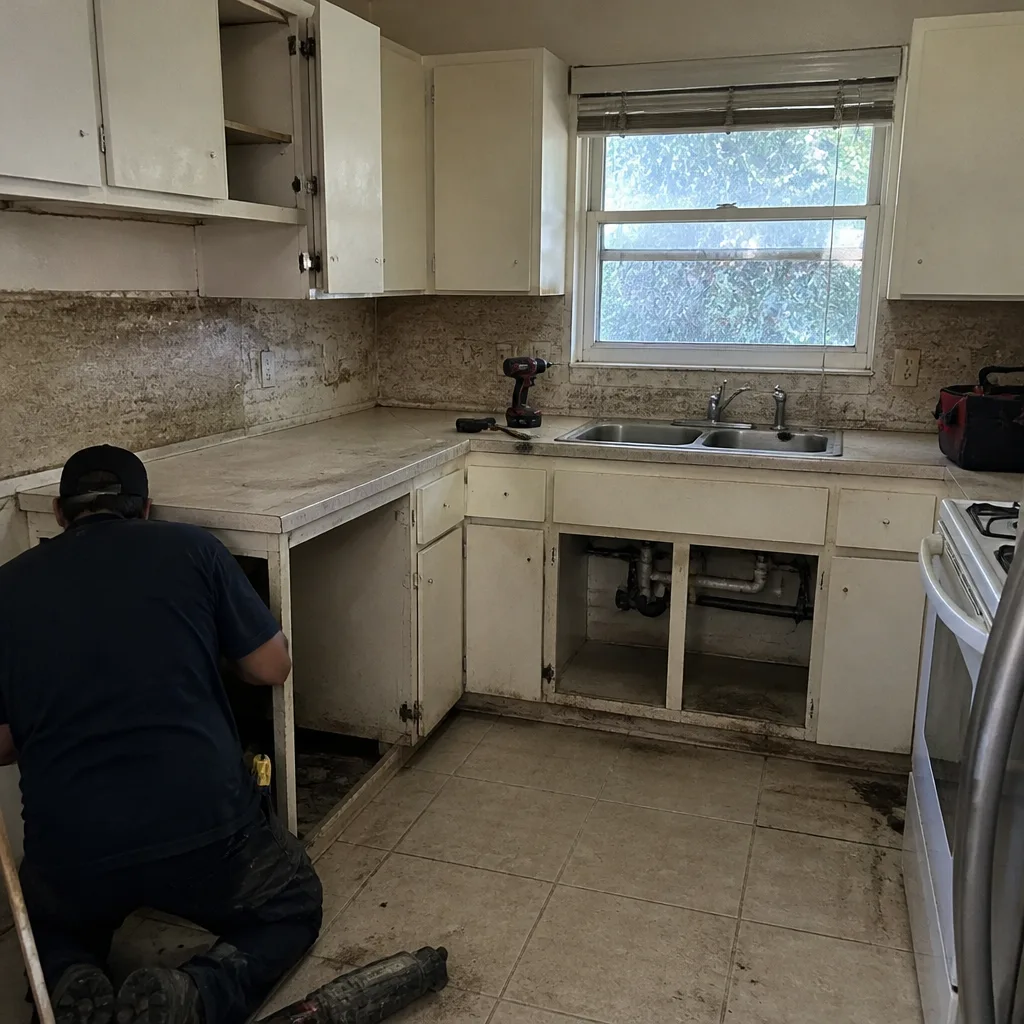 Before
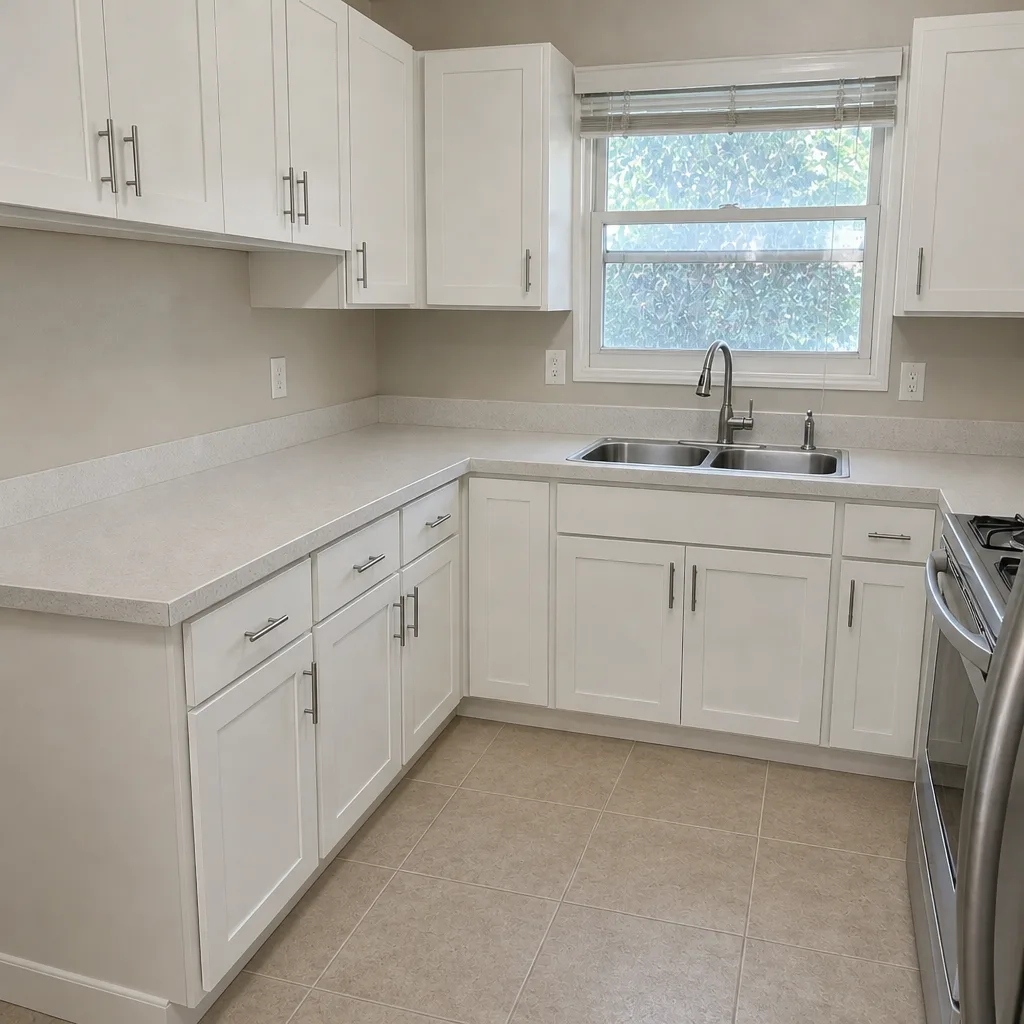 After
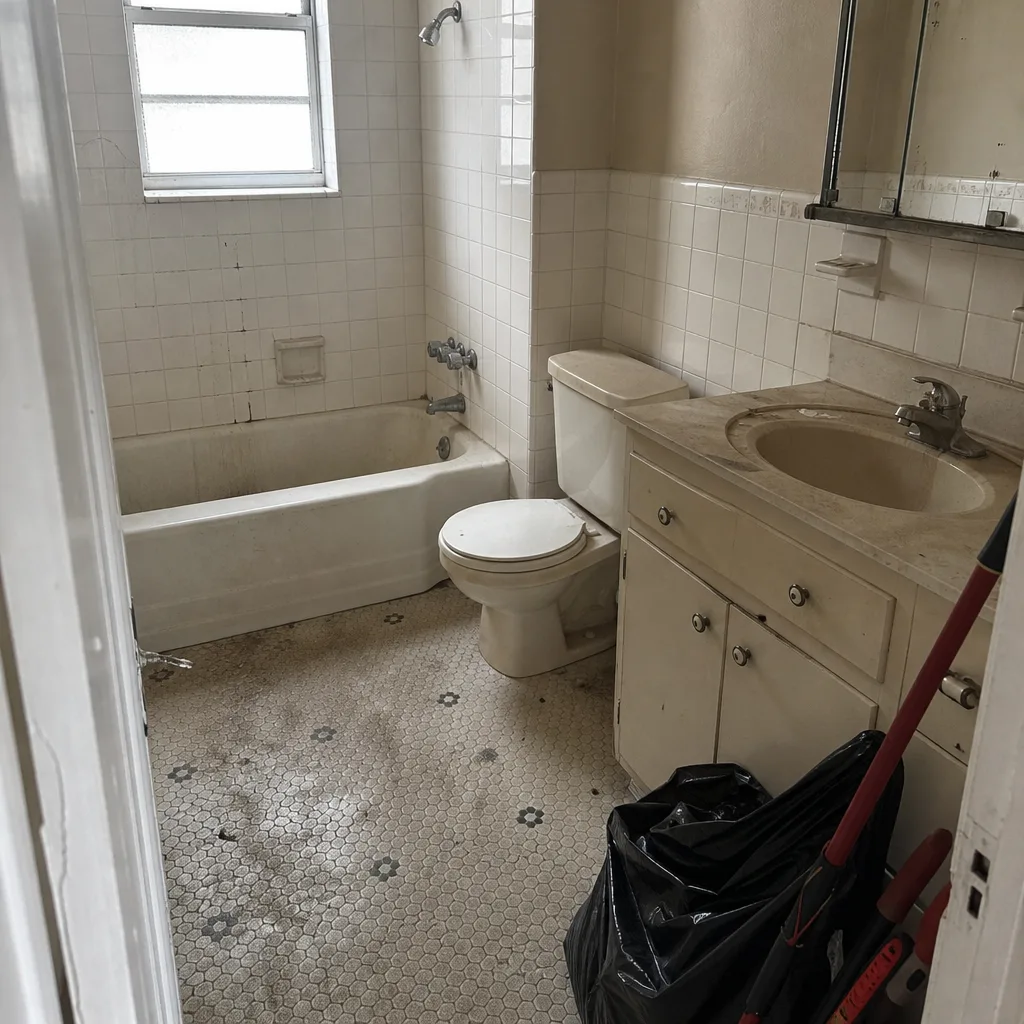 Before
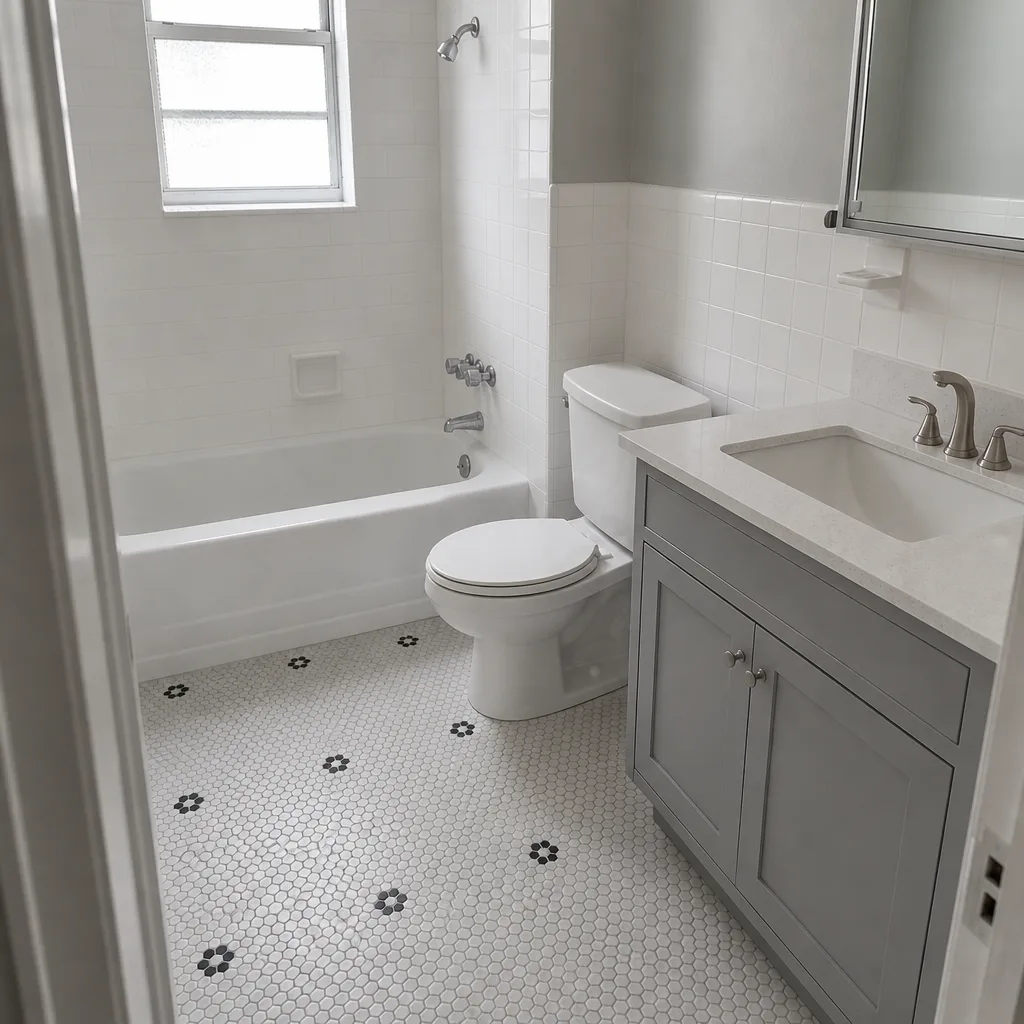 After
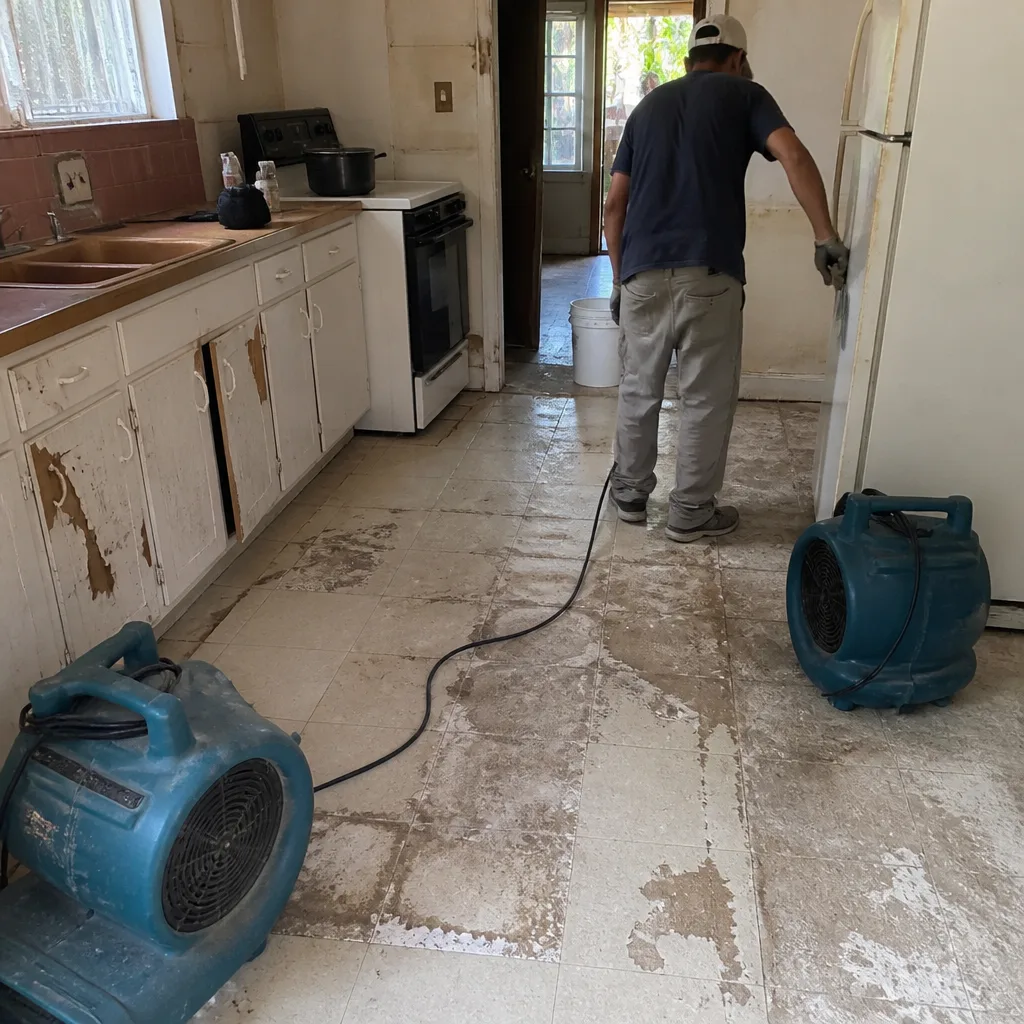 Before
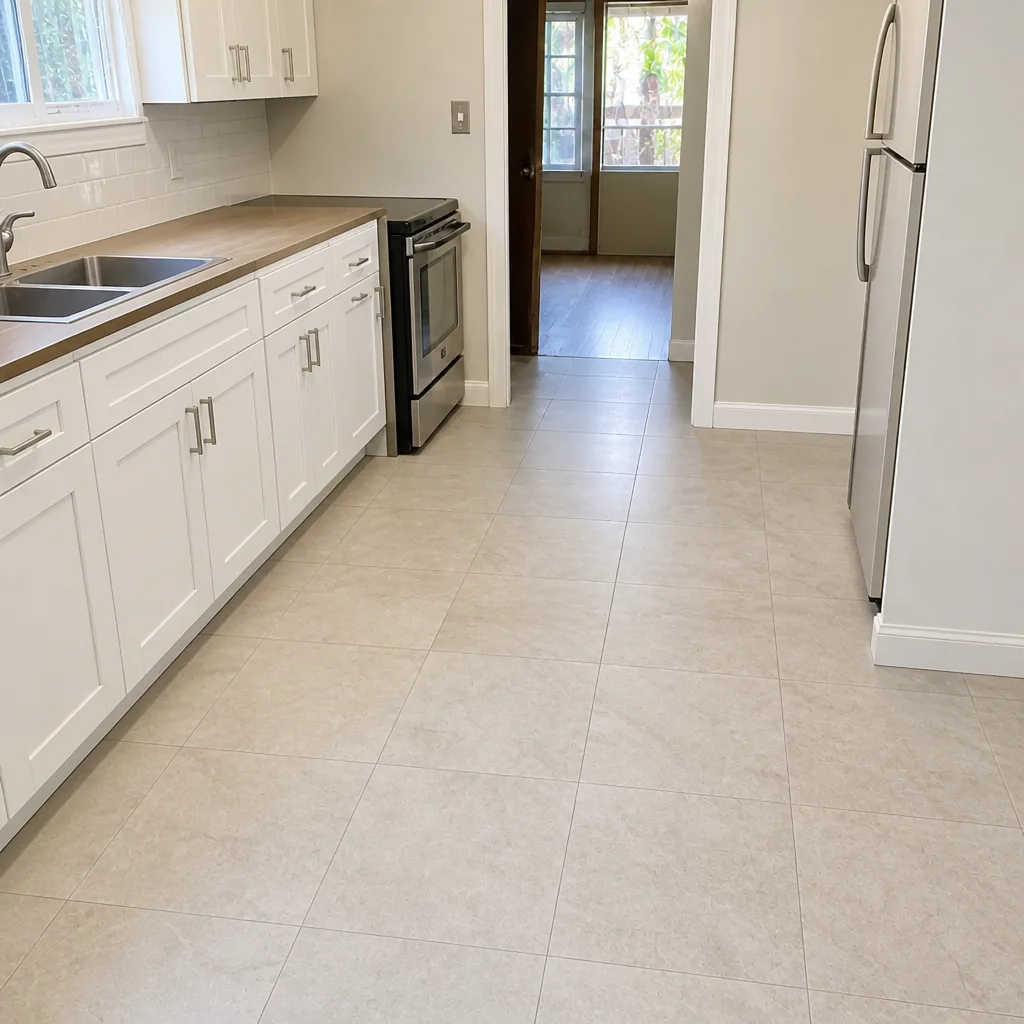 After
When to Call a Professional
Some problems need a professional return visit, not a homeowner’s weekend attempt. If you’re seeing structural movement, a failed inspection, water intrusion behind tile, or a contractor who’s stopped returning calls, that’s a call, not a patch. Structural cracks wider than an eighth of an inch, doors that go out of square, or floors that slope need a licensed engineer. Water staining behind a shower wall, a failed drain pan, or a subfloor that’s soft underfoot needs a contractor with a moisture meter and a written scope. And if a repair was done under a guarantee and it fails again, the second visit should cost you nothing.
Penhallow Remodeling Miami Beach offers free estimates in Miami Beach – call (844) 656-1986. A live person answers, day or night. When we come out, you’ll get a written price before any work starts, an arrival window, and a written guarantee that spells out what’s covered and what happens if something fails.
Frequently Asked Questions

A workmanship guarantee should run at least 365 days from substantial completion. Our 365-Day Done Right Promise covers workmanship for a full year and includes a free return visit if a repair fails – no service call and no re-inspection fee. If a guarantee offers less than a year, ask why and get the answer in writing.
Cosmetic caulk failures at a tub surround or backsplash are generally safe to re-caulk yourself, and it’s a reasonable weekend project. If the failure is wider than a quarter inch, if it’s reappeared twice in the same spot, or if there’s water staining behind it, call the contractor, because that pattern points to a moisture problem behind the tile rather than a surface issue. In Miami Beach humidity, a recurring caulk failure is worth a professional look before it becomes a water-damage claim.
Send a certified letter, return receipt requested, naming the specific defects, the dates, and a 14-day window for the contractor to return. State plainly that if you don’t hear back, you’ll file a complaint with the Florida Department of Business and Professional Regulation. Keep the receipt. In most cases this resolves the matter within a week.
No. Hold the final draw – typically 5% to 10% of the contract price – until the punch list is signed off in writing. This is the standard practice and your only real leverage if the contractor disappears after demo. Any reputable contractor will accept this arrangement without argument.
Hairline cracks at drywall seams and above door frames are normal settling and generally stabilize within four to eight weeks. Cracks wider than an eighth of an inch, diagonal cracks from the corners of windows or doors, and doors that go out of square are not normal, and they need a licensed engineer to inspect. When in doubt, photograph the crack, measure it, and check it again in two weeks. If it’s grown, call someone.
Yes, for any work that touches electrical, plumbing, structural, or mechanical systems – and kitchen and bathroom remodels almost always do. Miami-Dade County and the City of Miami Beach both require permits and phase inspections. Work done without a permit can be red-tagged, and the correction cost falls on the homeowner. Ask for the permit number before work starts, and ask for the final inspection sign-off before final payment.
The Bottom Line
Most contractor problems aren’t failures of skill. They’re failures of documentation and follow-through, and they show up six weeks after the crew leaves. The remedy is a written price, a written guarantee with named covered items and a defined return window, a signed punch list, and a held final draw until the list is closed. If the contractor goes silent, the certified letter is your next move. If a repair fails inside the guarantee period, the second visit should cost you nothing. In Miami Beach, where coastal humidity makes every caulk line and every shower pan work harder, those written commitments are the difference between a finished remodel and an open-ended one.
Penhallow Remodeling Miami Beach puts the price and the guarantee in writing before a single cabinet is pulled or tile is set. Call (844) 656-1986 for a free estimate – a live person answers, and the number we give you on day one is the number on the invoice. Every job is backed by the 365-Day Done Right Promise, background-checked and uniformed technicians, and materials from brands we stand behind: KraftMaid and Wellborn cabinetry, Cambria and Silestone countertops, Kohler and Moen fixtures, James Hardie siding. Each Penhallow location is independently owned and operated as part of the Kingswell family of companies, operating to The Kingswell Way. Our technicians have up to 22 years of experience. Licensed and insured, written price first, and a guarantee you can hold us to.
Written by the team at Penhallow Remodeling Miami Beach.