Last updated November 18, 2026








Free written scope consultation - allowances, timeline, and change-order rules on paper before a single trade is scheduled
Construction Warning Signs: A Miami Beach Homeowner’s Reference Guide
A hairline crack in the stucco of a Miami Beach home is almost never just settling. On a barrier island where salt air, driving rain and years of sun work on a building every single day, that thin line is often a channel for saltwater to reach the steel inside your concrete. The gap between a $400 stucco patch and a $40,000 structural remediation is usually the difference between reading the sign in year one and ignoring it until year six. This guide teaches you to read the building itself: what spalling looks like versus a stain, which crack patterns mean structural movement, and when a cosmetic issue quietly becomes a legal disclosure item in a Miami Beach sale.
Quick Answer
In Miami Beach, the most serious construction warning signs are rust-colored stains on concrete or stucco (rebar corrosion already underway), stair-step or L-shaped cracks in stucco (structural movement, not thermal expansion), foggy or hazy impact glass viewed from inside (a failed window seal), and blistered seams or ponding water on flat and low-slope roofs common to MiMo and Art Deco buildings. Catching these in the first year keeps a repair small; missing them lets saltwater and moisture turn a cosmetic fix into a structural one.
Styles & brands we work with
- Kitchen remodeling
- Bathroom remodeling
- Home additions & ADU
- Roofing
- Windows & doors
- Driveway & pavers
- Fence
Table of Contents
- Concrete Spalling Versus Surface Staining
- Reading Stucco Crack Patterns
- Impact Window Seal Failure You Can Spot Indoors
- Flat and Low-Slope Roof Warning Signs
- When a Cosmetic Issue Becomes a Florida Disclosure Item
- How the Coastal Climate Accelerates Failure
- A Seasonal Inspection Checklist for Miami Beach Homes
Concrete Spalling Versus Surface Staining
Spalling and staining both show up as discoloration on concrete and stucco, but they’re telling you different stories. Staining sits on the surface: irrigation rust, dirt splash, mineral deposits. Spalling means the concrete itself is breaking away, and that’s a structural message. In Miami Beach, the pattern and location tell you which one you’re looking at.
Rust staining on reinforced concrete is the sign that matters most. When you see an orange-brown bleed radiating outward from a spot, especially along a balcony edge, an overhang, a colonnade or a parking structure, the steel rebar inside has already begun to corrode. Salt air pushes chloride into the concrete, the steel expands as it rusts, and the expanding steel cracks the concrete from the inside out. By the time you can see the rust on the surface, the rebar is compromised.
- Surface stain: flat discoloration, wipes or rinses away, no change in texture.
- Active spalling: a rust-colored center with a visibly cracked or crumbling halo, concrete flaking off in chips or plates.
- Latent spalling: a hollow sound when tapped (a surveyor’s hammer test) and a faint rust bloom with no chips yet. This is your chance to act early.
Spalling clusters on the windward, salt-exposed faces of a building and around wet zones: the bases of columns, sills, parapets and any spot that stays damp. We regularly see it concentrated on the ocean-facing balconies of mid-century condominiums and the street-level columns of Art Deco commercial buildings. A patch that hides the rust without treating the steel underneath buys you a year or two, then it comes back.
Reading Stucco Crack Patterns
Most stucco cracks in Miami Beach are thermal movement and harmless. The stucco expands and contracts with the daily heat cycle, and a thin, random, hairline crack in an open field of wall is usually nothing to worry about. The cracks that demand attention follow a pattern. Pattern is everything.
Here’s how to sort them:
- Hairline, random, field-of-wall cracks: typically thermal expansion. Monitor them; if a crack stays under the width of a credit card edge and doesn’t grow, it’s cosmetic.
- Stair-step cracks: they run diagonally in a staircase pattern, often from a corner of a window or door opening. This mimics the path mortar takes between block courses and usually signals differential movement in the structure behind the stucco.
- L-shaped cracks: they turn a hard 90 degrees at a corner, a common pattern where a wall meets a soffit or a wing wall attaches to the main structure. An L-shape often points to two building elements moving apart.
- Widening or active cracks: any crack you can watch get wider over a season, or one that’s opening at the top or bottom, needs engineering eyes, not a caulk gun.
In Miami Beach, we’ve watched stair-step and L-shaped cracks appear after foundation movement tied to our high water table and sandy, shifting soil. They also follow poor drainage, where water pools against a slab footing. A stucco crack that’s letting water reach the cement board substrate (the moisture-resistant layer behind your stucco) is an entry point, and saltwater in that layer corrodes the lath and fasteners. If you can slide a probe or a thin wire into a crack and meet softness, the substrate is already wet.
Impact Window Seal Failure You Can Spot Indoors
You can catch a failing impact window long before water ever reaches your drywall, and the view from inside is where the clues live. Impact glass is a laminated assembly: two panes bonded to a tough interlayer. When that assembly’s perimeter seal fails, humid air slips between the layers and fogs the glass from the inside. No amount of wiping clears it. That haze, seen from indoors, is the early warning.
What to look for from inside a Miami Beach home:
- Persistent interior fogging or a hazy film between the panes that never clears, especially on the hottest, most humid days.
- Moisture or droplets trapped inside the glass unit or collecting in the frame channel after a storm.
- Gaps or shrinkage at the perimeter sealant, where the glass meets the frame, visible as a dark line or separation.
- Water staining on the interior sill or drywall beneath the window, even faint tide marks, which means water has already found its way in.
- Condensation on the room side that forms only on one window while others stay clear, a sign that unit has lost its seal.
A failed seal doesn’t just fog the glass. It lets moisture into the frame and the wall opening behind it, and in our humidity that moisture feeds mold and rots wood framing before it shows outside. Replacing a single glazed unit early costs far less than repairing a water-damaged wall cavity. If you’re planning a larger update and want the opening done right from the frame out, our General Contractor in Miami Beach team can assess the whole envelope.
Flat and Low-Slope Roof Warning Signs
Miami Beach’s MiMo and Art Deco architecture means a lot of flat and low-slope roofs, and they fail differently than pitched roofs. Water doesn’t shed off a flat roof; it lingers, and that standing water is the enemy. The warning signs show up on the roof surface and at the seams.
- Ponding water that sits for more than 48 hours after rain. Poor slope or a settled deck is trapping water, and the membrane underneath is being tested every storm.
- Blistered, bubbling or wrinkled membrane. Trapped moisture or trapped air has lifted the roofing material from the deck, and the seal is broken.
- Open or lifting seams. On the flat roofs common along the MiMo district, the lap seams are where water gets in first.
- Rusty nails, fasteners or flashing. Corrosion around penetrations, vents and parapet edges means the metal is giving way.
- Interior ceiling stains or a musty smell in the top floor, the classic sign the membrane has already let water through.
Deck movement matters here too. If the roof deck feels spongy underfoot or you notice a dip where water pools, the structural deck below the membrane may have absorbed moisture. On a Miami Beach flat roof, sun and salt break down sealants faster than inland, so seams and flashing need a look after every storm season. A small seam repair now is cheaper than replacing a saturated roof section later.
When a “Cosmetic” Issue Becomes a Florida Disclosure Item
Here’s the part most homeowners learn too late: in Florida, a known defect you don’t disclose can become a legal problem when you sell. Florida law requires sellers to disclose known material defects that affect a property’s value or safety. A crack you’ve decided is “cosmetic” can qualify as a material defect if a buyer’s inspector flags it and it turns out to be structural. Stair-step stucco cracks, active spalling and a leaking flat roof are exactly the kind of items that turn into a negotiated credit or a failed closing.
The practical benefit of reading your building early is that you control the narrative. If you’ve had a professional assess a crack and documented the repair, you can disclose a fixed issue with confidence rather than a looming unknown. In Miami Beach’s fast-moving real estate market, buyers’ inspectors are sharp about coastal construction, and they know what salt damage looks like. Catching a warning sign in year one, repairing it properly and keeping the paperwork puts you ahead. Ignoring it for years does the opposite: you inherit a defect you’re now obligated to disclose and possibly a price reduction to match.
How the Coastal Climate Accelerates Failure
Building materials anywhere age. In Miami Beach they age against a specific combination: salt-laden air, near-constant humidity, intense sun and a high water table. Chloride from sea spray is the quiet accelerant. It settles on concrete and steel, migrates into microscopic cracks, and speeds up the corrosion that causes spalling. The salt doesn’t need a storm to do its work; it deposits a little every day.
The daily heat cycle does the rest. Stucco and concrete expand in the afternoon sun and contract at night, and that constant flex opens the hairline cracks salt then invades. The high water table keeps soil around footings wet, so foundations sit in moisture year-round, which is why foundation-related crack patterns show up here more than inland. And barrier-island wind exposure means the rain hits walls at an angle, driving water into any gap rather than running off.
This is why coastal warning signs are so often misread as cosmetic. The forces at work are slow and constant, so the damage looks minor until it isn’t. Reading the building means understanding that in Miami Beach, a small stain or a thin crack is a report on all four of those forces at once.
A Seasonal Inspection Checklist for Miami Beach Homes
A focused walk-around twice a year, before and after storm season, catches most of what this guide covers. You don’t need tools beyond your eyes, a flashlight and a coin for tapping. Work through this list in order:
- Walk the exterior walls. Look for rust blooms, chipping concrete and stair-step or L-shaped cracks. Tap suspect concrete with a coin and listen for a hollow sound (a sign of latent spalling).
- Check every window from inside. Look for fogging between panes, water droplets, tide marks on the sills and any gap at the perimeter seal.
- Inspect the flat roof from a safe vantage. Note ponding, blistered membrane, lifting seams and rusty fasteners. Do not walk a flat roof yourself; this one is a look-and-call.
- Look at drainage. Confirm water flows away from the foundation, not toward it, and check that gutters and scuppers aren’t clogged with debris.
- Scan the interior top floor. Any ceiling stain or musty smell means water has been getting in from above.
- Photograph and date anything you find. A dated record of a small crack helps you prove it hasn’t grown, and it’s useful at resale.
Two items on that list are genuinely hazardous to self-inspect: the roof surface and any active structural movement. High or flat roof work and diagnosing structural cracks are jobs for trained professionals. Don’t get up on the roof, and don’t try to fix a moving crack with patching compound. Flag it and call.
Common Mistakes to Avoid
- Calling every stucco crack “settling.” A stair-step or L-shaped crack that’s widening is structural movement, and a patch hides it while it gets worse.
- Painting over rust stains. The stain is showing you rebar corrosion underneath. Covering it traps moisture and lets the steel expand until the concrete breaks away.
- Ignoring foggy impact glass. That haze viewed from inside is a failed seal letting moisture into your wall. Wiping it won’t fix it; it needs the unit replaced.
- Treating ponding on a Miami Beach flat roof as normal. Water sitting more than two days points to a slope or deck problem, and the membrane is failing every storm.
- Assuming a “cosmetic” defect won’t follow you to closing. Known material defects are disclosure items in Florida; catching them early keeps you in control of the sale.
- Letting saltwater reach exposed lath and fasteners. Water getting behind stucco corrodes the metal, and by then a surface repair is far too late.
- Patching structural movement yourself. A caulk-and-paint fix over a moving crack guarantees a repeat, and you’ve lost a year of early repair you can’t get back.
See the difference
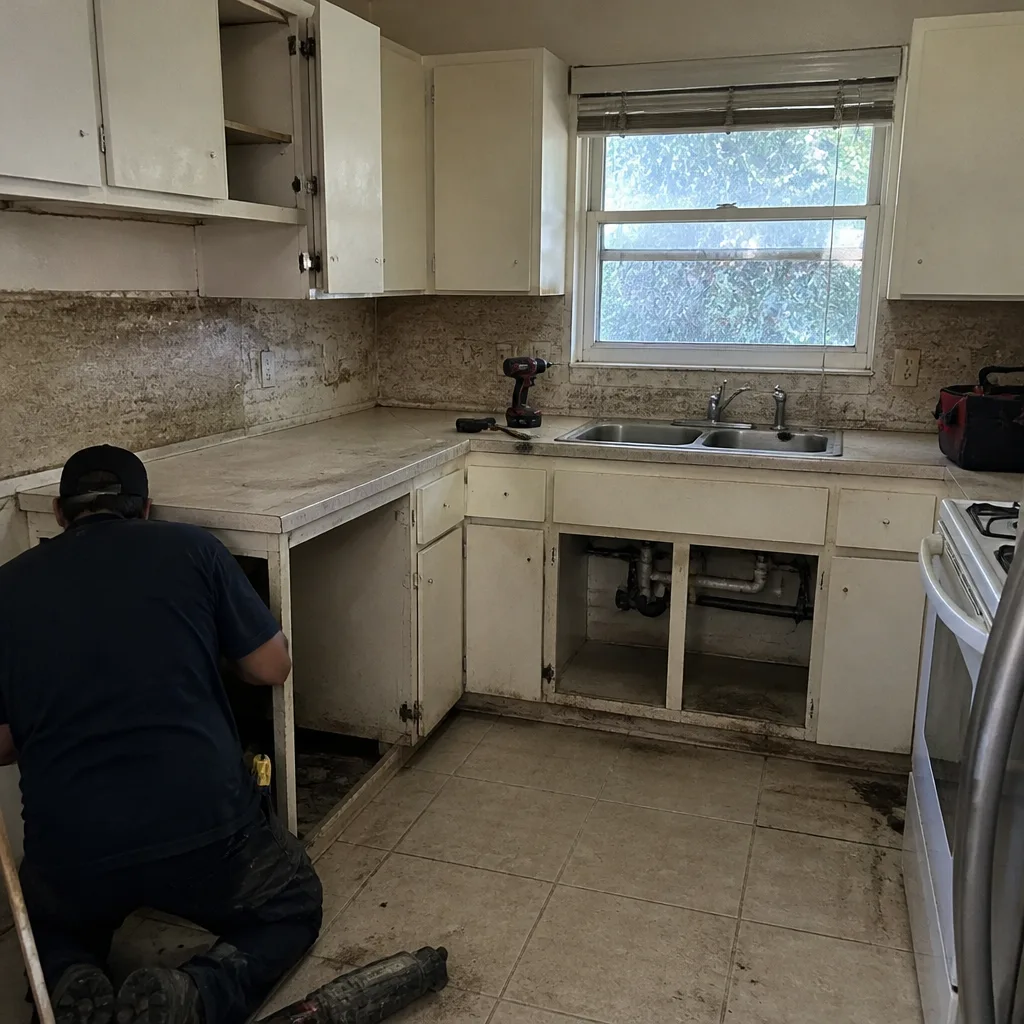 Before
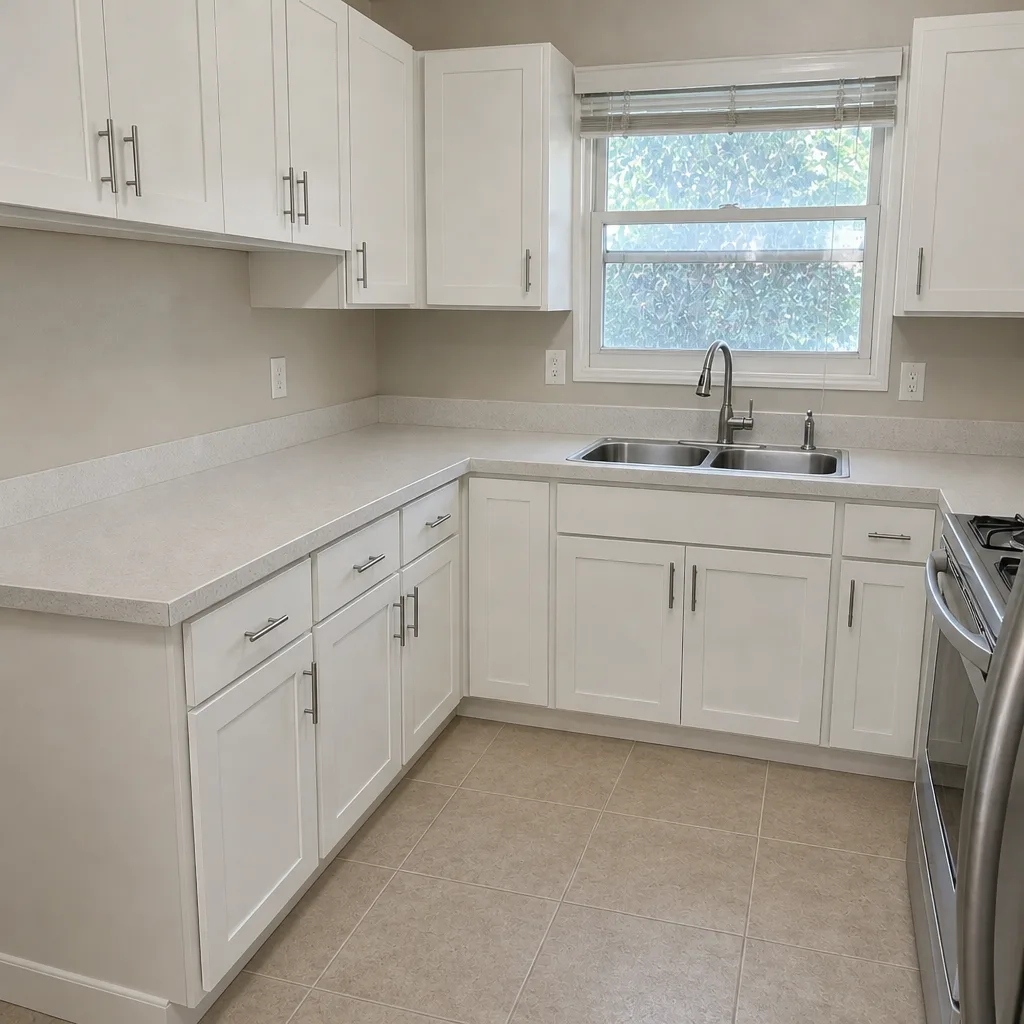 After
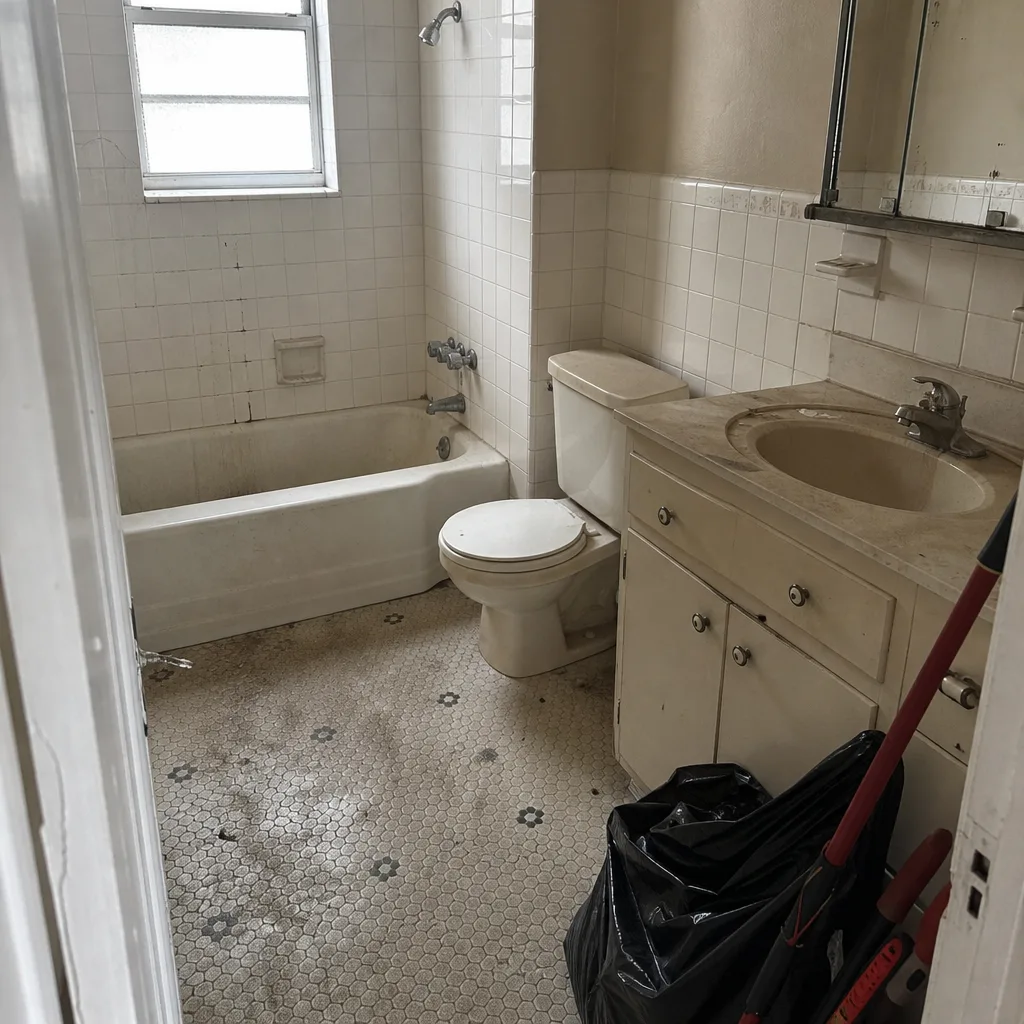 Before
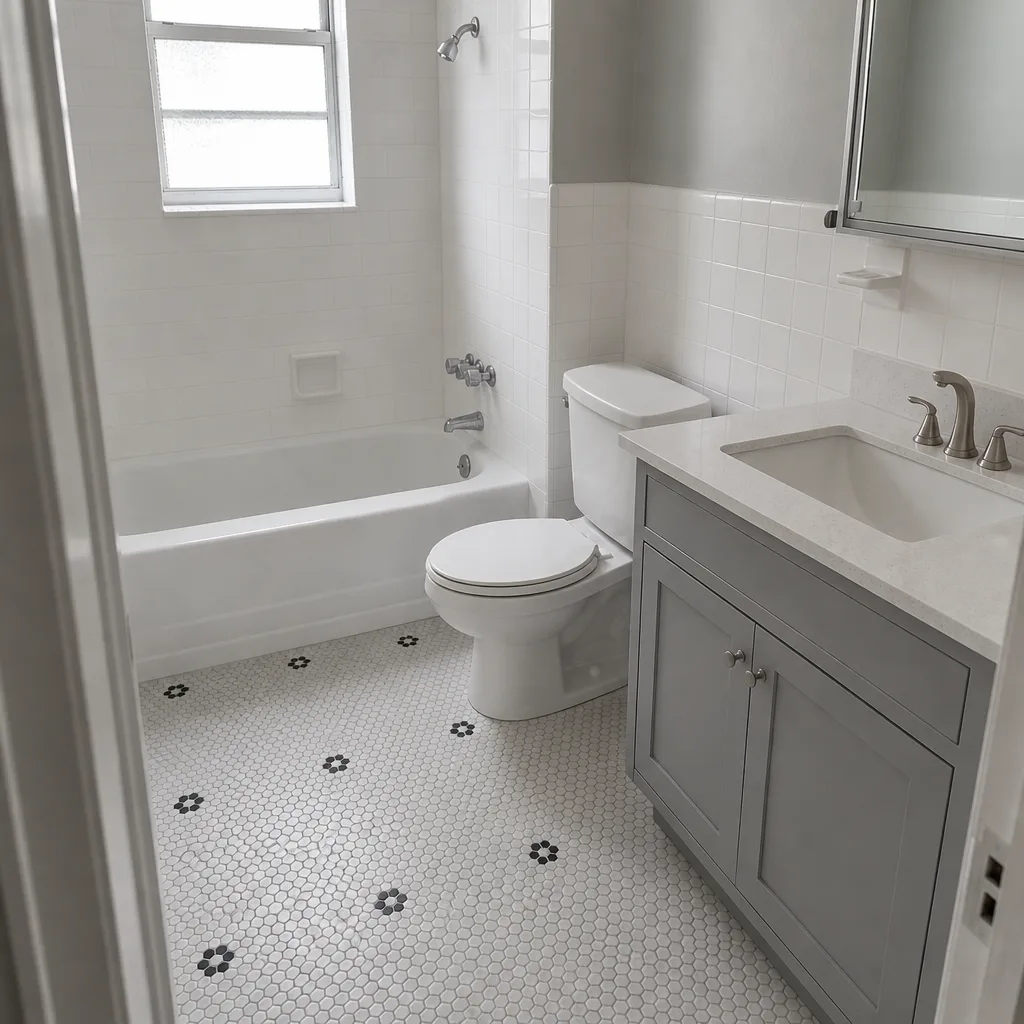 After
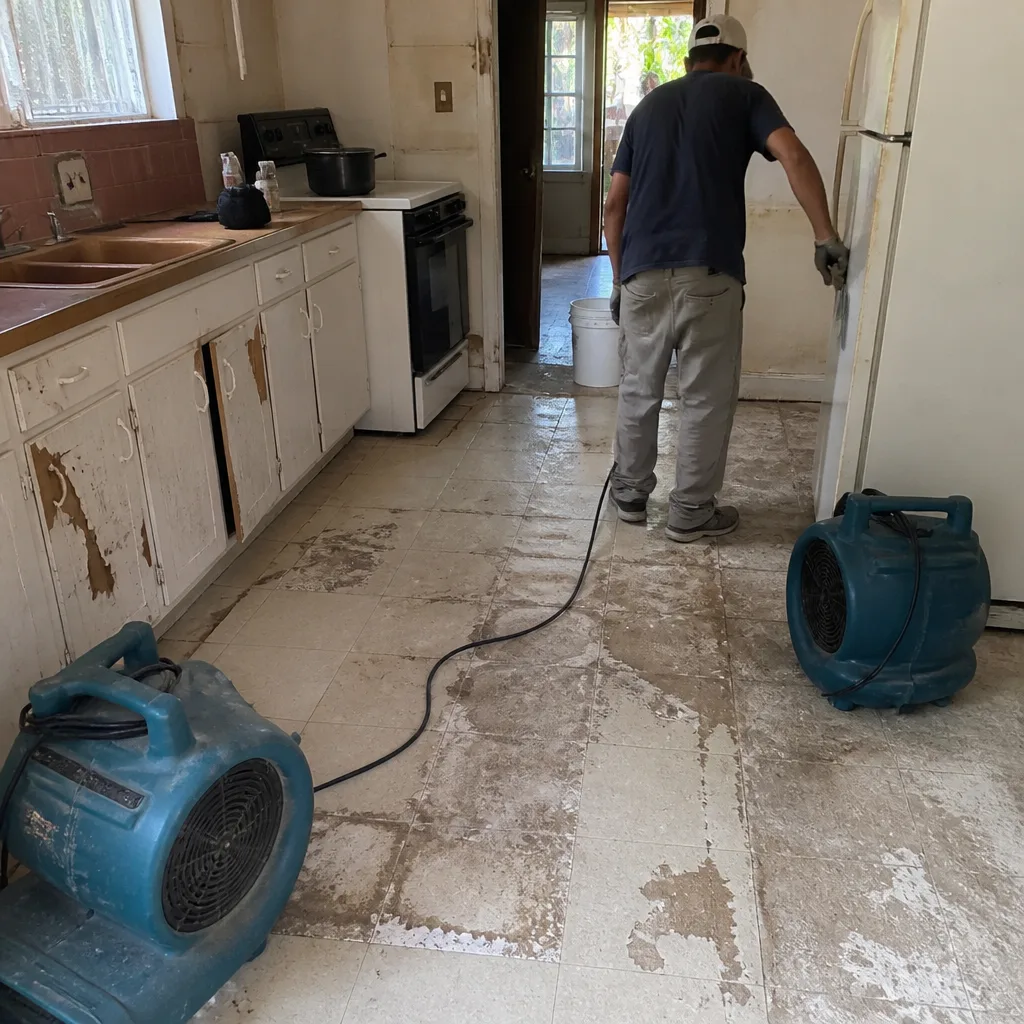 Before
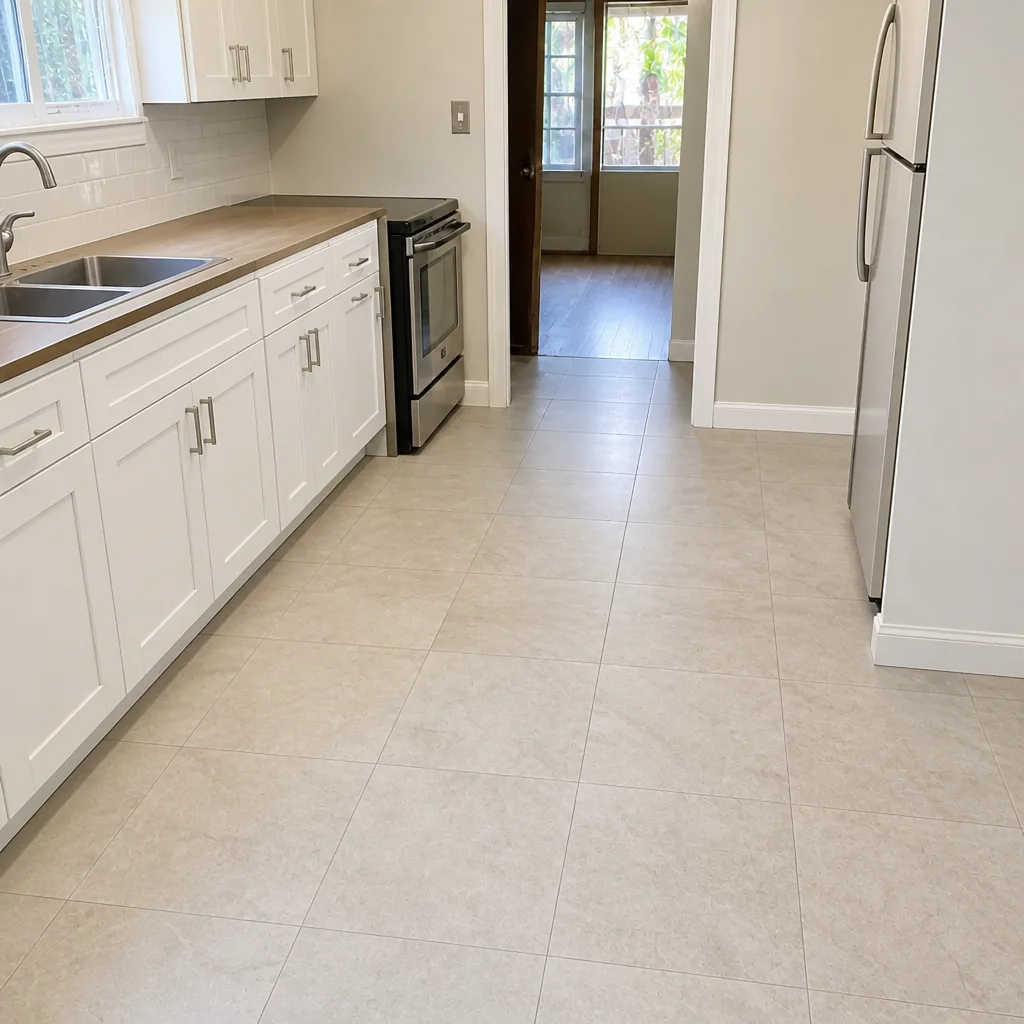 After
When to Call a Professional
Call a professional the moment a crack is widening, running in a stair-step or L-shape, or showing rust at its edges. Call if your impact glass is fogging from inside, if ponding water sits on the roof after a storm, or if you see hollow concrete or crumbling edges on balconies and columns. Those are the signs that separate a patch from a repair. If you’re early and unsure, an assessment is cheaper than waiting. Penhallow Remodeling Miami Beach offers free estimates in Miami Beach; call (844) 656-1986 to schedule yours. A live person answers, you get a written price before any work starts, and every job is backed in writing.
Frequently Asked Questions

Surface staining is discoloration that sits on top of the concrete and wipes away; spalling is the concrete itself breaking off because the steel rebar underneath is corroding and expanding. In Miami Beach, a rust-colored bleed radiating from a spot with a cracked or flaking halo is active spalling, and a hollow sound when tapped means it’s begun underneath even before chips appear.
Stair-step cracks and hard L-shaped cracks are the ones to take seriously, because they usually follow structure movement rather than thermal expansion. Random hairline cracks in an open wall are typically harmless heat movement. If a crack is widening or runs diagonally from a window or door corner, call for an assessment. For an exact look at your Miami Beach wall, call (844) 656-1986; estimates are free.
Look for fogging or haze trapped between the panes, water droplets inside the glass or frame, a gap at the perimeter seal, or faint water staining on the interior sill. Those signs, visible from inside, mean the seal has failed and moisture is entering the opening. Call (844) 656-1986 for a free assessment before it reaches your drywall.
Yes. MiMo and Art Deco buildings frequently have flat or low-slope roofs, which fail through ponding water, blistered or wrinkled membrane, lifting seams, and rusty flashing at vents and parapets. Water lingers rather than shedding, so the membrane is tested every storm. If your roof holds water for more than two days, call (844) 656-1986 for a free estimate.
Yes. Florida requires sellers to disclose known material defects that affect value or safety, and a structural crack or a leaking roof qualifies. An inspector’s discovery of a defect you knew about can turn into a price credit or a failed closing. Documenting and repairing an issue early, with a written record, keeps you in control; call (844) 656-1986 to get a professional read on what you’re seeing.
It depends on what the sign is pointing to. A small stucco patch runs a few hundred dollars, while salt-driven rebar corrosion or a saturated roof section runs into the thousands, and structural remediation can reach five figures. The key is that early repairs stay in the hundreds. Call (844) 656-1986 for a written price before work starts; estimates are free.
The Bottom Line
Miami Beach homes tell you what’s happening in the building before it becomes expensive, but the signs are coastal-specific and easy to misread. Rust staining means the rebar is already compromised; stair-step and L-shaped cracks mean movement; foggy impact glass is a failed seal letting water in; ponding and blistered seams are a flat roof in trouble. Catching these in year one keeps a repair small, and it keeps you in control at a Florida closing. Read the building, photograph what you find, and bring in a professional for the roof and anything structural. That’s how a $400 patch stays $400. Call Penhallow Remodeling Miami Beach at (844) 656-1986 for a free estimate, with a written price and a written guarantee before any work starts. Our technicians have up to 22 years of experience, arrive background-checked and in uniform, and the materials behind the work come from brands you know, including James Hardie, Therma-Tru and Moen. We install materials like Tremron and Techo-Bloc hardscape where a project calls for it. If your project grows into a full renovation, our Bathroom Remodeling in Miami Beach and Kitchen Remodeling in Miami Beach teams handle the interior work, and our Penhallow Remodeling Miami Beach home page lays out how the written-price and guarantee promise works on every job.
Written by the team at Penhallow Remodeling Miami Beach.