Last updated November 18, 2026








Free written scope consultation - allowances, timeline, and change-order rules on paper before a single trade is scheduled
Seasonal Construction Care for Miami Beach: Year-Round Homeowner’s Guide
Most Miami Beach homes sit vacant or lightly occupied from July through September, and that is precisely when hurricane-driven moisture intrusion does its quietest work. A failed seal around a sliding door track or a hairline crack in flat-roof membrane can let in weeks of driven rain before anyone walks through the front door to notice. By the time snowbird owners return in October, a small intrusion has often become a mold problem, a soft drywall corner, or a warped cabinet base. This guide walks through the four maintenance windows that actually shape a Miami Beach house: the April – May pre-season, the June – October storm months, the post-storm inspection window, and the dry-season cracking months from November through March. You will learn what to check, when, and where the line sits between a homeowner task and a job for a licensed professional.
Quick Answer
Seasonal construction care in Miami Beach follows four windows, not four traditional seasons. Inspect and seal flat roofs, sliding glass door tracks, and wall penetrations in April and May before tropical systems form; treat June through October as active monitoring without confusing storm prep for structural maintenance; inspect stucco, roof edges, and impact glazing after every near-miss; and watch for slab and foundation cracking during the dry months from November to March. Occupancy matters as much as the calendar. A winter-only residence needs a different schedule than a full-time home on the same block.
Styles & brands we work with
- Kitchen remodeling
- Bathroom remodeling
- Home additions & ADU
- Roofing
- Windows & doors
- Driveway & pavers
- Fence
Table of Contents
- The Pre-Season Window (April – May): What to Inspect and Seal
- Active Hurricane Season (June – October): Prep Versus Real Maintenance
- Post-Storm Inspection Protocol: After the Near-Miss Nobody Covered
- Dry Season Cracking (November – March): When the Ground Moves
- How Occupancy Patterns Change the Calendar
- What Seasonal Repairs Cost in Miami Beach
- Neighborhood Notes: Where the Problems Cluster
- Common Mistakes to Avoid
- Frequently Asked Questions
The Pre-Season Window (April – May): What to Inspect and Seal
April and May are the two months when a Miami Beach homeowner still has time on their side. The first named storms of the Atlantic season have not formed yet, humidity is climbing but hasn’t peaked, and a contractor can still get on a roof without fighting a weather delay. This is the window for sealing, caulking, and checking that everything designed to keep water out is still doing its job.
Flat roofs are the first priority on most Miami Beach homes, especially the mid-century and 1970s-era properties that dominate neighborhoods like Mid-Beach and North Beach. Those roofs fail at seams and around penetrations long before the field membrane gives out. Walk the perimeter and look for ponding stains, blistered patches, and splits at the parapet. If you have not had the roof inspected in three years, this is the month to do it.
Sliding glass door tracks are the quietest failure point in a Miami Beach home. Salt-laden air and wind-driven grit collect in the track, the weep holes clog, and water that should drain outside instead backs up under the door and into the interior floor. In our experience, this is the single most common source of water damage we see after a wind event that didn’t even make the news.
Exterior wall penetrations deserve a full audit each spring. That includes hose bibs, dryer vents, AC line sets, cable and utility entries, and any light fixture mounted through stucco. Sealant shrinks and pulls away in the sun, and once a gap opens, water tracks behind the stucco. Here is the sequence we recommend:
- Walk the full exterior and photograph every penetration and seam. Date the photos.
- Check the flat roof seams, parapet flashing, and drain scuppers.
- Flush sliding door tracks and confirm weep holes drain freely to the exterior.
- Re-caulk any joint where sealant has shrunk, cracked, or pulled away.
- Test impact glazing per manufacturer instructions and note any fogging between panes.
- Confirm the termite bond and roof warranty are current and on file.
If you are already planning a larger project this year, our general contractor in Miami Beach page walks through how pre-season findings feed into a remodel scope.
Active Hurricane Season (June – October): Prep Versus Real Maintenance
Storm prep is not maintenance. This distinction costs Miami Beach homeowners real money every year. Stocking water, charging phones, cutting plywood, and clearing the patio are prep. They last a few days and they protect you for one event. Real maintenance protects the house over the season, and it looks completely different.
The most common confusion is this: a homeowner boards up, brings the furniture in, and feels ready. Meanwhile a fascia board has been soft since March, the sliding door rollers have been dragging for two years, and the stucco at the northwest corner has a crack that opens every time the wind blows from that direction. Prep doesn’t touch any of those. It cannot. Prep is reactive; maintenance is prevention.
During June through October, our advice to Miami Beach clients is to keep a monthly walk-through going rather than a single push. Once a month, do a fifteen-minute check:
- Look for new water stains on ceilings and at wall corners, especially under flat-roof sections.
- Open and close every exterior door and window. Note sticking, dragging, or misalignment.
- Check roof drains and scuppers for debris after any heavy rain.
- Photograph the exterior after each named storm for comparison.
- Listen for water intrusion sounds during wind-driven rain. This often identifies a gap long before any stain appears.
The other thing that surprises people: a near-miss storm can be more damaging than a direct hit. We have walked Miami Beach homes after a tropical storm that stayed 80 miles offshore and found wind-driven rain forced under shingles and behind stucco for hours. A direct hit often knocks things loose; a glancing storm often soaks things slowly. Both matter.
Post-Storm Inspection Protocol: After the Near-Miss Nobody Covered
Every Miami Beach homeowner should have a post-storm routine that runs whether or not the storm made the news. Nearly missed events are the ones most likely to leave hidden water intrusion, because the pressure on the exterior system is real but the visible damage is not.
Here is the sequence we recommend, in order:
- Photograph the exterior from all four corners and the roof line as soon as it’s safe to walk outside.
- Check stucco for new hairline cracks, especially at corners, window frames, and door headers.
- Look at roof edges, fascia, and soffit for lifted or missing pieces, and check inside for water stains directly below.
- Inspect impact glazing for chips, seal failures, or fogging between panes.
- Open sliding doors and windows and confirm they still move freely. Warping shows up as drag.
- After any household water event, get on the calendar for a professional moisture reading before you patch or paint.
Stucco is the material most people overlook after a storm. Miami Beach’s stucco often hides a lot of small damage because it looks intact right up until the exact moment it doesn’t. Tap lightly around window and door frames. A hollow sound is a signal. So is fine, non-structural cracking that appears along the same line every time.
Impact glazing failures are sometimes invisible from the inside. Windows from brands like ECO Window Systems or ViewLux are designed to take a hit, but the seal between panes can fail without visible breakage. Fogging between panes, a slight chip at the edge, or a soft spot in the frame are all reasons to have the unit assessed before the next storm. Therma-Tru entry systems and door slab edges are worth checking too; a storm can lift a threshold just enough to let water track under a door.
Dry Season Cracking (November – March): When the Ground Moves
Here is the counterintuitive part of Miami Beach construction care. The months when it barely rains are also the months when foundation and slab movement cause the most cracking. The soil in Miami Beach is heavy with limestone and sandy fill that behaves differently when it dries out. During the rainy season, that soil holds water and swells. As the dry season sets in and the water table drops, it shrinks. The slab above it does not move as much as the soil does, and that difference shows up as cracks.
Homeowners who grew up thinking only about water damage tend to miss this entirely. Cracked driveways, hairline cracks in interior drywall near door frames, and doors that suddenly don’t close cleanly are often seasonal movement signals, not signs of a serious problem. Some movement is normal, especially in concrete-block construction on limestone. The important distinction is monitoring change over time.
- Photograph any new drywall crack and measure its width with a ruler.
- Note doors that suddenly stick or don’t latch cleanly, and when.
- Watch exterior stucco near the slab edge during the driest weeks.
- Log any crack that grows more than 1/16 inch within a single dry season.
- Have a structural assessment if cracks step diagonally at corners or near load-bearing openings.
For a winter-only Miami Beach resident, this is the season you are actually present. Use it. Walk the house with a camera and a ruler once in December, once in February. That record gives you something genuinely useful when you talk to any contractor, and it catches structural movement before it becomes an emergency.
How Occupancy Patterns Change the Calendar
Two homes on the same Miami Beach block with the same construction and the same age can need entirely different maintenance calendars. The variable is occupancy. A full-time residence gets checked by someone when a stain appears. A winter-only residence is a closed box for five or six months, and problems that would have been caught in a week sit untouched for the whole summer.
For a full-time Miami Beach home, the calendar is mostly reactive plus prevention. Spring pre-season work is the big push. Monthly summer walk-throughs catch issues while they’re small. Fall dry-season monitoring is mostly tracking rather than fixing.
For a winter-only or seasonal home, the calendar has to invert. Pre-departure in April or May has to be as thorough as a move-in inspection. Walk the roof, seal the penetrations, photograph the exterior, drain the water heater if the property empties, shut off the main water supply, and set the AC system to a level that manages Miami Beach humidity without over-cooling. Humidity management is the real risk for a closed house in July. An AC failure in a closed box turns into a mold event within a week. A WiFi-connected humidity and temperature sensor costs very little and closes the information gap while you are away. If you know a neighbor or a property manager, a monthly walk-through is worth arranging.
A good compromise is to schedule seasonal maintenance appointments for the two weeks before you arrive and the two weeks after you depart. That is when a Miami Beach home is most vulnerable, and it is also when a contractor can work without disturbing you.
What Seasonal Repairs Cost in Miami Beach
These are the ranges we see most often on seasonal care and small repair work around Miami Beach. Actual prices depend on access, the number of items addressed, and whether the work falls into a larger remodel scope.
| Repair or service | Typical range |
|---|---|
| Flat-roof inspection and minor seam repair | $350 – $1,200 |
| Full exterior caulk and sealant refresh (single-family) | $600 – $1,800 |
| Sliding door track service and adjustment | $150 – $450 per door |
| Impact window seal assessment | $200 – $500 per unit |
| Interior moisture reading after a near-miss | $250 – $600 |
| Drywall crack repair and repaint (seasonal movement) | $300 – $900 |
| Larger scope found during inspection | Quoted in writing before work starts |
Two things drive most of the swing. Access is the biggest one, since a flat roof on a third-floor condo terrace is more complex than a single-family yard. The other is whether the discovery can be addressed with a small repair or whether it points to something structural. If the latter, a proper written scope matters far more than the initial quote. Our Penhallow Remodeling Miami Beach home page lists the type of work that ties into this kind of inspection work.
For major projects, kitchen remodels typically run $18,000 – $55,000 depending on layout, cabinet line, and countertop material. Bathroom remodels in Miami Beach generally run $9,000 – $28,000, and a whole-home remodel scopes well above that. We share these ranges on the initial call so you can plan, and we put the actual number in writing before any work begins.
Neighborhood Notes: Where the Problems Cluster
Not all Miami Beach homes age the same way. Salt exposure is higher on the ocean side than on the bay side. Building age ranges widely from the 1920s Art Deco district through mid-century Mid-Beach to newer builds in the North Beach and Surfside areas. Each stretch of the city has its own recurring issues.
In the South Beach historic district, impact glazing and exterior alterations require review under historic preservation rules before work starts. That changes the timing of a project; plan six to twelve weeks of lead time for any exterior scope. In Mid-Beach and North Beach, we see the highest volume of flat-roof seam failures on 1960s through 1980s properties. On the bay side, humidity and closed-house issues are the recurring theme. On the ocean side, salt-driven corrosion on window frames, hinges, and hardware takes the longest toll.
If a seasonal inspection points to a bathroom on a regular schedule, it’s often worth considering the full bathroom remodeling in Miami Beach option rather than another round of patch work. The same holds for kitchens, and our kitchen remodeling in Miami Beach page explains how seasonal moisture problems interact with cabinet and countertop choices. For cabinet selections, we standardly install KraftMaid and Wellborn cabinetry, and Cambria, Silestone, and Caesarstone countertops, all of which carry their own manufacturer warranties alongside our own.
Common Mistakes to Avoid
- Treating storm prep as maintenance. Stocking supplies for a hurricane does not replace spring sealing or a roof inspection. The house is not protected by a plywood panel.
- Skipping the post-storm walk-through because the storm “missed.” Wind-driven rain from a storm that stays offshore can still force water behind stucco and under door thresholds. Photograph after every named storm.
- Painting over a drywall crack without monitoring it first. A crack that is still moving will reappear within weeks, and the paint hides the warning sign. Measure, photograph, and wait a season before deciding.
- Leaving a winter-only residence with the AC off. A closed Miami Beach house without humidity management will grow mold in weeks during July and August. Leave the system on at a moderate setpoint.
- Assuming impact glazing is intact because it looks intact. Fogging between panes, chips at the edges, and soft frames are all reasons to have the unit assessed. Seal failure is often invisible until it isn’t.
- Hiring a contractor who quotes only verbally. A range on the phone is not a number you can hold anyone to. Ask for a written price and a written guarantee before work starts, always.
- Ignoring dry-season cracking because the rainy season seems more urgent. Seasonal movement in Miami Beach’s limestone-heavy soil is real. Tracking it over a single dry season is cheap; discovering it during a storm is not.
Every company in the Kingswell family of companies operates under The Kingswell Way: say the price before the work, show up in the window we gave, leave the place cleaner than we found it. Each location is independently owned and operated. A written price and a written guarantee on every project are the standard, on seasonal inspections and full remodels alike.
See the difference
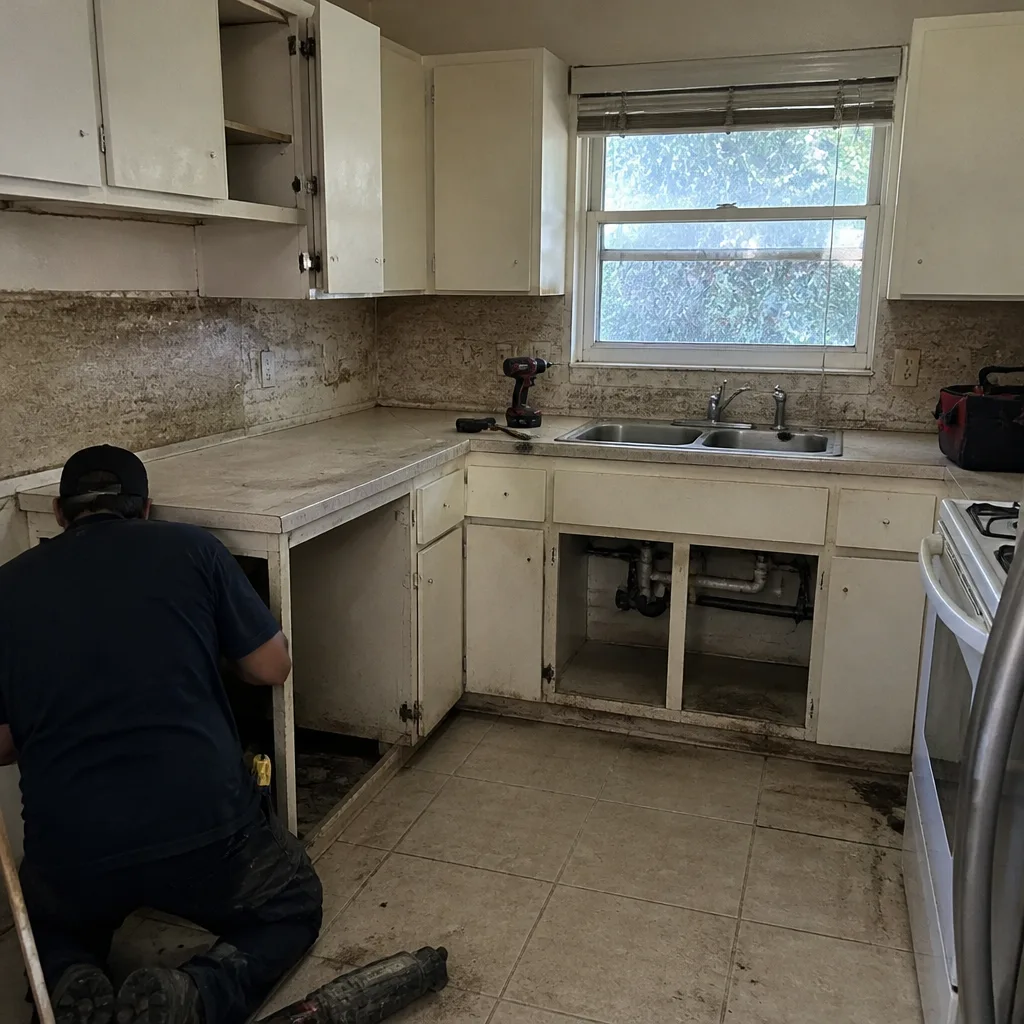 Before
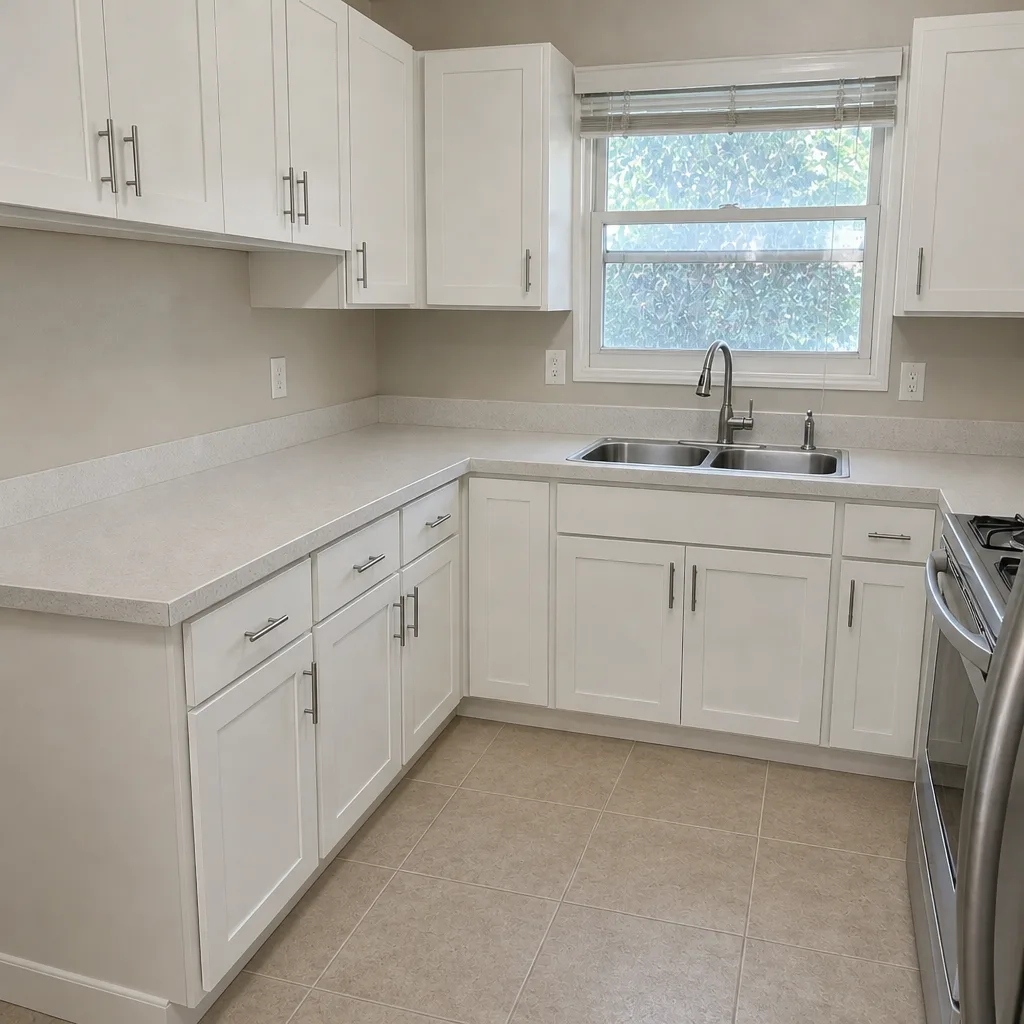 After
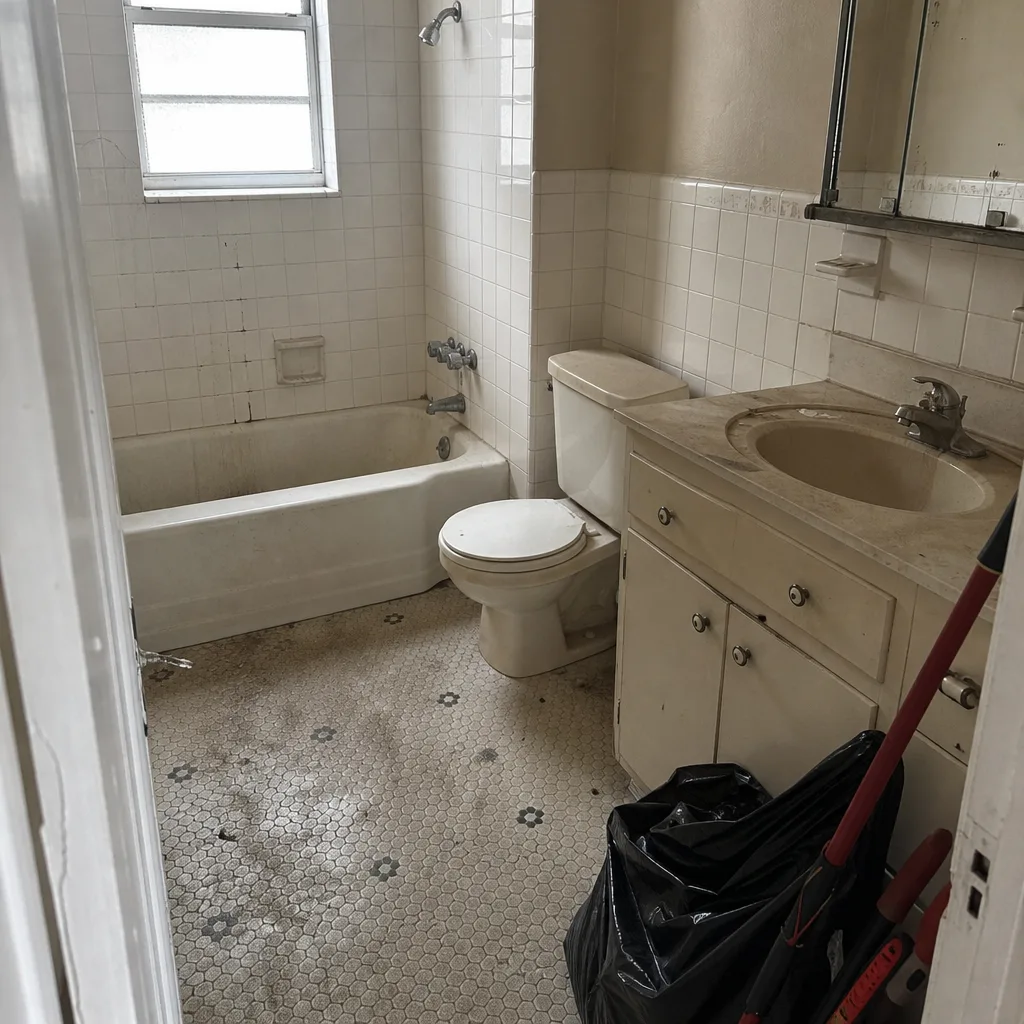 Before
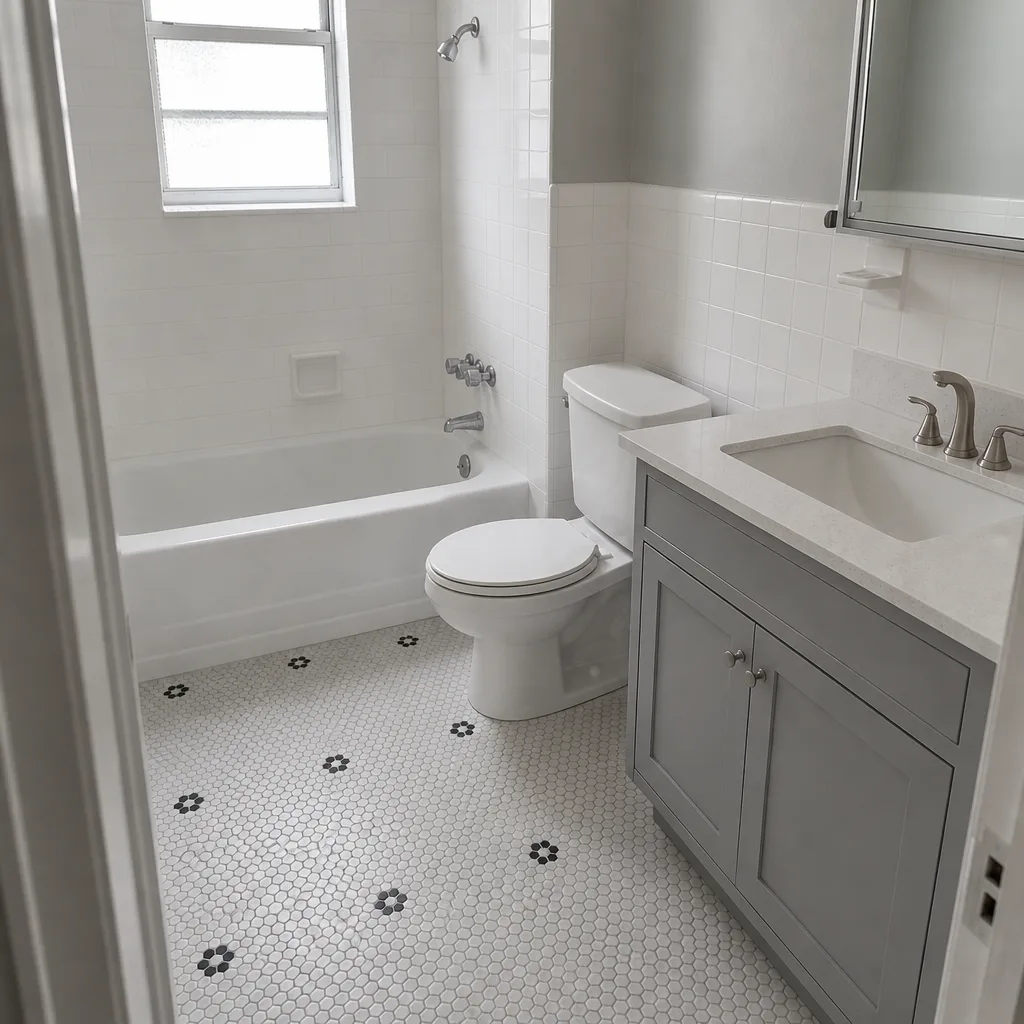 After
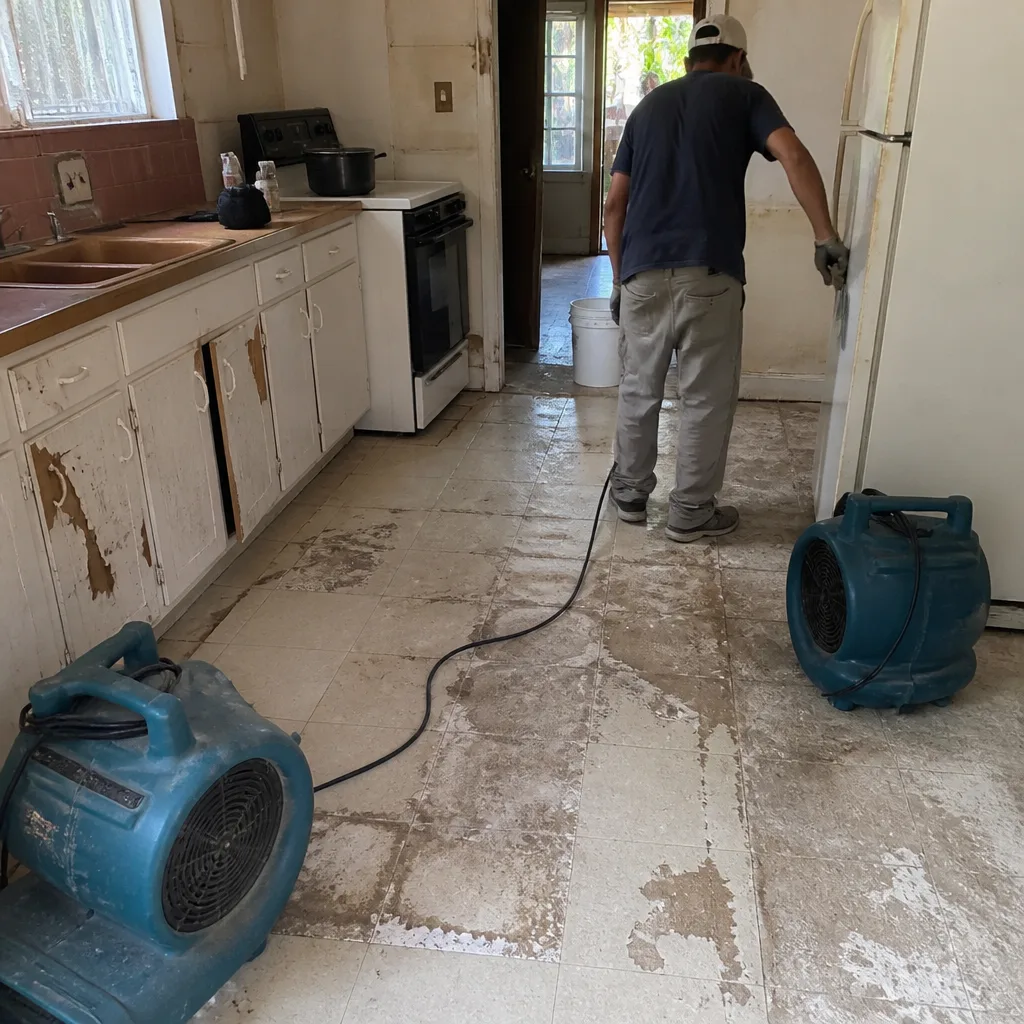 Before
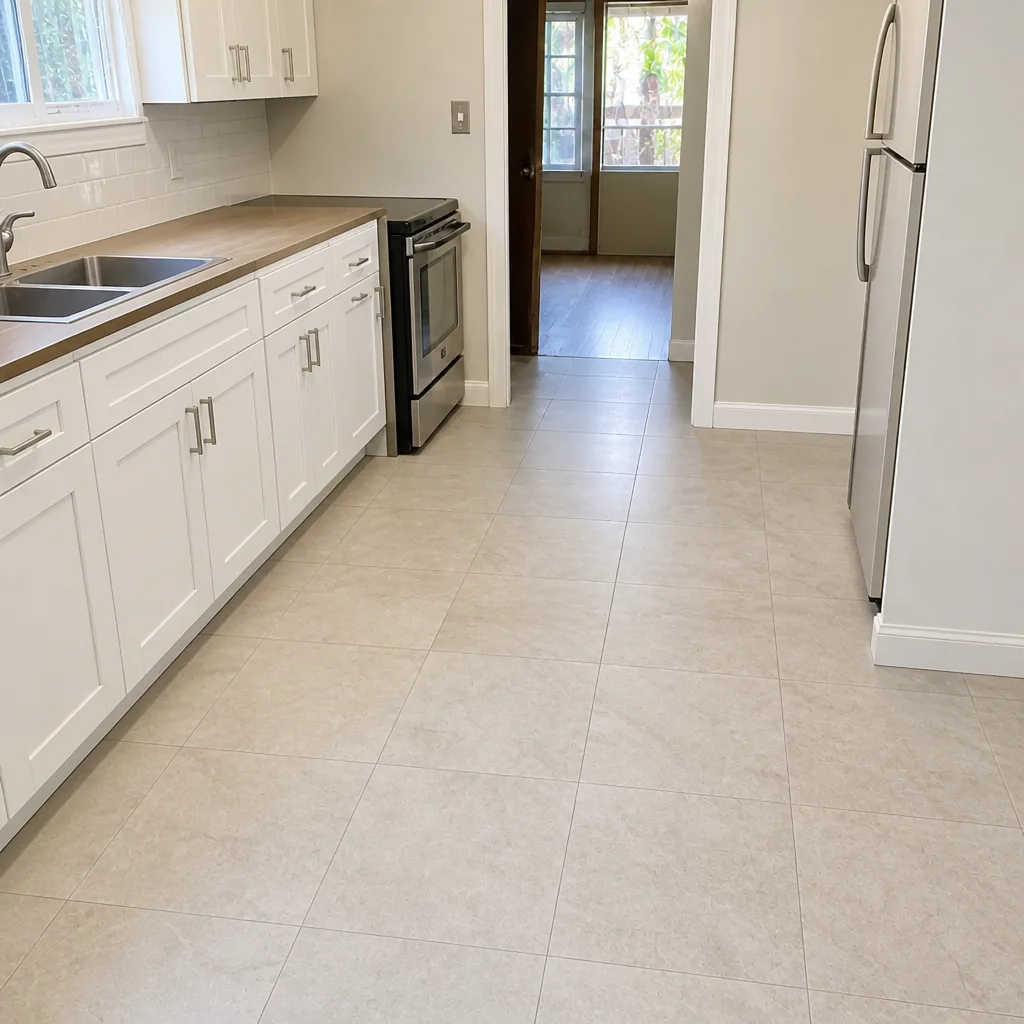 After
When to Call a Professional

Call a licensed contractor when a seasonal inspection turns up anything structural. Stucco cracks that step diagonally, roof seams that have failed and been patched twice, sliding doors that no longer close square, impact glazing that fogs between panes, or a slab that has moved enough to crack a tile field, all of these warrant a professional assessment. Call before you patch, paint, or seal, because sealing over a problem is the fastest way to hide the problem for another season. A moisture reading and a written assessment save more than they cost.
Penhallow Remodeling Miami Beach offers free estimates in Miami Beach, and the price is in writing before work starts. Our technicians are background-checked and arrive in uniform, we answer the phone 24/7 with a live person, and every job carries the 365-Day Done Right Promise. If the work fails within the year, we come back and fix it at no charge. Call (844) 656-1986 to schedule your free estimate.
Frequently Asked Questions
April is the single most important maintenance month in Miami Beach, because it sits just before the Atlantic hurricane season begins and after the winter dry season has done its work. Roof inspections, exterior caulking, sliding door track service, and glazing checks all happen in April before storm season. May is the second-best window if you missed April. Call (844) 656-1986 if you need a pre-season inspection scheduled on short notice; estimates are free.
A post-storm moisture inspection in Miami Beach typically runs $250 – $600 depending on square footage and how many areas need to be tested. If visible water intrusion is found, the inspection usually folds into the repair scope. The other costs to know: flat-roof minor repair runs $350 – $1,200, and exterior caulk and sealant refresh runs $600 – $1,800. Call (844) 656-1986 for an exact quote; estimates are free.
In April, plan one to two weeks of lead time for a routine inspection, and two to four weeks if a repair is needed. In May, that jumps considerably as storm season approaches. Historic-district review in South Beach can push exterior work out by an additional six to twelve weeks. Call (844) 656-1986 to schedule early; the price is in writing before work starts.
For a winter-only residence in Miami Beach, pre-departure in April or May should include a full exterior inspection, sealant refresh at every wall penetration, a sliding door track service, and water shutoff at the main. Set the AC to a moderate humidity-managed setpoint rather than off, and add a temperature and humidity sensor so you’re not blind to a failure in July. Call (844) 656-1986 to schedule the walk-through; live answers 24/7.
Miami Beach soil holds significant limestone content and expands when wet, then contracts as the dry season drops the water table from November through March. That seasonal shrinking pulls the slab into subtle movement, which shows up as hairline cracks in drywall, doors that no longer latch cleanly, and stucco cracking along the slab edge. Most of it is cosmetic. Cracks that step diagonally or grow past 1/16 of an inch in a single season warrant a professional assessment. Call (844) 656-1986 for a free estimate.
No. Every project we take on carries a written price before any work starts, and that number is the number on the invoice. If we find something during demo that genuinely changes the scope (hidden rot behind stucco, a substrate issue, structural movement), we stop, show you the evidence, and give you a revised written price before continuing. There is no surprise line on the final bill. Call (844) 656-1986 for a free estimate.
The Bottom Line
Miami Beach seasonal care has four windows, and each one demands a different action. April and May are for sealing and inspection, while you still have time. June through October is for monthly monitoring, not just storm prep. After every named storm, whether or not it made the news, walk the exterior and photograph everything. November through March is for tracking dry-season cracking, not ignoring it because the rainy season feels more urgent. And the calendar for a winter-only home is not the same as the calendar for a full-time residence on the same block. Get the price in writing before work starts, and get a written guarantee before you sign. That is the standard we hold ourselves to.
Written by the team at Penhallow Remodeling Miami Beach.