Last updated November 18, 2026








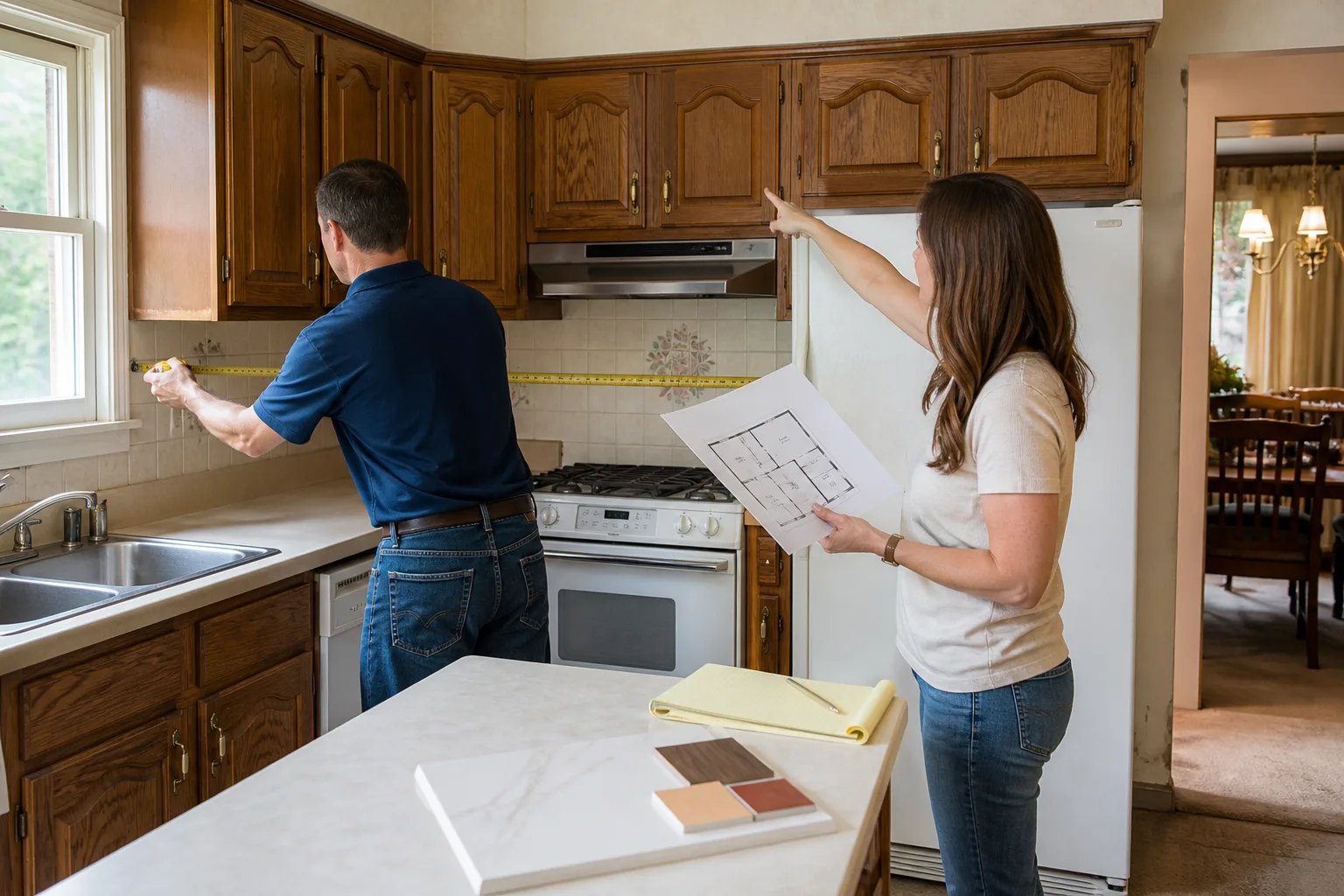
Free written scope consultation - allowances, timeline, and change-order rules on paper before a single trade is scheduled
How to Hire a Construction Contractor in Miami Beach: A Step-by-Step Guide
Florida’s Department of Business and Professional Regulation logged more than 4,000 contractor-related complaints in a single recent year, and Miami-Dade County consistently leads the state in unlicensed contractor citations. The problem in Miami Beach isn’t a shortage of contractors. It’s a shortage of verifiable ones. This guide walks you through the exact steps we use to help homeowners separate a licensed, insured professional from a confident talker with a clipboard. You’ll learn how to check a license in three minutes, what a written price actually protects you from, and how to structure payments so you’re never paying for work that hasn’t happened yet.
Quick Answer
To hire a construction contractor in Miami Beach, verify the contractor’s Florida license through the DBPR lookup tool, confirm they carry general liability and workers’ comp insurance, demand a written price (not an estimate range) before work starts, and tie every payment to verified completed work. Insist on a written workmanship guarantee with a specific term and a named remedy. If a contractor resists any one of those four things, walk away.
Styles & brands we work with
- Kitchen remodeling
- Bathroom remodeling
- Home additions & ADU
- Roofing
- Windows & doors
- Driveway & pavers
- Fence
Table of Contents
- Step 1: Verify the License in Under Three Minutes
- Certified vs. Registered: What the License Type Actually Means
- Written Price vs. Written Estimate: Why Only One Protects You
- What a Real Workmanship Guarantee Looks Like on Paper
- Permits in Miami Beach: Why Shortcuts Cost You Later
- Miami Beach Red Flags That Should End the Conversation
- How to Structure a Payment Schedule You Can Live With
- Insurance and Workers’ Comp: The Questions Most Homeowners Forget
Step 1: Verify the License in Under Three Minutes
Any contractor working on your Miami Beach home should hold a valid Florida license, and you can confirm it yourself in about the time it takes to make coffee. Go to the DBPR license lookup, enter the contractor’s name or license number, and read the result carefully. The record tells you the license type, its status, its expiration date, and whether any disciplinary actions are on file.
Here’s the three-step process:
- Find the license number on the contract. A legitimate contractor will put it on the written proposal without being asked. If the number is missing or “coming soon,” that’s your answer.
- Search the DBPR database. Match the name, license number, and business name. Confirm the status reads “Current, Active.”
- Read the discipline history. A single old complaint isn’t disqualifying. A pattern of complaints about abandoned jobs or permit fraud is.
We’ve watched homeowners in Miami Beach skip this step because the contractor seemed trustworthy, then discover six weeks into a kitchen job that the license belonged to a different company entirely. The lookup costs you three minutes. The alternative costs you a torn-apart kitchen and a lawyer.
Once the license checks out, move to a broader vetting conversation. Our guide to hiring a General Contractor in Miami Beach covers what to ask about scheduling, change orders, and job-site standards.
Certified vs. Registered: What the License Type Actually Means
A Florida “Certified” contractor has passed the state’s competency exam and can work anywhere in Florida. A “Registered” contractor has only registered with the state and may be limited to a specific local jurisdiction. Both are real categories, but they are not the same thing, and the difference matters when a job goes sideways.
For a full kitchen or bathroom remodel in Miami Beach, you want a Certified General Contractor, sometimes written CGC. That license requires passing a state exam, proving financial responsibility, and carrying insurance. A Registered contractor may be perfectly capable for smaller scopes, but the bar is lower and the state oversight is thinner.
Ask directly: “Are you state-certified or registered, and what’s your license number?” A professional answers in one sentence. Someone who hedges, changes the subject, or says “we’re licensed through a partner” is telling you something important.
Miami Beach has its own building department and its own inspection culture. A contractor who works here regularly knows the difference between a Miami-Dade County permit and a City of Miami Beach permit, and knows which one your address requires. That familiarity is worth asking about directly.
Written Price vs. Written Estimate: Why Only One Protects You
An estimate is a guess. A price is a commitment. The difference sounds small until lumber prices jump or a tile backorder forces a substitution, and suddenly the “estimate” you signed has grown by $9,000.
A written estimate typically says something like “Kitchen remodel: approximately $38,000, subject to final material costs.” That language gives the contractor room to move the number after demo day. A written price says “Kitchen remodel per attached scope: $38,000,” lists the specific materials, and states exactly what happens if something changes. That’s the document that protects you.
When you compare bids for a Miami Beach kitchen, ask each contractor for a line-item written price. You want to see:
- Demolition and disposal costs, itemized
- Cabinet line and model (KraftMaid and Wellborn, for example, price very differently)
- Countertop material and square footage (Cambria quartz runs higher than Silestone)
- Tile and fixture allowances with a per-square-foot number
- Permit fees shown separately, not bundled into a lump sum
- Labor broken out by trade
We give every homeowner a written price before any work starts. The number on day one is the number on the invoice. If something in the wall turns out to be a surprise, we stop, show you, and price the change in writing before touching it. If you’re planning a kitchen project, our Kitchen Remodeling in Miami Beach page breaks down what drives those numbers up or down.
Kitchen remodels in Miami Beach typically run $28,000 to $85,000 depending on layout, cabinet line, and countertop material. A verbal ballpark of “around forty or fifty” tells you nothing about which end of that range you’re actually headed toward.
What a Real Workmanship Guarantee Looks Like on Paper
“We stand behind our work” is not a guarantee. It’s a sentence. A real guarantee names a term, states what’s covered, and describes exactly what happens if the work fails.
The 365-Day Done Right Promise we operate under works like this: if the work fails inside the guarantee period, we come back and fix it at no charge. That promise is written into every project, not recited verbally. If a repair fails, there’s a free second visit with no service call and no re-inspection fee. You can hold us to a document, not a memory of a conversation.
When you interview contractors in Miami Beach, ask for the guarantee in writing and read it for these five elements:
- The length of the guarantee, stated in months or years
- What exactly is covered (labor? materials? both?)
- The remedy, spelled out: repair, replace, or refund
- Any exclusions, in plain language
- How to file a claim, with a real response commitment
A product warranty is a separate layer. We install Cambria quartz, which carries its own lifetime warranty alongside our workmanship guarantee, and Schluter waterproofing systems, which carry a manufacturer warranty on the shower assembly. Understanding those layers means you know who to call when something goes wrong, and it usually isn’t the manufacturer.
Bathrooms are where workmanship failures show up fastest. Grout that cracks, tile that pops, a shower pan that leaks into the ceiling below. Our Bathroom Remodeling in Miami Beach page explains how we handle those failure points up front.
Permits in Miami Beach: Why Shortcuts Cost You Later
Permits exist for a reason: safety inspections by a code official who doesn’t work for the contractor. When you sell a Miami Beach home with unpermitted work, buyers discover it during the inspection, and you discover it at the negotiating table.
Some contractors quietly discourage permit-pulling to “save time and money.” That savings is temporary. When you sell, or when a hurricane claim adjuster looks at your unpermitted addition, or when an electrical fire traces back to unpermitted wiring, the cost lands on you.
Ask two direct questions before signing:
- “Will you pull the permit, and is the fee in the written price?”
- “Who meets the inspector, you or me?”
A contractor who handles permits routinely answers without hesitation. We pull the permits and meet the inspections so the homeowner doesn’t have to take a day off work for a rough-in inspection. Every project ends with a passed final inspection, and the paperwork goes in your file.
Miami Beach sits in a high-velocity hurricane zone, which means impact-rated windows, doors, and roofing assemblies have specific product-approval requirements. A contractor who prices impact-rated work well below market without an explanation is usually either skipping the approved product or planning to change the order later. Ask to see the product approval numbers before work starts.
Miami Beach Red Flags That Should End the Conversation
Miami Beach has a particular ecosystem of contractors who specialize in charming out-of-state owners, part-time residents, and first-time renovators. Here’s what we tell homeowners to watch for.
- “You don’t need a permit for that.” Structural, electrical, plumbing, and most mechanical work requires one. If the contractor is steering you around it, they’re steering you into a future problem.
- No verifiable Miami-Dade address. A real business has a place you can walk into if something goes wrong. A PO box and a cell phone is not that.
- Impact-rated work priced far below every other bid. Approved impact products cost what they cost. A 40% discount usually means a non-approved product, a scope cut, or a change order coming.
- Cash-only payment requests. Legitimate contractors take checks, cards, and ACH. Cash-only protects them, not you.
- Large deposit demanded before any contract is signed. Florida law limits how much a contractor can collect up front. A demand for 50% before paperwork is a serious red flag.
- No physical license number on the proposal. Every legitimate written proposal includes it.
- Pressure to sign today. A good contractor doesn’t need a countdown timer.
Any two of these together should end the conversation. You don’t owe a contractor an explanation for walking away. And you should never pay a deposit before you have a signed contract, a written price, and a verified license.
How to Structure a Payment Schedule You Can Live With
The single biggest financial mistake homeowners make in Miami Beach is paying ahead of completed work. The rule is simple: money follows progress, never the other way around. You should never be in a position where you’ve paid for work you can’t see.
A reasonable payment schedule for a typical kitchen or bathroom project looks like this:
- Deposit at contract signing: enough to secure materials and schedule, generally 10% to 20%. Florida caps this more tightly in some circumstances.
- Rough-in complete: payment after framing, electrical, and plumbing rough-in pass inspection.
- Drywall and finish prep complete: payment after walls are closed, floated, and ready for finish materials.
- Cabinet and countertop installation: payment after cabinets and counters are set and verified against the written specification.
- Final walkthrough and punch list: the final payment waits until you’ve completed a walkthrough and signed off on the punch list.
Ask for a draw schedule in writing before signing. If a contractor insists on 50% up front for a bathroom remodel with no material order in hand, that’s a contractor who’s financing someone else’s job with your money. A written price plus a tied-to-progress payment schedule is the full protection.
Insurance and Workers’ Comp: The Questions Most Homeowners Forget
A license without insurance is a license you can’t use. General liability coverage protects your home if the contractor damages it, and workers’ comp protects you if a worker is injured on your property. Both are habitually ignored in the hiring conversation.
Ask for a Certificate of Insurance naming you as the certificate holder, and call the insurance carrier directly to confirm the policy is current. Ask specifically about workers’ compensation, not just general liability. Some small Florida contractors are legally exempt from workers’ comp. Ask to see the exemption certificate if they claim one. Otherwise, an injured worker can come after your homeowner’s policy.
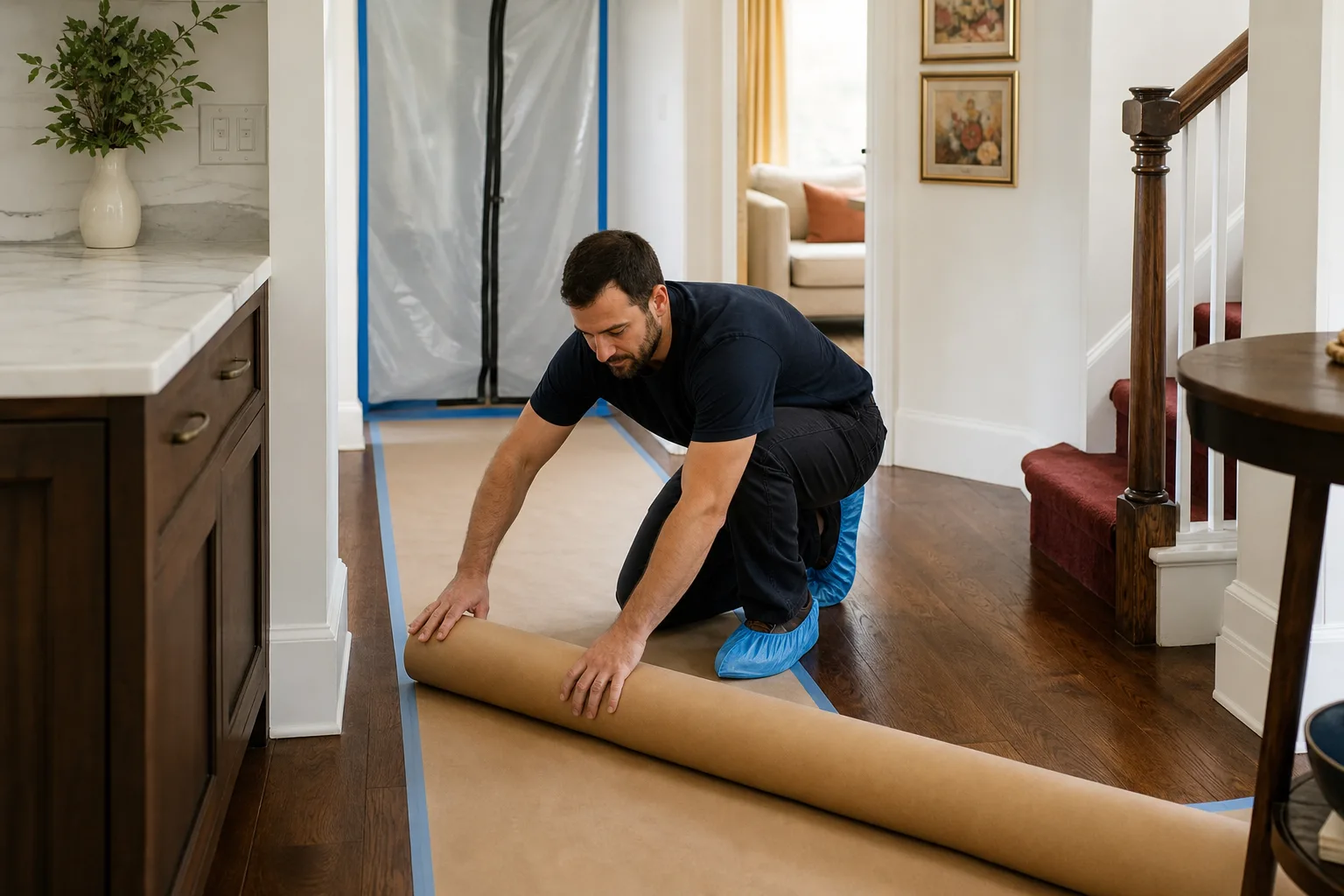
Our technicians are background-checked and arrive in uniform, and we carry the insurance and bond that a Miami Beach remodel should require. You should expect no less from any contractor asking to work inside your home.
Common Mistakes to Avoid
- Choosing on price alone. The lowest bid often wins the job with an incomplete scope, then closes the gap with change orders. Compare line-item written prices, not total numbers.
- Signing a verbal “we’ll work it out” arrangement. Forty percent of contractor disputes in Florida trace back to a handshake with no scope in writing. Get it in writing before anyone picks up a crowbar.
- Skipping the license lookup. Three minutes on the DBPR site prevents most of the horror stories we hear from Miami Beach homeowners.
- Paying ahead of work. Never pay for a phase until that phase is complete and inspected. The deposit is the only money that should move before work exists.
- Accepting a “we stand behind it” guarantee. Get the term, the remedy, and the claim process on paper. Verbal guarantees vanish when the company does.
- Letting the contractor skip the permit. Unpermitted work in Miami Beach affects your resale, your insurance, and your safety. No exceptions.
- Not asking who shows up at the door. Ask whether the crew is background-checked, uniformed, and the same crew every day. A rotating cast of strangers in your home is a real risk.
See the difference
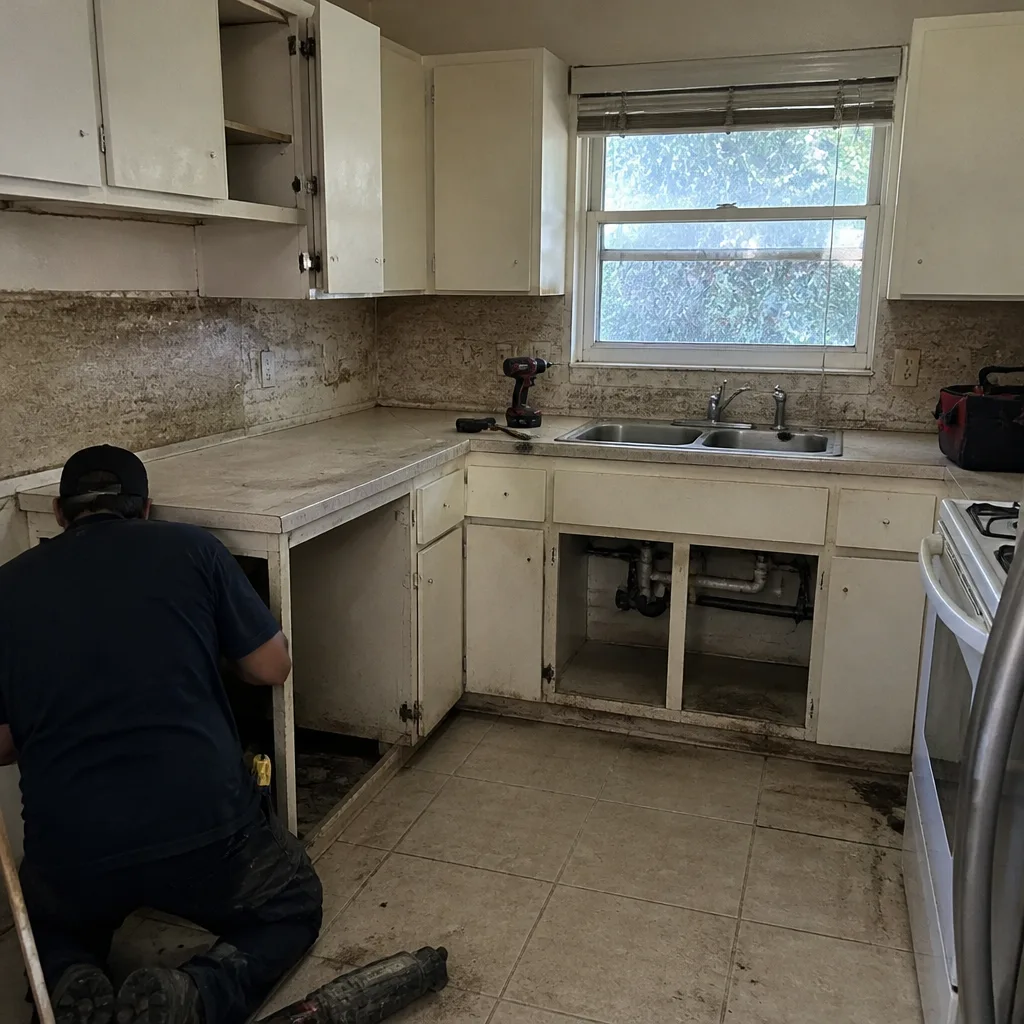 Before
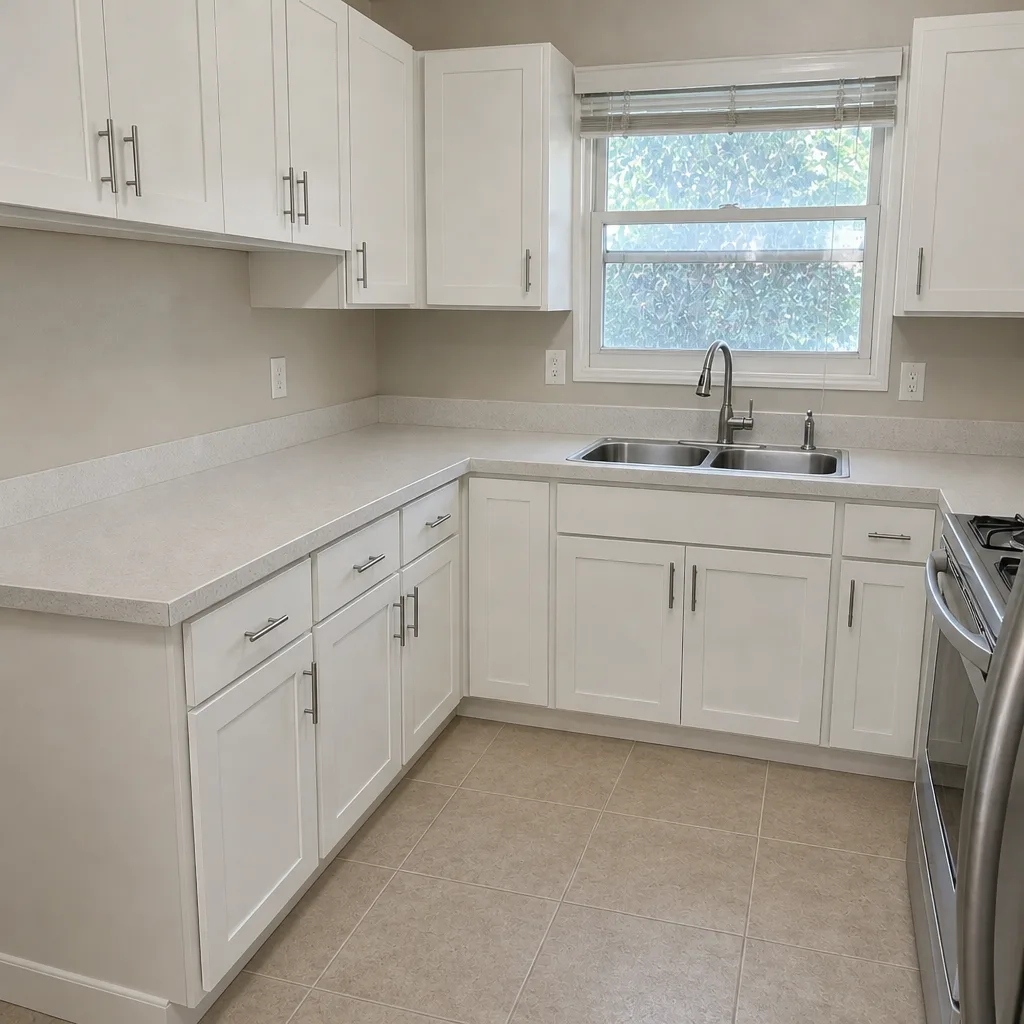 After
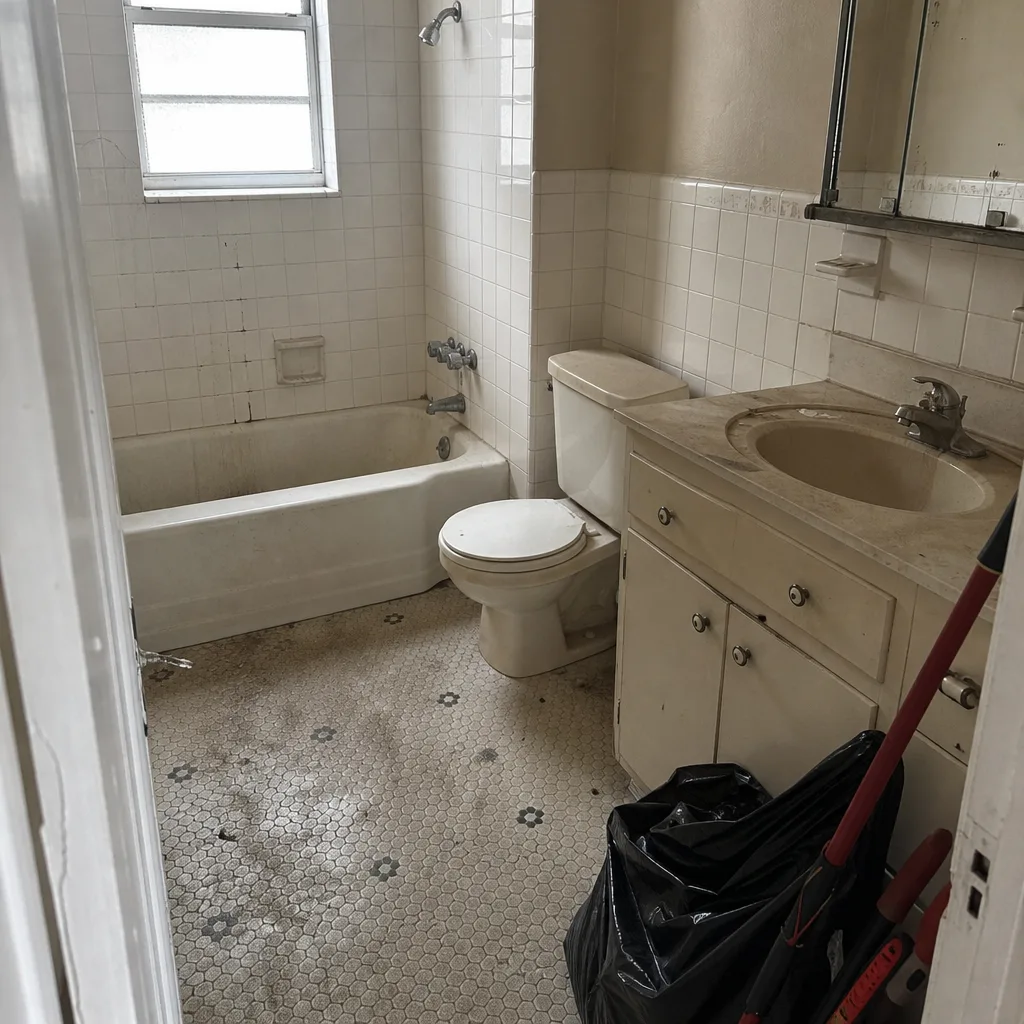 Before
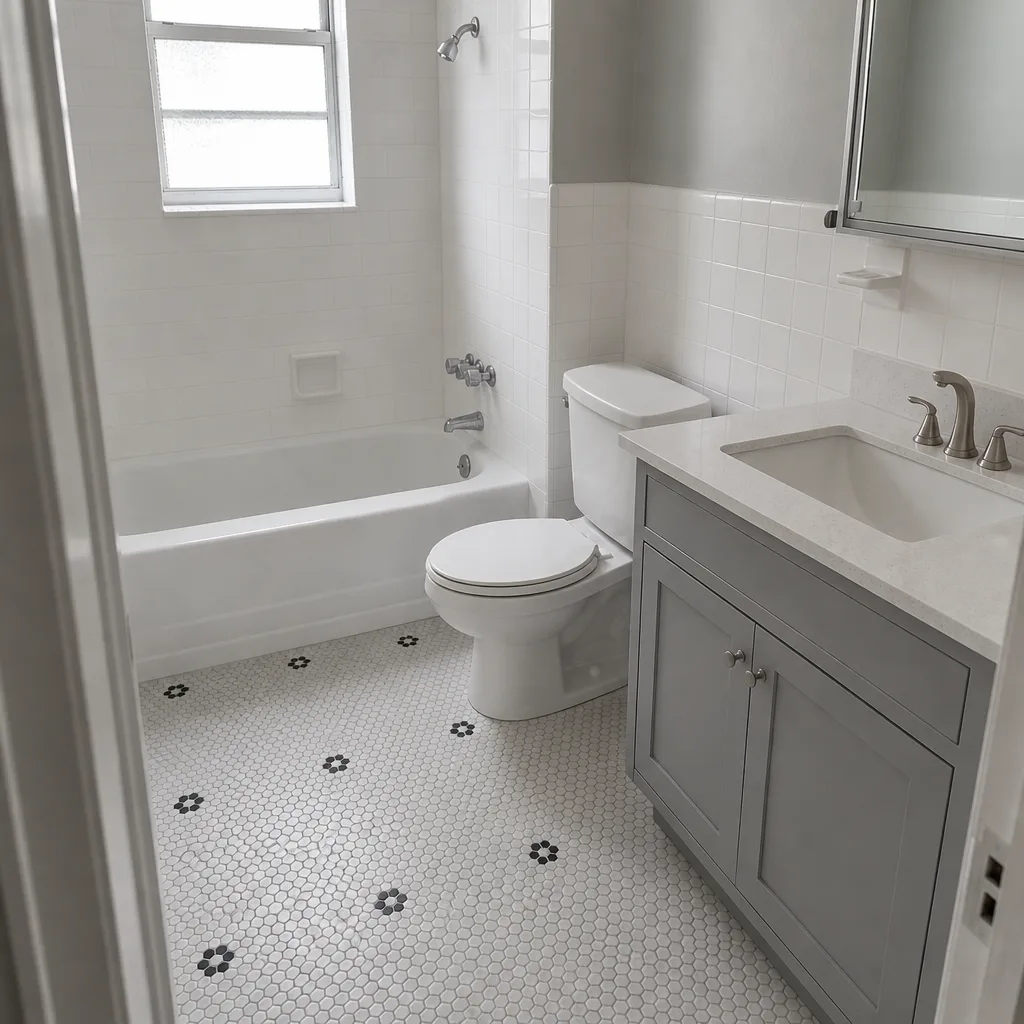 After
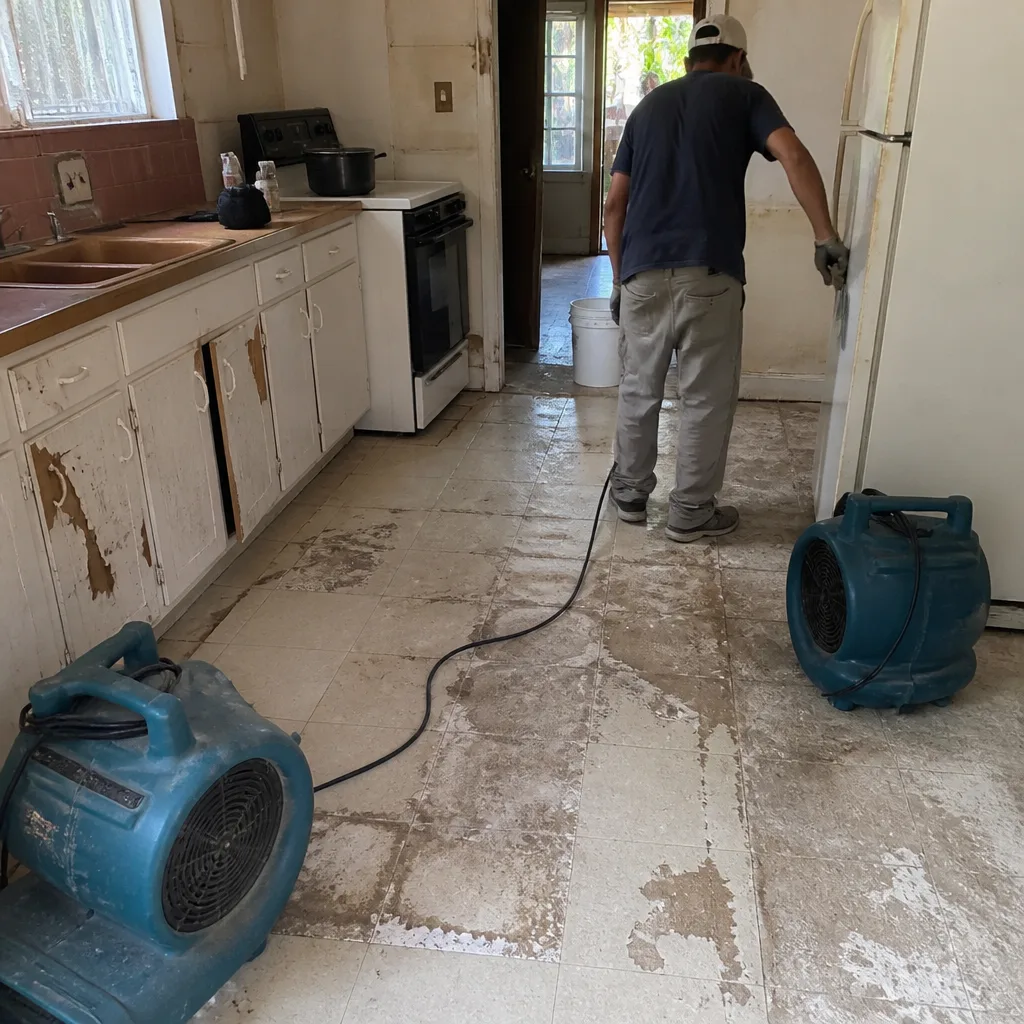 Before
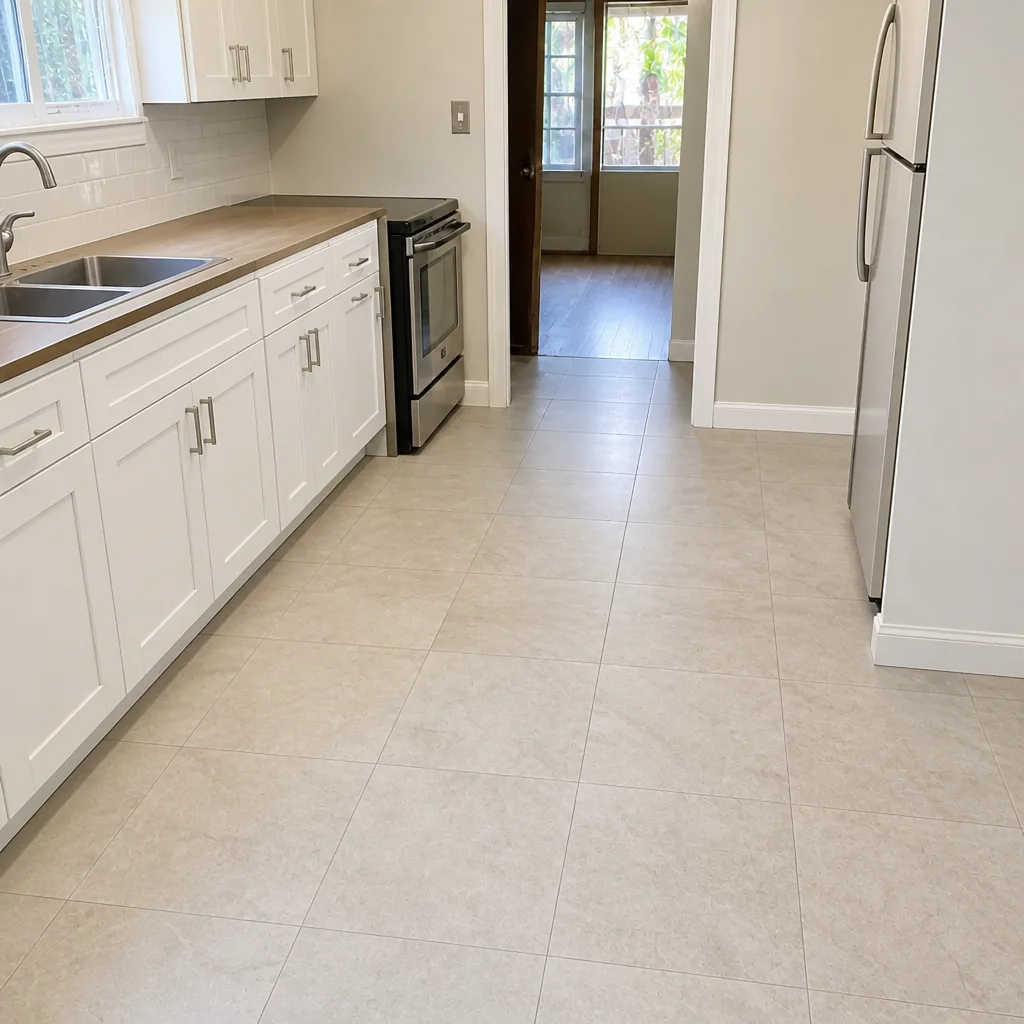 After
When to Call a Professional
Some projects are obvious calls: a kitchen remodel, a bathroom gut and rebuild, an addition, or anything that touches electrical, plumbing, or structural framing. Others are less obvious. Water staining that reappears after a repair, a bathroom that leaks into the room below, or a renovation project your contractor walked away from halfway through all point to a professional.
If you’re buying a Miami Beach home and aren’t sure what the inspection turned up, a professional walkthrough of the scope is worth an hour. And if the last contractor left problems in their wake, we’ve seen plenty of those and can usually sort out what’s salvageable from what needs to be redone.
Penhallow Remodeling Miami Beach offers free estimates in Miami Beach. Call (844) 656-1986 to schedule yours, or start with our Penhallow Remodeling Miami Beach home page to see how we work.
Frequently Asked Questions

Look up the license number on the Florida DBPR website and confirm the status is “Current, Active.” Match the name and business name exactly, and read the discipline history. A legitimate contractor puts the license number on the written proposal without being asked.
No. An estimate is a guess subject to change. A written price is a fixed commitment that lists the specific scope and materials. Ask for a line-item written price, not a range, before signing anything.
Kitchen remodels in Miami Beach typically run $28,000 to $85,000 depending on layout, cabinet line, and countertop material. A galley kitchen in a South Beach condo lands lower in that range; a full layout change with custom cabinetry and stone counters lands higher. Call (844) 656-1986 for an exact written price, free of charge.
It shouldn’t, if you have a written price with a defined scope. If something undiscovered in the wall requires a change, the price should change only in writing, with your approval, before work proceeds. Any contractor who moves the number without a written change order is a contractor you should walk away from.
Yes, for any structural, electrical, plumbing, or mechanical work, and for most substantial remodels. Miami Beach has its own building department and inspection process. Unpermitted work affects resale, insurance claims, and safety, and the cost of correcting it lands on the homeowner.
A real guarantee names the term (365 days, for example), what’s covered, the remedy, and how to file a claim. It covers labor defects, not just materials, and it’s provided in writing at the time of contract. Verbal “we stand behind our work” promises cover nothing, because there’s nothing to hold the contractor to.
The Bottom Line
Hiring a contractor in Miami Beach comes down to four things you should never negotiate on: a verified Florida license, a line-item written price before work starts, a written workmanship guarantee with a named term and remedy, and a payment schedule tied to completed work. If a contractor resists any one of those, you’ve learned something important before signing. The right contractor will hand you paper, not promises. We give every homeowner a written price, a written guarantee, and a real arrival window, and we answer the phone at any hour to back it up.
Call (844) 656-1986 for a free estimate on your Miami Beach project. A real person answers, and the number you get up front is the number you’ll see on the invoice.
Written by the team at Penhallow Remodeling Miami Beach.