Last updated November 18, 2026






Free written scope consultation - allowances, timeline, and change-order rules on paper before a single trade is scheduled
Kitchen Remodeling Troubleshooting: Common Problems and How to Fix Them
Cabinet doors that drift open six months after installation almost always mean the installer skipped shimming the base cabinets level. It’s a 20-minute step that vanishes the moment the toe kick goes on, and it’s the single most common cause of the misalignment calls we get. Most post-move-in kitchen problems trace back to a decision made during framing or installation that the homeowner was never told about, and therefore couldn’t question. This guide walks through the five problems we see most in Miami Beach kitchens, how to tell a workmanship defect from normal settling, what to document before you call anyone back, and which fixes are safe to try yourself.
Quick Answer
Resolve kitchen remodeling problems by first identifying the root cause, not just the symptom: cabinet drift, grout cracks, countertop seam separation, drawer box failure and appliance gaps each trace to specific installation or framing decisions. Document the issue with dated photos and a written notice before contacting your contractor, because your written guarantee and Florida lien law both depend on that record. Cosmetic fixes like re-caulking a seam are DIY-safe; structural fixes like re-shimming cabinets or resetting a countertop usually void your warranty if you do them yourself.
Styles & brands we work with
- Kitchen remodeling
- Bathroom remodeling
- Home additions & ADU
- Roofing
- Windows & doors
- Driveway & pavers
- Fence
Table of Contents
- Why cabinet doors drift open (and why it’s not always the hinge)
- Grout cracking: settlement versus substrate failure
- Countertop seam separation and what causes it
- Drawer box failure and the load ratings installers don’t mention
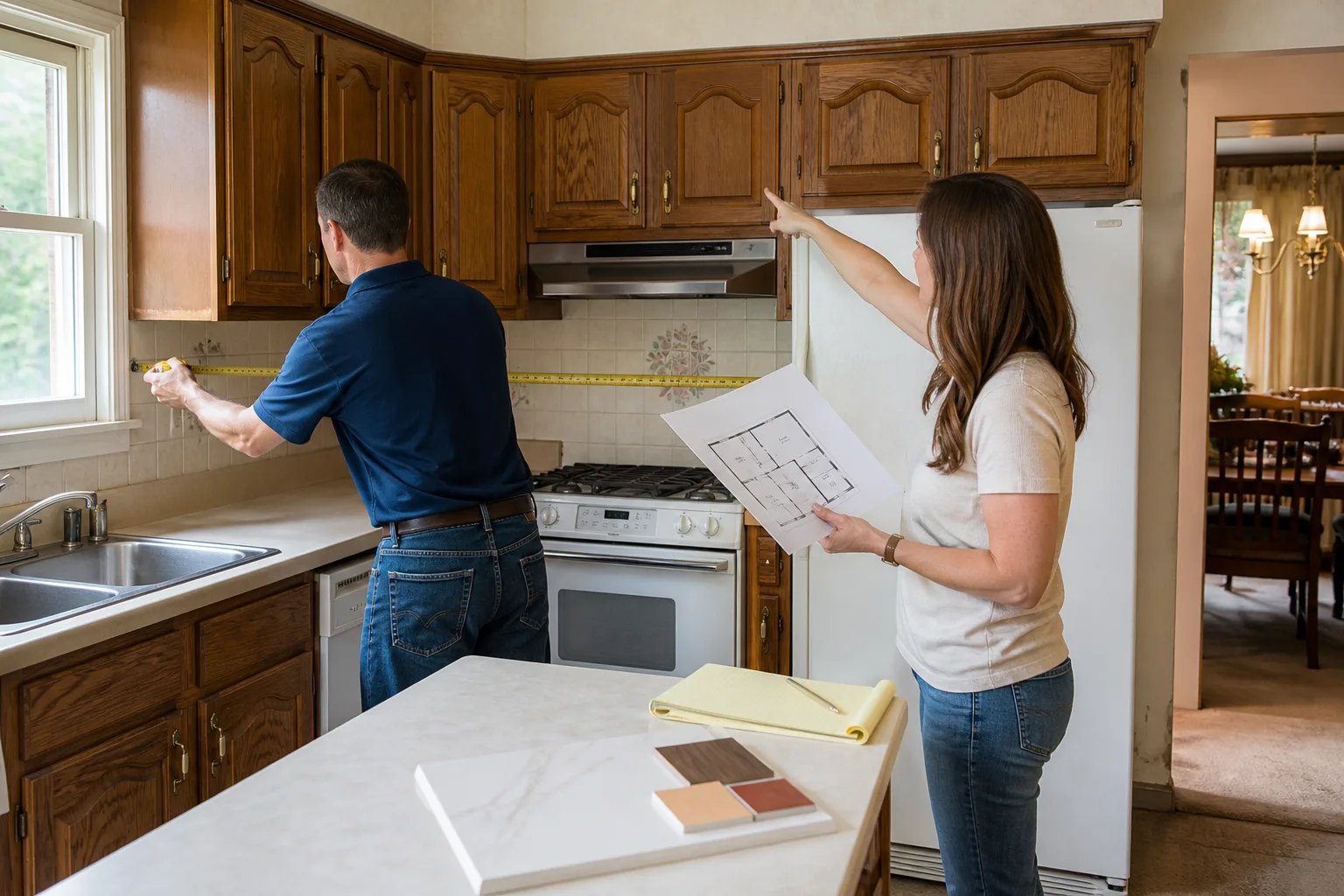
- Appliance gap sizing: the measurement that gets skipped
- Workmanship defect versus normal settlement
- What to document before you call your contractor back
- Florida lien law and your leverage on the punch list
- DIY-safe fixes versus warranty-voiding attempts
Why Cabinet Doors Drift Open (And Why It’s Not Always the Hinge)
European-style concealed hinges have a soft-close tension adjustment screw, and when a door hangs open on its own the homeowner’s first instinct is that the hinge has failed. Usually it hasn’t. In roughly three out of four cases we inspect, the base cabinet itself is out of level, the box is racked slightly out of square, or the hinge plate was screwed to a thin panel without a backing plate so the screws wallowed out over a few months of opening and closing.
Base cabinets need to be shimmed level along both the front and back rails and checked with a spirit level across the full run. A contractor who skips that step because the floor “looked flat” is setting you up for a callback. Miami Beach homes, especially the older 1950s and 1960s stock in neighborhoods like Mid-Beach, often sit on floors that have settled unevenly, so the floor being out of level is the norm rather than the exception. Shimming properly takes time and isn’t visible once the toe kick and baseboard go on, which is exactly why some installers rush it.
Doors that only drift for the first few weeks after installation can often be corrected with a quarter-turn of the hinge tension screw, and that’s a homeowner-safe adjustment. Doors that continue to drift, or that pull the whole run out of alignment, point to a cabinet leveling problem that needs a contractor to address. If you’re still planning a remodel in the area, our team at Kitchen Remodeling in Miami Beach handles the framing and installation side with written pricing before work starts.
Grout Cracking: Settlement Versus Substrate Failure
Not all grout cracks mean the same thing. Thin hairline cracks that appear along a single grout line in the first year are usually normal house settlement, particularly in homes with wood subfloor framing that expands and contracts through Miami Beach’s humid season from May through October. But cracks that track in a horizontal line along the length of the floor, or that open wider than a credit card edge, usually point to a substrate problem: the tile was set over insufficient cement board, over a wood subfloor without a crack-isolation membrane, or over a floor that deflects under foot traffic.
The trade word here is substrate, the moisture-resistant layer behind or under your tile. Cement board substrate needs to be fastened to the subfloor and the seams taped and mudded before tile goes down. Skip that and the tile will move, and the grout, which is rigid, cracks first.
Our experience in Miami Beach is that the humid climate accelerates grout problems in unventilated kitchens where a dishwasher or ice maker leaks quietly into the substrate for months before the homeowner notices. A grout crack that appears alongside a discolored or soft spot in the tile is a warning sign of moisture intrusion, not cosmetic wear. That needs a contractor to open up the floor and check the substrate, not a tube of grout from the hardware store.
Countertop Seam Separation and What Causes It
A visible gap at the seam where two countertop slabs meet is one of the most common post-install complaints, and the cause is usually one of three things. First, the seam was set with too little color-matched epoxy or polyester adhesive, so the joint opens as the slabs expand and contract. Second, cabinet runs shifted slightly after the countertop was set, taking the seam with them. Third, and most common with quartz, the slab wasn’t fully supported underneath so it’s flexing and the seam is opening under load.
Cambria and Silestone quartz slabs are heavy, and they need continuous support along the front and back edges plus a support rail at the seam on runs longer than about four feet. Skip the support rail and a heavy stand mixer or a leaning guest will stress the joint. Reputable installers fasten a rail or a small steel plate under the seam as standard practice, and we’ve seen it make all the difference in Miami Beach kitchens where a long run of cabinetry along an exterior wall gets direct sun and heat cycling.
Seam failure inside the warranty period is a workmanship issue the contractor should reset, and the adhesive and color-match should be redone without charging you. Seam separation that appears years later, especially near an under-mount sink that’s been pulled on repeatedly, may be counted as wear or homeowner-caused and handled on a case-by-case basis.
Drawer Box Failure and the Load Ratings Installers Don’t Mention
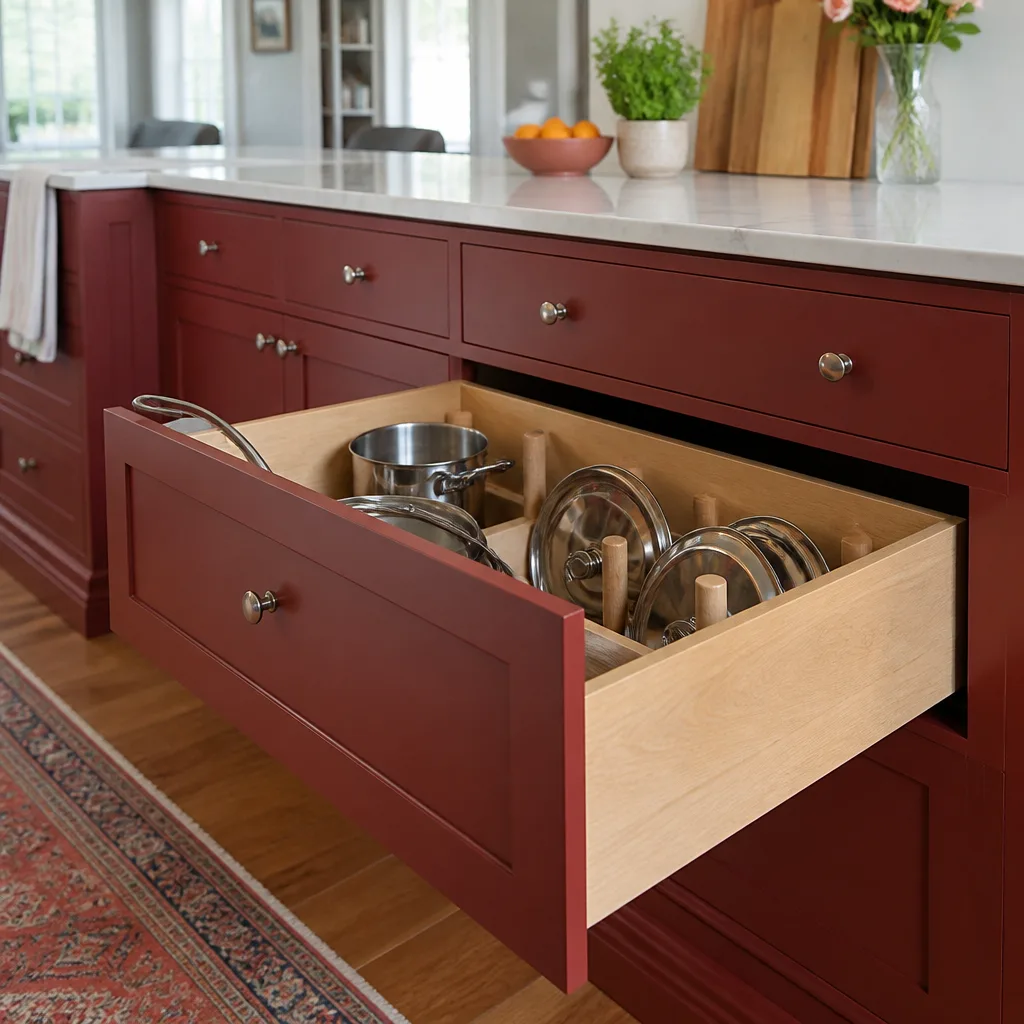
Drawer box failures, where the drawer no longer glides smoothly, the bottom sags, or the dovetail joint separates, are almost always a load or rating issue rather than a mechanical defect. Most cabinet lines specify a weight capacity for their drawer slides, typically 75 to 100 pounds for standard undermount slides and more for heavy-duty versions. A 12-inch-deep pot drawer loaded with cast iron and stoneware can exceed that inside a year.
There are two other common install problems. Installers sometimes fasten the drawer slide to a side panel that is too thin for the screw’s thread so the slide works its way loose. And wide drawers without a mid-support on the drawer bottom can flex and crack the dovetail at the front corner.
Our crews working in Miami Beach homes typically specify heavy-duty undermount slides for wide pot drawers and reinforce the drawer bottom on any drawer wider than 30 inches. The box, the slides and the cabinet are all part of the same system, and a reputable cabinet line like KraftMaid or Wellborn gives the installer rating options to size to what the drawer will actually hold. If a drawer fails inside the first year, that’s a workmanship or product issue the contractor should resolve.
Appliance Gap Sizing: The Measurement That Gets Skipped
A gap between a refrigerator or range and the surrounding cabinetry that’s too large is a design error that surfaces months after installation, when a homeowner realizes the filler panel doesn’t match or the appliance looks like it’s floating. The cause is nearly always a measurement that used the manufacturer’s generic “standard” width instead of the specific model you bought. Refrigerators vary in depth and width more than most people expect, and a half-inch slip on paper becomes a visible gap once the cabinets are set.
The fix depends on where the gap is:
- Side gap under an inch: a color-matched filler strip is the clean fix, applied by the contractor.
- Gap behind the fridge: sometimes a recessed receptacle or a shallower model resolves it; sometimes it’s a cabinetry depth decision.
- Gap above the range: an over-the-range hood or a small cabinet panel can bridge it, but this is a design revision.
- Anything wider than an inch: typically requires cabinet or countertop rework to look intentional.
The lesson is to pick your specific appliance model before cabinetry is ordered, and to verify the cutout dimensions on the spec sheet rather than relying on the stated nominal width. We’ve seen more Miami Beach kitchen problems from this one step than from any cabinet brand decision, and it’s completely avoidable. If you’re planning a full change-out, our General Contractor in Miami Beach team coordinates appliance selection before ordering cabinets.
Workmanship Defect Versus Normal Settlement
The question that determines whether a callback is free or a charge is whether the problem is a defect or normal settlement. There is no universal rule, but a working test helps. If the failure shows the contractor skipped a step the trade standard requires, it’s a defect. If the failure results from the materials doing what they naturally do over time in the environment, it’s settlement.
Signs of a workmanship defect
- Cabinet run out of level by more than a small fraction of an inch.
- Tile cracks tracking in a straight line, or along every joint.
- Countertop seam opens wider than the thickness of a credit card within the first year.
- Drawer slides mounted only to the cabinet side with no backing support, working loose repeatedly.
- Grout with visible hollow spots when tapped, indicating missing mortar or thin-set underneath.
Signs of normal settlement
- Hairline grout cracks in a single line, appearing gradually, with no widening.
- A cabinet door that needs a hinge adjustment after a year of use.
- A seam that opens a few thousandths of an inch after a season, then stops.
Guarantees like our 365-Day Done Right Promise cover the defect category. The Kingswell Way sets the standard plainly: say the price before the work, show up in the window we gave, leave the place cleaner than we found it, and make right anything that fails inside the guarantee period. If in doubt, document the issue carefully and ask for a written determination from the contractor on which category it falls into.
What to Document Before You Call Your Contractor Back
A guarantee claim works best when the record is clean. Most homeowners call to say “something’s wrong with the cabinet” and the contractor has no photo, no date, no context, and the conversation starts from zero. Here’s the process we recommend, in order:
- Photograph with a scale. Put a ruler or a coin in the frame next to the problem. A photo with no size reference is worth very little.
- Capture the date on every image. Most phone cameras embed a timestamp automatically; make sure it’s on.
- Write a short description. Two sentences: what’s happening and when you first noticed it.
- Take a wider shot. Show the surrounding cabinets, countertop or floor so the contractor can locate the problem in the room.
- Record the noises and the behavior. A short video of a drawer that sags or a door that swings open tells more than a paragraph.
- Send a written notice. Email is best; it’s dated and durable. State the issue, attach the photos, and ask for a callback to schedule an inspection.
- Save the original contract, the written price and the guarantee document. All three matter when a claim is reviewed.
If you used a reputable contractor, the callback should be scheduled promptly and the inspection should be free inside the guarantee period. Our own free return visit policy means no service call and no re-inspection fee if the repair fails, so the financial stake stays with us, not you.
Florida Lien Law and Your Leverage on the Punch List
Most homeowners don’t know they have a written right, under Florida construction lien law, to withhold final payment for incomplete punch-list items. Chapter 713 of the Florida Statutes sets up the mechanics lien system for construction work, and the practical consequence for a homeowner is this: your final payment is your strongest leverage on getting the punch list finished, and the contractor’s lien rights depend on proper notice and timing. Withhold final payment for open items and put the reason in writing. Release it when the items are complete.
Do not withhold payment for a punch-list issue you can’t articulate in writing, and don’t withhold payment for work that was completed. A judge or mediator looking at a dispute will weigh what was itemized, what was agreed, and what was documented. Vague holdbacks weaken your position.
This is also why the written price before work starts matters so much in Miami Beach, where the market has a mix of historic properties and new construction and the scope of a kitchen can shift as soon as demo opens a wall. A written number, a written change process, and a written punch list plus a written guarantee is the standard we work to under the Kingswell Guarantee, established in 2004 and used by every Kingswell family location independently.
DIY-Safe Fixes Versus Warranty-Voiding Attempts
Some fixes are homeowner-safe and some will void portions of your guarantee if you attempt them. A rough rule: if the fix involves a screwdriver and no part removal, it’s probably fine. If it involves a saw, a pry bar, a drill, plumbing or the cabinet itself, call the contractor first.
DIY-safe
- Re-caulking a countertop seam. Use a color-matched silicone caulk meant for counters, remove the old caulk carefully, clean and dry, and apply a thin bead. Call the contractor if the seam is opening, not just discolored.
- Adjusting European hinge soft-close tension. The tension screw on the hinge body can usually be turned a quarter-turn to slow or speed the soft close. Consult the hinge manufacturer’s diagram.
- Tightening a loose cabinet knob or pull. Use a screwdriver; don’t over-torque.
- Replacing a worn drawer slide. If it’s a slide the manufacturer still sells and the cabinet wasn’t modified to fit it, a like-for-like replacement is usually safe.
Call first (likely warranty-voiding)
- Re-shimming or re-leveling a cabinet.
- Resetting a countertop slab or re-seating a seam.
- Cutting or drilling into a cabinet box for any reason.
- Filling a seam or gap with anything other than the contractor-provided product.
- Working on tile substrate underneath existing tile.
If a DIY fix makes a covered problem worse, most guarantees no longer apply. Call us instead. Our technicians have up to 22 years of experience, they’re background-checked, and they arrive in uniform.
Common Mistakes to Avoid
- Choosing the appliance brand before the appliance model. “A 36-inch fridge” is a design fiction; the real model has a real width, and the cutout should be built to it. In a Miami Beach kitchen, verify the spec sheet before cabinetry is ordered.
- Assuming the floor is level because it looks flat. Old homes across Miami Beach have settled flooring, and shimming is not optional. Ask the contractor to show you the spirit level check along the cabinet run.
- Skipping the seam support rail under quartz. Cambria and Silestone slabs are heavy and need support at every seam and along the front edge, not just at the corners.
- Loading pot drawers past the slide rating. Cast iron and stoneware at the back of a 12-inch drawer will exceed a standard slide rating; ask for heavy-duty slides before the cabinets are ordered.
- Calling out a problem without documentation. A verbal “the drawer’s broken” gives the contractor nothing to work with and weakens your guarantee claim. Photos, dates and written notice are what make a claim hold up.
- Trying to tighten a hinge that isn’t loose. If the door drifts because the cabinet is out of level, tightening the hinge makes it worse. Diagnose first, then act.
- Withholding final payment without a written punch list. Florida lien law supports withholding payment for documented, itemized incomplete work; an unstated holdback weakens your leverage.
See the difference
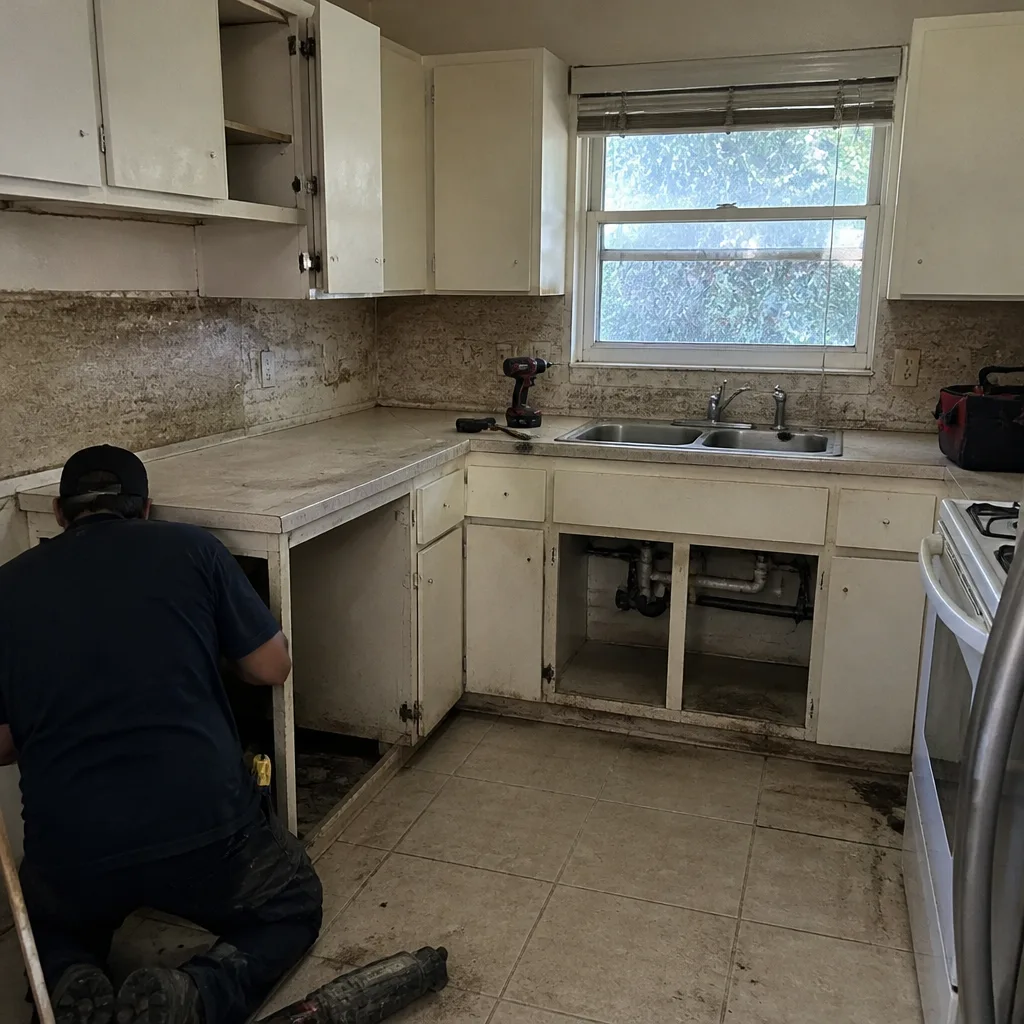 Before
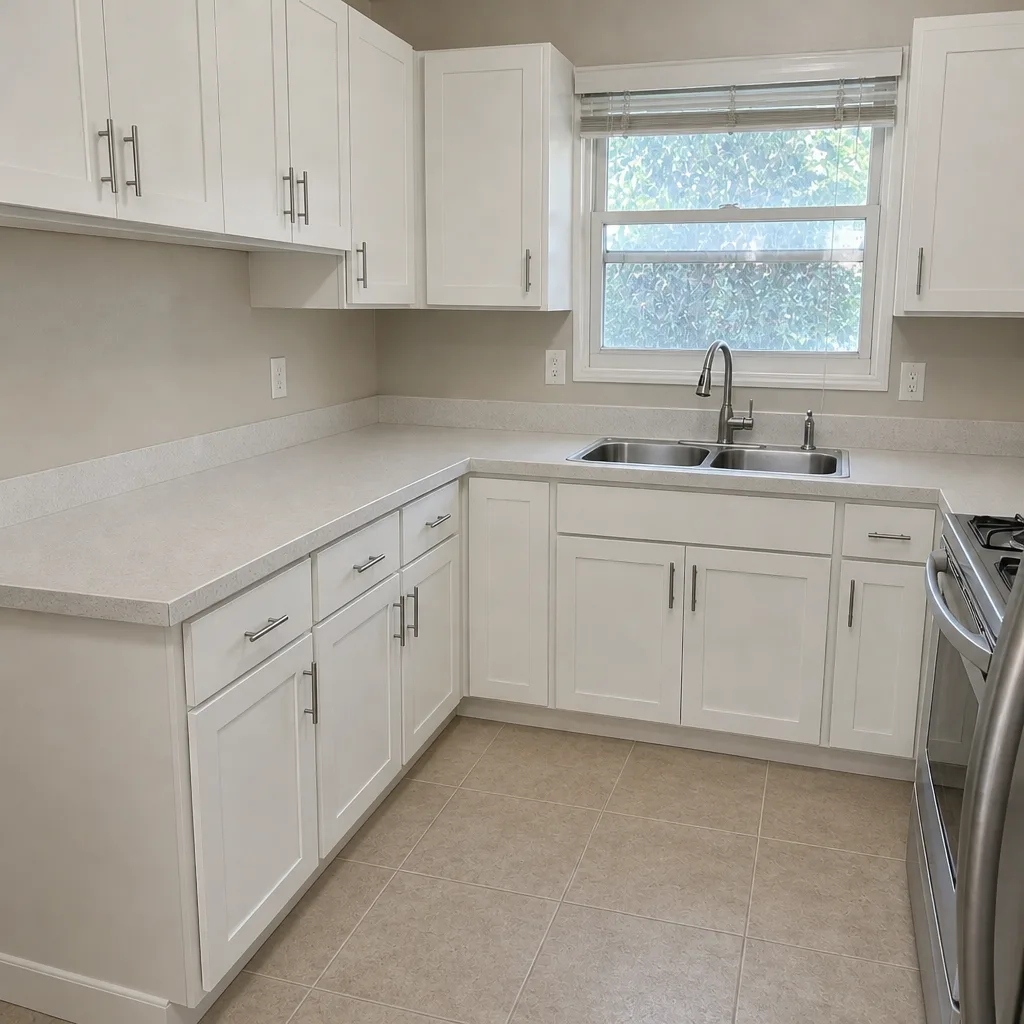 After
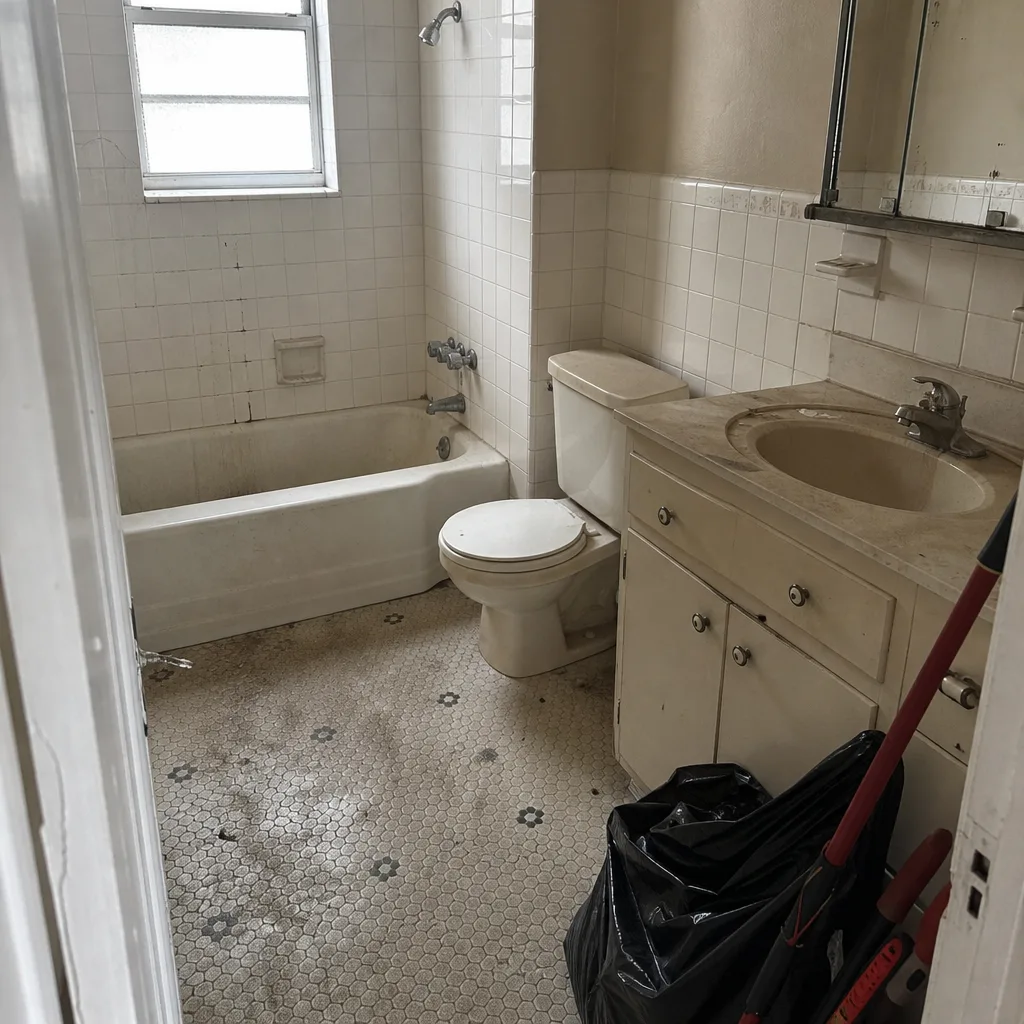 Before
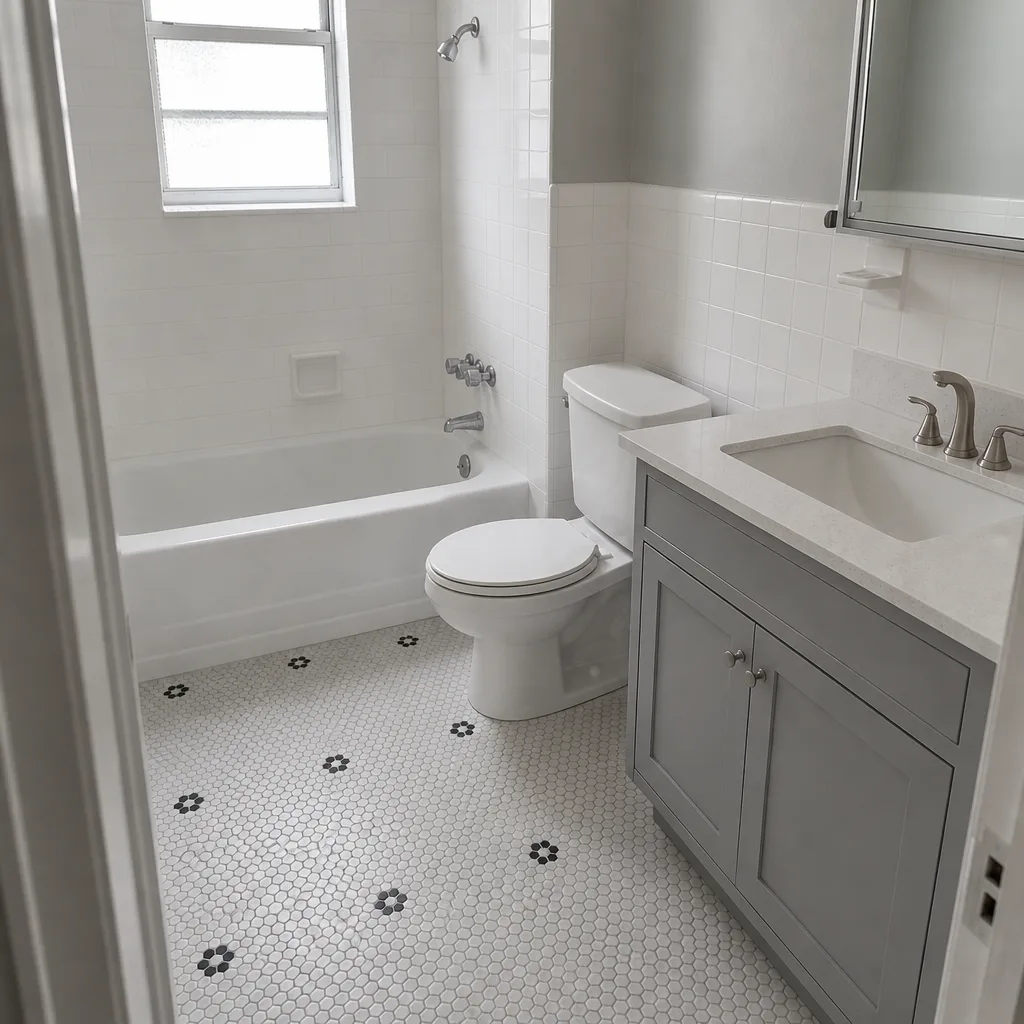 After
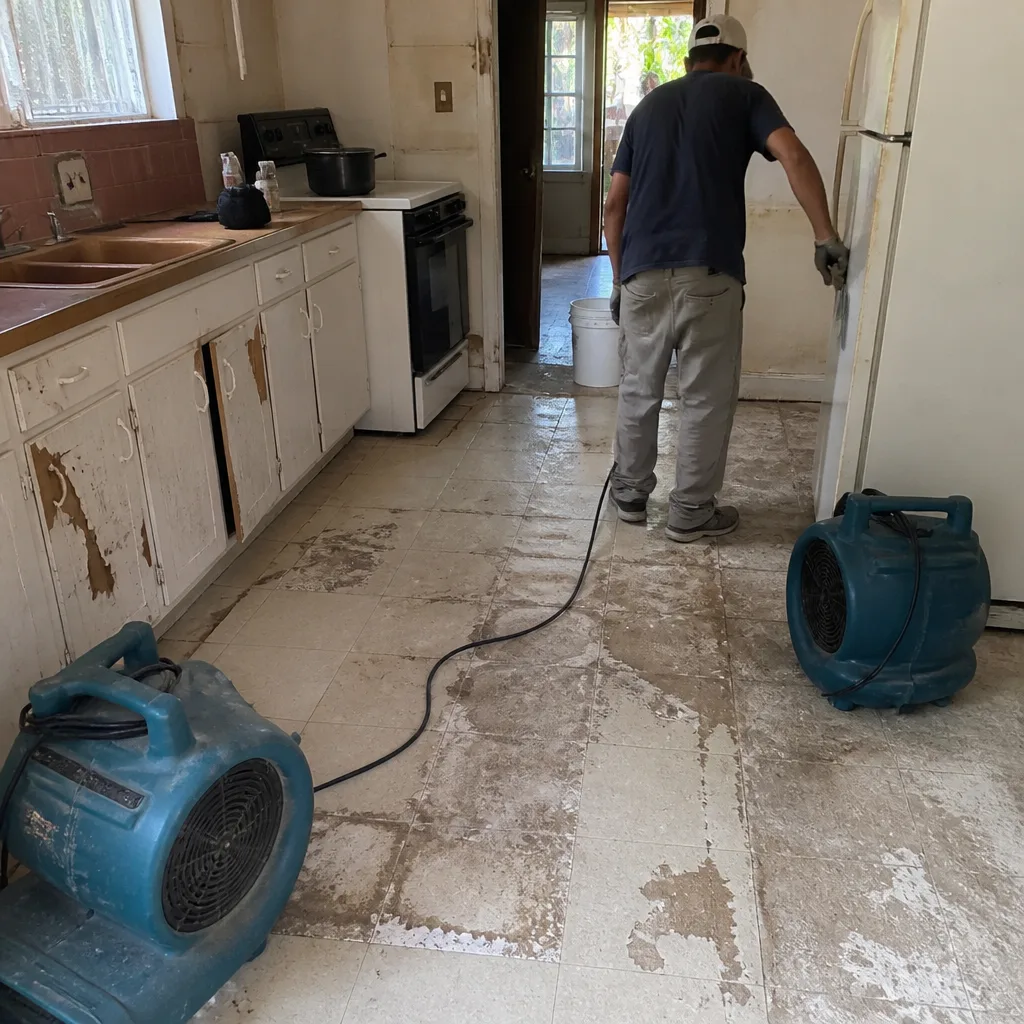 Before
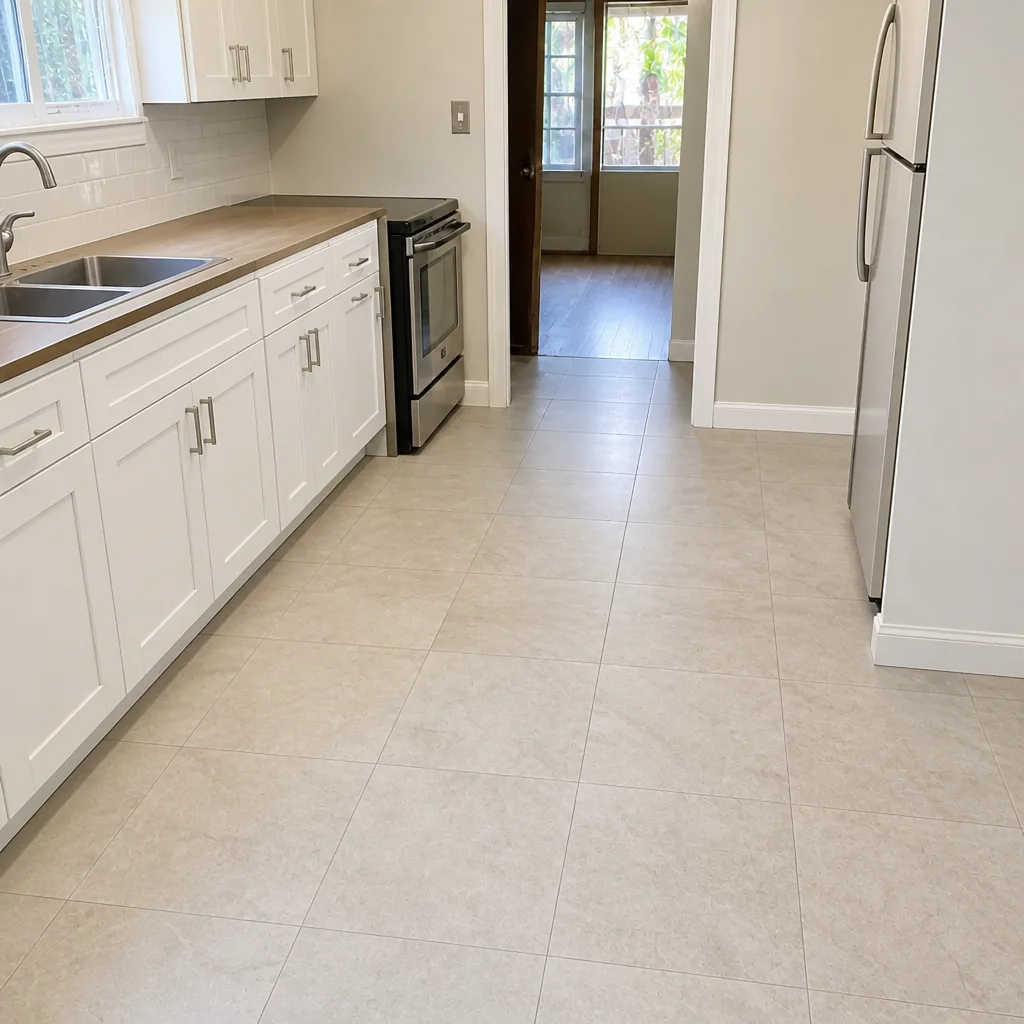 After
When to Call a Professional
Call a professional when the problem has crossed from cosmetic to structural, when a component fails again after you’ve already tried a homeowner fix, or when the issue is inside a guarantee period. Specifically: any cabinet that won’t stay level after a hinge adjustment; any countertop seam opening wider than a credit card; a tile crack wider than a hairline or running in a straight horizontal line; a drawer box or slide failing repeatedly; any gap between appliance and cabinetry that requires panel or cabinet modification; and any moisture or soft spot discovered near a dishwasher or under the sink. If you’re in a Miami Beach property and unsure whether the issue is covered, call for a free estimate and an in-person determination before you touch the fix yourself. Penhallow Remodeling Miami Beach offers free estimates in Miami Beach, and every project carries a written price before work starts plus our 365-Day Done Right Promise in writing. Call (844) 656-1986; a real person answers the phone around the clock.
Frequently Asked Questions

Correcting a misaligned cabinet door typically runs $100 to $250 if the fix is hinge adjustment and slight re-shimming, and $250 to $600 if a cabinet run needs to be re-leveled and re-anchored. Inside a guarantee period, this should be free. If you’re not sure which category you’re in, call (844) 656-1986 for a free estimate.
Hairline cracks along a single grout line are usually normal settling; cracks wider than a credit card edge, or cracks that track in a straight horizontal line, usually indicate a substrate problem the contractor should correct. Either way, document with a dated photo and a written notice before calling.
You can re-caulk a discolored seam yourself with color-matched counter silicone; you should not attempt to re-adhere or reset a seam that has physically opened, because that’s a warranty-voiding attempt. Call the contractor if the seam is opening.
Our 365-Day Done Right Promise covers workmanship failures for one year after project completion, including cabinet leveling, seam adhesion, drawer slide installation and tile substrate issues; if the work fails inside the guarantee period, we come back and make it right at no charge. The guarantee is included in writing on every project, and a free return visit is included if a repair fails.
Yes. Florida construction lien law, Chapter 713, gives homeowners a defined process for withholding final payment for incomplete or defective work, and the withholding is strongest when the items are itemized in writing. Release the payment when the items are complete.
A typical full kitchen remodel in Miami Beach runs six to ten weeks from demo to punch list, but most post-install problems don’t appear until three to nine months later, which is why the 365-day guarantee window exists. If something looks off in that window, document and call rather than waiting.
The Bottom Line
Most kitchen problems that surface after move-in trace back to invisible decisions: a skipped shim, a missing seam support, a slide rated for less than the drawer will hold, an appliance selected before its cutout was verified. The counter to that is not more skill on your end; it’s a contractor who gives you a written price up front, a defined arrival window, a clean job site, and a 365-Day Done Right Promise in writing. Document any issue with dated photos and a written notice, know your Florida lien-law leverage, and don’t touch a structural fix yourself. If you’re planning a Miami Beach kitchen, start with our Bathroom Remodeling in Miami Beach and whole-home services too, or head back to our Penhallow Remodeling Miami Beach home page to see everything we do. Call (844) 656-1986 for a free estimate today; a live person answers around the clock, and the number we quote before work starts is the number on the invoice.
Written by the team at Penhallow Remodeling Miami Beach.